Who cares about survival? People like Maria do — fierce, determined, and full of courage.

By Sarah Easter and Hillol Sobhan September 14, 2025

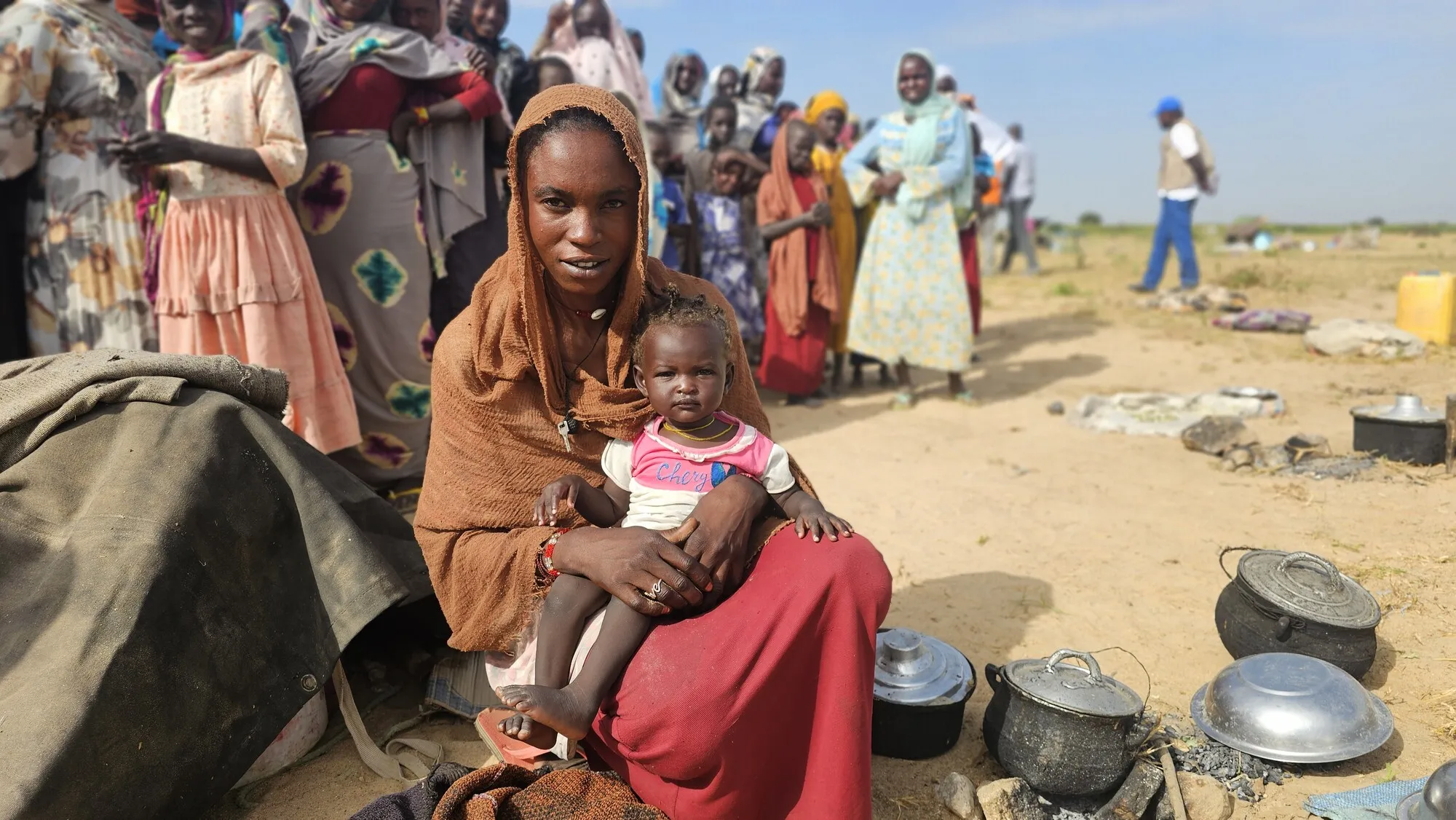
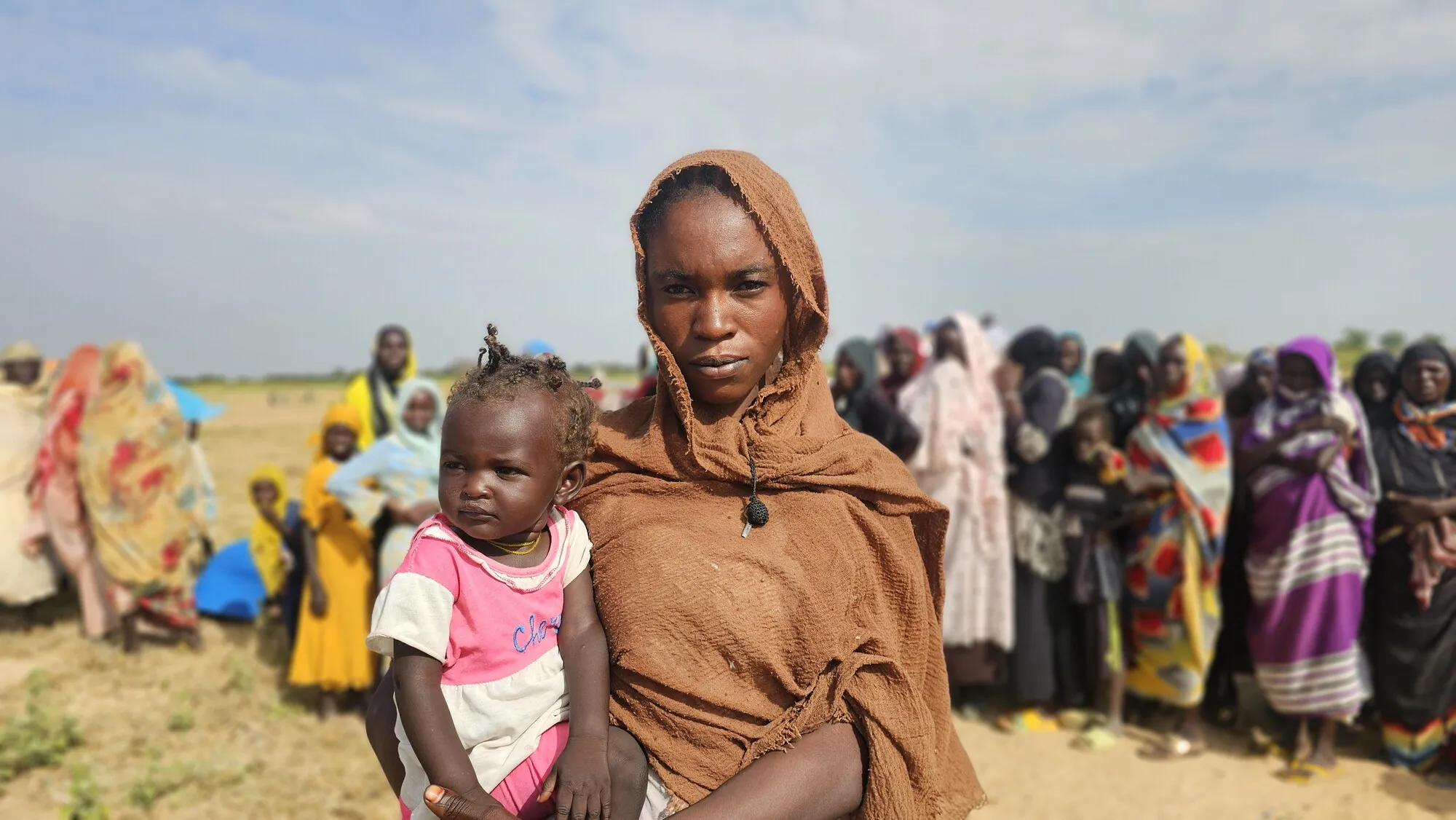
A Sudanese woman holds her baby daughter while a crowd of people stands in the background.

"Two days ago was the last time I had water to drink. Six days ago, the last time I ate,” says Maria, who fled Sudan with her daughter. All photos: Sarah Easter/CARE

This story reveals what it truly means to care — not the easy kind, but the kind that demands everything and never gives up. It’s about real people holding on through the darkest nights, for their families and their futures.

WHO CARES?

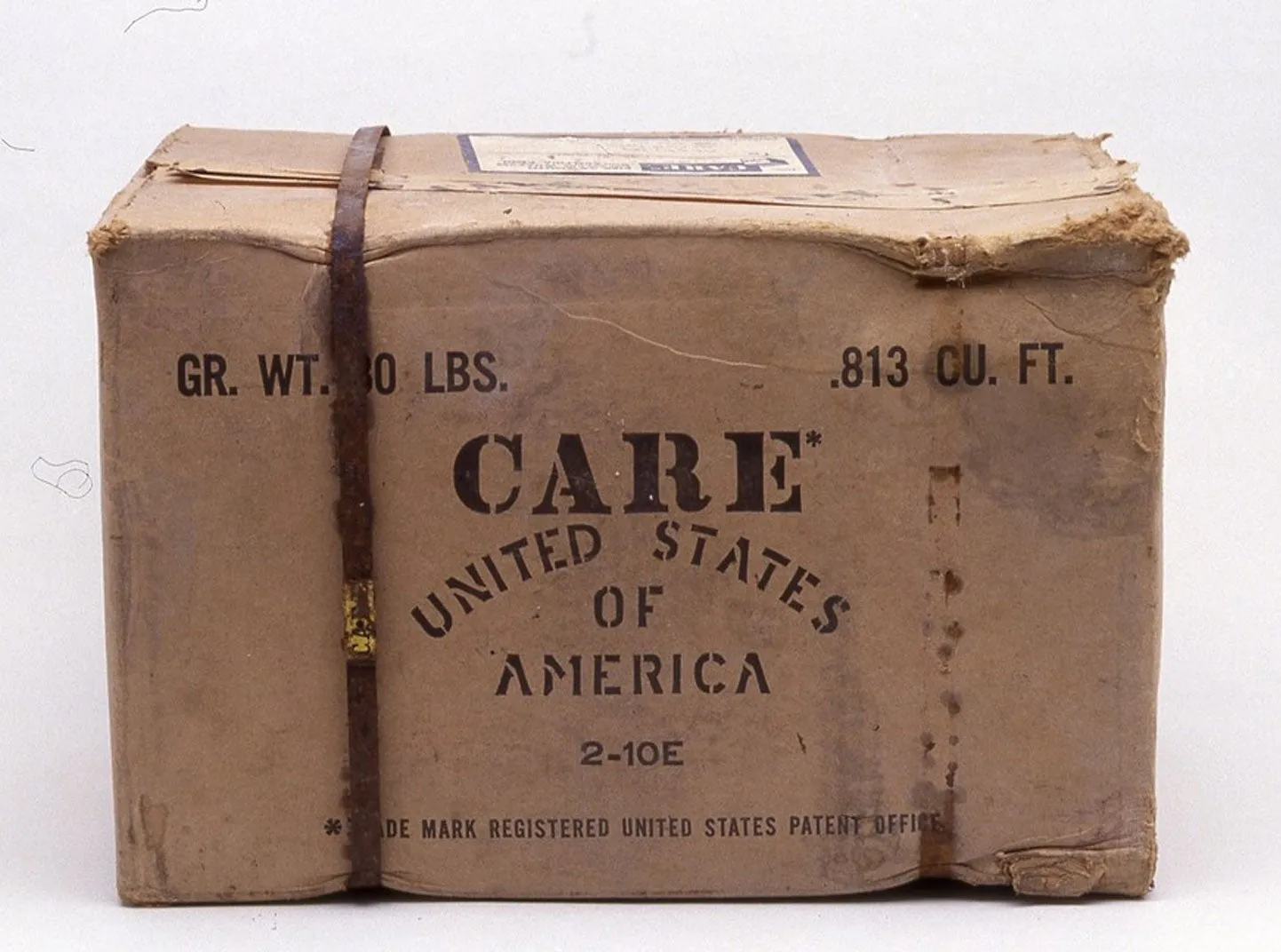
You do, and so do we. For nearly a century, CARE has been there, every day and in times of crisis. Read inspiring stories and sign up to learn more about CARE and the people we work with.

Join us

Maria, 20, fled Sudan with her nine-month-old daughter, Imtias. For days, she walked and ran through bombs, fires, and gunshots, carrying her baby whenever she could. A thin cloth — her only possession — held Imtias tightly on Maria’s weakened body.

“I am incredibly thirsty,” Maria says, repositioning Imtias on her hip. “Two days ago was the last time I had water to drink. Six days ago, the last time I ate.” Severe dehydration began with a dry mouth and headache, followed by cracked, parched lips. Her breathing grew shallow, dizziness set in, and exhaustion weighed heavily on her. Her strength waned, movements slowed, and thoughts dulled.

That was when fear took hold, and Maria, with no clear direction, searched for water in the dry wilderness along the Sudan-Chad border. She didn’t know where she was — she just kept running like her neighbors, never stopping.
The struggle for water

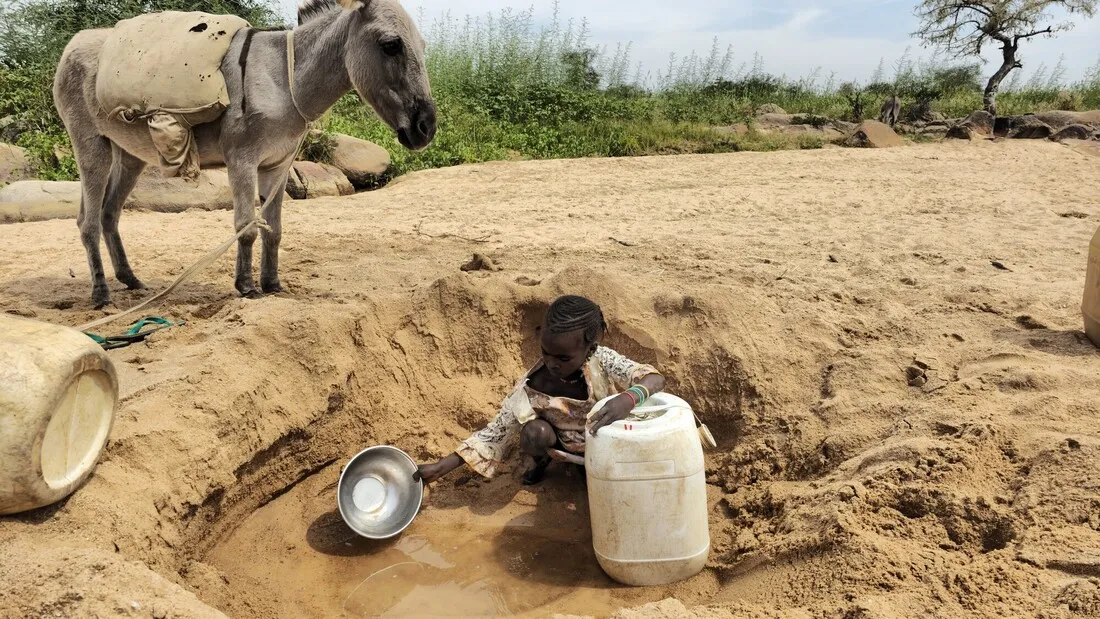
A young child kneels in a sandy pit, scooping water into a large container. A saddled donkey stands behind the child, to the left.
This is how Sudanese refugees collect water while fleeing. Maria had to dig deep into the sand with her bare hands to fetch water.

She remembers kneeling in the hot sand, digging with her bare hands. The first scoop slipped through her fingers, but the deeper she dug, the heavier the sand became. Half a meter, one meter — her breath grew shallow, dizziness intensified. At two meters, the sand felt wet. A small puddle appeared. She cupped it in her hands, drank, then gave some to Imtias who had grown very quiet. Her cries had stopped. There was not enough water for tears. Not enough strength for wails.

Maria and her neighbors — mostly mothers carrying young children — ran together, many babies no longer crying. Some were so quiet their mothers weren’t sure if they were alive or if they were carrying their dead children on their backs. They walked until they could no longer stand, dropping everything where they rested.

The harsh realities of displacement

Maria is one of over 4 million people who have fled Sudan as of September 2025.

Each night, they collapsed on the dry ground, resting just enough to rise again. Far from the sounds of war, they listened for the sound of children still strong enough to cry.

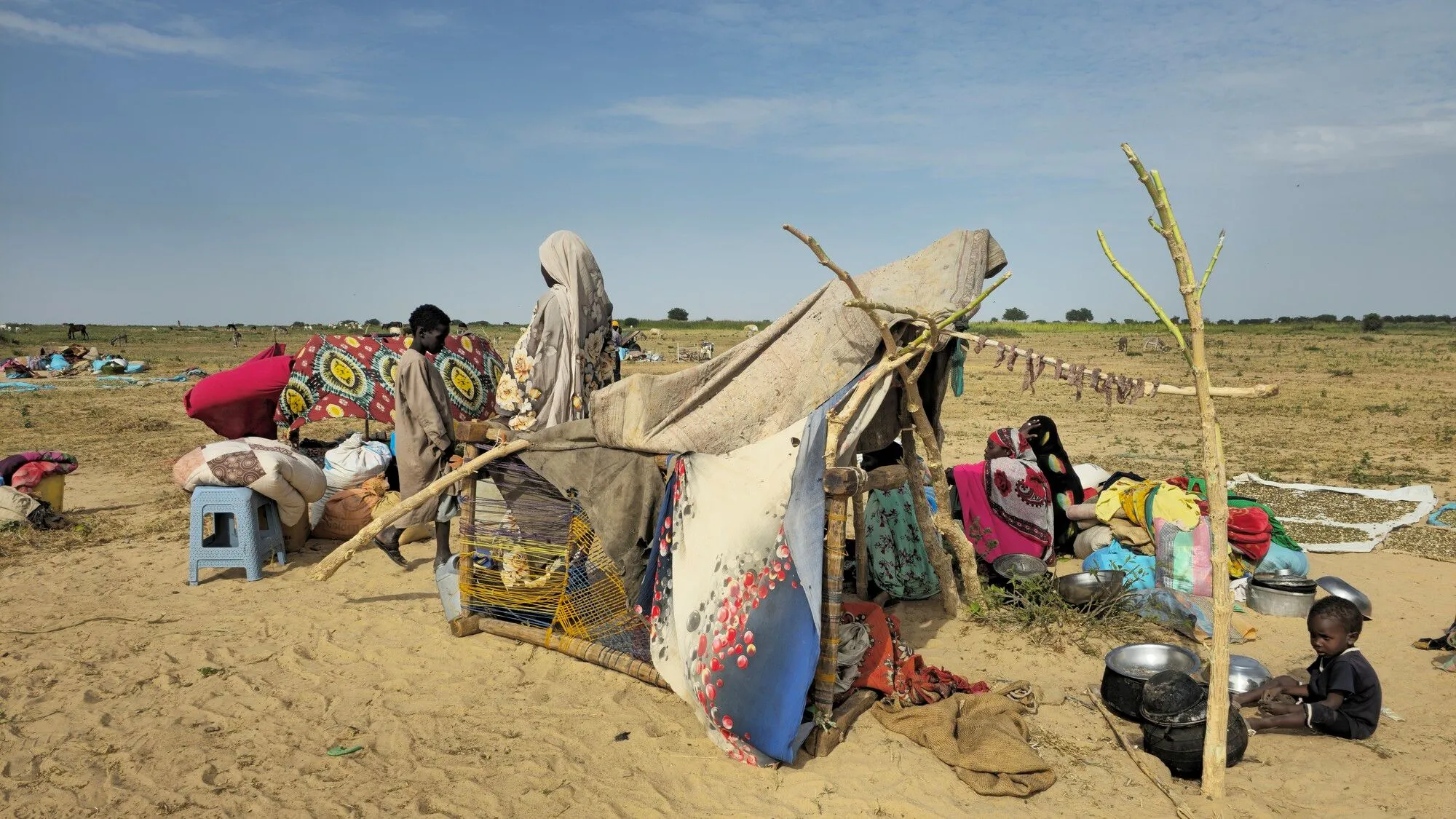
Under the blazing sun, surrounded by flies, there was no shelter or shade. At times, explosions and gunfire broke the silence. “I only know I’m somewhere else because I can no longer hear shooting,” Maria says. “Here, we sleep on the floor. A few neighbors could bring pots and mats, but I only have the shawl I am wearing.”

For days, Maria and the others felt lost, overwhelmed by fear and exhaustion. Yet, they kept moving, walking toward a place where the sounds of explosions dwindled.

Maria pushed forward with each step, driven by a fierce need to protect her baby, whose life depended entirely on her strength and determination. Slowly, the silence grew deeper, and they crossed the border to a different country – Chad – without knowing they had left the conflict behind them.

“At night, we hear only the crying of the children that still can cry. But the sounds of war are gone. We are still alive. But we have no more strength left,” finishes Maria and turns to the group of women and children huddled together behind her.

Maria leaves to dig for water again, despite the numbness in her fingers. She still walks and stands up straight because fleeing also means the will to survive.

Caring means survival — and hope

Maria could have given in. But caring is stronger than exhaustion. It is the deep instinct to protect, endure, and survive that pushes people like her forward, even when the path is shadowed with pain and loss.

For Maria, survival is more than endurance. It is an act of unconditional love and protection.

CARE, Always There

Like Maria, CARE is driven by the same fierce determination to never give up.

In Chad’s Guéréda district, CARE is there. With support from the European Union, CARE provides healthcare, trains health workers in the district, equips health centers with supplies, applies lifesaving water, sanitation, and hygiene practices, and supports survivors of violence against women and children. Together, these efforts provide a vital lifeline amid ongoing uncertainty.

The answer is clear

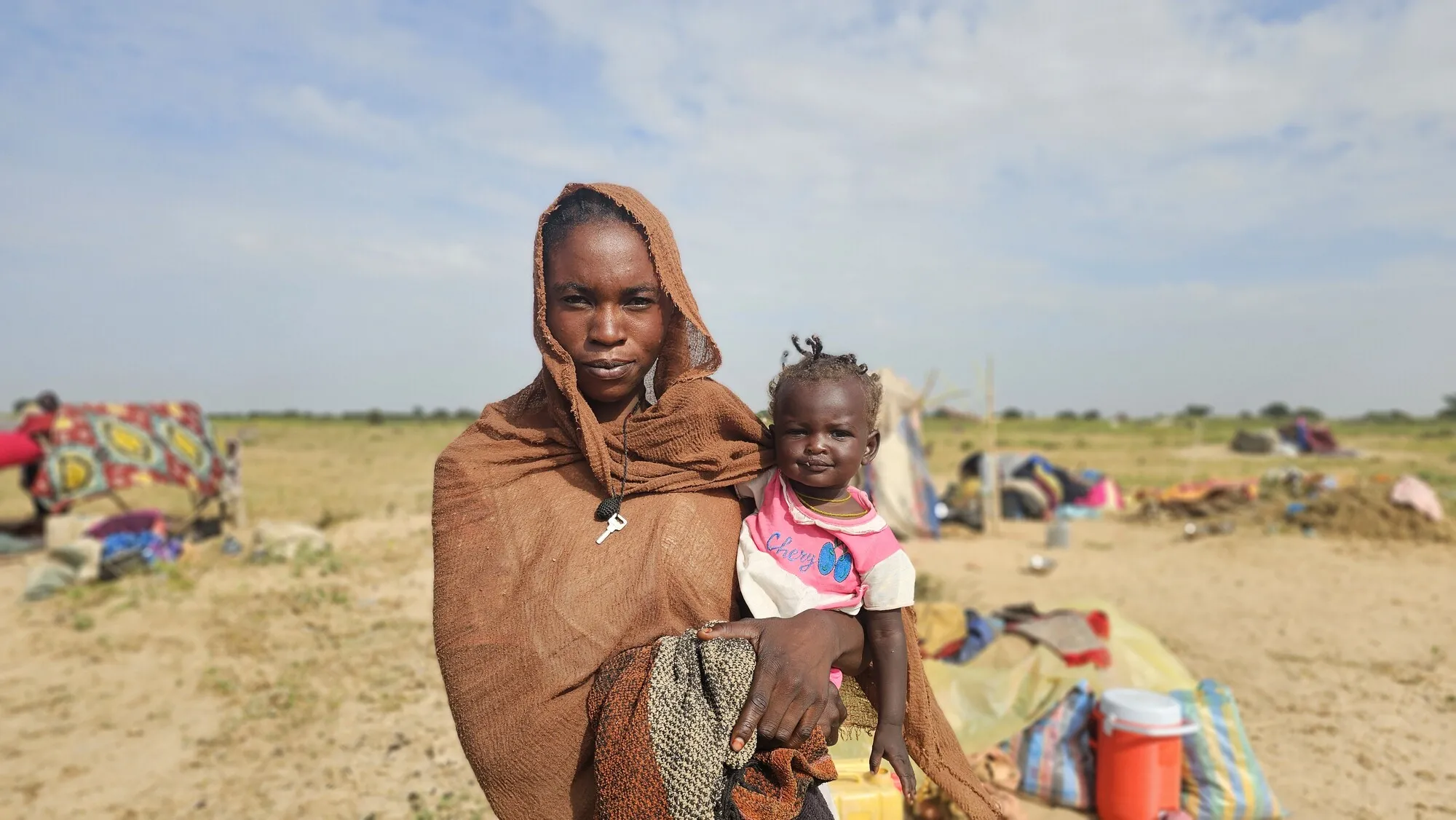
A portrait of a mother from Sudan holding her smiling baby in a dusty field with a makeshift shelter in the background.
What does a mother carry when she's lost everything? A future, a promise, and a reason to keep moving.

When someone asks, “Who cares about survival?” the answer is clear.

Maria does. She carries her baby through every hardship with fierce love and determination.

CARE does, too. We are always there — providing care, protection, and hope in the toughest times. And you do, too.

Together, we help families rewrite their stories — one brave step, one precious life at a time.

We are CARE, Always There.

Back to Top