Hunger in Somalia

Somalia Hunger Crisis

Somalia's malnutrition crisis is accelerating faster than predicted, worsened by seasonal challenges and the fallout from the 2024 drought.

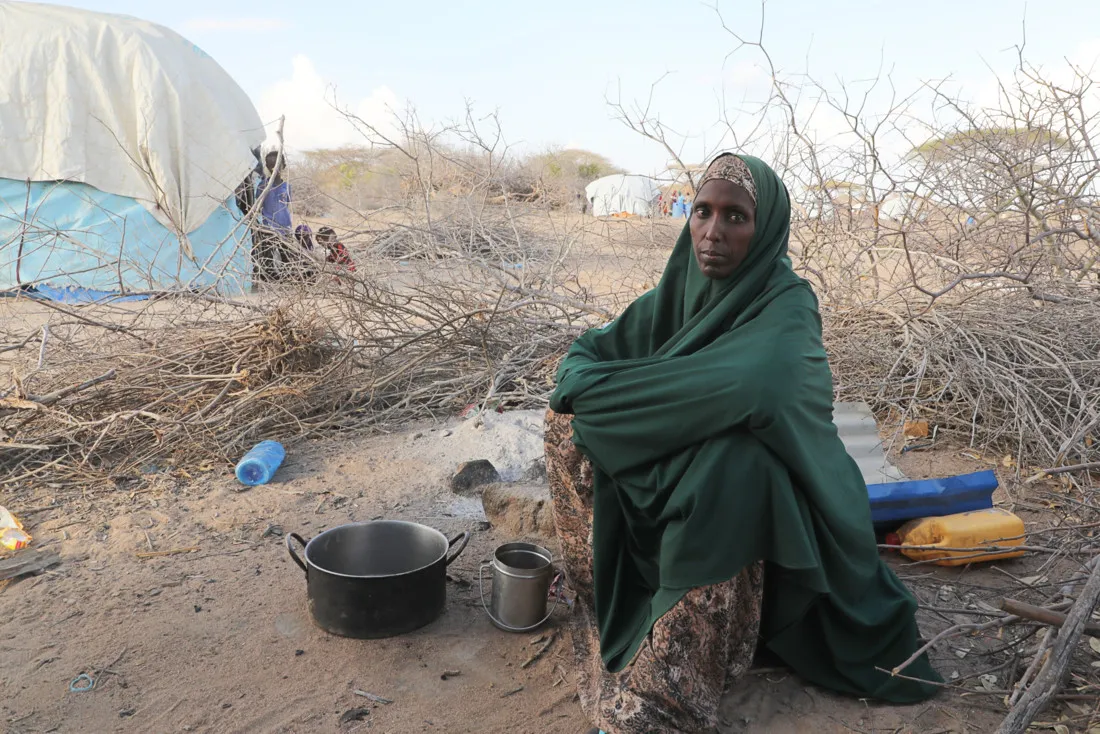
A Somali woman wearing a green shawl and patterned dress sits on the ground in a dry, sparse area surrounded by leafless branches, with an empty cooking pot and metal cup in front of her and dome-shaped tents in the background.

Photo credit: © 2022 Saddam Mohamed / CARE

Hunger in Somalia

Somalia: Hunger soars and funding falls

May 12, 2025

Amid one of the worst hunger crises globally, Somalia’s humanitarian situation continues to deteriorate as funding decreases.

Ummy Dubow, CARE Somalia Country Director, said:

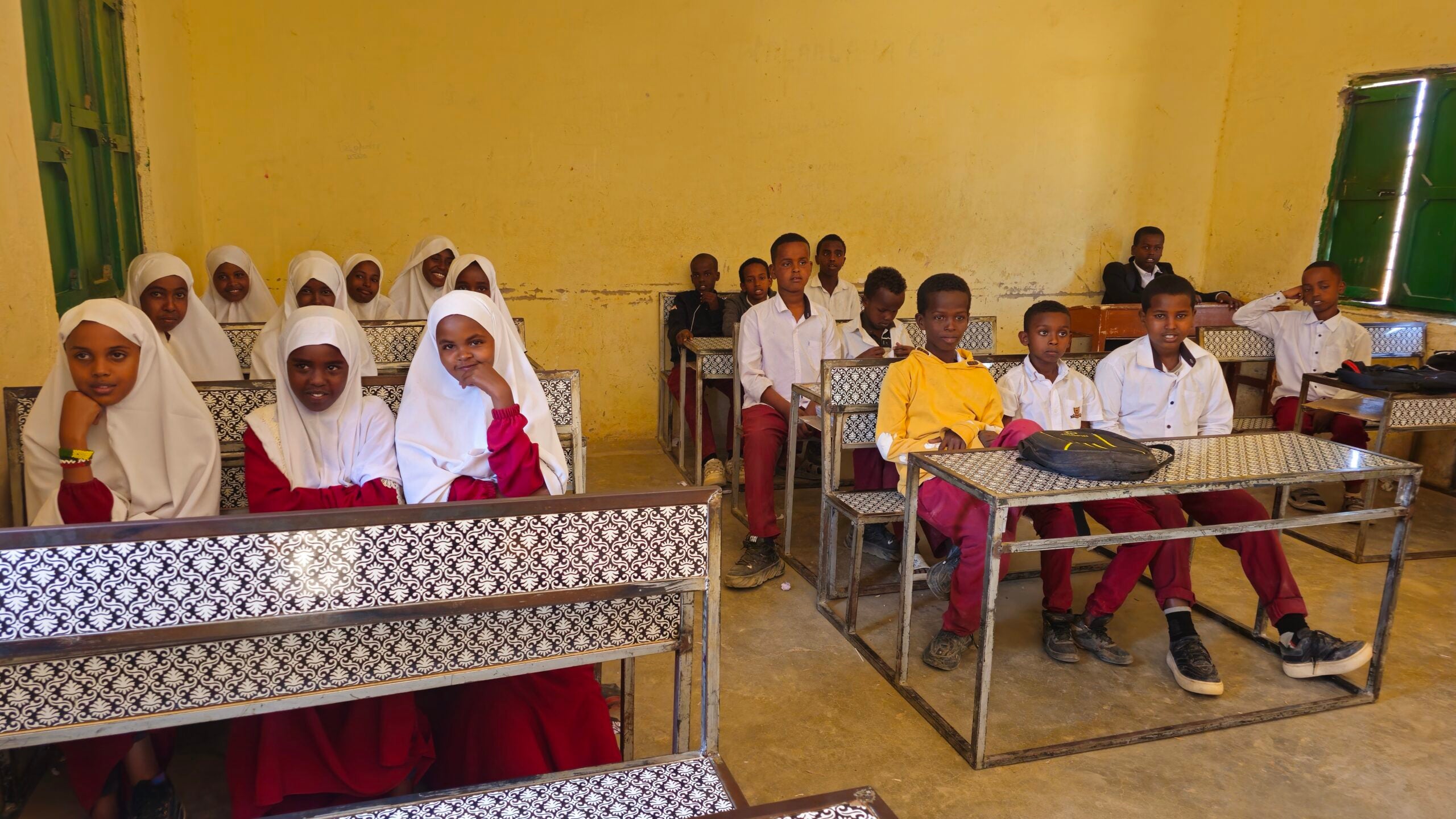
“Every day, we hear countless human tragedies in the centers we run. Pregnant women sacrificing their nutrition, mothers watching their children waste away from acute malnutrition, and young girls being pulled from school to help families survive. Without adequate food, health, and nutrition programs, the burden of disease and death among women and children will rise sharply. The already overstretched and under-resourced facilities will buckle under increasing needs, and lives will be lost.”

Read the full press release

How you can help

Help CARE respond to emergencies. CARE is there delivering lifesaving aid and defending the lives of families in crisis.

Donate now
Current emergencies

About the crisis in Somalia

Terminations of U.S. government-funded projects have had a significant impact on essential services, affecting critical food distribution activities, health facilities, and halting critical nutrition and WASH programs, with many health and child protection services being scaled back.

A cycle of drought and floods has brought Somalia to the brink of famine

An estimated 6.9 million people – nearly two out of five Somalis – need humanitarian support and 4 million people – 21% of the population – are faced with severe food shortages in the country. The 2020-2023 drought, considered the most severe in four decades, brought the country to the brink of famine resulting in an estimated 43,000 deaths. The drought was followed by heavy flooding caused by the Deyr rainy season exacerbated by El Niño from October to December was the worst seen in decades, contributing to the worsening humanitarian situation.

Somalia’s population is battered by climate extremes, with the worst drought in decades followed by the most extensive floods in generations within just a few months. Following four consecutive failed rainfall seasons, floods affected more than 2.5 million people, inundating over 1.5 million hectares of farmland. The floods damaged or destroyed critical water, sanitation, health, education, and logistics infrastructure, threatening to reverse modest gains from infrastructure investments in previous years.

Climatic shocks and conflict displaced a record 2.9 million people in 2023 alone. Many people who fled their homes – 2.3 million, or 75% of the population – were displaced by climate shocks. Women and girls are the majority of the displaced population, and this has exposed them to increased risks of abuse.
Hunger in Somalia


1.8m

Somali children will be severely malnourished in 2025.

As needs accelerate daily, it’s expected this number will rise.

30%

of Somalia’s population requires urgent humanitarian assistance.

People face ongoing drought, floods, food insecurity, conflict, and more.

Somalis face hunger, malnutrition, and poor healthcare

Almost two-thirds of the displaced households have no access to clean water, and this has led to an outbreak of acute diarrhea and cholera with over 123 deaths recorded in the first six months of 2024.

A staggering four million people suffer from acute hunger and malnutrition. Internally displaced people are in most severe need. Projected below average rainfall, La Niña during the last quarter of 2024 through to 2025 in the Horn of Africa will further worsen the hunger situation in Somalia.

Approximately one-and-a-half million children under the age of five are expected to suffer from acute malnutrition through 2024 without immediate action.

People struggle to physically access healthcare and to pay for it. The Somali health system remains weak, disrupted by decades of conflict and inadequate investments in infrastructure, maintenance, and technical personnel. Somalia ranks among the lowest in health security globally, as its morbidity and mortality levels continue to be among the worst worldwide.

The top three barriers to accessing healthcare in Somalia are: absence of a functional health facility, unaffordability of treatment or medicines, and lack of required medicines, treatment, or services.

From hunger to hope

How to help Somalia: What CARE is doing

Recent CARE assessments have shown the specific impacts of the drought conditions as well as of the El Niño of October-December 2023 on women and girls. Violence against women and girls, including sexual violence, has increased during the pandemic and CARE supported survivors with clinical and psychosocial support. Prevailing drought, armed conflict, and floods have exacerbated displacement of women and girls in Somalia, further driving them into deprivation, poverty, and a sense of helplessness.

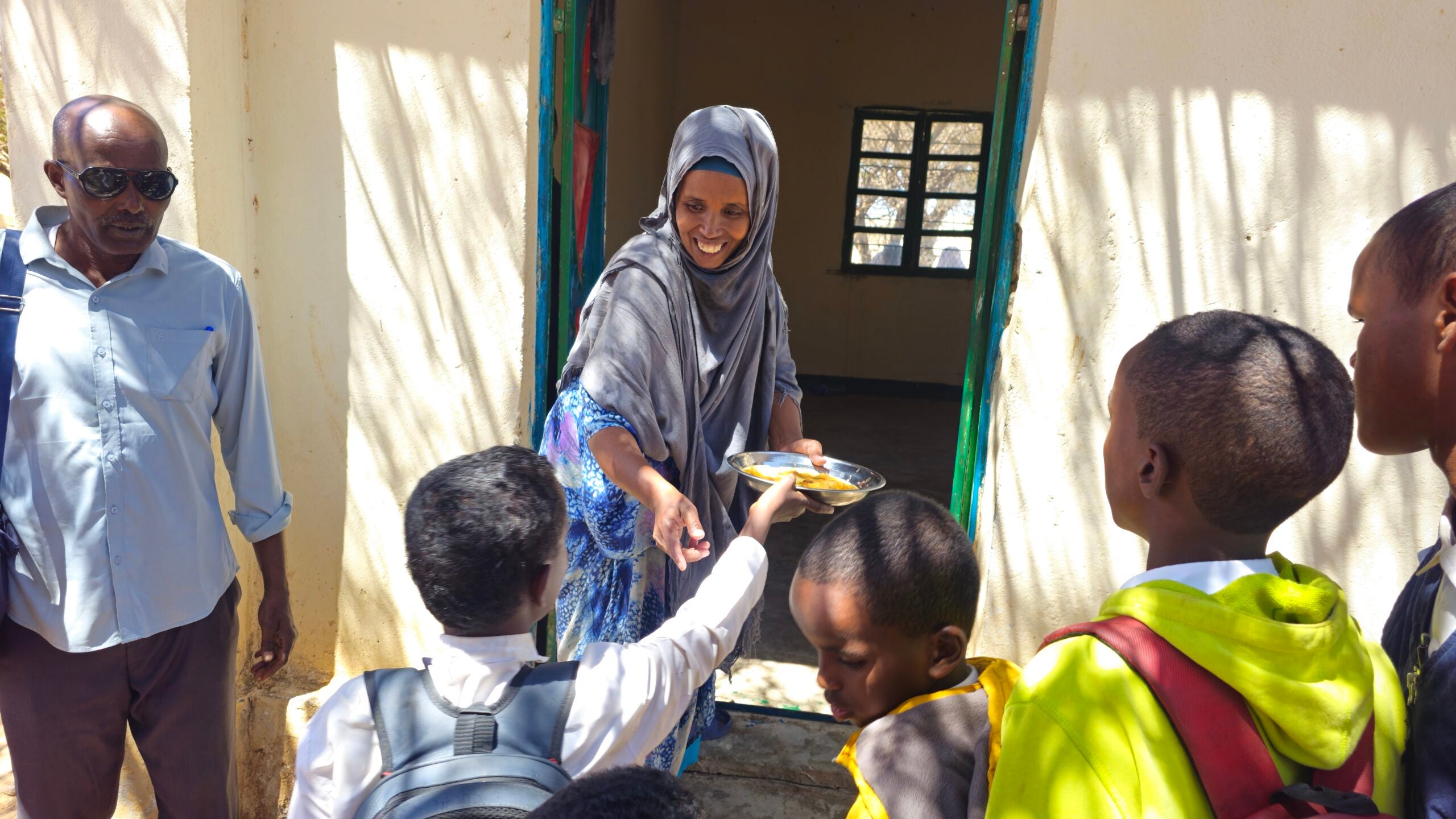
CARE has adopted a multi-pronged approach to ensure the interventions address the diverse needs of the populations affected and make our programs more impactful. CARE is supporting communities with water and hygiene, nutrition, and cash to assist to cover immediate food needs. CARE is also providing primary health services, feeding programs for infants and children, and treatment for those with moderate and severe acute malnutrition.

CARE has been providing emergency relief and lifesaving assistance in Somalia since 1981. Our main program activities have included projects in water, sanitation and hygiene, health/nutrition, cash and voucher assistance, protection for women and girls facing violence, education in emergencies, small-scale enterprise development, and vocational training. We work in partnership with national and international aid agencies, UN agencies, civil society leaders, and local authorities.