Futures on hold: How funding cuts put Nepalese girls at risk of early marriage

By Amit Pradhan, Rabindra Kumal and Hillol Sobhan December 3, 2025

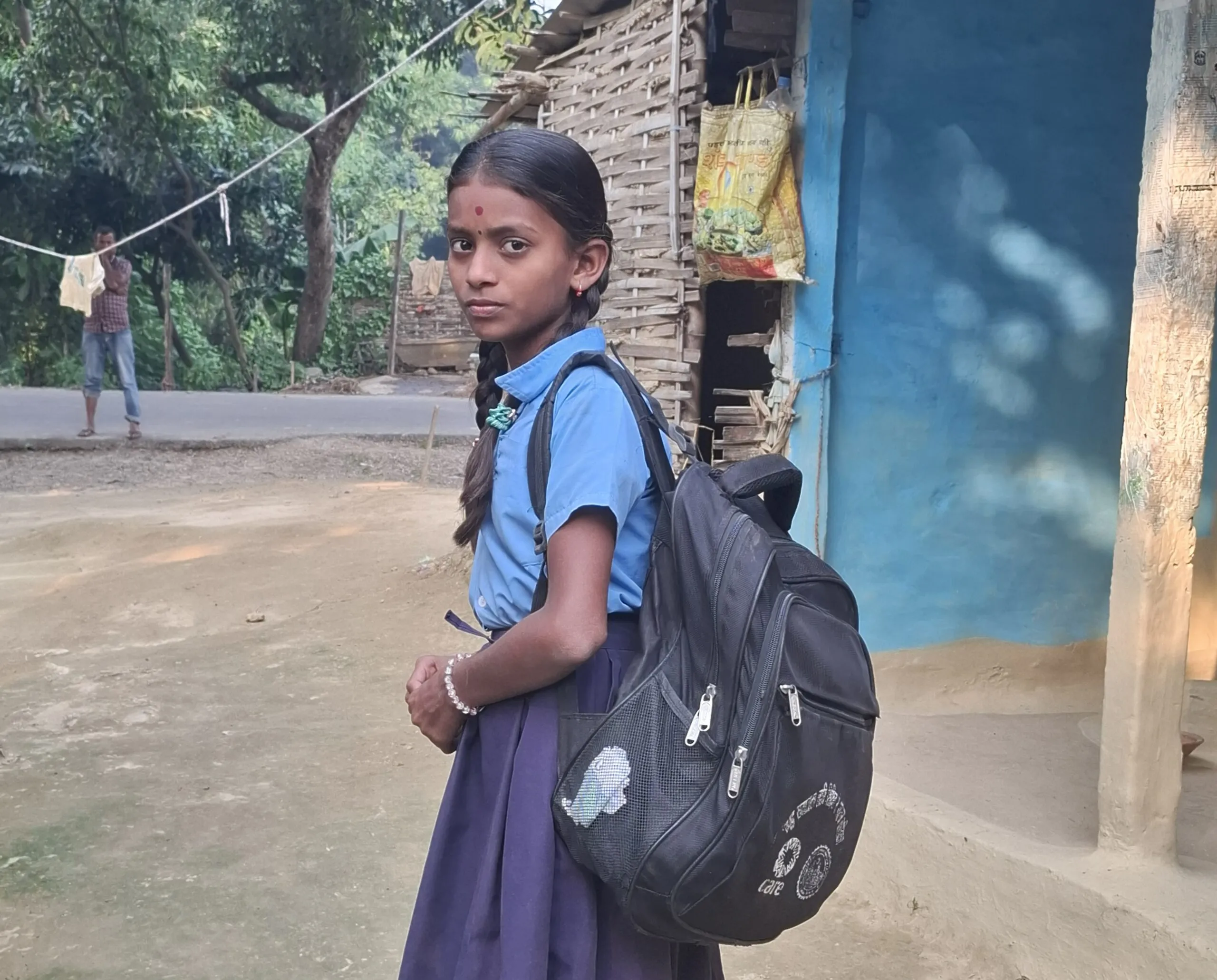
Adolescent Nepalese girl in school uniform with a large black backpack, standing outside a rustic home.

UDAAN gave adolescent girls in Nepal a vital second chance at education — preparing those who had dropped out or never attended school for mainstream learning. But sudden funding cuts now threaten to derail their progress and futures. Photo: CARE Nepal

"I am scared that without the classes I will not be able to continue my education and might be forced to get married soon.”

Want more stories like this?

Sign up for the CARE News & Stories email newsletter to find out more about what’s happening around the world through vibrant, engaging stories that put humanity at the center.

Subscribe

Twelve-year-old Radhika Yadav wasn’t talking about a distant possibility. The fear was immediate and real. She had reason to worry.

In Nepal, where 5 million girls are child brides, with 1.3 million married before age 15, education isn’t just about learning — it’s about survival.

For girls like Radhika — from underserved communities including the Musahar, Dalit, and religious minorities in Madhesh and Lumbini provinces — access to education is especially scarce. One program that offers a rare lifeline is UDAAN, a Nepalese word meaning “flight” or “flying high.”

UDAAN, also known as SOAR in other countries, is CARE’s specially designed education program for girls ages 10 to 14 who have never attended school or who have dropped out early. Through an intensive 11-month curriculum, it gives them a second chance to transition into formal public schools. Operating across 13 learning centers, the program provides education, leadership and life skills, academic support, and practical services that keep girls enrolled. UDAAN also gives girls a chance to delay or avoid early marriage, because quality education enables girls to make informed decisions about their lives.

Radhika had finally found her place. After years out of the classroom, the UDAAN center provided the refuge she needed, a place where she built friendships, gained confidence in her abilities, and reignited her excitement for learning.
What was lost

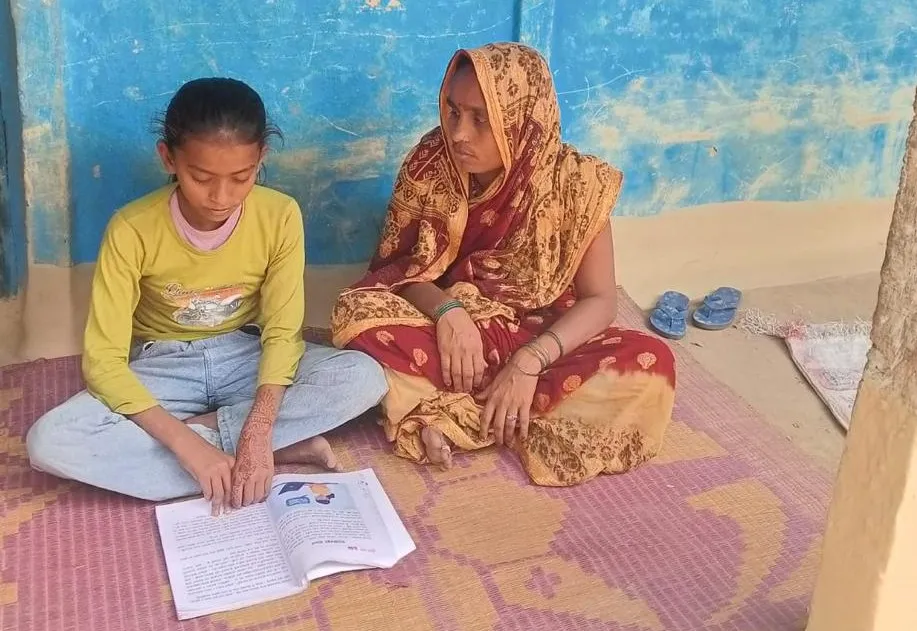
Radhika and her mother, Sundar Kala, sitting on a mat outside a blue house, with Radhika reading from an open textbook.
For girls in Nepal, the abrupt end of education doesn't just halt learning; it increases the risk of early marriage. Photo: CARE Nepal

Now, that lifeline was gone.

Funding cuts terminated the program overnight. The classroom doors closed. The learning stopped. And for 307 girls like Radhika, everything changed. “Before, I was learning new things every day. I was excited about going to school again,” Radhika says. “But now, I feel lost.”

“My daughter learned to read, write, and count. She could speak up for herself, take care of herself. She became so confident,” says Radhika’s mother, Sundar Kala. “When UDAAN closed, I was heartbroken. Now she’s back home doing chores, losing all that confidence. Without education, the risk of early marriage looms large.”

This mother’s fear reflects a harsh reality. In rural Nepal, girls from households with little or no formal education face significantly higher risks of school dropout due to child marriage and early pregnancy. Early marriage is one of the primary factors preventing girls from continuing their education. This is especially true when girls are moving from one grade to the next.

The high stakes of dropping out

The statistics paint a grim picture. Two-thirds of students in Nepal drop out by grade 12. Girls face even higher rates due to early marriage, economic hardship, socio-cultural pressures, and parents’ reluctance to invest in their education.

For girls who drop out, consequences extend far beyond lost education. A UNICEF study documents one in three married girls in Nepal experiences sexual violence by their husbands, while one in six report physical violence.

The health risks are equally severe. Just over one in eight Nepalese women had babies before age 18. Early pregnancy increases maternal and child mortality and can cause complications like uterine prolapse and obstetric fistulas — conditions that carry lasting consequences: social stigma, disability, and death.

For girls in disadvantaged communities, the risks multiply. These are families surviving on daily wages, where sending children to school means sacrificing immediate income. Often, every member must earn to survive. When resources are scarce, boys’ education usually takes priority. This leaves daughters susceptible to early marriage and trafficking to India or the Gulf States, where they may be forced into domestic servitude or other exploitative labor.

A race against time

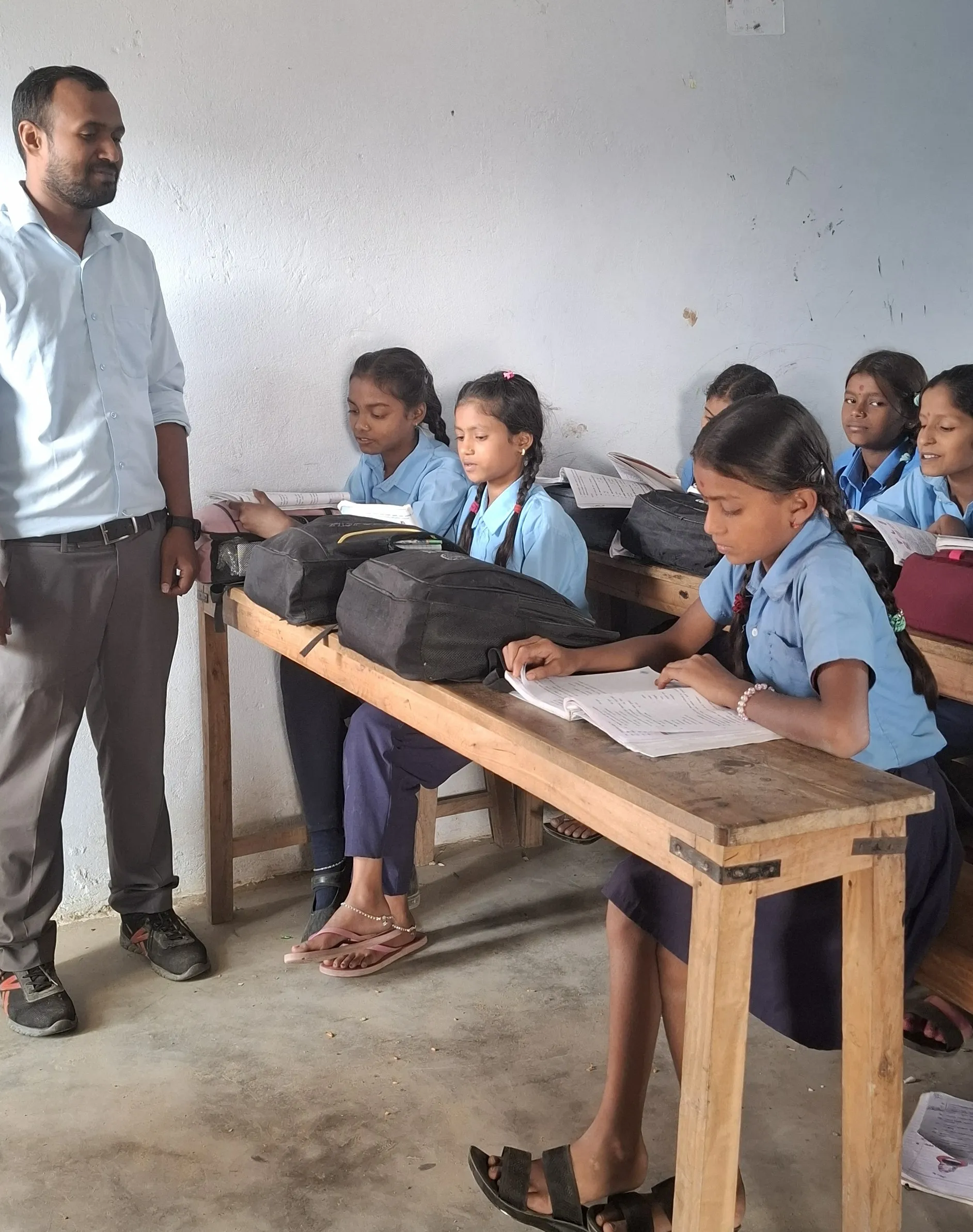
A male teacher stands in a basic classroom watching several schoolgirls in blue uniforms sitting at wooden desks and writing in their notebooks.
CARE rapidly mobilized emergency stopgap funds to reopen UDAAN centers within just two months. Photo: CARE Nepal

CARE and local partners knew they had no time to waste after funding cuts took effect. Families were already discussing marriages. Girls were retreating into their homes. The window to save UDAAN students was closing fast.

CARE immediately mobilized emergency stopgap solutions. Within two months of the abrupt closure, UDAAN centers reopened — but only with short-term funding sufficient for two additional months of operation.

Radhika seized the opportunity, returning to the UDAAN center with renewed determination. Upon completing the UDAAN program, she enrolled in Grade 6 at a regular school — a transition that required careful coordination between the program team, school management, and her family.

Building a support system

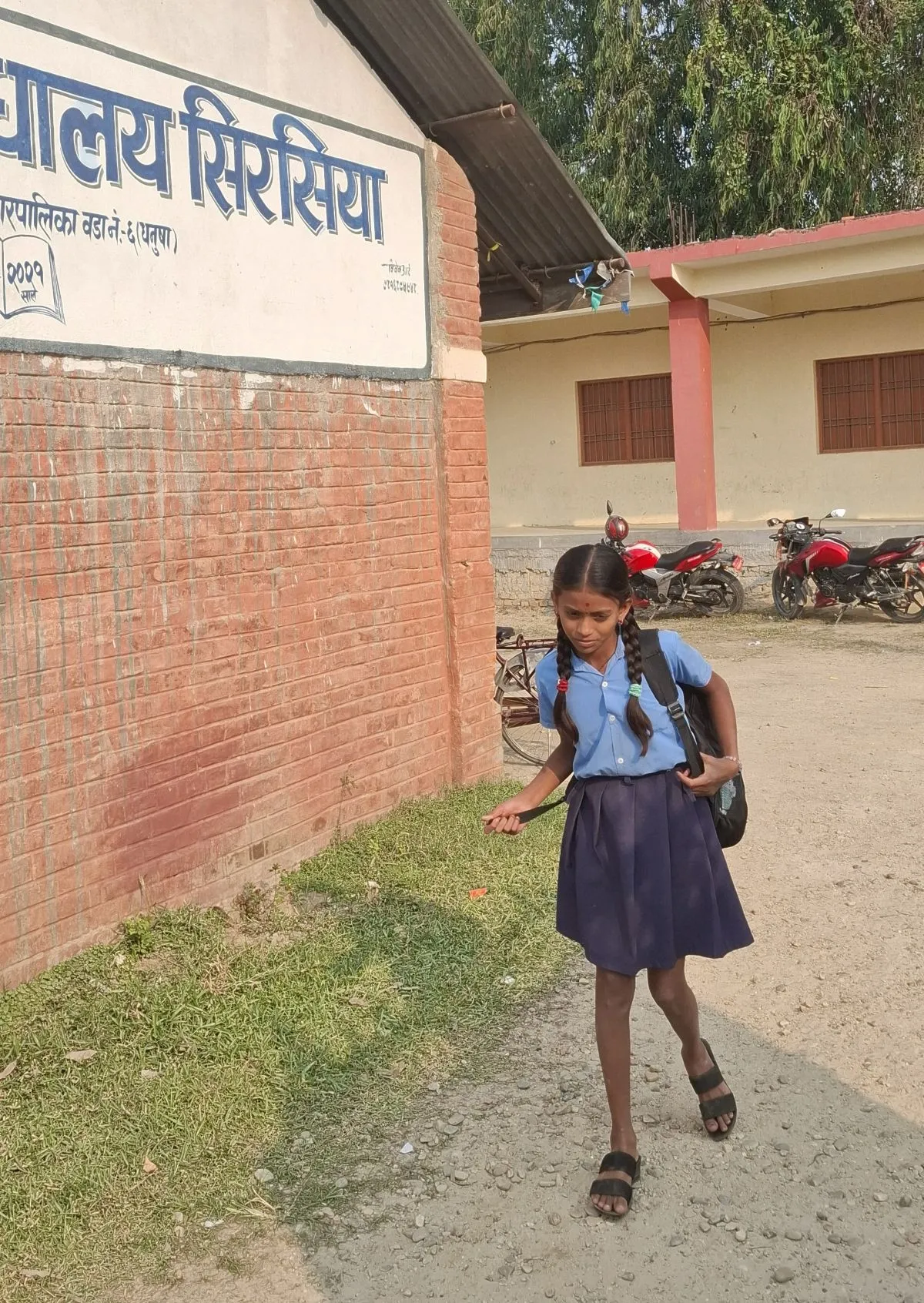
A young schoolgirl in a blue uniform and braids walks toward the entrance of Shree Secondary School, Sirsiya, carrying a backpack.
Beyond enrollment, UDAAN built a comprehensive safety net for Radhika and other girls. Photo: CARE Nepal

Getting Radhika back into the classroom meant far more than enrollment. CARE understood that without comprehensive support, the risk of dropout remained acute.

The program provided school supplies, a uniform, a school bag, and hygiene materials — eliminating financial barriers her family could not otherwise overcome. But the support went deeper.

The UDAAN team also briefed the teachers at Radhika’s new school on her learning level, past challenges, and dropout history. They learned about her family’s financial struggles and were trained to provide personalized support without adding pressure. At home, her parents designated her study space, signaling their commitment to her education. Neighbors, seeing Radhika’s determination, began offering encouragement.

These practical supports created a safety net for Radhika. Once at high risk of early marriage, she now focuses on her studies — with her parents actively monitoring her progress. She still helps with household chores during free time, but the pressure to marry has lifted.

Changing minds, not just circumstances

Material support alone couldn’t sustain lasting change for girls like Radhika. The community needed space to reflect on the long-held beliefs and attitudes that lead many girls into early marriage. CARE facilitated this through Parenting Social Analysis and Action (PSAA) sessions — community discussion sessions where parents and community members engaged in open, honest, and sometimes difficult conversations about traditional beliefs and expectations that shape girls’ lives. These sessions focus on issues such as equality for women and girls and their right to education.

While CARE provided space and structure, families led these discussions and worked collectively to create change. Through conversations, parents began seeing their daughters differently — not as economic burdens to marry off, but as individuals with potential.

The combination of classroom support and conversations to shift attitudes created powerful change. Girls gained practical tools to stay in school, while their families gained new perspectives on why they should.

The broader crisis

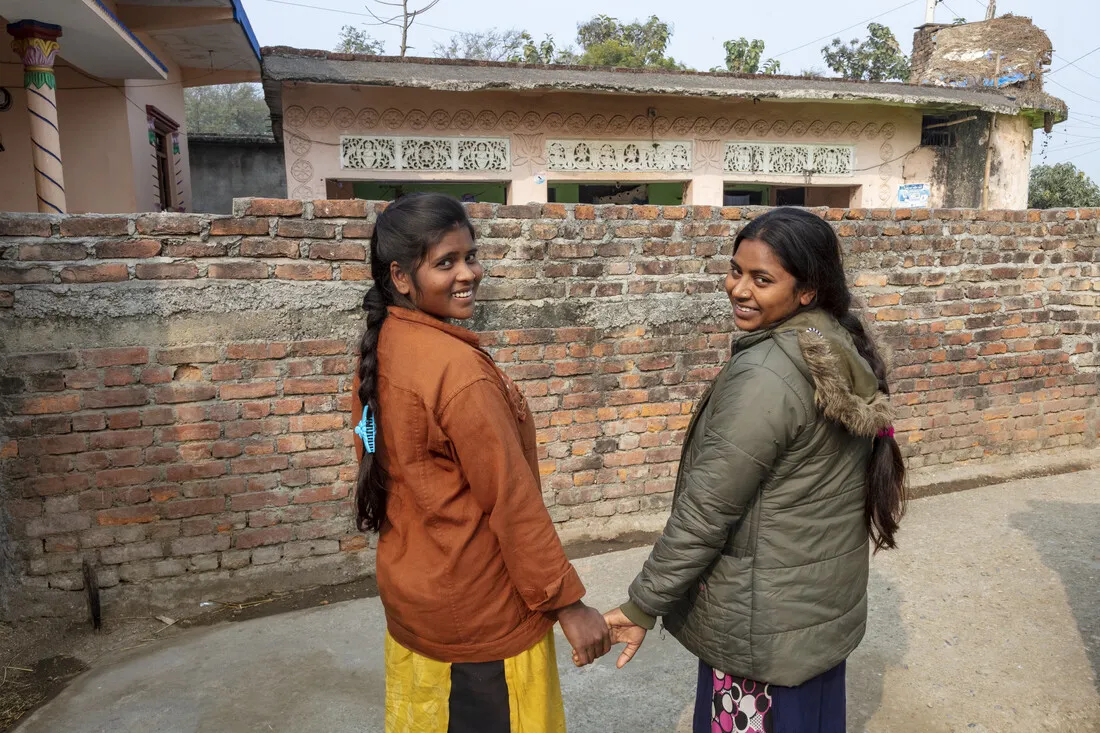
Two young Nepalese girls, smiling and holding hands, stand in front of a weathered brick wall and traditional village buildings.
Amidst devastating global aid cuts that halted essential programs like UDAAN, adolescent girls especially from disadvantaged communities in Nepal now face dramatically increased risks of school dropout, child marriage, and early pregnancy. Photo: Laura Noel/CARE

The UDAAN closure isn’t isolated — it’s part of a devastating global aid crisis. Globally, 83% of USAID programs were cut, while Nepal alone lost $329 million in funding, forcing 300 organizations to suspend programs and critical services.

For adolescent girls from disadvantaged communities in Nepal, the impact is devastating. With the suspension of UDAAN and similar programs, girls lost lifelines to essential health and education services. Families already struggling financially are now unable to make ends meet. The risks of school dropout, child marriage, early pregnancy, and violence against women and girls have all have surged.

Archana Mahato, a UDAAN facilitator, warns that closing the program is “a risk to the girls’ safety.” Without it, “we are likely to see an increase in child marriage and violence against women and girls, as the girls will no longer have the support and guidance they need.”

The program’s termination hasn’t just disrupted education — it has significantly weakened community-based efforts to prevent child marriage, violence against women and girls, and trafficking. Years of progress in girls’ empowerment, safety, and education now stand at risk of being undone.

A fragile victory

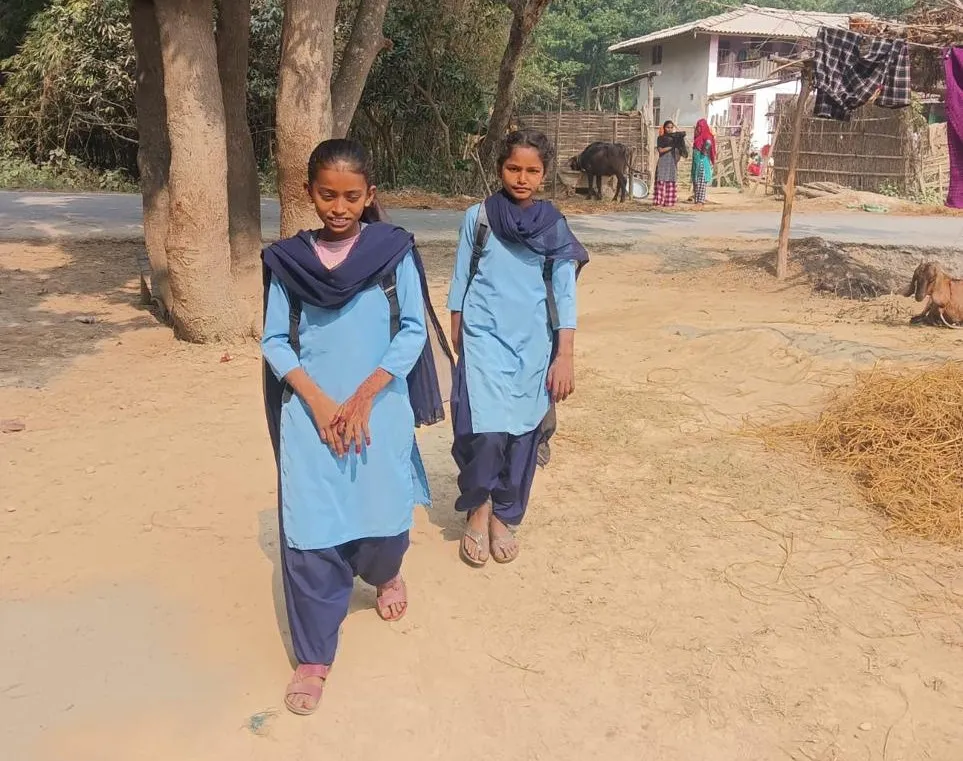
Two schoolgirls, including Radhika, wearing blue uniforms and carrying backpacks, walk along a dusty village road.
To safeguard the fragile futures of girls like Radhika, we must act now to replace emergency support with sustained, long-term funding for life-changing educational programs. Photo: CARE Nepal

The funding cuts stripped more than 300 girls of their chance at safety, independence and a better life. Without immediate action, they would face futures dictated by poverty and exploitation rather than their own choices.

Emergency support from local partners and CARE USA temporarily reopened UDAAN centers, enabling 282 of 307 girls to transition into formal schools — a hopeful outcome that demonstrates the power of rapid collaboration. But it’s also a sobering reminder: Short-term fixes cannot replace sustained funding and policy support.

Radhika is back in school — for now. Her parents are committed to her education. Teachers are supporting her progress. Community members are cheering her on. Yet the safety net remains fragile, held together by emergency funds and collective determination rather than stable, long-term investment.

“As global pressures threaten to shrink the aid that keeps hope and possibilities alive, Radhika’s story serves as both a reminder and a call,” says Mona Sherpa, CARE Nepal’s country director.

“It urges us to ask not just how many girls may lose their chance at education, but how many of us will choose to act so no dream is crushed. This is the time to come together, to do what we can from where we stand, so that programs like UDAAN — programs that uplift, protect, and transform lives — can continue turning possibility into reality.”

Stand up for lifesaving aid

U.S. funding cuts are shutting down the programs families rely on to survive. Sign our petition and tell Congress to protect funding that saves lives and builds stronger futures.

Sign now.
Back to Top