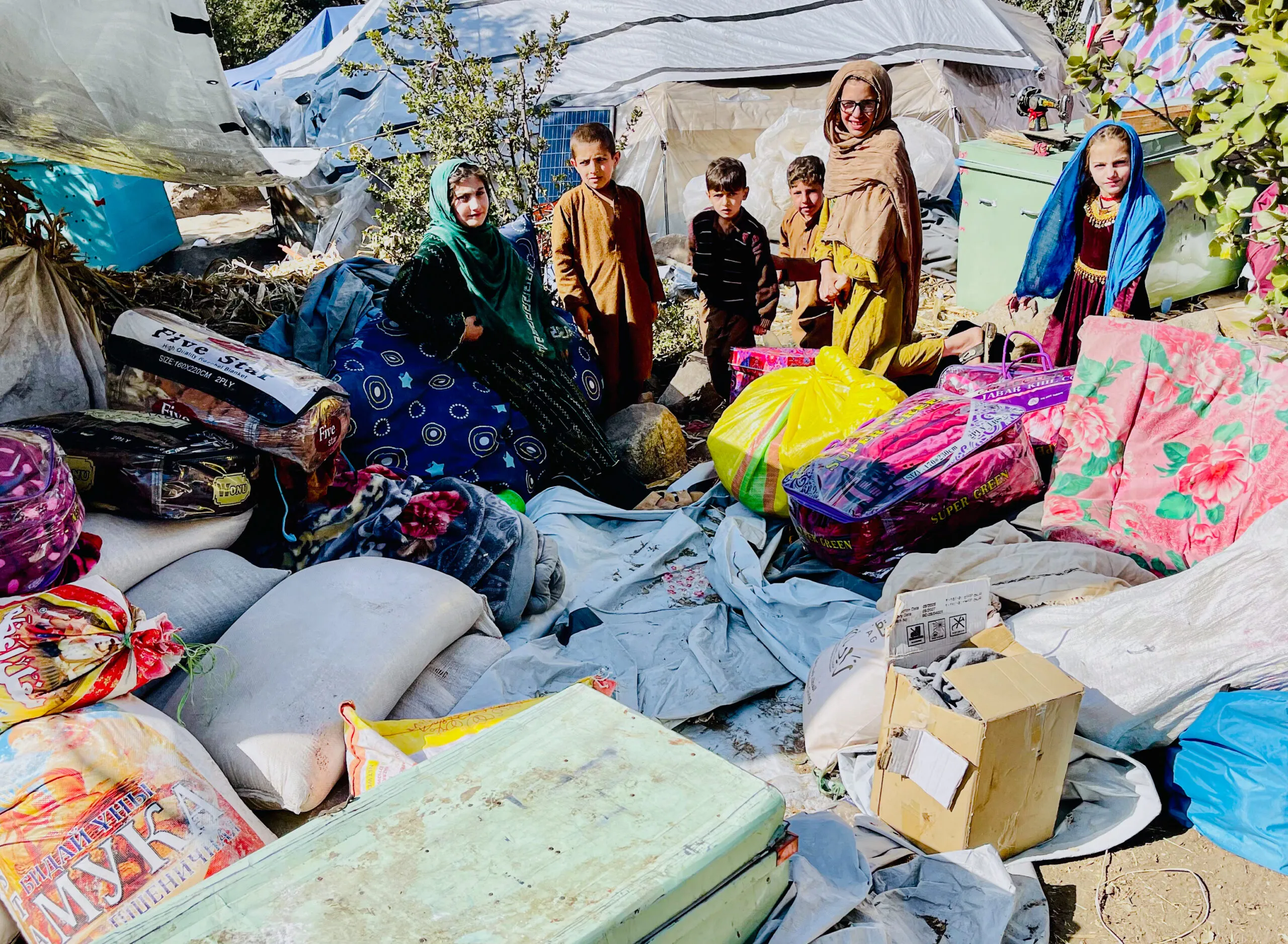
19 March, 2026 – CARE is deeply concerned by the growing humanitarian needs in Afghanistan following the significant escalation in hostilities in the eastern part of the country, which have forced thousands of families to flee their homes. Communities across several provinces have been affected, with women and children accounting for more than half of reported casualties, highlighting the devastating impact of the crisis on women and girls.
Initial humanitarian assessments indicate that more than 160,000 people have been displaced and are in urgent need of food, safe shelter, clean water, healthcare, and protection services.
“The situation is extremely worrying for civilians who have already endured years of crisis,” said Mohammad Akmal Shareef, Country Director of CARE Afghanistan. “Many of the families now fleeing their homes had only recently begun rebuilding their lives after returning to Afghanistan from Pakistan or after having lost everything in the devastating earthquake last year. Women and girls are the hardest hit in these situations. Displacement increases risks for them, limits access to healthcare and protection services, and places additional pressure on women who are already carrying the burden of caring for their families during crisis.”
Living in the areas affected by the latest hostilities are around 7,000 families who are still displaced following the 2025 earthquake. Millions more Afghans have recently returned from neighbouring countries, putting immense strain on an already fragile economy.
The violence is escalating in communities already facing extreme humanitarian need. Nearly half of Afghanistan’s population, around 23 million people, already needs humanitarian aid, and this crisis will further worsen the challenges people are facing. Following global aid cuts last year, the humanitarian response in Afghanistan remains critically underfunded, putting lives at risk.
People are in urgent need of multi-purpose cash assistance health services, and psychosocial support. Flexible cash assistance remains a critical and dignified form of support, enabling vulnerable returnee women, particularly female-headed households, to meet their most immediate and self-identified needs such as food, shelter, clothing, sanitary and baby supplies, and transportation.
CARE teams and local partners are monitoring the situation closely. As the situation evolves, there is a critical need for timely support to minimise the impact of the hostilities on civilians.
For media inquiries, please email usa.media@care.org or contact Mudabbir Maajid, Asia Regional Communications Coordinator Email: mudabbir.maajid@care.org