Michael Adams, CARE Lebanon’s Country Director, describes the devastating impact of the recent airstrikes on civilians and the escalating urgency for a ceasefire and expanded humanitarian assistance.
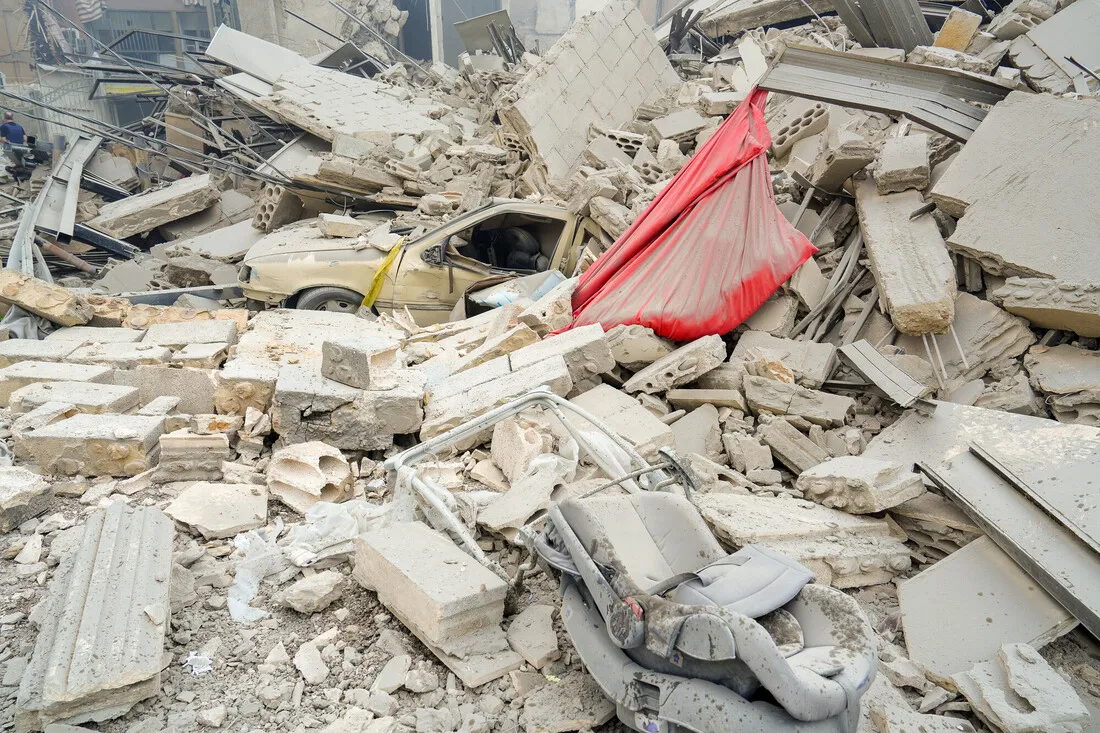
“All the traumas Lebanon has suffered over the past fifty years are being awakened. What Lebanon endured on Wednesday April 8 was carnage: in less than ten minutes, more than 250 people were killed and over a thousand injured in the largest wave of Israeli strikes since this conflict began. Civilians, children, and families were struck down in the heart of the capital [Beirut] and beyond. Our demand is absolute and unequivocal for an immediate and lasting ceasefire. All parties must uphold their obligations under international humanitarian law. Protecting civilians, civilian infrastructure, and humanitarian personnel is not a choice — it is a legal and moral obligation.
Behind the figures are shattered lives. Families fleeing with nothing, displaced for the second or third time, traumatized, and without basic needs. Hospitals are overwhelmed, are critically short of vital medical supplies and medicines, and are unable to cope with the influx of the many injured. A shortage of everything such as water, food, and protection. This comes on top of a humanitarian crisis that already existed, before this deadly wave of strikes, far beyond what the international response was equipped to address. We call on the international community to act without delay: for an immediate ceasefire, for sustained and unimpeded humanitarian access to those critically in need, and for full accountability for any violations of international humanitarian law. The protection of the civilian population is of paramount concern.”