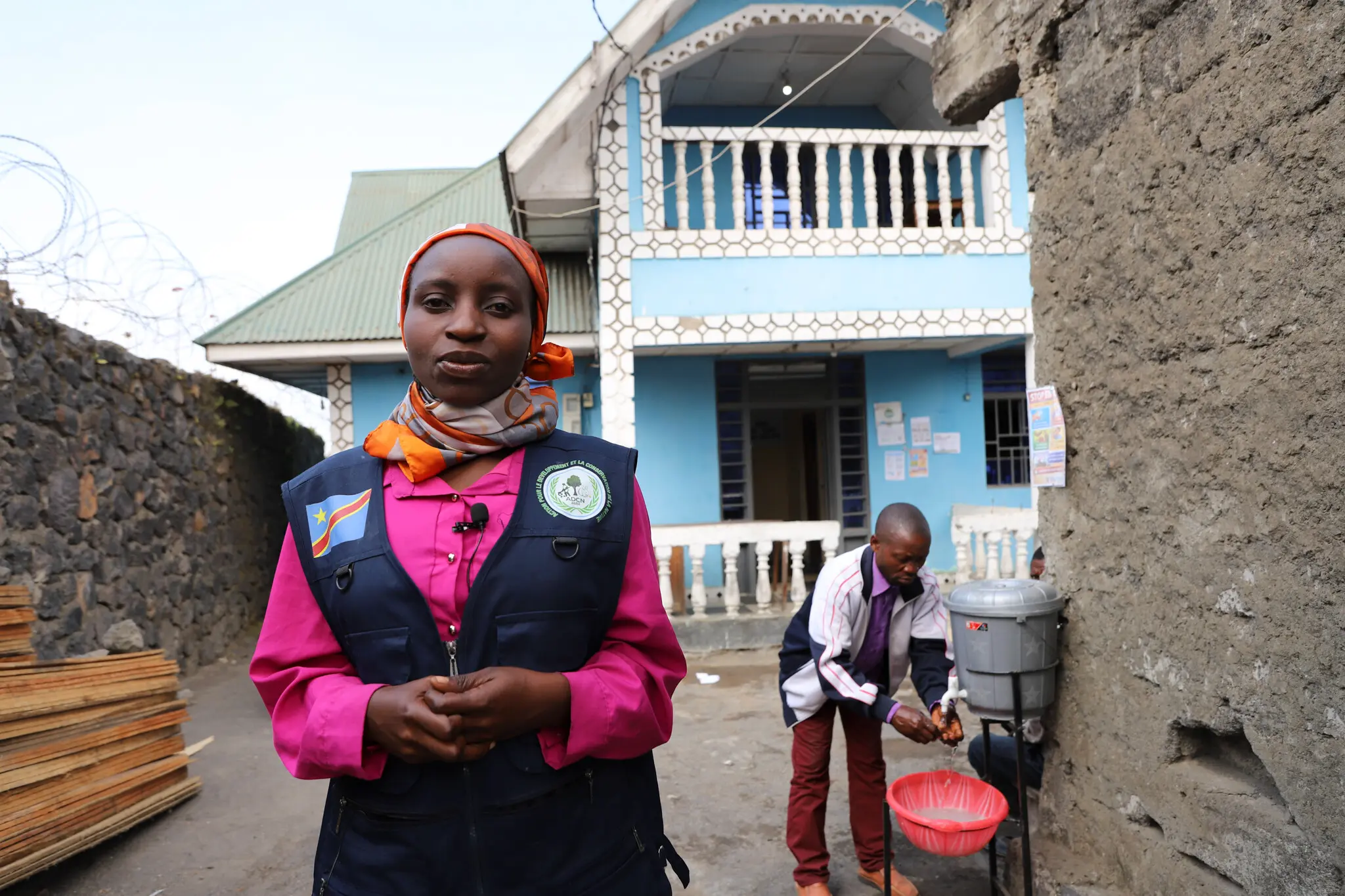
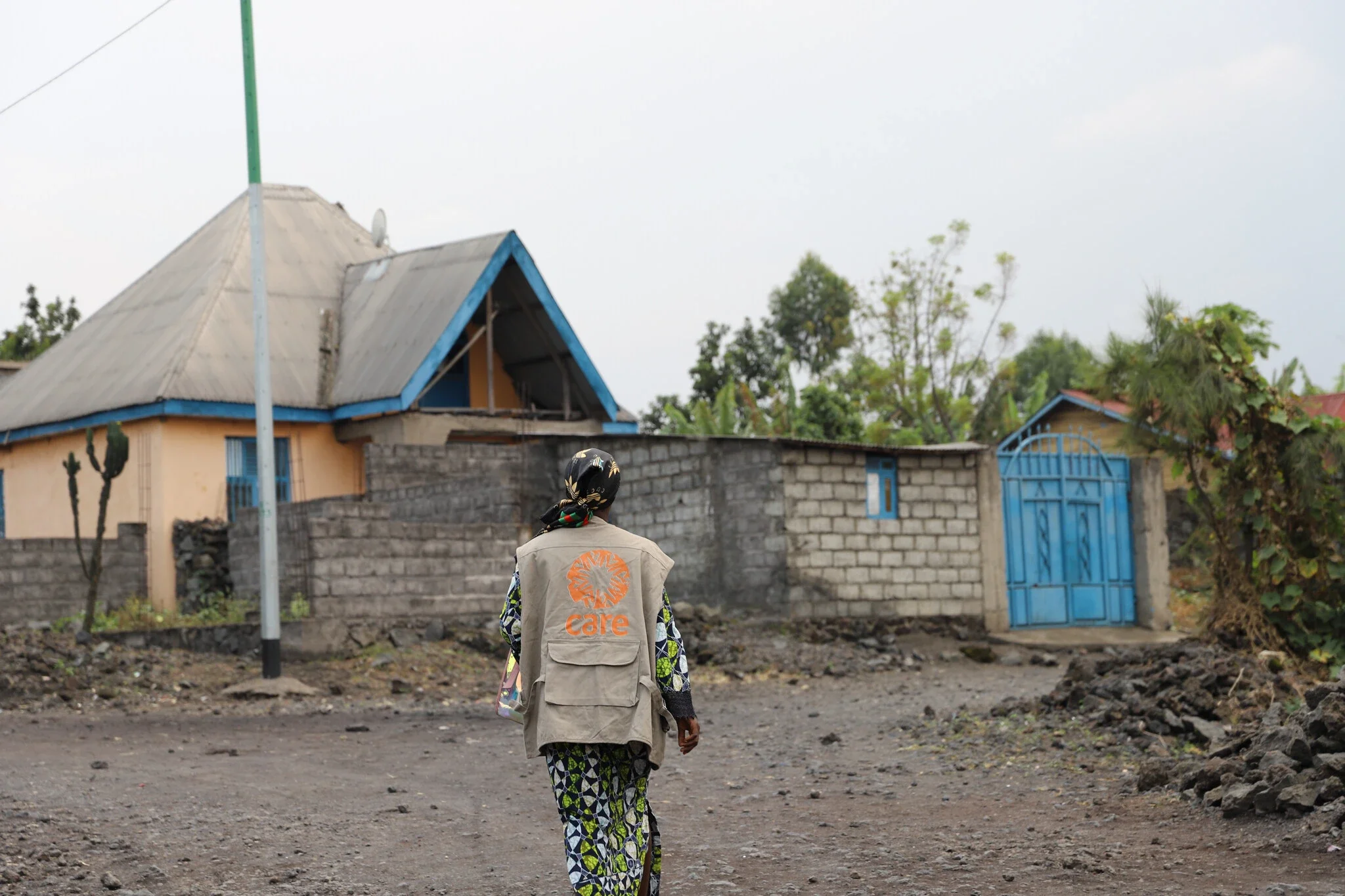
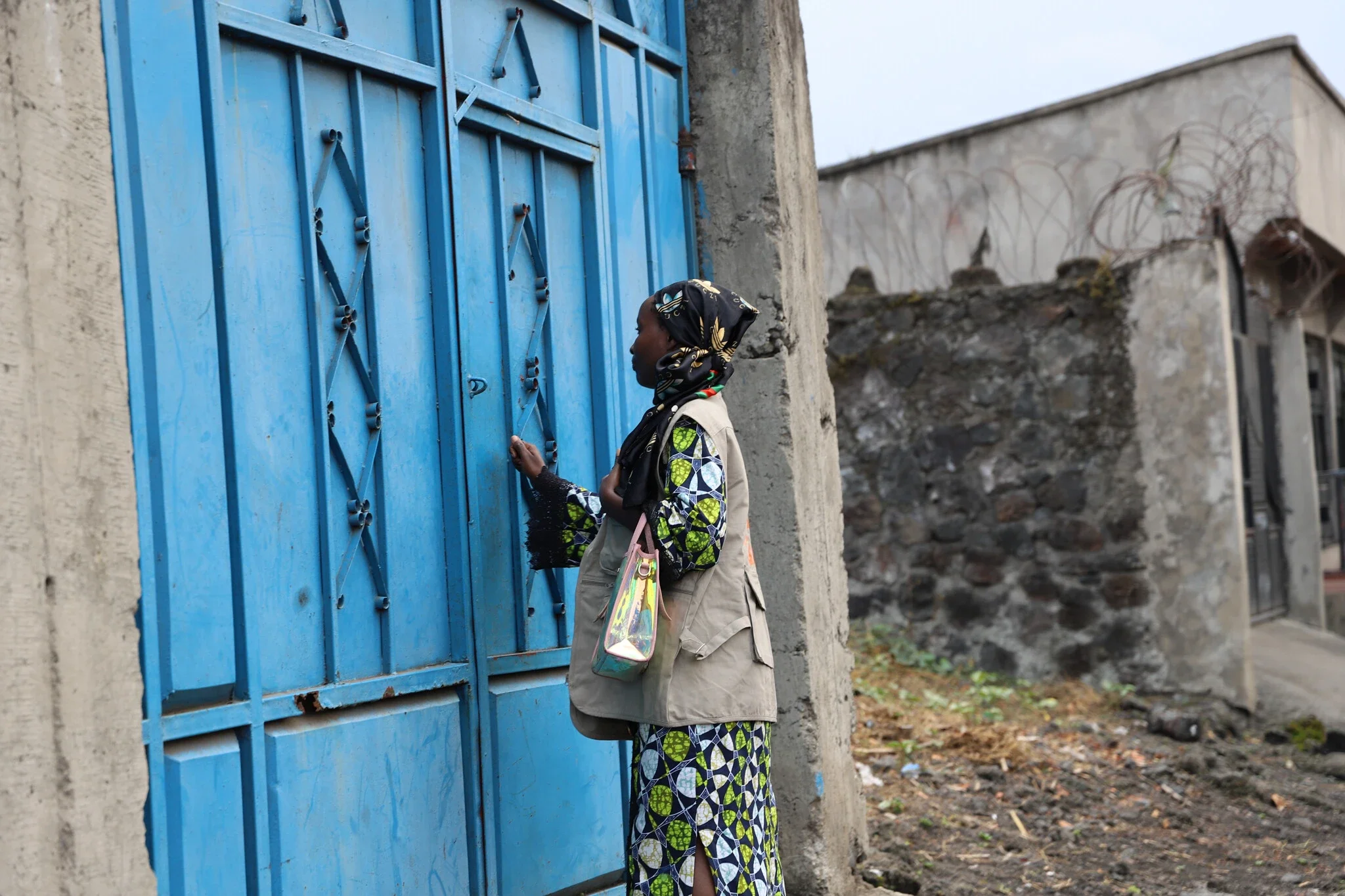
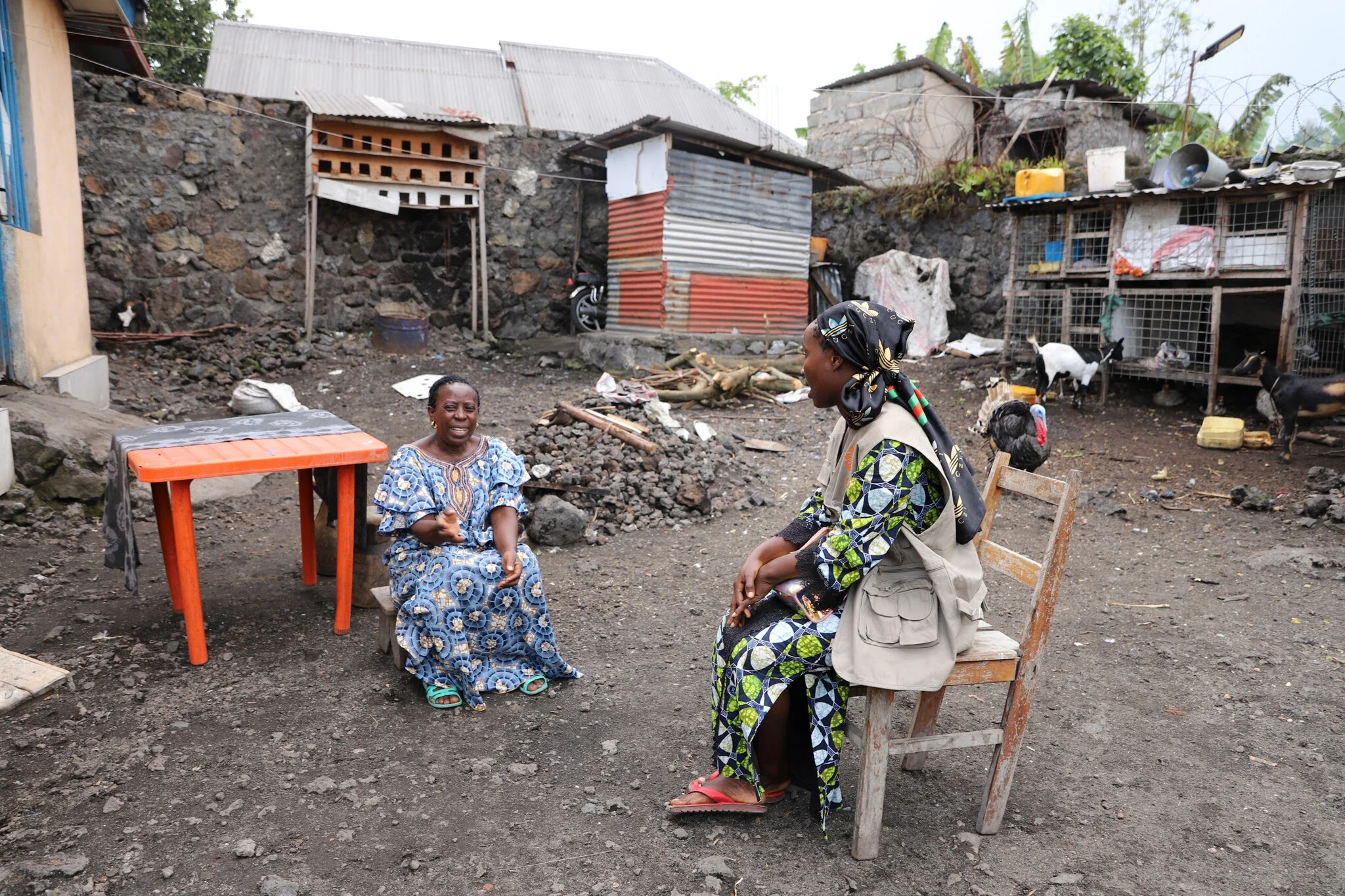
As of publication, CARE-trained community health workers have reached more than210,000 people across North Kivu and Ituri provinces. But more help is needed. CARE is calling for an immediate increase in financial and technical support to strengthen the aid response in DRC and to address the expansive needs communities face, including local and women-led organizations.
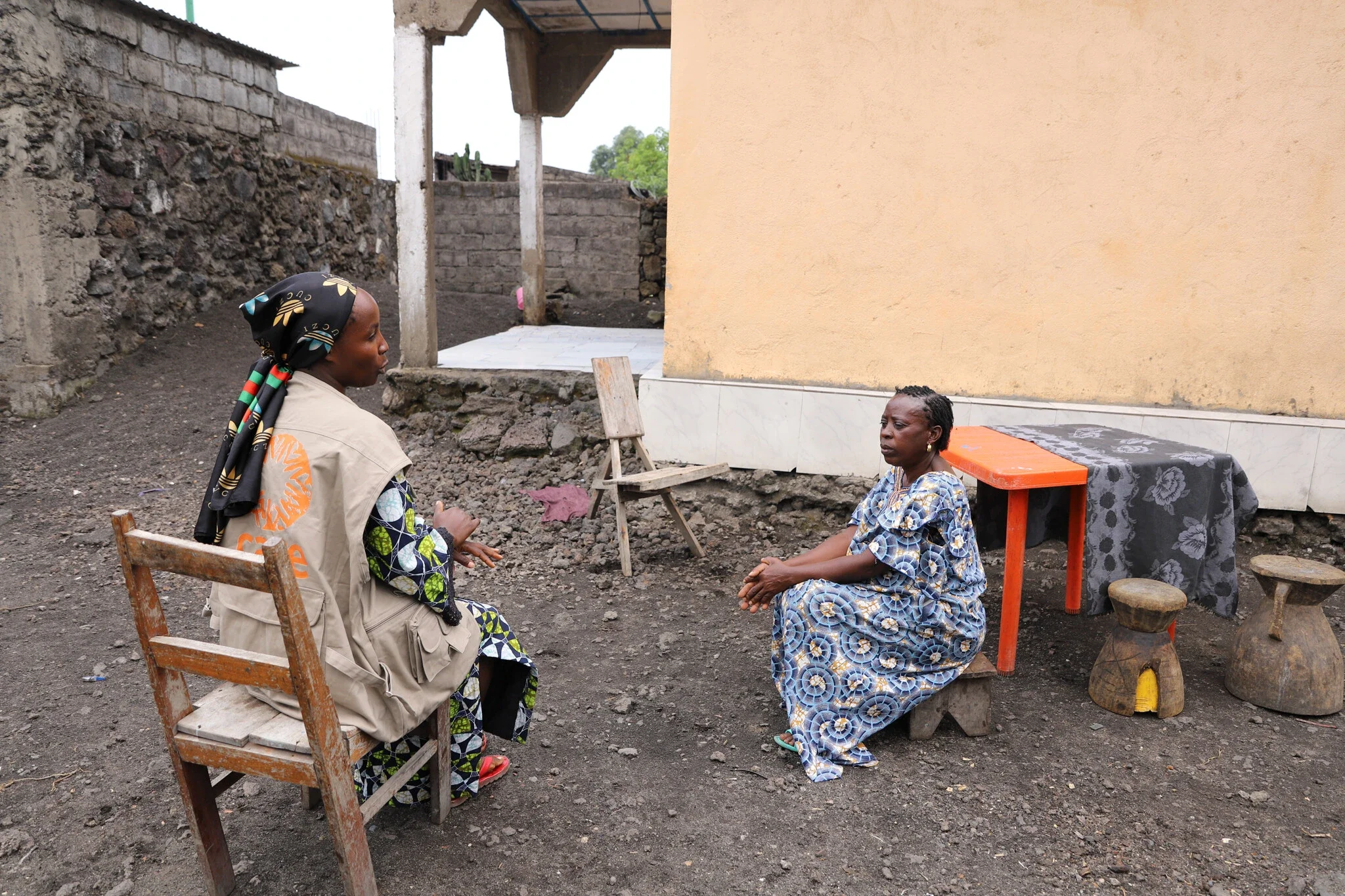
Augustin Akyebe is a project manager with CARE partner, Kujitegemea Actions (KUA), in Sake, North Kivu province. He recently spoke with CARE about how years of conflict and crises are wearing down communities.
“The challenge we currently face is community resistance and skepticism toward Ebola prevention efforts. In Sake, where we are working at the moment, many people believe the disease is no longer a threat. This perception is reinforced by misinformation, rumors, and the fatigue communities have experienced after years of conflict and repeated humanitarian crises.
“This situation has several direct consequences for our work. First, many people become less willing to follow preventive measures such as regular handwashing, avoiding unnecessary physical contact, and reporting symptoms early. Without visible cases, it becomes difficult to convince communities that prevention is still necessary.
“Second, our teams sometimes struggle to gain trust. Some community members perceive awareness campaigns as exaggerated or even question the intentions of humanitarian organizations. As a result, we invest more time in community dialogue, listening to people’s concerns, correcting misinformation, and rebuilding confidence.
“Finally, Sake remains highly vulnerable because it is an important transit hub connecting Goma, Bukavu, Walikale, Rutshuru, Lubero, and other areas. Continuous population movement, including travel from regions where Ebola cases have been reported, increases the risk of introducing the virus. If community vigilance declines, detecting and containing a potential outbreak would become much more difficult.”