Understanding new health risks
Basra, one of Iraq’s largest cities, sits in the country’s south, where summers are some of the hottest in the world. The city is home to more than 1.6 million people, and that number is growing. Extreme heat like this can make it harder for pregnant women to stay hydrated and regulate body temperature, increasing the risk of heat-related illness and other pregnancy complications.
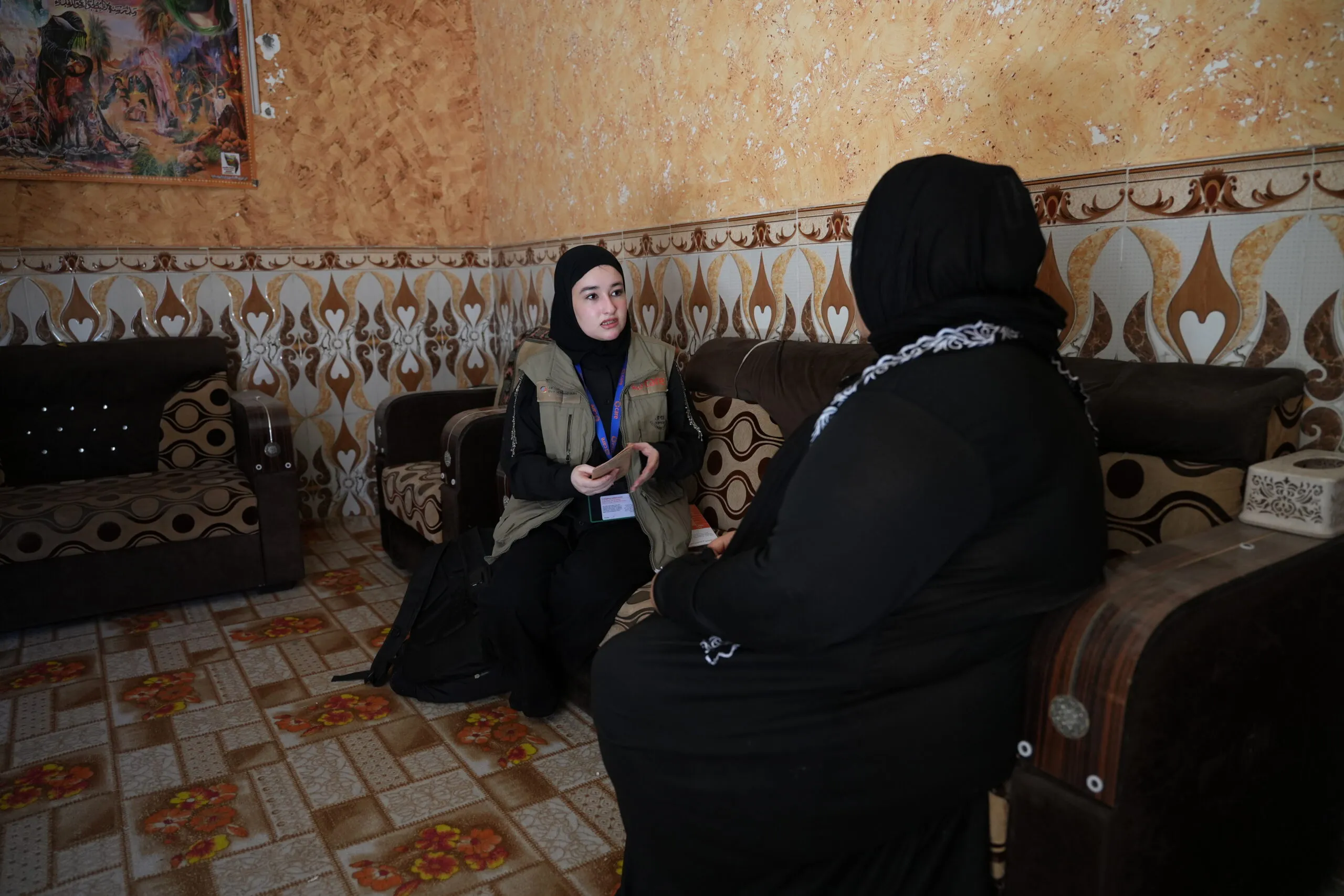
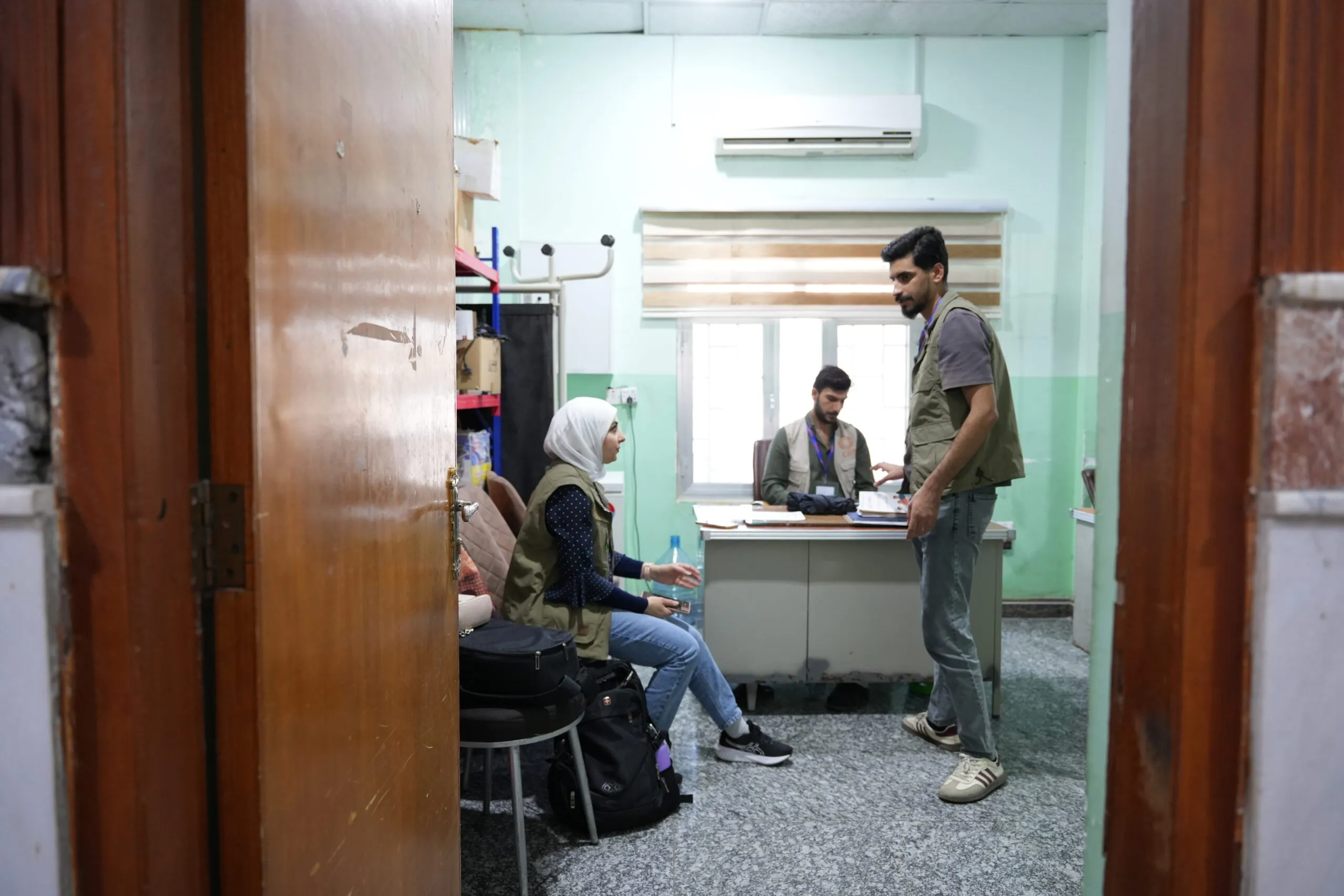
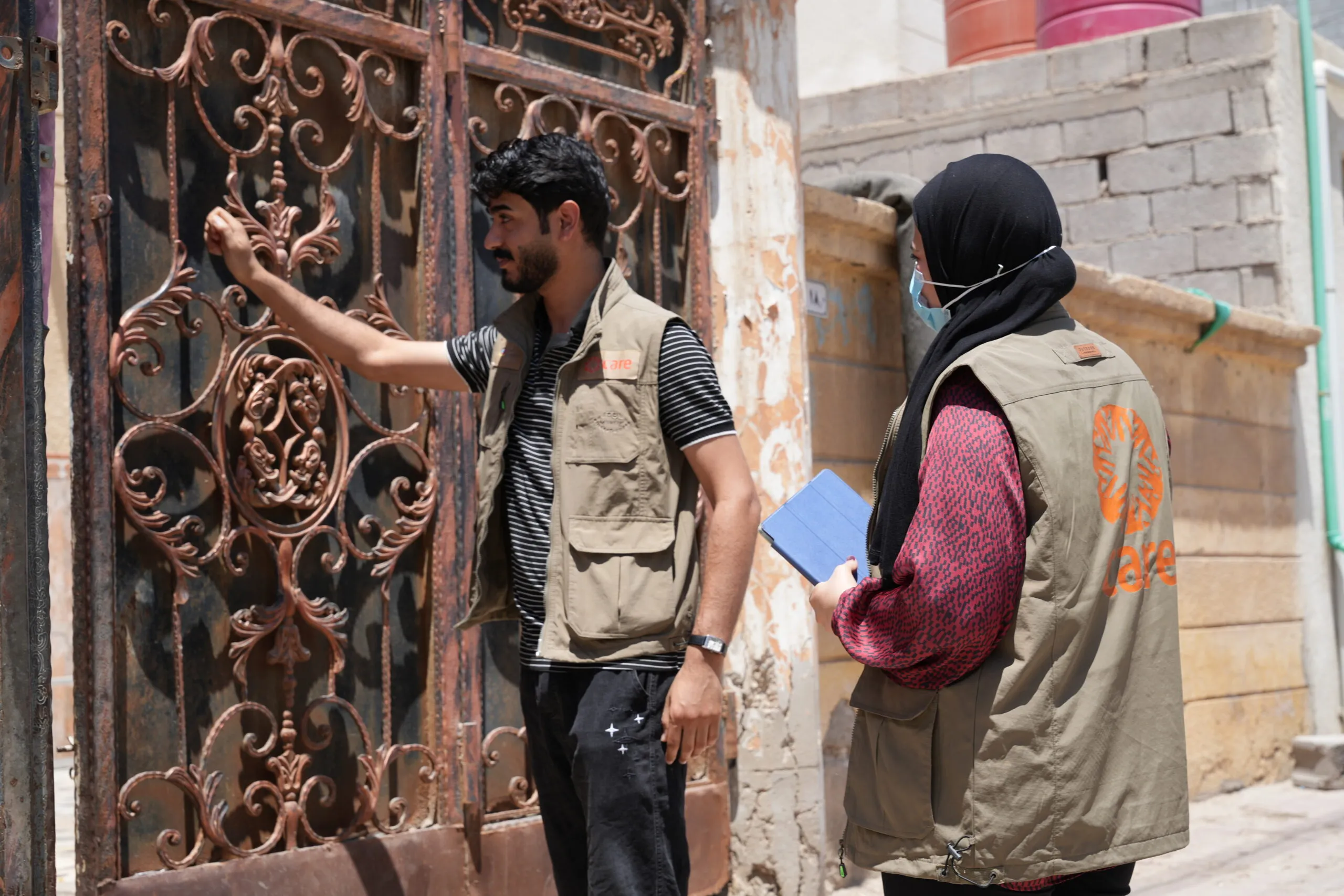
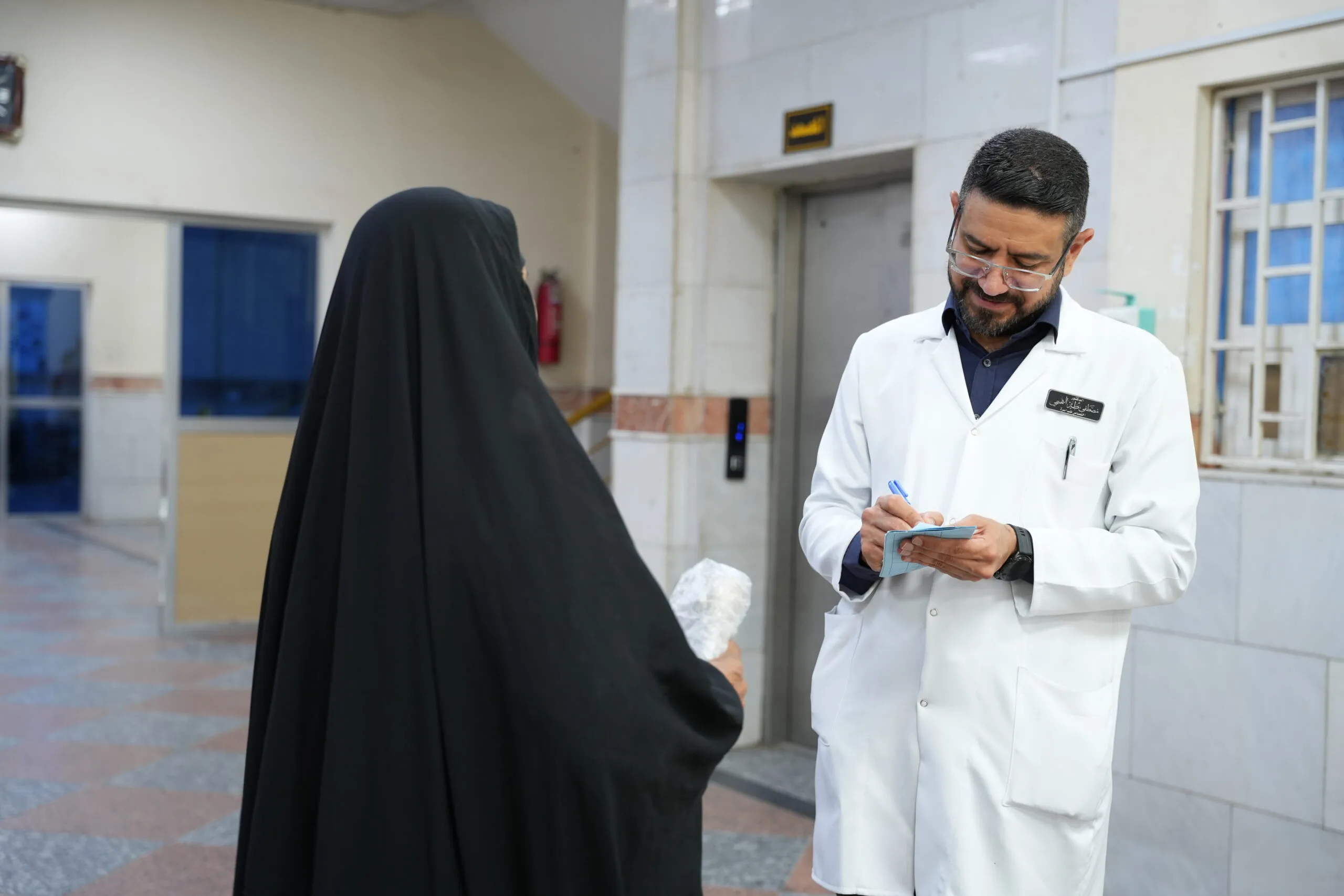
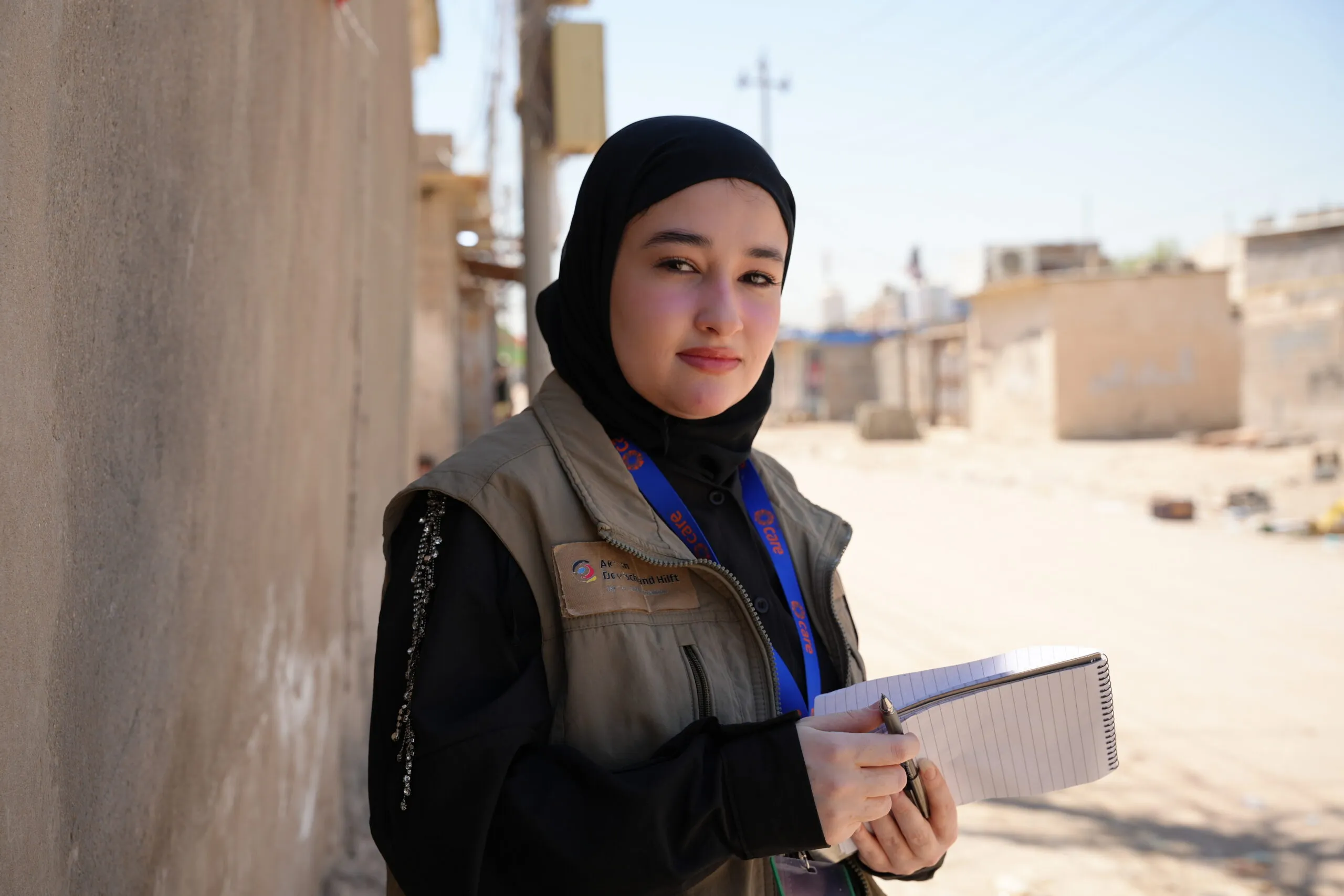
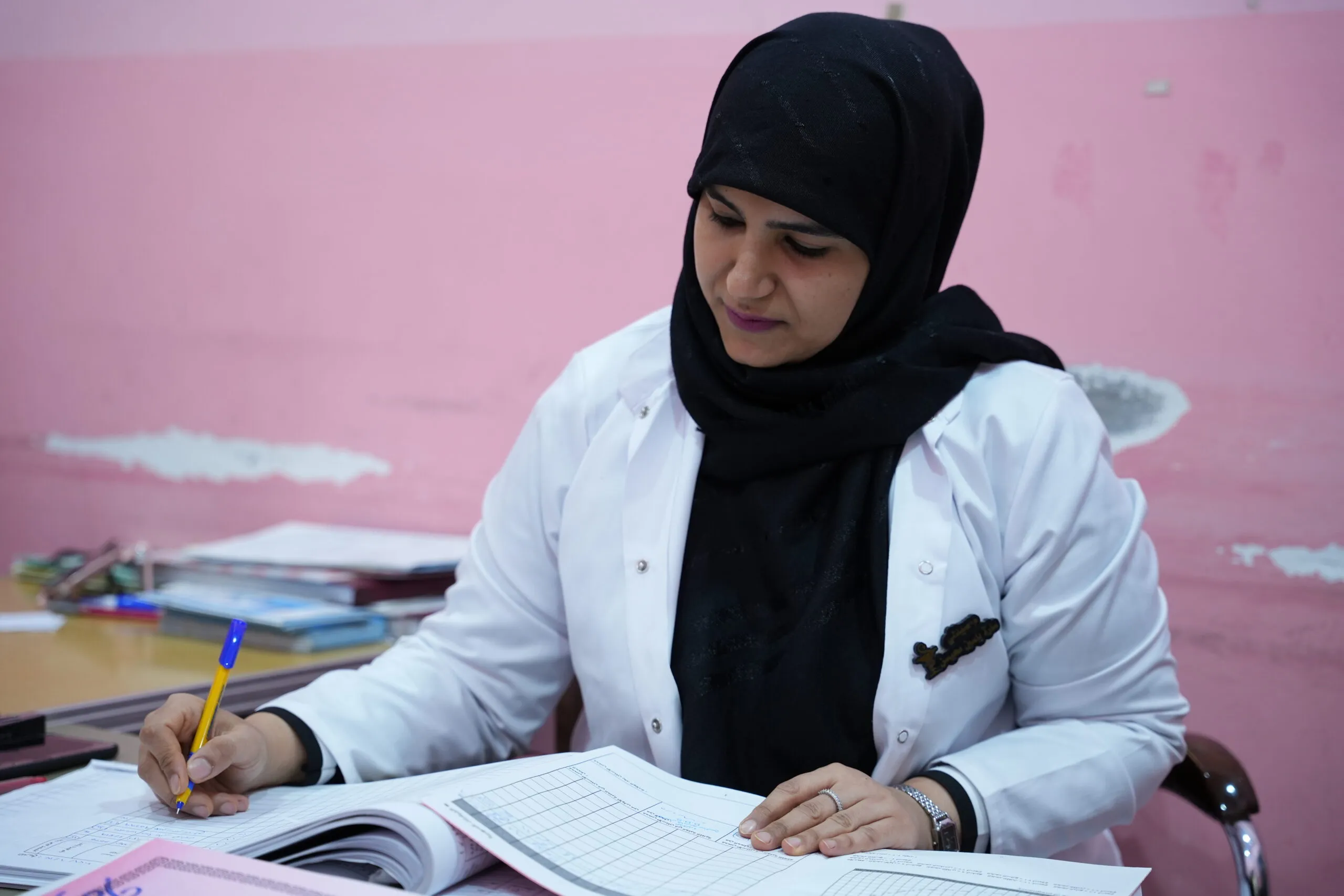
“Many pregnant women arrive with low blood pressure and symptoms that are worsened by the heat,” says Sarah Yasin, who works at the CARE-supported Hay Al Hussein Primary Health Care Center. “We advise them to protect themselves because heat can affect both the mother and the baby.”
The coastal desert city has always been hot. In 2016, it measured a high of 129°F — one of the hottest temperatures ever recorded on Earth. Still, temperatures have been climbing over recent years.
“The heat has increased significantly,” says Sarah. “The lack of rainfall and the reduction of green spaces are making the situation worse.”
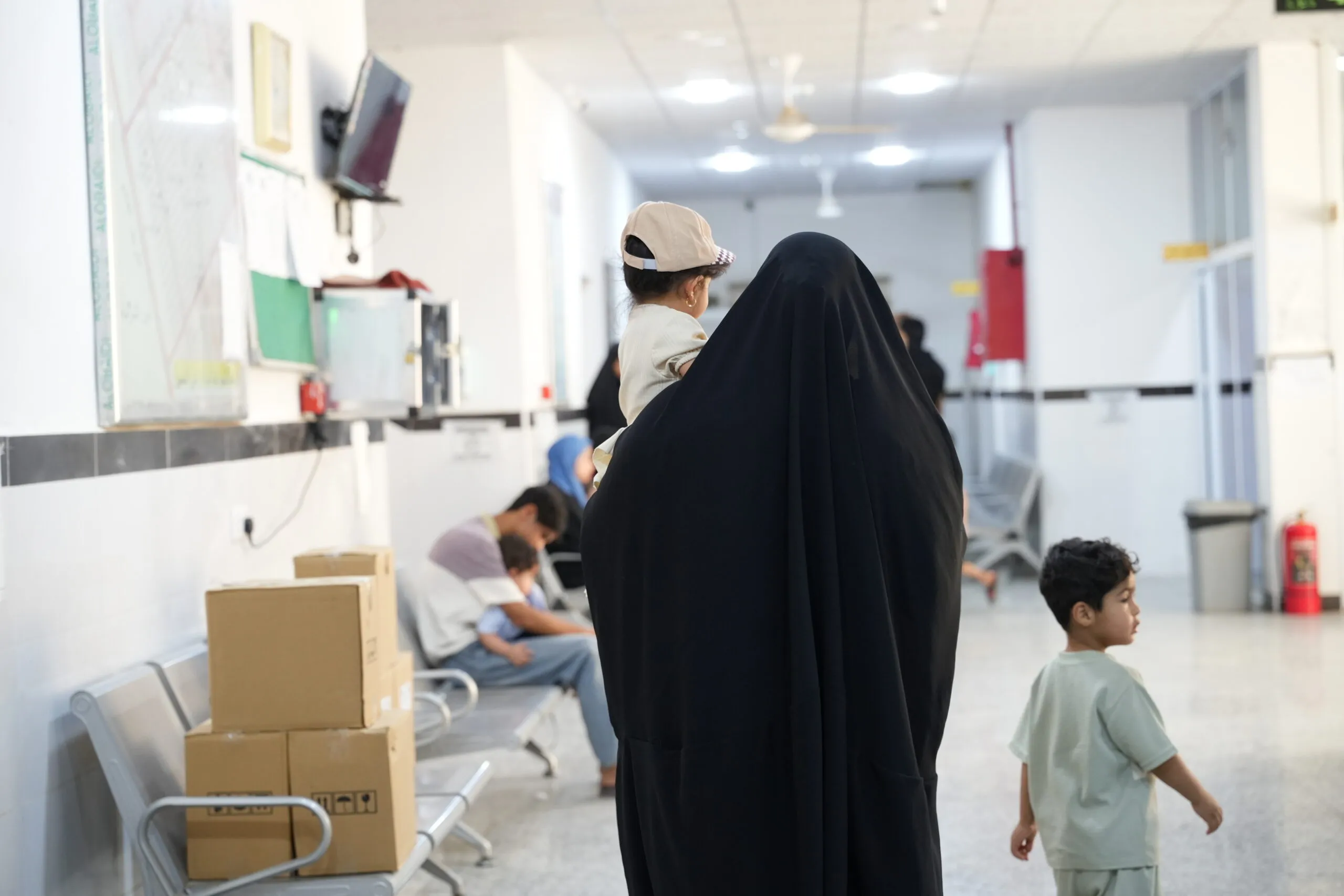
Marwa Hayman, one of Sarah’s colleagues, says that rising temperatures are increasing health risks for women managing pregnancies, caring for young children, and carrying out daily household responsibilities. Among women visiting the health center, Marwa often observes conditions she believes are aggravated by prolonged exposure to extreme heat.
“We see dehydration, exhaustion, and both low and high blood pressure,” Marwa explains. “Many women spend long hours caring for large families and managing household tasks, often in poorly ventilated homes during periods of extreme heat. Combined with frequent pregnancies and limited opportunities for rest, these conditions can place considerable strain on their health and wellbeing.”