Colombia

October 19-October 24, 2026 

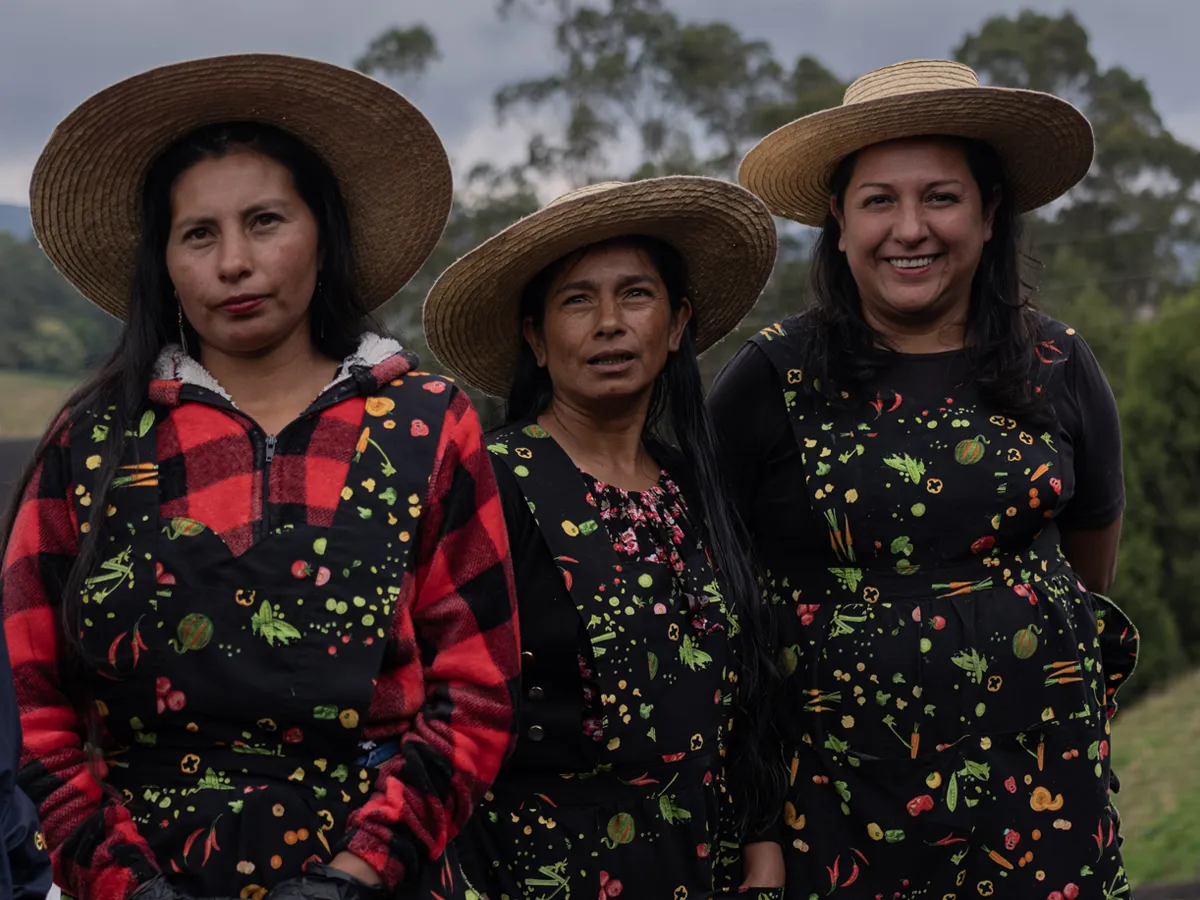
Three Colombian women wear large sunhats.

CARE at a glance

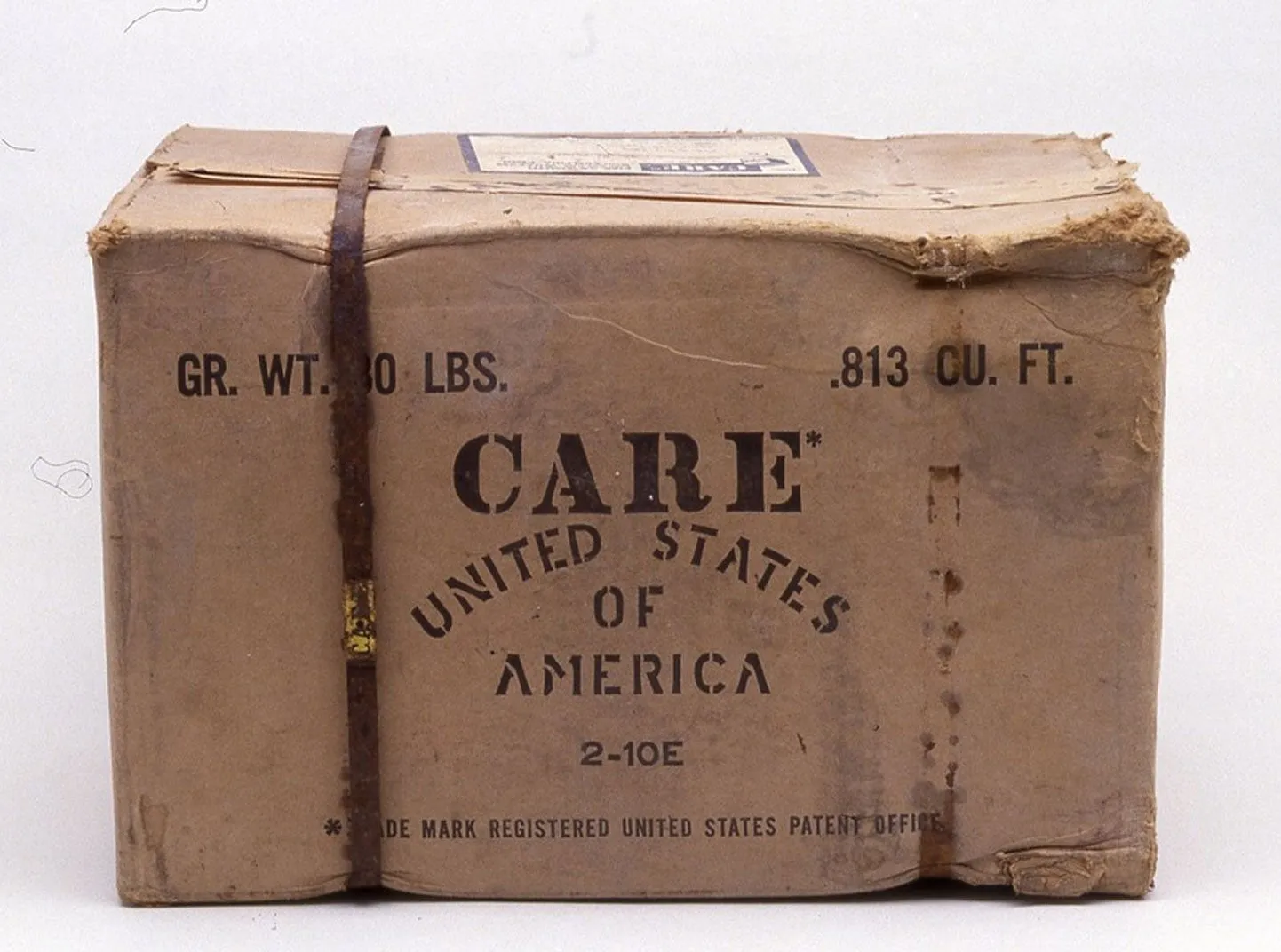
Founded in 1945 with the creation of the CARE PACKAGE® box, CARE is a leading humanitarian organization fighting global poverty. CARE places special focus on working alongside women and girls. Equipped with the proper resources, women and girls have the power to lift whole families and entire communities out of poverty. In 2025, CARE worked in 121 countries, reaching 58.7 million people through 1,467 projects.

Our mission

CARE works around the globe to save lives and defeat poverty.

Our vision

We seek a world of hope and inclusion, where poverty has been overcome and all people live with dignity and security.

Our focus

We put women and girls at the center, because we know we cannot overcome poverty until all people have equal rights and opportunities.


CARE Colombia


About CARE Colombia

CARE focuses its response on some of the most at risk forcibly displaced and host community members, especially women, girls, and young men.

CARE has been present in the Latin America and Caribbean region since 1954. CARE has been responding to the Venezuela migrant and refugee crisis with an approach sensitive to women and girls’ voice and leadership. CARE has been implementing emergency response interventions directly and through partners (in particular, women’s organizations) in Peru, Ecuador, Colombia, and Venezuela. CARE focuses its response on some of the most at risk forcibly displaced and host community members, especially women, girls, and young men.

In Colombia, CARE focuses on protection, health, and early recovery. This includes providing vouchers for protection, humanitarian transportation, legal and psychosocial counseling, and strengthening institutional and community protection systems. CARE also offers reproductive health services, particularly for pregnant women who have never had access to prenatal support. Additionally, CARE supports women’s entrepreneurship to reinforce their livelihoods. In every intervention, CARE aims to include up to 30% of hosting communities in order to bolster social cohesion.

Colombia receives the highest number of Venezuelan refugees and migrants in the region. Currently, over 2.8 million Venezuelans live in Colombia. The mass exodus of people has overwhelmed the country’s health and education systems, among others, and has fueled rising xenophobia in the country.

Welcome letter

Dear all,

CARE has been operating in Colombia for seven years, since its launch in 2019, scaling its efforts and working to address poverty and achieve women and girls’ equality in the country. With teams committed to transforming structures and partnering with local organizations, particularly those led by women, we aim to ensure the impact and sustainability of our actions.

Despite the multiple vulnerabilities and diverse challenges faced by communities, such as the internal conflict or the regional migration crisis, we also have some of the most biodiverse ecosystems in the world and resilient, entrepreneurial women who strive to change the reality of their families and surroundings. Additionally, there is an organized and committed civil society working to uphold the rights of those who are still unable to exercise them. In this context, notable social movements include indigenous groups, youth, and Domestic Workers’ Unions, which stand out for their actions and influence in our country.

On behalf of the entire national team, and our local partners, it is my pleasure to welcome your visit and ensure that it is a space for learning and understanding the context, as well as an exchange of experiences that enriches our work and motivates us to highlight field actions.

Sincerely,

Catalina Vargas Villamarin
Country Director
CARE Colombia


Traveling with you

Meet the CARE team

Catalina Vargas Villamarin

Country Director, CARE Colombia

Luisa Vega

Programs Director, CARE Colombia

Andrés Sarmiento Andrade

Partnerships and Sustainability Manager, CARE Colombia

Jen Haile

Executive Director, Philanthropy

Trip itinerary


Monday, October 19

All day: Arrival to Bogotá and private transfer to Four Seasons Hotel Casa Medina Bogota. Time to settle in and relax.

1:00 pm: Optional guided stroll through La Candelaria, Bogotá’s historic heart to see its colonial architecture, charming cobble stones, and graffiti art.

5:00 pm: Return to the hotel and rest break.

6:00 pm: Welcome Dinner at the hotel with the CARE Colombia Country Director and a guest speaker who will share insider details on the challenges and opportunities in Colombia.

Tuesday, October 20

***Please wear your CARE T-shirt today.

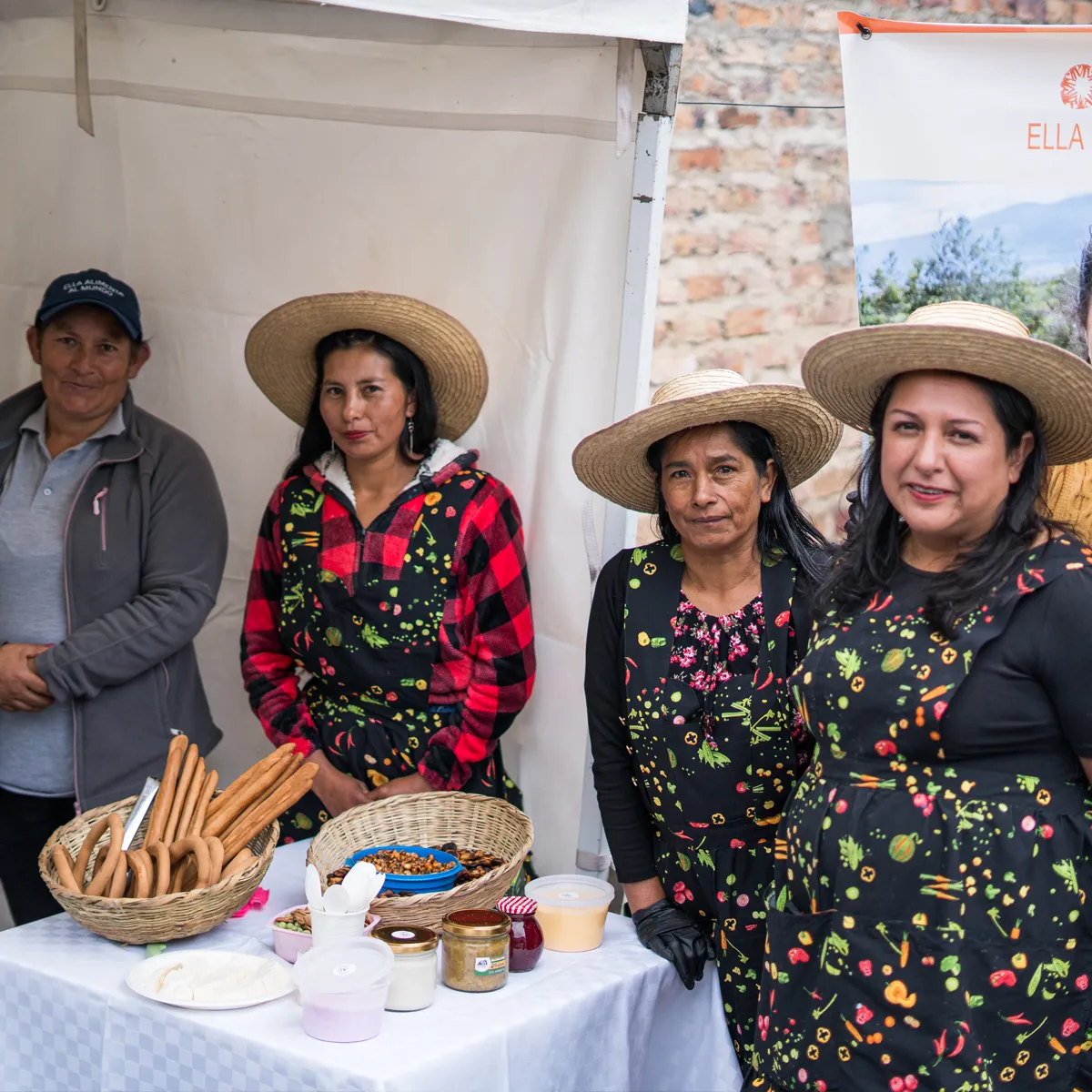
We will be visiting the Women’s Entrepreneurship Fair. This will be an opportunity to purchase handcrafted items produced by the project participants themselves. We recommend bringing small denominations of cash from Bogotá, as ATM access in Cúcuta is limited.

3:50 am: Early morning departure for a 5:45 am flight to Cúcuta.

4:30 am: Arrival at airport and check in for the 5:45 am flight to Cúcuta.

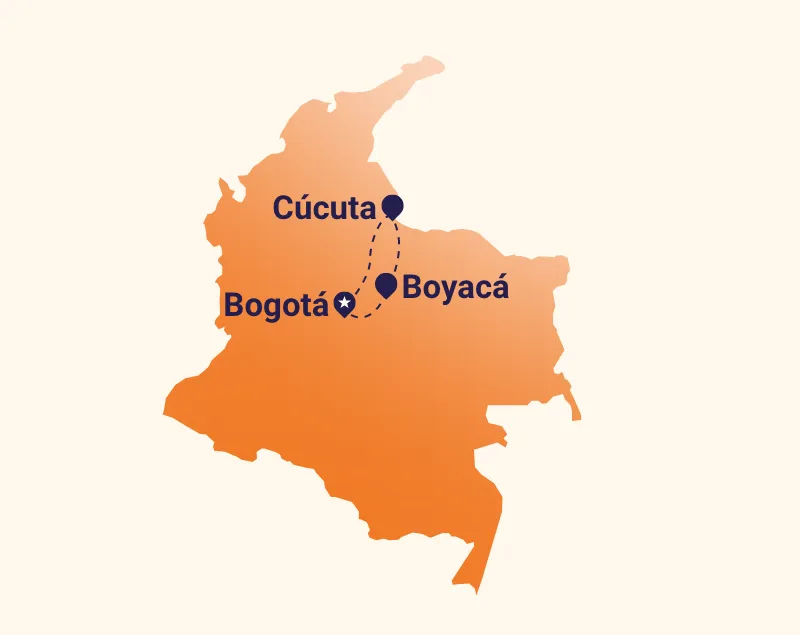
7:00 am: Arrival in Cúcuta and drive to the breakfast location.

7:30 am: Breakfast in Cúcuta with the overview of the local context and a security briefing.

9:00 am: Travel to the Simon Bolivar Bridge.

9:30-10:30 am: Visit the Simon Bolivar Bridge where Venezuelan refugees cross the border into Colombia.

10:30 am: Depart for Valle de Las Vegas neighborhood.

11:00 am-12:30 pm: Visit the Valle de las Vegas safe space. Meet women ensuring their children have safe, supportive spaces to learn, grow, and thrive beyond daily survival.

12:30 pm: Departure for lunch.

1:00 pm: Lunch at Bruto Restaurant.

2:15 pm: Departure to the next project site.

2:45-4:00 pm: Visit the programs supporting women migrants and those affected by conflict. Visit the community garden and meet women leading the imitative to improve food security.

4:00 pm: Drive to the next project site.

4:30-6:00 pm: Participate in the Women’s Entrepreneurship Fair and meet women entrepreneurs who have leverages financial and technical support to build local businesses.

6:00 pm: Depart for the airport.

7:55 pm: Return flight to Bogotá.

9:30 pm: Drive back to the hotel followed by a dinner on your own.

Wednesday, October 21

6:30-9:30 am: Breakfast at the hotel followed by check out.

10:00 am: Drive to Boyacá (3 hours) with lunch on the road.

2:40-3:40 pm: See CARE’s work with rural women farmers. Understand how community gardens improve food security, nutrition, and social cohesion.

3:40-4:00 pm: Travel to the next project site.

4:00-5:00 pm: Visit a demonstration plot where you will meet rural women integrating learning from CARE’s Farmer Field and Business School into their smallholder farms to enhance sustainable food systems.

5:00-6:30 pm: Drive to Hotel Estelar Paipa (1.5 hours) followed by check in.

6:30-7:30 pm: Rest break.

7:30-9:00 pm: Group Dinner at hotel restaurant Tonnarello.

Thursday, October 22

6:30-8:30 am: Breakfast at the hotel followed by check out.

8:30-10:00 am: Travel to CARE project site (1.5 hours).

10:00-11:00 am: Visit a women’s savings group to understand how financial literacy and access to savings changes the lives of women and their families while building women’s leadership.

11:00 am-12:40 pm: Travel to Villa de Leyva (1 hour and 40 minutes).

12:40-2:00 pm: Lunch followed by a walking tour through the whitewashed colonial streets of Villa de Leyva, one of Colombia’s best-preserved towns and home to South America’s largest cobblestone plaza.

2:00-5:00 pm: A curated experience in Villa de Leyva.

5:00-5:30 pm: Drive to the hotel.

5:30 pm: Check into Hotel Casa Real followed by rest break.

7:00 pm: Group dinner and reflections on the trip.

Friday, October 23

7:00-8:30 am: Breakfast at the hotel followed by check out.

8:30 am: Drive to Bogotá (4.5 hours).

1:00-2:30 pm: Lunch at the Salvo Patria Restaurant.

2:30-5:00 pm: Tour of the Museo Botero, home to Fernando Botero’s famously voluptuous sculptures and paintings, alongside a surprising collection of Picassos, Renoirs, and Dalís donated by the artist himself.

5:00-5:30 pm: Drive to the Casa Medina Hotel followed by check-in.

5:30-7:00 pm: Rest break.

7:00 pm: Dinner with the CARE Colombia team.

Saturday, October 24

6:30-10:00 am: Breakfast at the hotel followed by check out.

All day: Departures for the United States or continued stay in Colombia.

Before you leave


Climate and packing list

Bogotá: October falls in the rainy season, with daytime highs around 68–70°F (20–21°C) and overnight lows near 48–50°F (9–10°C). Expect rain, with mornings and evenings feeling notably cool and damp.

Boyacá: Similar high-altitude climate to Bogotá, with daytime highs around 68°F (20°C) and nights dropping to near 48°F (9°C). October can bring cool and humid conditions.

Cúcuta: A sharp contrast — hot and humid, with daytime highs around 88–91°F (31–33°C) and lows near 68–70°F (20–21°C). October is actually Cúcuta’s wettest month, so short, intense afternoon downpours are common even though it’s much hotter than the Andean stops.

Clothing​

  • 3-4 quick-dry, breathable long-sleeved shirts (for layering in Bogotá/Boyacá
  • 1-2 pairs lightweight, quick-dry pants (avoid fabrics that stay wet)
  • 2 cocktail attire outfits for evening dinners
  • 2 sweaters or fleece layers for cool Bogotá/Boyacá evenings
  • 1 packable rain poncho or lightweight rain shell (in addition to a jacket — useful for sudden downpours while out and about)
  • 1 waterproof/windproof jacket
  • 1 warm jacket for chilly mornings/evenings in Bogotá and Boyacá
  • 1 wide-brim hat or visor for sun protection in Cúcuta
  • 1 lightweight scarf or buff (versatile for sun in Cúcuta, warmth in the highlands)

Footwear​

  • 1-2 pairs comfortable, sturdy, waterproof walking shoes or boots
  • 1 pair breathable sandals or lightweight shoes for the hot Cúcuta day
  • Several pairs of moisture-wicking socks, plus a couple of extra pairs in case shoes get wet
  • Compact plastic/dry bags to store muddy or wet footwear before repacking

Miscellaneous​

  • Sunglasses, sunscreen (higher SPF for Cúcuta’s stronger sun)
  • Small collapsible umbrella (useful for Bogotá/Boyacá showers)
  • Camera, battery charger
  • Snacks: Trail mix, energy bars
  • Hand sanitizer, hand wipes
  • Insect repellent
  • Ziplock or dry bags to protect electronics/documents during rain

CDC Travel Information

We advise you to work directly with your healthcare provider or a travel specialist to determine your personal vaccination and medication needs. Below are vaccines and preventive measures for travel to Colombia, as recommended by the Centers for Disease Control and Prevention (CDC).

Routine vaccines: Ensure you are up to date with standard vaccinations, including MMR (measles, mumps, rubella), DPT (diphtheria, pertussis, tetanus), chickenpox, flu, and shingles.

Travel-specific vaccines

  • Hepatitis A and B: Recommended for most travelers.
  • Typhoid: Especially recommended for those staying with locals or visiting rural areas.
  • Rabies: Consider if you plan to engage in outdoor activities or will be in areas with animals.
  • Yellow Fever: Recommended for certain regions, particularly if you are staying in Colombia and traveling to areas outside of Bogotá, Boyacá, and Cartagena.
  • Malaria: Malaria is not a risk in Bogotá or Cartagena. The CDC advises consulting with your healthcare provider on the necessity of malaria prevention.

Quick glimpse of the program sites

Cúcuta program:
Alianza MujerES

Supporting Women Entrepreneurs and Child Protection in Colombia

In Colombia’s border region of Norte de Santander, years of armed conflict, displacement, and migration have left many women struggling to earn a stable income while caring for their children. Women from migrant and host communities in Cúcuta and its metropolitan area face limited access to savings, credit, and secure livelihoods, while their children are exposed to heightened protection risks linked to violence, discrimination, and instability. Economic pressure and the lack of safe environments for children make it difficult for families to move beyond daily survival.

The Alianza MujerES program works with women refugees and victims of armed conflict from host communities, as well as local partners, to strengthen income stability while ensuring children have safe places to learn and spend their time. Women build savings through community savings groups (VSLAs), receive support to develop small businesses, and access training, mentoring, and working capital. The program also promotes food security through community gardens, supporting families to produce food for self-consumption, reduce food expenses, and strengthen food sovereignty. At the same time, children and adolescents participate in safe spaces where they learn how to recognize and prevent violence, challenge harmful norms, and build communication and life skills.

Boyacá program:
She Feeds the World

Improving Food Production and Nutrition in Rural Colombia

In rural Colombia, small-scale women farmers play a central role in feeding their families and communities, yet they face persistent barriers that limit productivity and income. Climate impacts, pests and disease, limited access to capital, and weak links to markets all reduce crop yields and profitability. Food insecurity remains a serious challenge, particularly in rural households headed by women, where rates are significantly higher than the national average.

She Feeds the World supports small-scale potato and vegetable producers, with a focus on increasing women’s access to finance, training, and markets so they can improve production and strengthen household food security. The program combines practical agricultural support through farmer training and demonstration plots, the formation of Village Savings and Loan Associations (VSLAs) to expand access to savings and low-interest loans, and work with producer groups to improve negotiation power and market connections. In its current phase in Boyacá, the program is scaling these approaches to reach more than 5,800 producers while strengthening nutrition practices through community gardens and nutrition education.

Additional Reading


Catalina's Book Club

One Hundred Years of Solitude
by Gabriel García Marquez (1982 Nobel Prize in Literature)

Love in the Time of Cholera
by Gabriel García Marquez

María
by Jorge Isaacs

Liveforever
by Andrés Caicedo

The Making of Modern Colombia: A Nation in Spite of Itself
by David Bushnell

Short Walks from Bogotá
by Tom Feiling

Killing Pablo: The Hunt for the World’s Greatest Outlaw
by Mark Bowden

History of Colombia

Colombia is in northwestern South America, bordered by Venezuela, Brazil, Peru, Ecuador, Panama, the Caribbean Sea, and the Pacific Ocean. It has a complex history shaped by indigenous cultures, Spanish colonization, independence movements, and periods of internal conflict.​

Before the arrival of the Spanish in the 16th century, the region was inhabited by indigenous groups such as the Muisca and Tairona. Spain established settlements and eventually created the Viceroyalty of New Granada, which included present-day Colombia, Ecuador, Panama, and Venezuela. Colombia gained independence in 1810, becoming part of the Republic of Gran Colombia under the leadership of Simón Bolívar. This union dissolved in 1830, leading to the formation of Colombia as a separate nation.​

The country experienced a series of civil wars and political conflicts throughout the 1800s and 1900s. In the latter half of the 20th century, Colombia faced significant challenges due to guerrilla warfare, drug trafficking, and paramilitary violence. The government reached a historic peace agreement with the largest guerrilla group, FARC, in 2016, although violence related to armed groups and narcotrafficking still affects some regions.​

Colombia’s economy relies on energy and mining exports, making it vulnerable to fluctuations in commodity prices. It is Latin America’s fourth largest oil producer and a leading exporter of coal and coffee. Despite its economic potential, the country continues to face issues related to poverty, inequality, and rural development.​

Source: CIA, The World Factbook​

Additional reading on socioeconomic indicators

Population and demographics​

  • Nationality: Colombian.​
  • Population: Approximately 53.4 million as of 2025.
  • Ethnic Groups: Predominantly Mestizo and White (87.6%), with notable Afro-Colombian (6.8%) and Amerindian (4.3%) communities.​
  • Languages: Spanish is the official language, but Creole and English are also officially recognized in some territories; ~64 additional regional languages
  • Religion: Predominantly Christian (90%), primarily Roman Catholic.

Economy​

  • GDP per capita: Estimated at $7,914 (2024, nominal).​
  • Major exports: Crude petroleum, coal, coffee, gold, and refined petroleum.​
  • Exchange Rate (as of 8/31/2026): 3,151.82 Colombian pesos (COP) per U.S. dollar.​

Geography and natural resources​

  • Area: Colombia has a total area of 1,138,910 sq km.​
  • Terrain: The country’s geography includes coastal lowlands, central highlands, and eastern lowland plains.​
  • Natural resources: Colombia is rich in petroleum, natural gas, coal, iron ore, nickel, gold, copper, emeralds, and hydropower.​

Government​

  • Government type: Presidential republic.​
  • Executive branch: The President serves as both head of state and head of government, currently Gustavo Petro (since August 2022).​
  • Legislative branch: Bicameral Congress, consisting of a Senate (108 seats) and a Chamber of Representatives (188 seats).​

Colombia has a diverse landscape that supports various agricultural activities, and it is known for its production of coffee, sugar cane, bananas, and other crops. The country has a well-established mining and energy sector, and it is one of the world’s leading producers of emeralds.​

Source: CIA, The World Factbook​

Frequently Asked Questions

What is the security situation in Colombia?​
Colombia has seen meaningful improvements in security over the past decades but remains a country where travelers should stay alert. Most visitor-facing risks involve petty crimes like theft, scams, or bag-snatching, while armed conflict typically remains confined to rural and border regions.

The upcoming 2026 elections are contributing to some uncertainty in the security environment, with a rise in political tensions and high-profile incidents in both rural and urban areas. Authorities in Colombia are increasing security in advance of the 2026 elections, and the CARE security team will continue to track developments, provide timely updates, and adapt plans as appropriate.

In Bogotá, the most common risks remain street-level theft and occasional scams, particularly in crowded or poorly lit areas and on public transit. Staying near well-traveled neighborhoods, avoiding displays of wealth, and using trusted transportation are prudent measures. The CARE security team will select safer venues and manage movements to reduce exposure to potential risks.

Cúcuta, near the Venezuelan border, faces elevated risks including organized crime and the presence of armed groups. CARE has no plans to include high-risk locations in the trip itinerary and will actively avoid volatile areas.
Cartagena is considered the safest of the three cities, with risks typically limited to petty crime such as pickpocketing, overcharging, or opportunistic theft in nightlife areas. By focusing activities in well-known zones and maintaining situational awareness, risks will be kept low.

The CARE security team is working to ensure that this trip takes place in more secure sites and will be constantly monitoring conditions and working with the Country Office team to adjust plans as needed for safety.

Read more: Colombia Travel Advisory | Travel.State.gov

Do I need a visa for Colombia?
U.S. citizens do not require a visa to enter Colombia. However, please check that your passport is valid for at least six months from the date of entry. For non-U.S. travelers, please use a reputable government site for guidance.

Can I extend my stay in Colombia after the trip? 
Absolutely! If you’d like to arrive to Bogotá early or extend your stay and explore more of Cartagena, we’d be happy to help. Our team can liaise with the hotel to arrange additional nights for you. Please reach out in advance with your travel dates, and we’ll assist with accommodation options to ensure a smooth extension to your trip.

What currency is used in Colombia, and what is the exchange rate?​
The Colombian Peso (COP) is the official currency in Colombia. As of August 2026, the exchange rate is approximately 1 USD = 3,151.82 COP, but it is advisable to check the current rate closer to your travel date.

What are the power outlets used in Colombia?​
You will need an adapter for your electrical devices. Colombia uses power sockets of types A and B.​

Will my cell phone work while traveling in Colombia?​
Contact your cell phone provider to ensure international roaming is set up before your trip. Mobile service is generally reliable in urban areas, though coverage may vary in rural regions. For local calls, dial ‘0’ before the area code.​

Will we have access to safe drinking water?​
Bottled water will be provided throughout your trip. It’s recommended to drink bottled or filtered water, as tap water quality may vary.​

What is standard food in Colombia?​
Common staples include rice, beans, arepas (corn cakes), plantains, and a variety of meats, especially chicken and beef. Traditional dishes often feature fresh ingredients and local spices.​

What is the appropriate way to handle tipping at restaurants, hotels, and on tours?​
Tipping is customary but not mandatory. A 10% to 15% tip is appropriate in restaurants, and small tips for hotel staff and tour guides are appreciated. ​

Can I take photos during field visits?  ​
CARE staff will assist you with determining when it is acceptable to take photos and of which subjects.
We can't wait to see you in October!