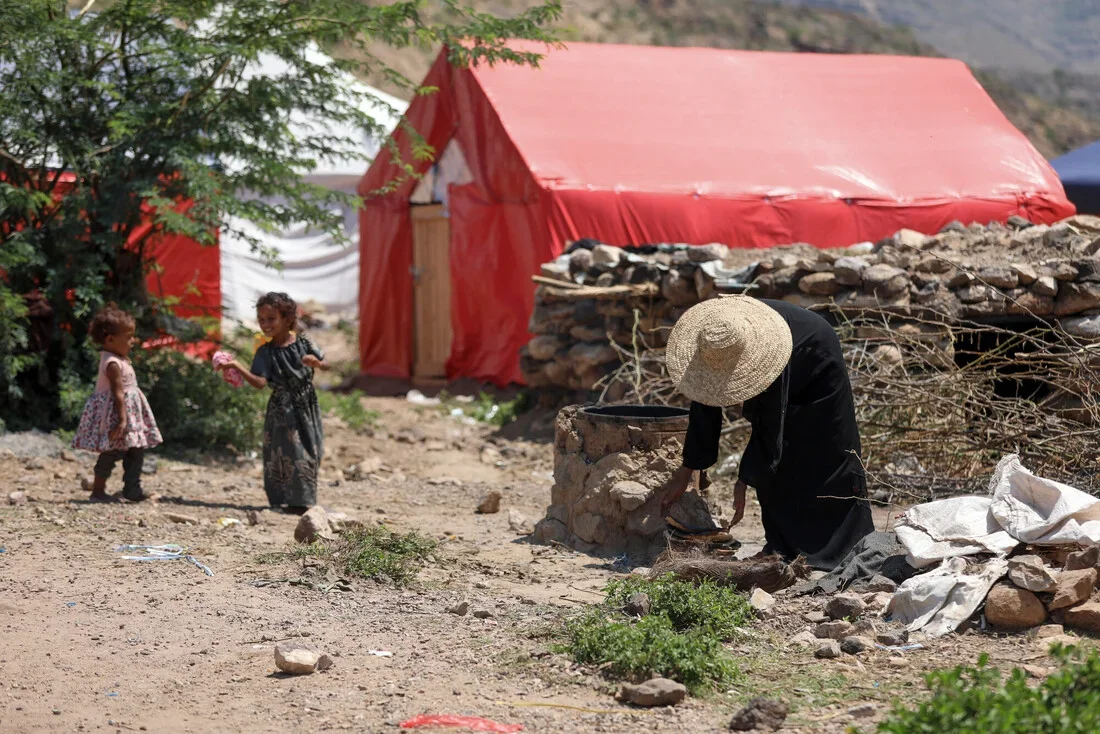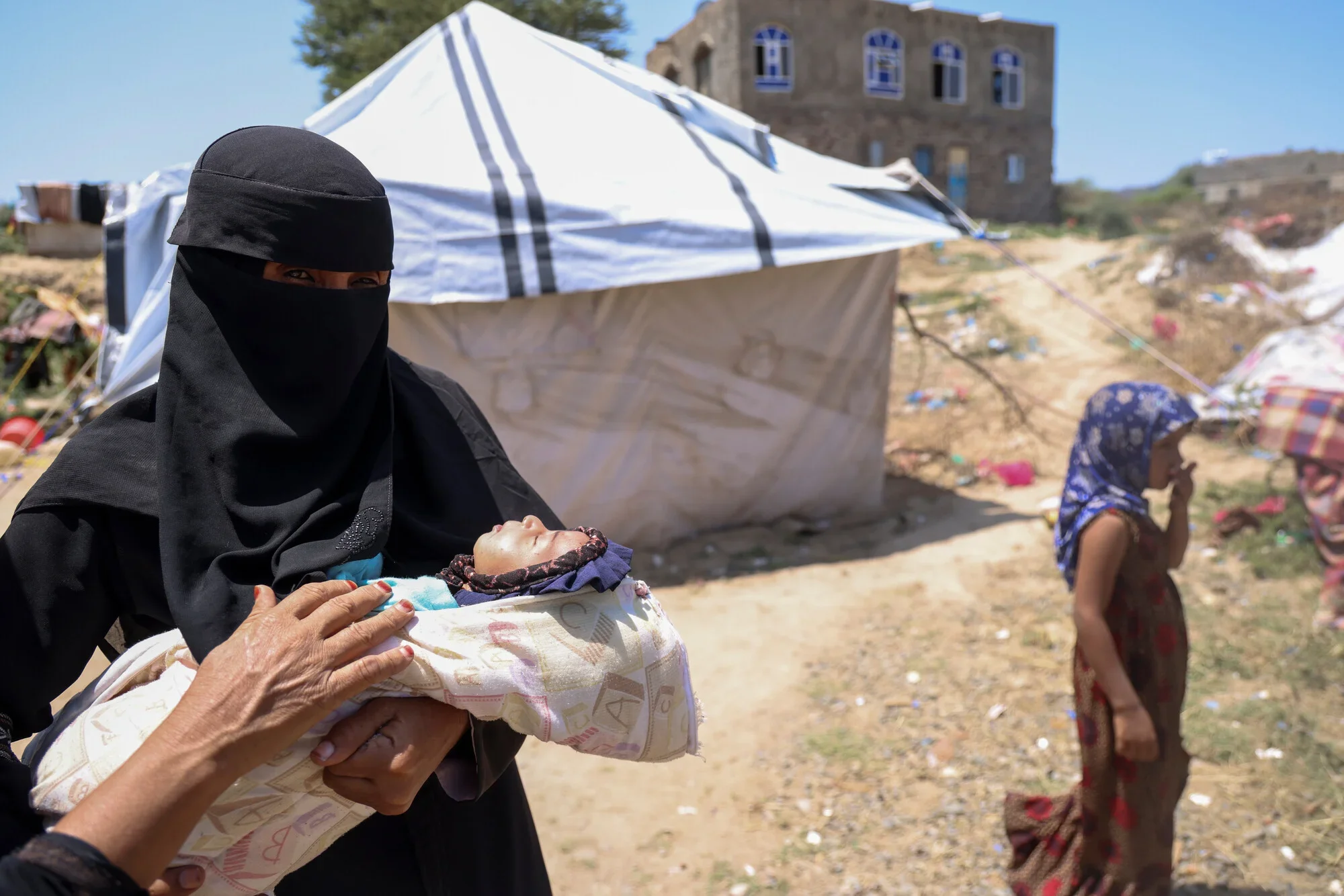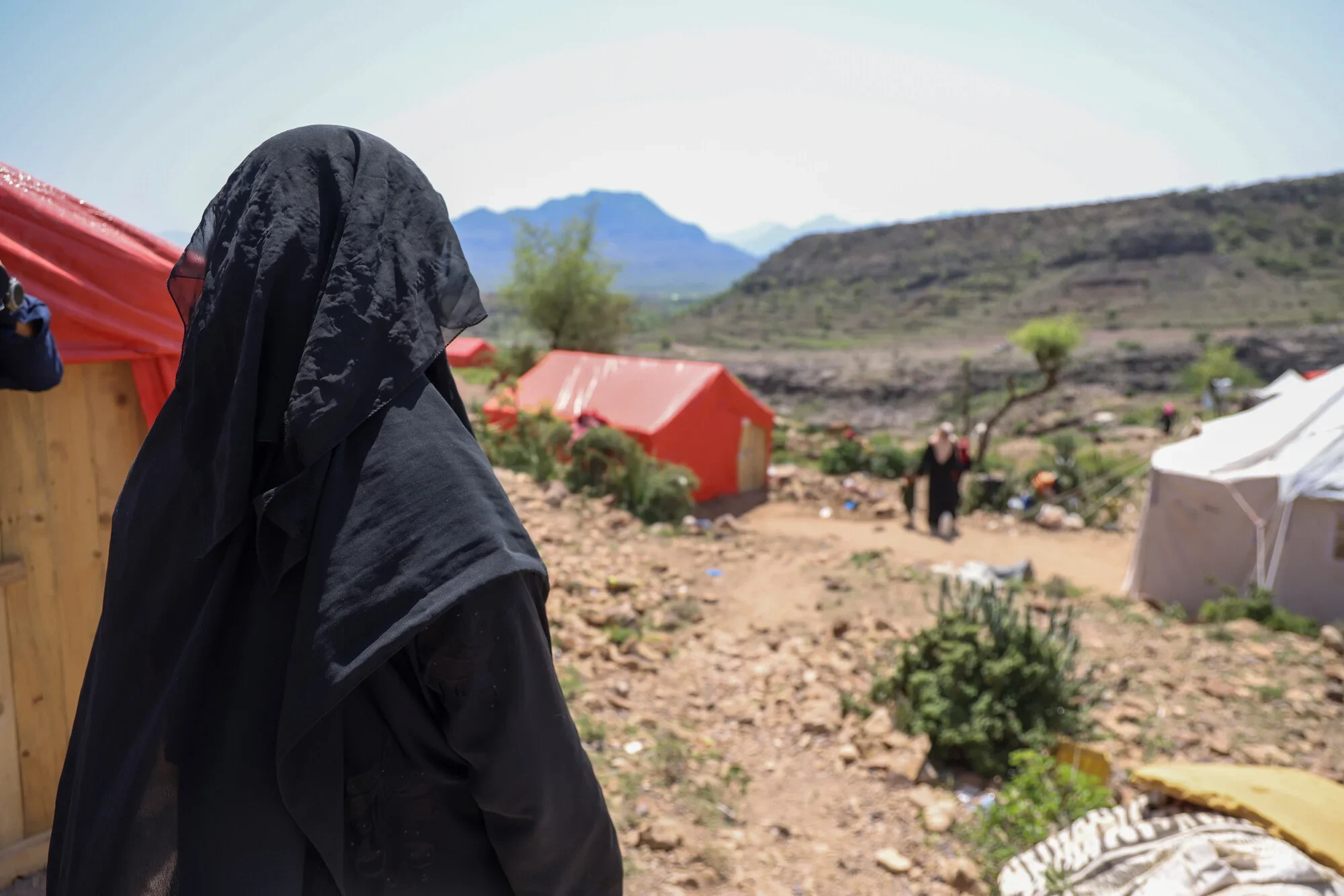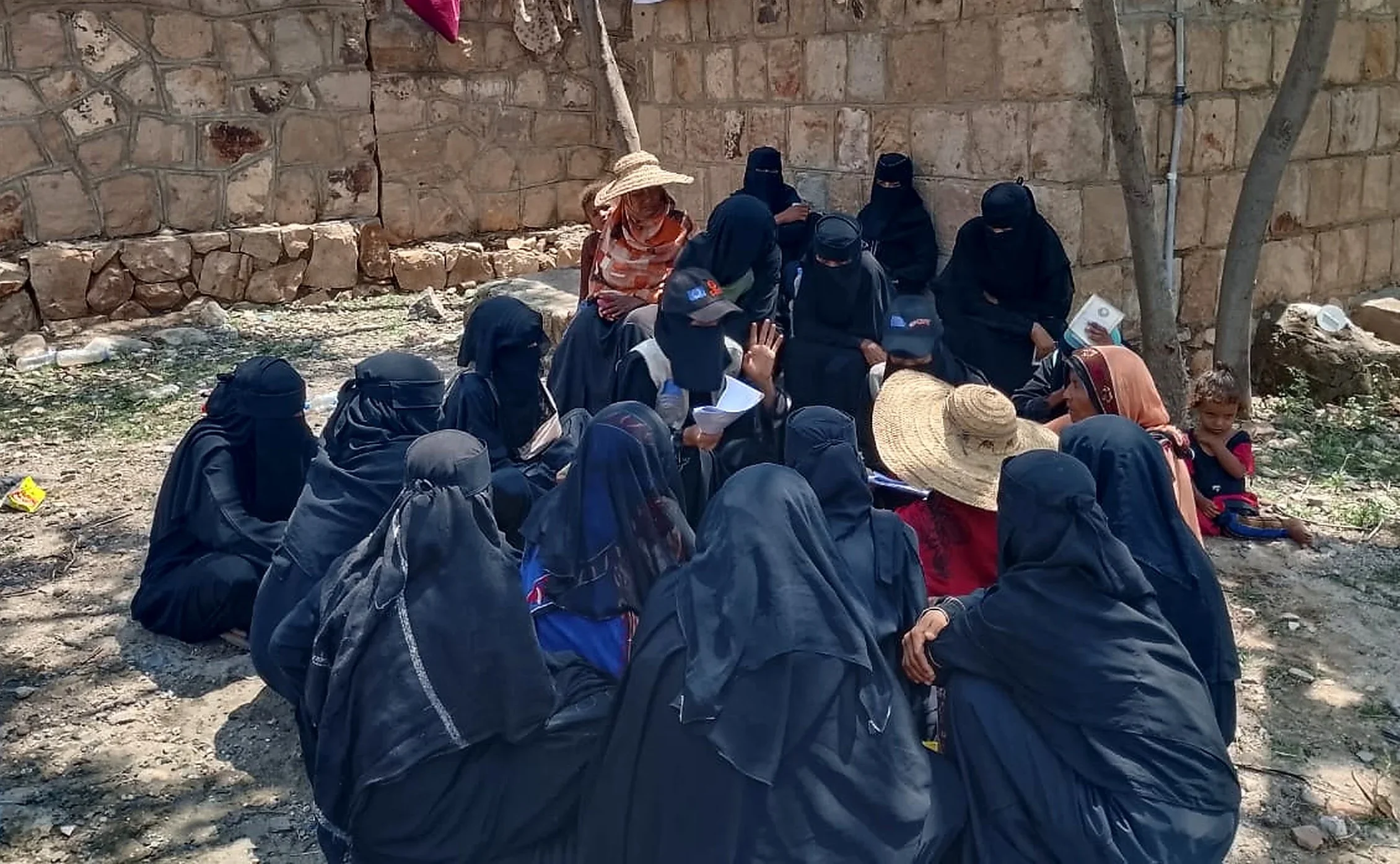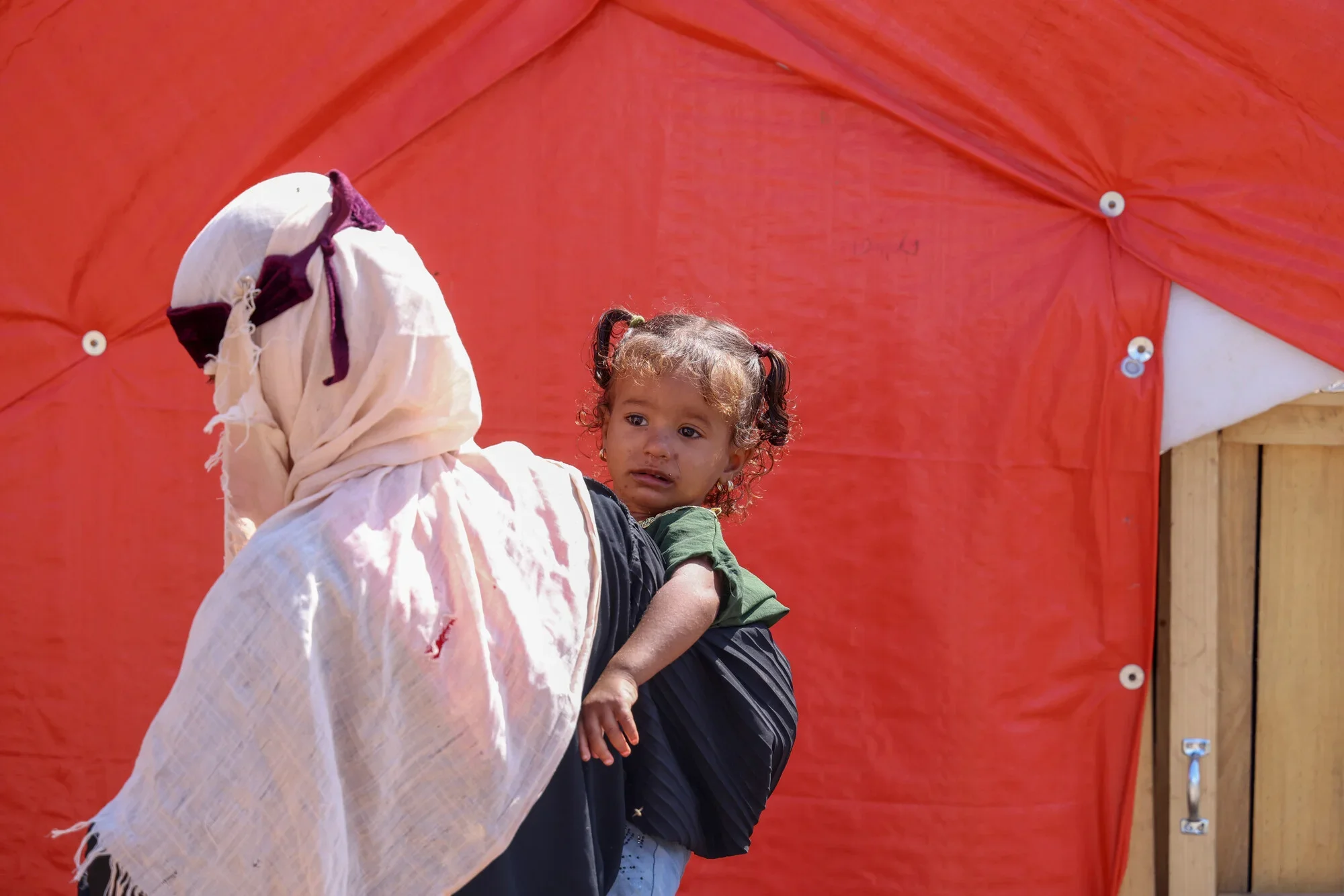

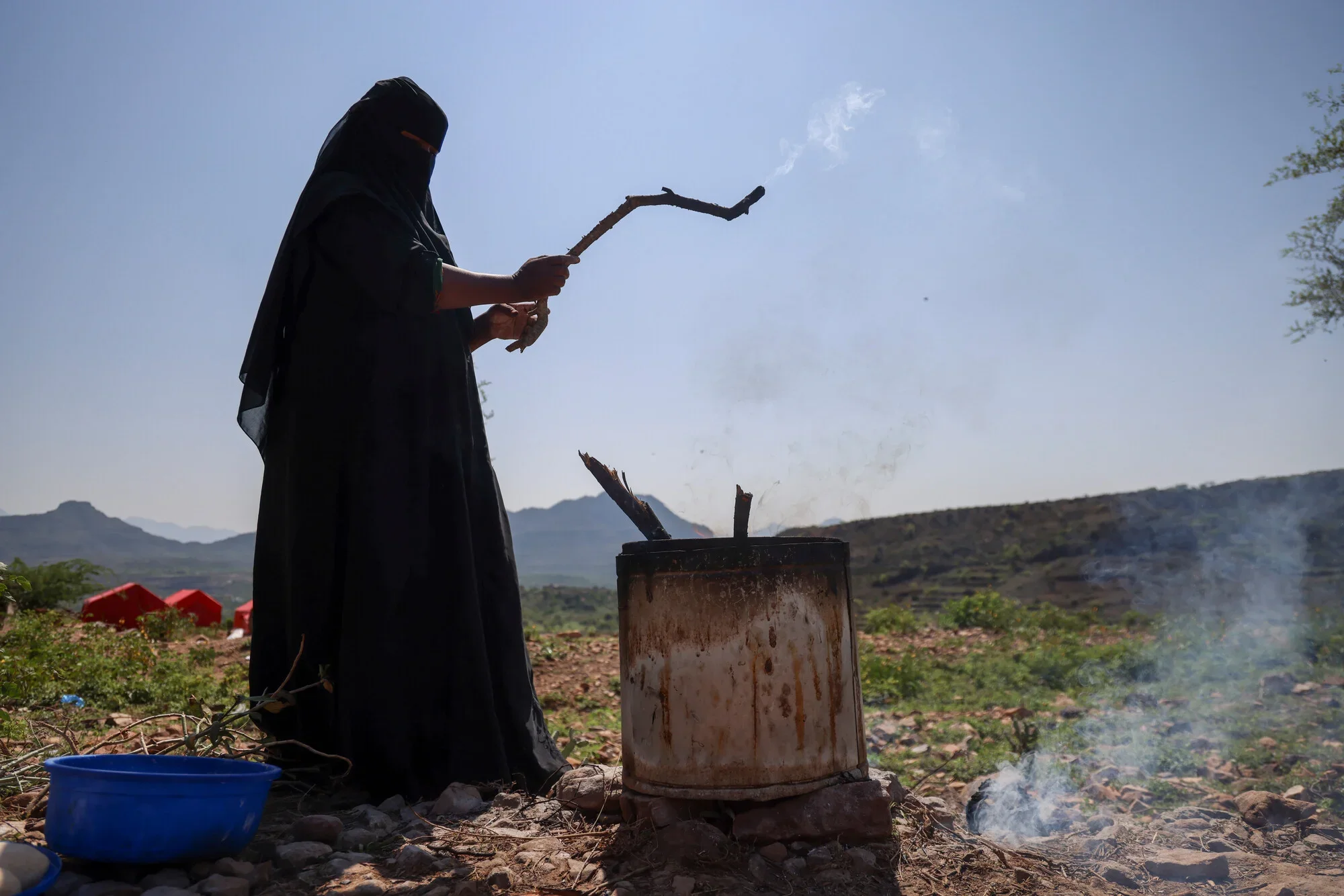
Morada is one of more than 200,000 people who have fled their homes since the Yemen conflict 2026 escalated on Sept. 3. Houthi forces advanced down the Red Sea coast, pushing many families toward Taiz, Yemen’s third-largest city, and other parts of the country.
This is the worst outbreak of conflict since a U.N.-brokered truce in 2022.
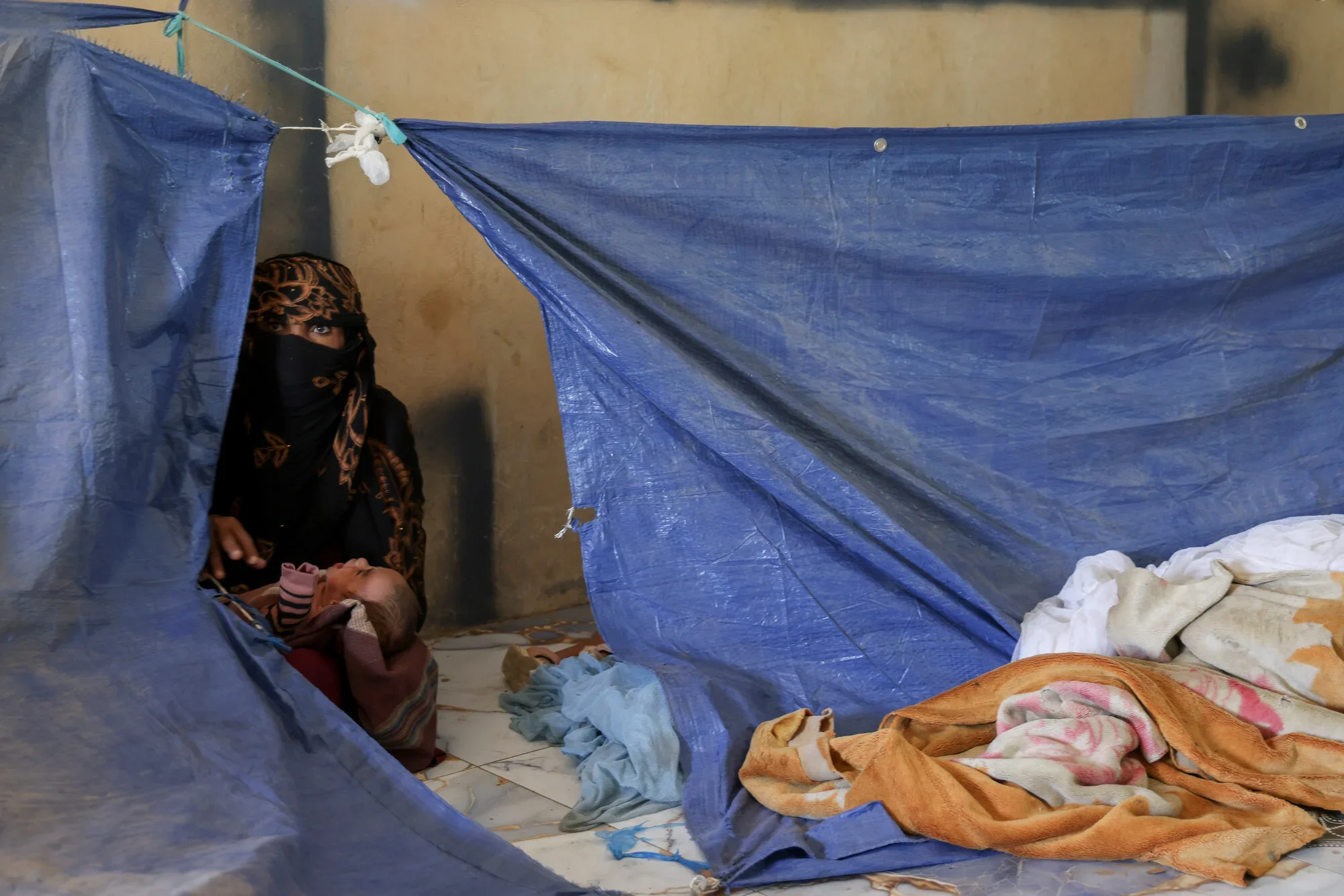
“When we arrived here, we slept hungry on the bare ground, shivering in the cold, with no mattresses to lie on and rain falling over us. My children go to sleep crying from hunger,” Morada shares.
For many families, this is not the first displacement — or even the second. Many arrive after walking for days without food or water, according to World Food Programme (WFP) field teams working in Lahj and around Taiz.
Yemen has been at war for more than a decade. Fighting began in 2014 when Houthi forces seized Sanaa, and a Saudi-led coalition intervened the following year. The truce in 2022 reduced the violence but never brought peace. The World Health Organization (WHO) reports 959 people killed and more than 4,200 injured since the escalation began.
Years of conflict have left more than two-thirds of Yemen’s 35 million people in need of humanitarian assistance. The September escalation has pushed families into sites already strained by years of war. CARE’s assessments in Taiz governorate found that 95% of households surveyed in Al Ma’afer district were in debt and 92% had borrowed food or depended on relatives to eat. Many are staying with relatives, but those arrangements are fragile — host families are themselves struggling after years of economic decline. CARE’s own assessments also found that adults and children were already reducing meal portions and eating less frequently to preserve what little food they had.