Zambia

October 25-November 1, 2026

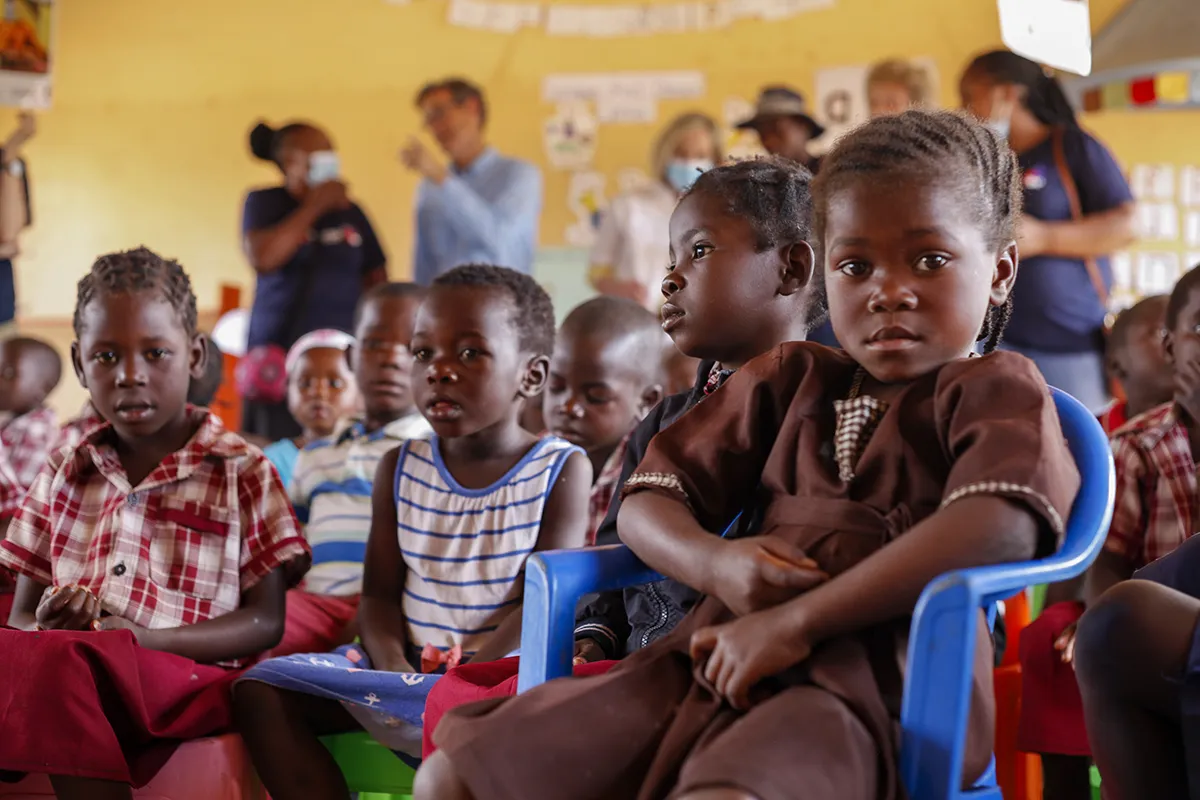
A group of young schoolchildren in a classroom in Zambia.

CARE at a glance

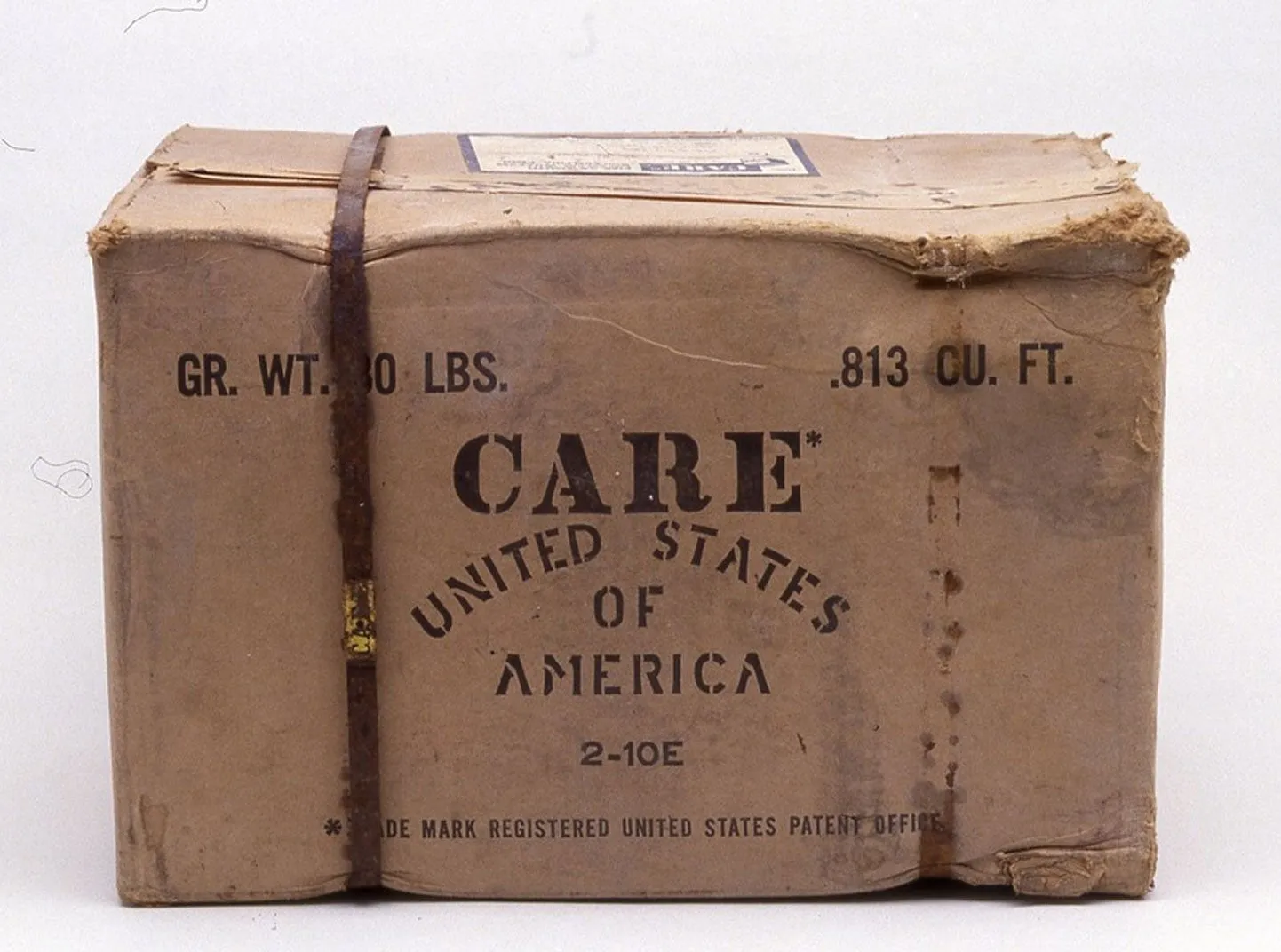
Founded in 1945 with the creation of the CARE PACKAGE®, CARE is a leading humanitarian organization fighting global poverty. CARE places special focus on working alongside women and girls. Equipped with the proper resources, women and girls have the power to lift whole families and entire communities out of poverty. In 2025, CARE worked in 121 countries, reaching 58.7 million people through 1,467 projects.

Our mission

CARE works around the globe to save lives and defeat poverty.

Our vision

We seek a world of hope and inclusion, where poverty has been overcome and all people live with dignity and security.

Our focus

We put women and girls at the center, because we know we cannot overcome poverty until all people have equal rights and opportunities.


CARE Zambia


About CARE Zambia

CARE began working in Zambia in 1992 in response to severe regional drought and extreme poverty in the region. Today’s focus is on long-term programs designed by and led with communities, working in both rural and marginal peri-urban areas.

CARE Zambia focuses on two niche areas: maternal and child nutrition, and social protection. The overall goal is to empower women and girls, who bear the brunt of poverty and crisis.

CARE Zambia is committed to equality for women and girls, greater and more meaningful participation of people living with HIV and AIDS, and a pro-poor, anti-poverty stance in its interaction with communities and policymakers alike.

CARE Zambia also advances foundational learning and education for young children, adolescents, and young parents.

Welcome letter

Dear all,

On behalf of CARE in Zambia, it is my great pleasure to extend a very warm welcome to you. We are delighted to host you and deeply grateful that you have taken the time to visit Zambia and see firsthand the impact of our shared work. Your partnership, generosity, and commitment continue to make a meaningful difference in the lives of thousands of women, girls, children, and families across the communities we serve, particularly in some of Zambia’s most remote areas. 

Over the years, CARE in Zambia has been privileged to work alongside dedicated supporters and partners who share our vision of a world where everyone can live with dignity, opportunity, and hope. Through the support from Mary Jan and Paul Bancroft, initiatives such as the Strengthening Opportunities for Adolescent Resilience (SOAR) program have expanded their reach and impact across early childhood development, early childhood education, education for adolescent and young parents, and enhanced mobile library services. Together, we have helped strengthen literacy and numeracy skills, opening doors to brighter futures and creating opportunities for children and families to thrive. 

Complementing these interventions is a longitudinal study that is helping us better understand and measure the significant changes taking place within the communities we support. The insights generated through this work are guiding our efforts to ensure that the progress we achieve is equitable and lasting, particularly for women and girls in Zambia. 

In addition to our foundational learning and alternative education programs, CARE in Zambia addresses a range of interconnected challenges affecting vulnerable communities. These include climate change, food and nutrition insecurity, rising HIV infection rates among adolescents, early pregnancies, menstrual health management, and preparedness for climate-related shocks such as droughts, floods, and disease outbreaks. Working hand in hand with local partners, government institutions, community leaders, and volunteers, we are supporting communities to build resilience and create lasting change. 

While challenges remain, we are continually inspired by the resilience, determination, and strength of the individuals and communities we serve. We are equally grateful for the support and guidance of the Government of Zambia and the dedication of community volunteers whose efforts help turn aspirations into reality. Together, we are expanding opportunities, strengthening futures, and empowering families to build more secure, dignified, and hopeful lives. 

We hope your visit will offer valuable insight into our work and provide meaningful opportunities to connect with community members, local leaders, and other stakeholders. Most importantly, we hope it will allow you to witness the remarkable impact that can be achieved when committed partners come together in pursuit of a common goal. 

Thank you once again for your partnership, your generosity, and your belief in the potential of the people and communities of Zambia. We are honoured by your presence and inspired by the collective commitment that makes this work possible. We look forward to learning together, sharing experiences, and exploring new opportunities to deepen our collaboration and increase our impact in the years ahead. 

As the African proverb wisely reminds us, ”If you want to go fast, go alone. If you want to go far, go together.” Thank you once again for taking the time to visit and for your continued commitment to the people and communities of Zambia. We are honoured by your support and inspired by the partnerships that make this work possible. 

With warm regards, 

Chikwe Mbweeda 

Country Director
CARE Zambia


Traveling with you

Meet the CARE team

Chikwe Mbweeda

Country Director

Lynn Inang’andu Chinene

Deputy Country Director

Drew Foxman

Director, Philanthropy

Brian Phiri

Education Program Manager

Renton Kashimbaya

MEAL Coordinator, Nyenyezi Plus Project

Hamilton Mambo

Executive Director, Children Sentinel Trust Zambia (CSTZ)

Tina Mumba Phiri

Development Coordinator, Economic Empowerment

Ernest Mambo

Project Coordinator for the Nyenyezi Plus Project, Children’s Sentinel Trust Zambia (CSTZ)

Margret Ngonga

Communications and Advocacy Coordinator

Elsie Samboko

Development Coordinator, Research and Learning

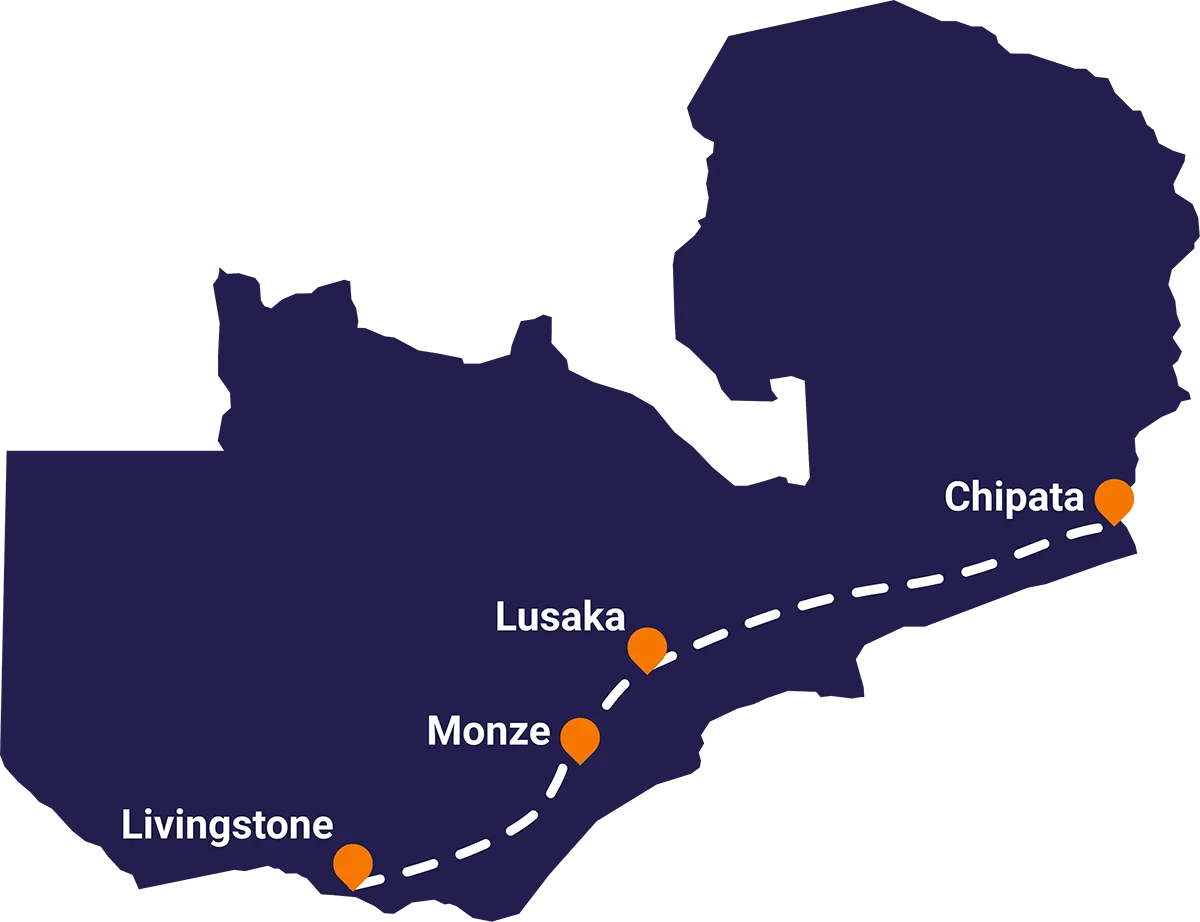
A map graphic showing highlighted cities along the southeastern part of Zambia

Trip itinerary


Sunday, October 25 – Lusaka

Arrive in Lusaka and transfer to the Neelkanth Sarovar Premiere Hotel.

Rest and settle in ahead of the journey.

Monday, October 26 – Lusaka

Morning: Orientation hosted by the CARE Zambia team. Receive an overview of the early childhood education program Nyenyezi Plus and Zambia’s education landscape.

Lunch: Meet with representatives from the Ministry of Education and key leaders in the education sector to discuss national priorities and the role of early childhood investment in shaping long-term educational outcomes.

Evening: Welcome dinner.

Tuesday, October 27 – Lusaka / Chipata

Morning: Depart for Chipata via domestic flight.

Afternoon: Transfer to Protea Hotel and attend and introductory briefing on the Nyenyezi Plus project, including its integrated approach to early childhood development, literacy, and adolescent support.

Wednesday, October 28 – Chipata

Morning: Travel to Chipangali District for visits with government and district officials. Visit local schools and early learning centers, learn about the integration of mobile libraries into foundational learning, and participate in a savings group meeting with caregivers and community members.

Lunch: Return to Chipata with the project team.

Afternoon: Engage with researchers and program staff to learn more about the longitudinal study evaluating the impact of early childhood education and school readiness interventions.

Evening: Dinner and overnight at the hotel.

Thursday, October 29 – Chipata / Lusaka

Morning: Visit students and young professionals who participated in earlier phases of the CARE initiative to hear their personal education journeys and learn how the program contributed to their paths toward becoming teachers and community leaders.

Lunch: Enjoy a meal with the CARE project team.

Afternoon: Depart for Lusaka.

Evening: Dinner and overnight at the hotel.

Friday, October 30 – Lusaka / Monze

Morning: Travel to Monze.

Lunch: Enjoy a meal with the CARE project team.

Afternoon: Visit local schools and community learning spaces to engage with students, teachers, school administrators, and parents about the opportunities and challenges facing early childhood and primary education in the region.

Saturday, October 31 – Monze / Livingstone

Morning: Depart for Livingstone and check into the Protea Hotel.

Afternoon: Enjoy an excursion to Victoria Falls, one of the world’s great natural wonders.

Evening: Dinner with the CARE Zambia team, including reflections on the visit and the future of education investment in the country.

Sunday, November 1 – Livingstone

Departures to the United States.

Before you leave


Climate and packing list

In late October, Zambia is in the hot, dry season, just before the start of the rainy season. During your visit to Lusaka, Monze, and Livingstone, expect warm to hot, sunny days, with daytime temperatures typically ranging from 82°F to 97°F (28°C to 36°C). Mornings are generally comfortable, with temperatures between 60°F and 70°F (16°C to 21°C).

While rain is uncommon, an isolated afternoon shower is possible as the rainy season approaches. The sun can be intense, particularly during midday, so lightweight, breathable clothing and sun protection are essential. Field visits may involve walking on uneven, dusty terrain, so comfortable closed-toe shoes are recommended.

Clothing​

  • 2–3 lightweight, breathable long-sleeved shirts (for sun protection during field visits)
  • 2–3 lightweight short-sleeved shirts
  • 2–3 pairs of lightweight pants
  • 1 pair of shorts (optional, for personal time at the hotel)
  • 2 business casual or cocktail attire outfits for evening dinners and formal events
  • 1 lightweight sweater or sweatshirt for cooler mornings and air-conditioned meeting rooms
  • 1 lightweight rain jacket or packable waterproof jacket (optional)
  • 1 wide-brimmed hat or visor for sun protection

Footwear​

  • 1–2 pairs of comfortable, sturdy closed-toe walking shoes (recommended for field visits)
  • Several pairs of lightweight socks
  • Sandals or casual shoes for evenings at the hotel (optional)

Miscellaneous​

  • Sunglasses
  • Sunscreen (SPF 30 or higher)
  • Insect repellent (especially for evenings)
  • Refillable water bottle
  • Camera and battery charger
  • Snacks (trail mix, energy bars, etc.; snacks will also be available throughout the trip)
  • Hand sanitizer and hand wipes


CDC Travel Recommendations

We advise you to work directly with your healthcare provider or a travel medicine specialist to determine your individual vaccination and medication needs. The information below reflects current recommendations from the U.S. Centers for Disease Control and Prevention (CDC) for travelers to Zambia.

Routine vaccinations:

Please ensure you are up to date on all routine vaccinations, including:

  • Measles, Mumps, and Rubella (MMR)
  • Diphtheria, Tetanus, and Pertussis (DTaP/Tdap/Td)
  • Polio
  • Chickenpox (Varicella)
  • Influenza (Flu)
  • COVID-19
  • Shingles (if age-appropriate)

Travel-specific vaccinations and medications:

  • Hepatitis A: Recommended for all unvaccinated travelers to Zambia.
  • Hepatitis B: Recommended for unvaccinated travelers, particularly those who may have exposure to blood or bodily fluids, receive medical care, or have close contact with local residents.
  • Typhoid: Recommended for most travelers, especially those visiting smaller towns or rural areas, including communities near Monze.
  • Malaria: The CDC recommends that travelers to all areas of Zambia, including Lusaka, Monze, and Livingstone, take prescription medication to prevent malaria. Your healthcare provider can recommend the most appropriate antimalarial medication based on your health history and travel plans. In addition to medication, use insect repellent, wear long sleeves and pants in the evenings, and sleep in accommodations with screened windows or air conditioning whenever possible.
  • Rabies: Rabies vaccination is generally recommended only for travelers who may have occupational or recreational exposure to animals or who will be spending extended time in remote areas where access to medical care may be limited.
  • Yellow fever: Yellow fever vaccination is not recommended for travelers visiting Lusaka, Monze, or Livingstone, and it is not required for travelers arriving directly from the United States. However, proof of yellow fever vaccination is required if you are entering Zambia after traveling through (or having a layover of more than 12 hours in) a country with risk of yellow fever transmission.
  • Cholera: There is currently active cholera transmission in Zambia. Although the risk to most travelers is low, the CDC recommends practicing careful food and water hygiene. Your healthcare provider can advise whether cholera vaccination is appropriate based on your specific itinerary and planned activities.

Chikwe's reading recommendations

The Old Drift
by Namwali Serpell

A Cowrie of Hope
by Binwell Sinyangwe

The Eye of the Elephant
by Delia and Mark Owens

A History of Zambia
by Andrew Roberts

The Mourning Bird
by Mubanga Kalimamukwento

Walking the Bowl
by Chris Lockhart

We can't wait to see you in October!