CARE responds to emergencies around the world through its own country teams and in partnership with local organizations. More than 96% of CARE staff are from the communities they serve, and working with local partners means assistance is able to reach people more quickly, better reflect the priorities of the community, and create stronger impact.
Local staff and partners talk with the communities about what they need, how support should be delivered, and how to engage local leaders. They may distribute supplies, provide cash assistance, connect people with health services, or help communities prepare for changing weather conditions.
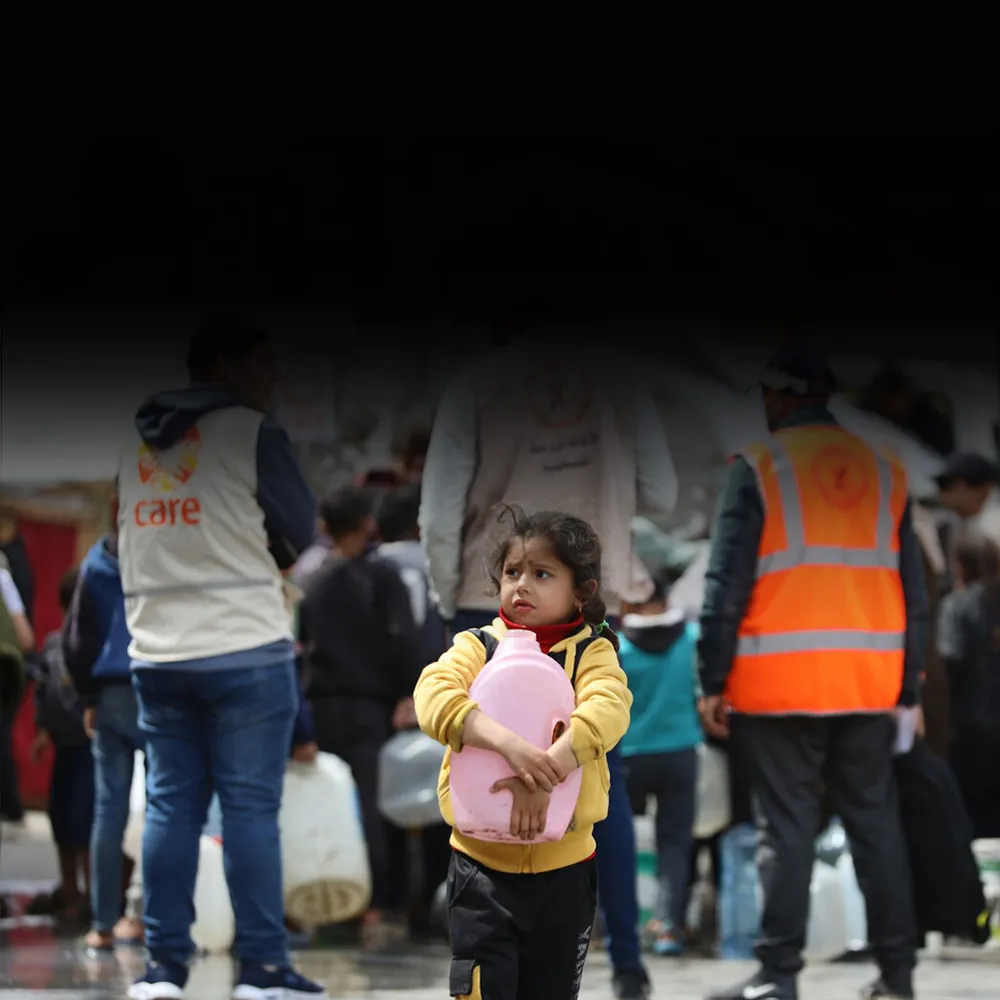
The exact response always depends on the crisis. In one place, families might need access to clean water and temporary shelter. In another, cash assistance may help people buy food or medicine from local businesses. Somewhere else, communities might benefit from programs that help them implement regenerative agricultural practices or improve the services provided by clinics and healthcare staff.
CARE also works with communities after immediate emergencies have passed, connecting short-term relief to longer-term recovery. That can include helping people to restart businesses, restore crops, access health services, prepare for future disasters, and more. Our programs are designed to help communities recover, grow, and thrive.
CARE pays particular attention to the needs of women and girls, who can face greater risks during emergencies and are often excluded from decision-making processes. We prioritize partnerships with local, women-led organizations so their priorities help shape our programming.