
Talaandig Tribe's 20-Year Journey to Peace

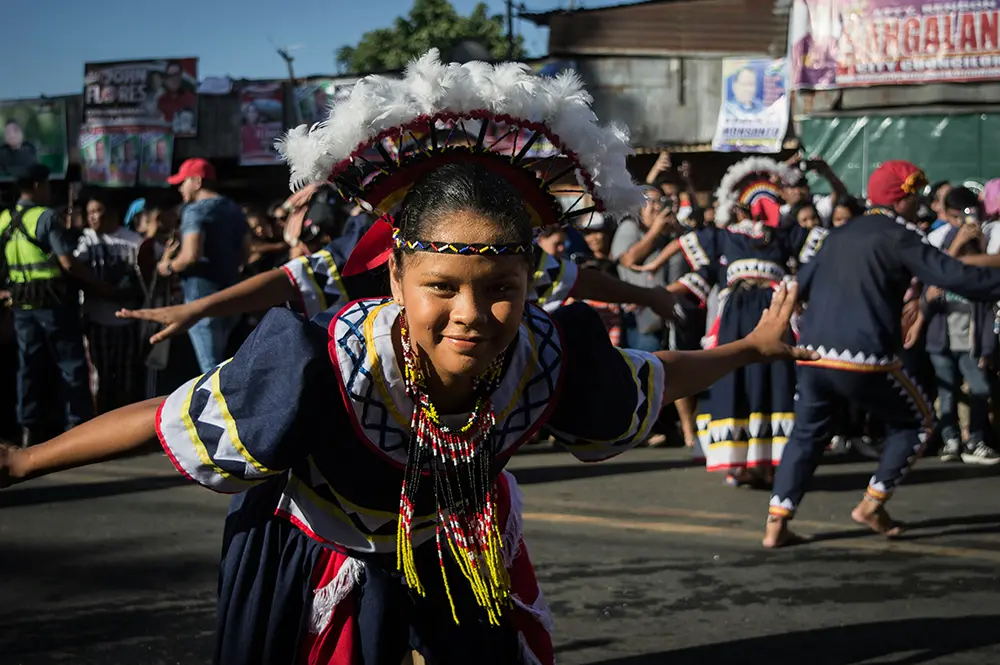
An indigenous girl in traditional wear bends down and smiles while dancing.

Photo credit: Stephanie Ecate

Impact Magazine: Issue 32

For 20 years, a deep rift split the Talaandig tribe, an indigenous community in the Philippines. What began as a territorial dispute spiraled into conflict over resources, leadership, and ideologies – resulting in violence, displacement, and loss of life. Some fled deep into the forests, losing access to education and basic services, while many young people struggled to preserve their culture amid discrimination and limited opportunities. Recurring violence and scarce resources repeatedly derailed attempts at resolution.

Recently, however, the Talaandig have taken crucial steps toward reconciliation. With the help of the Philippine government’s National Commission on Indigenous Peoples and the European Commission-funded BRIDGE project, implemented by CARE and partners like ACCORD, the tribe gathered for a peace dialogue.

From now on, there will be no more bloodshed... We can't ignore the hurt this conflict has caused, but I truly believe we can begin to heal.

Chieftan and leader,

“From now on, there will be no more bloodshed,” declared a chieftain. Another leader reflected, “We can’t ignore the hurt this conflict has caused, but I truly believe we can begin to heal.”

The dialogue began with a traditional ceremony invoking unity. Two tribal chieftains recounted the conflict’s origins and impacts, while elders, women, and youth shared insights and documented their history. Women played a key role, helping identify ways to heal collective wounds. The group reached a tentative agreement on land boundaries and pledged to maintain peace, educate their children, and ensure equitable resource access.

This dialogue builds on groundwork laid by the EU-funded ACCESS project, which initially addressed urgent humanitarian needs. It shows how humanitarian efforts and peacebuilding can align to support indigenous aspirations for cultural preservation, self-determination, and lasting peace.