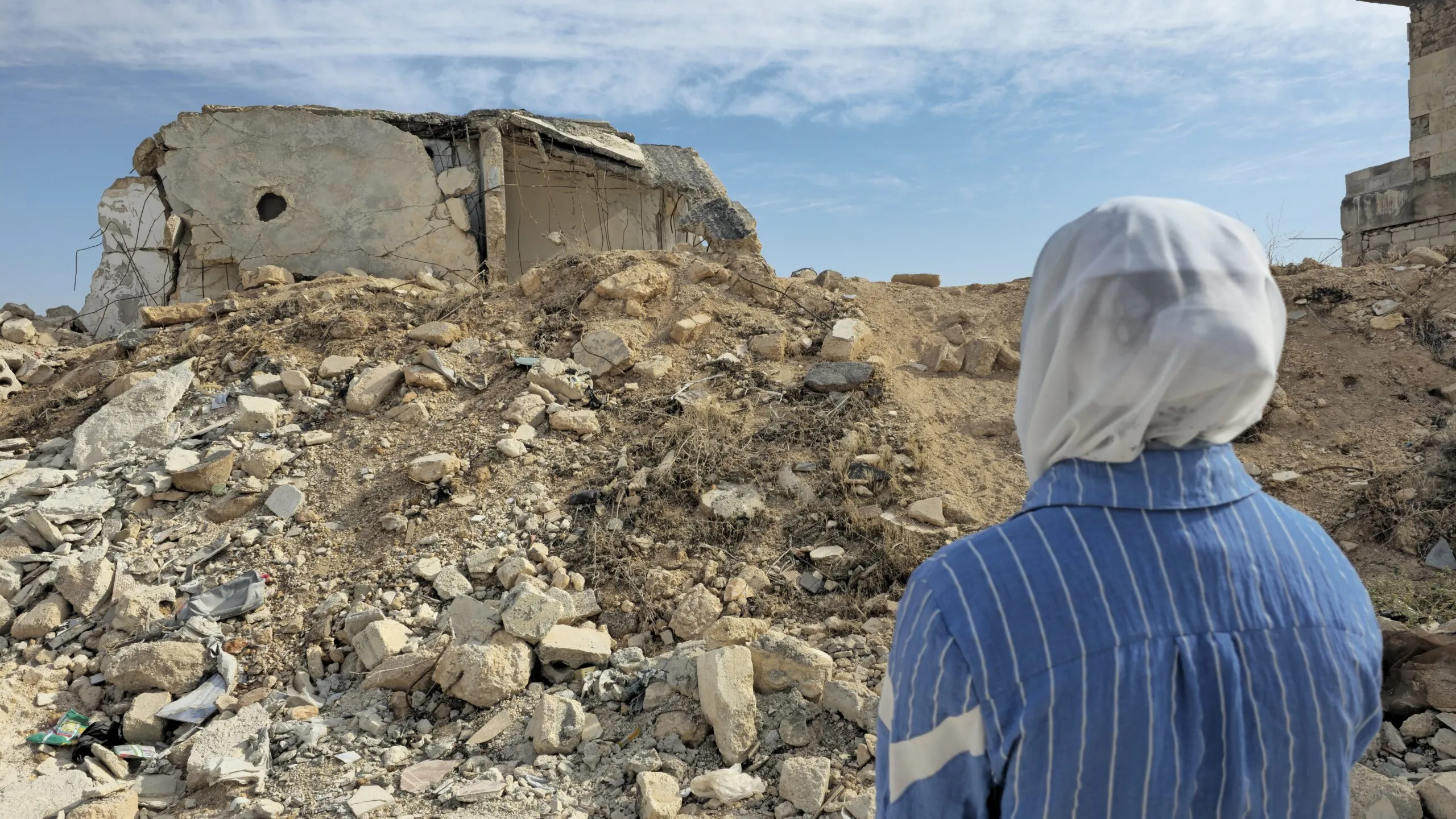
Amman, Jordan, 8 December, 2025 – One year after the major shift in Syria’s governance landscape, humanitarian needs across the country remain critical. Despite hopes for greater stability, millions of Syrians continue to face widespread destruction of homes and infrastructure, limited access to basic services, a severe economic downturn, and ongoing safety concerns making voluntary and dignified return impossible for many displaced families. Fragmented control and intermittent tensions further complicate daily life and the delivery of assistance.
CARE warns that without sustained and quality funding, vital humanitarian programs will be at risk at a time when needs are rising across Syria.
“Despite hopes for greater stability, the daily reality for many Syrians has not improved,” said David Macdonald, CARE Syria Country Director. “Families are still struggling to meet basic needs, from shelter and healthcare to protection and livelihoods. The scale of unmet needs requires continued attention and investment from the international community.”
Today, approximately 16.5 million people -nearly two thirds of the population- rely on humanitarian assistance, yet funding shortfalls have sharply reduced response capacity. With less than a month remaining in the year, the Syria Humanitarian Response Plan 2025 is only 29% funded, resulting in service gaps and reductions in critical aid.
According to UNHCR, more than 1.2 million refugees have returned from neighboring countries since last December, alongside 1.9 million internally displaced people who have also gone back to their areas of origin. However, more than 1.2 million people -three quarters of them women and children- continue to live in camps and informal shelters, unable to return due to destruction, limited services, and ongoing safety concerns. Vulnerable groups, including women, girls, the elderly, and persons with disabilities, remain at heightened risk as support systems weaken.
“Each year feels harder than the one before. Prices rise, aid decreases, and it becomes a struggle just to meet basic needs. But I keep going because I have no other choice,” said Fawzia, a 52-year-old displaced woman living alone in a camp in northern rural Aleppo. “Even simple necessities have become out of reach. People are tired, really tired.”
Despite the challenges, the changes of the past year have created new opportunities for more cohesive and coordinated programming. CARE has strengthened its ability to reach crisis-affected people across different regions of Syria, working with local partners to deliver life-saving assistance, protection services, and early recovery and livelihoods support. Since December 2024, CARE and its partners have reached more than 1.72 million unique individuals across Syria through life-saving and early recovery programming. This support includes:
- Access to clean water, sanitation, and hygiene services for over 1.16 million people, including displaced families living in camps and informal settlements.
- Livelihoods restoration and market and infrastructure recovery for more than 295,000 individuals, helping families regain income and rebuild community resilience.
- Protection services for over 28,500 women and girls affected by the crisis, ensuring safe spaces, psychosocial support, and referral pathways.
- Essential health services for 2,700 people, improving access to primary and reproductive health care.
- Cash assistance and in-kind support for over 219,000 individuals, helping families meet urgent food, shelter, and basic needs.
- Shelter rehabilitation and site improvement services for more than 5,000 people, improving safety, privacy, and living conditions in displacement sites.
As the one-year milestone approaches, CARE urges the international community to maintain its engagement and ensure that essential humanitarian and early recovery programs can continue.
“Syrians continue to show remarkable resilience, but resilience alone is not enough,” added Macdonald. “Sustained, quality funding, including grants that directly reach local and women-led organizations, is essential to maintain critical services and support people’s dignity and recovery.”
For media inquiries, please email usa.media@care.org, or contact Sulafah Al-Shami, CARE’s Regional Communications Advisor for MENA, sulafah.al-shami@care.org