March 19, 2026 in Lebanon: At a Beirut shelter, families receive parcels that offer essentials, dignity, and comfort

By CARE Staff March 19, 2026

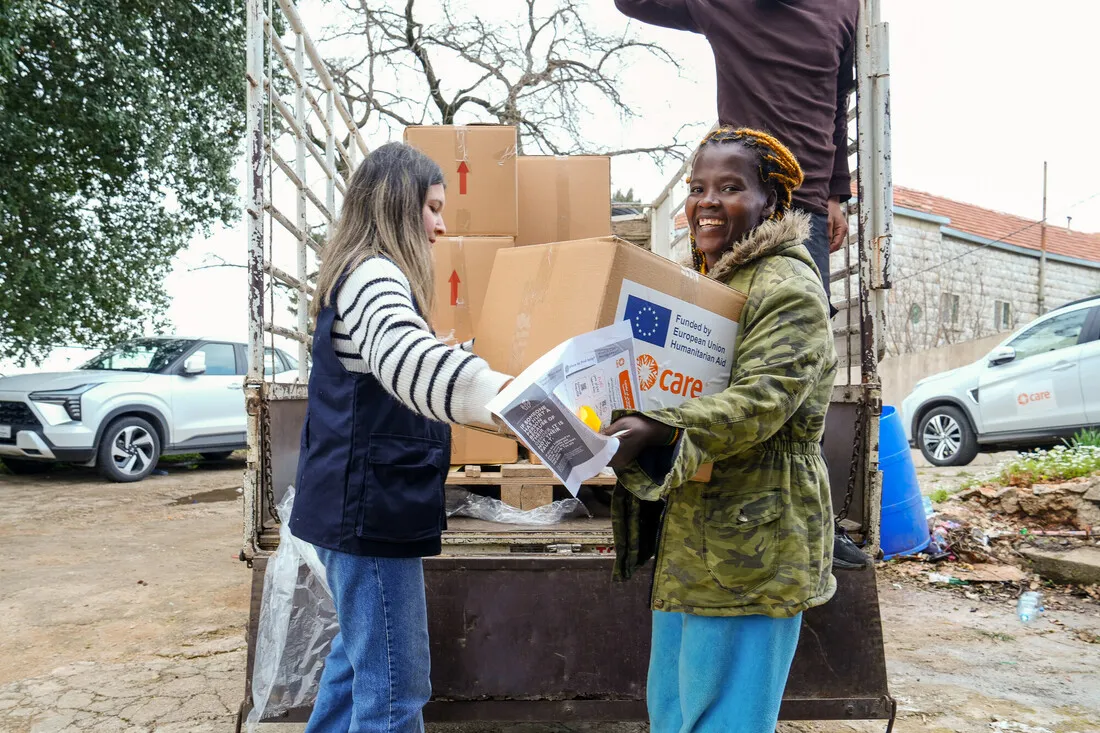
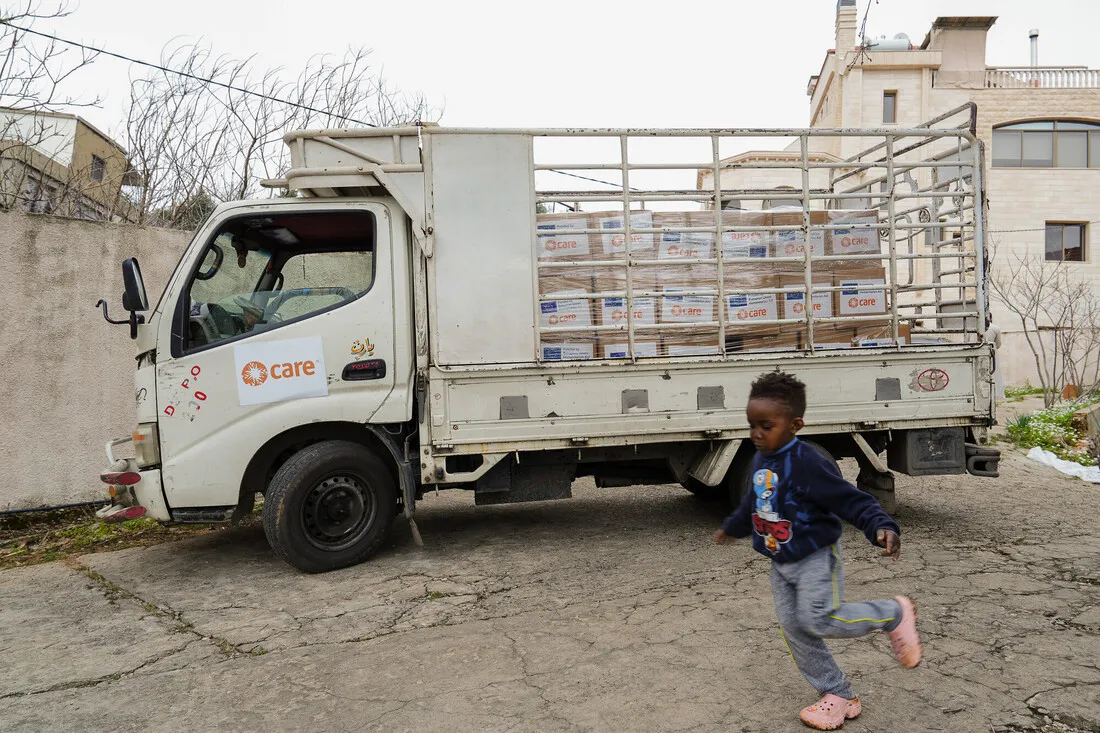
A child in motion passes a parked delivery truck loaded with CARE aid boxes. The scene appears to be in a neighborhood, evoking a sense of relief effort.

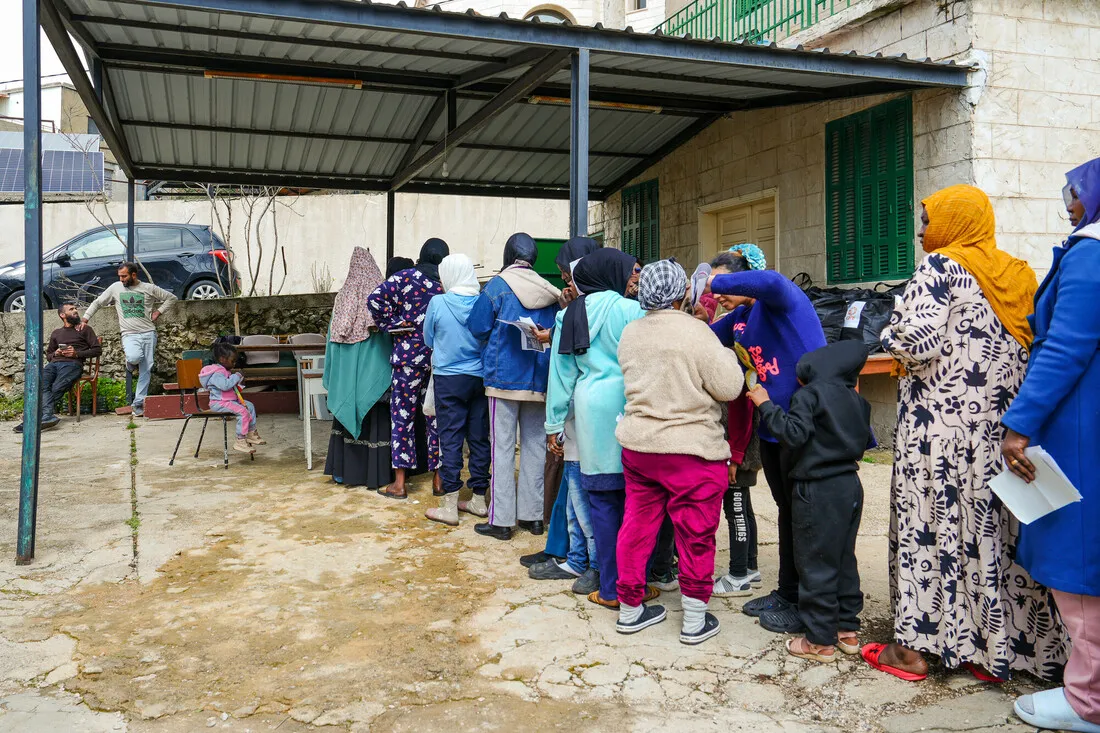
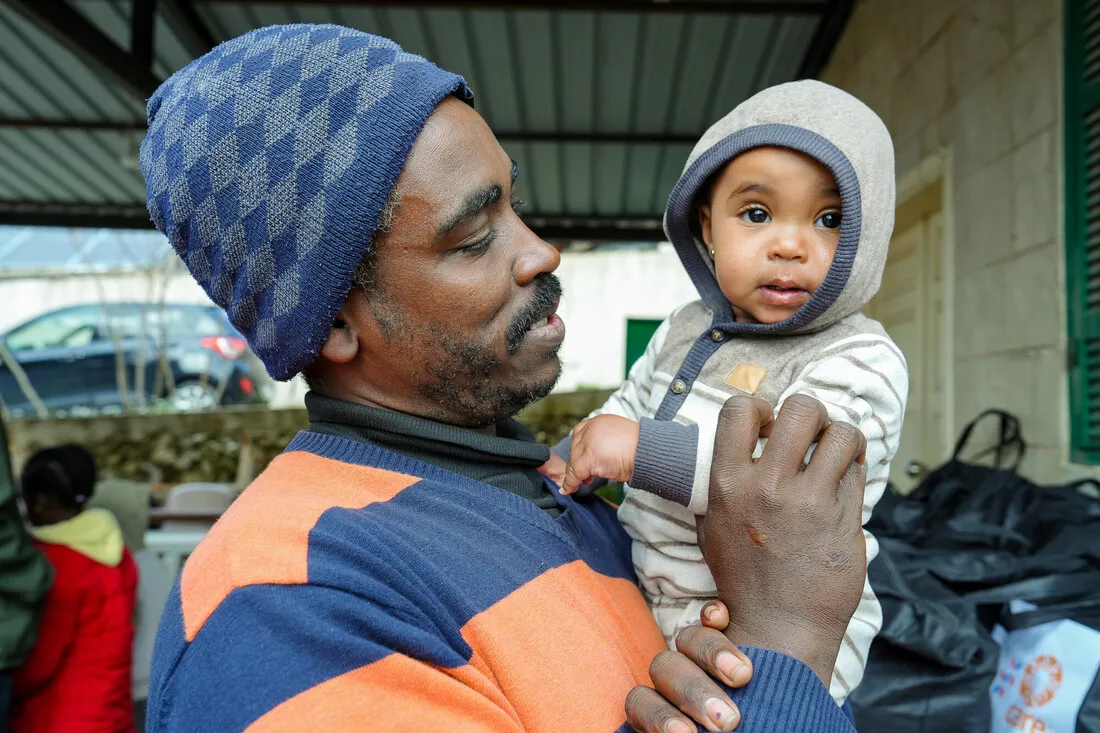
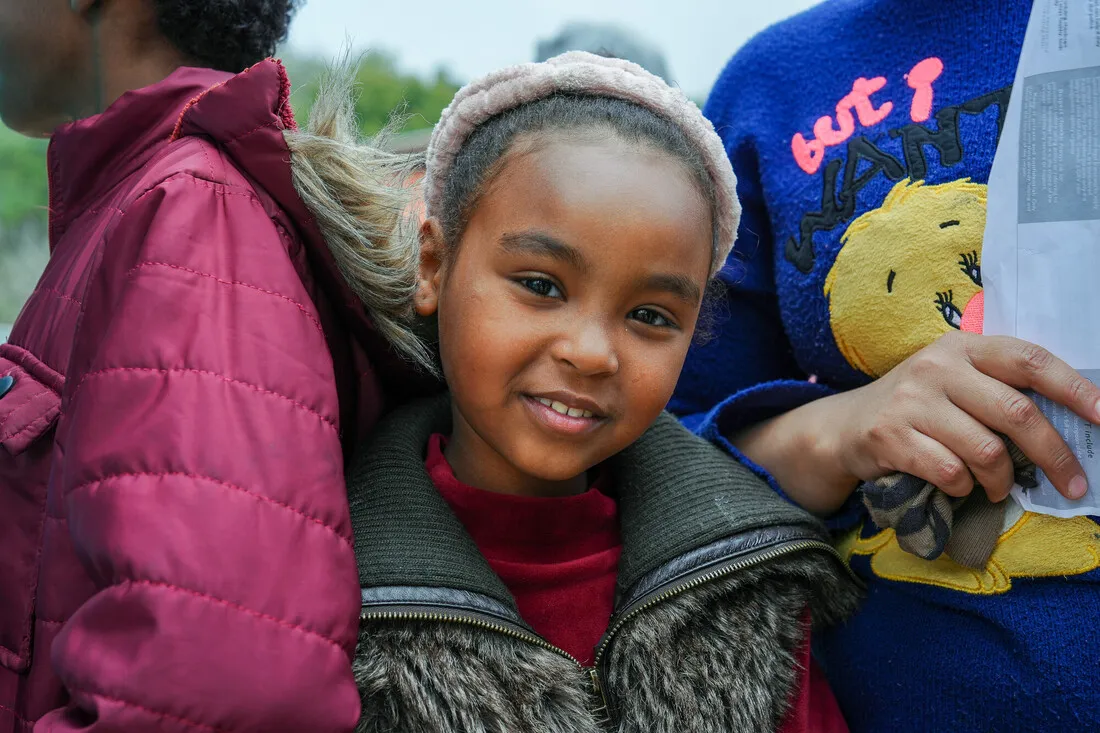
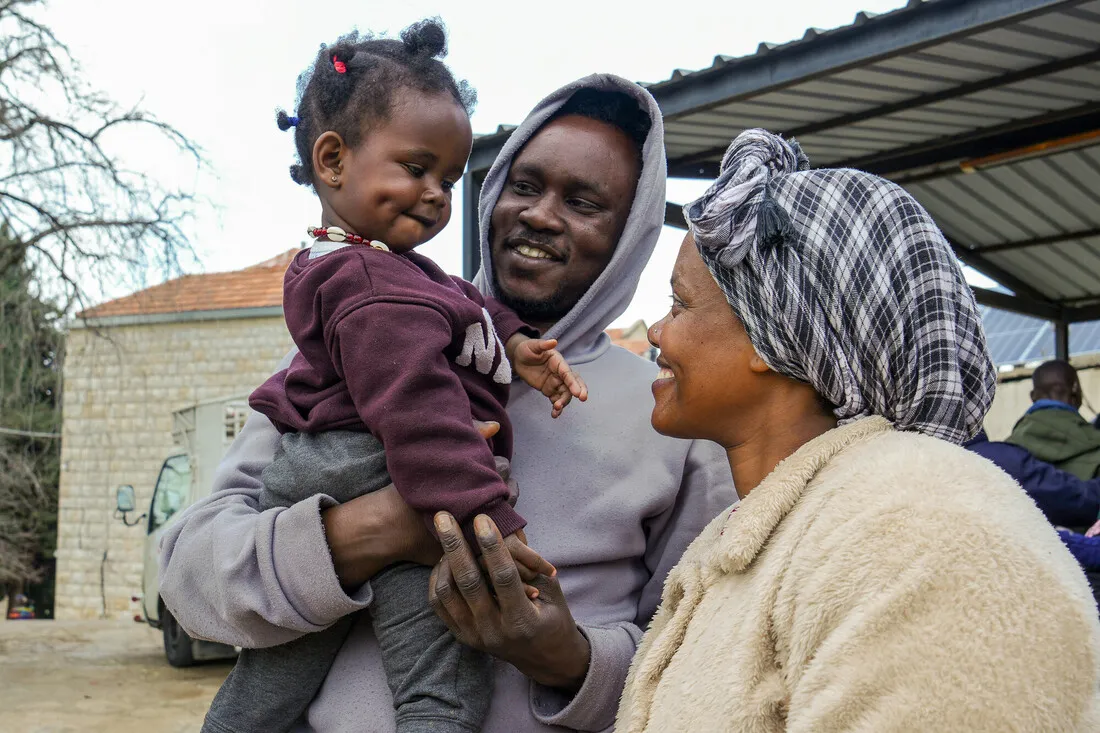
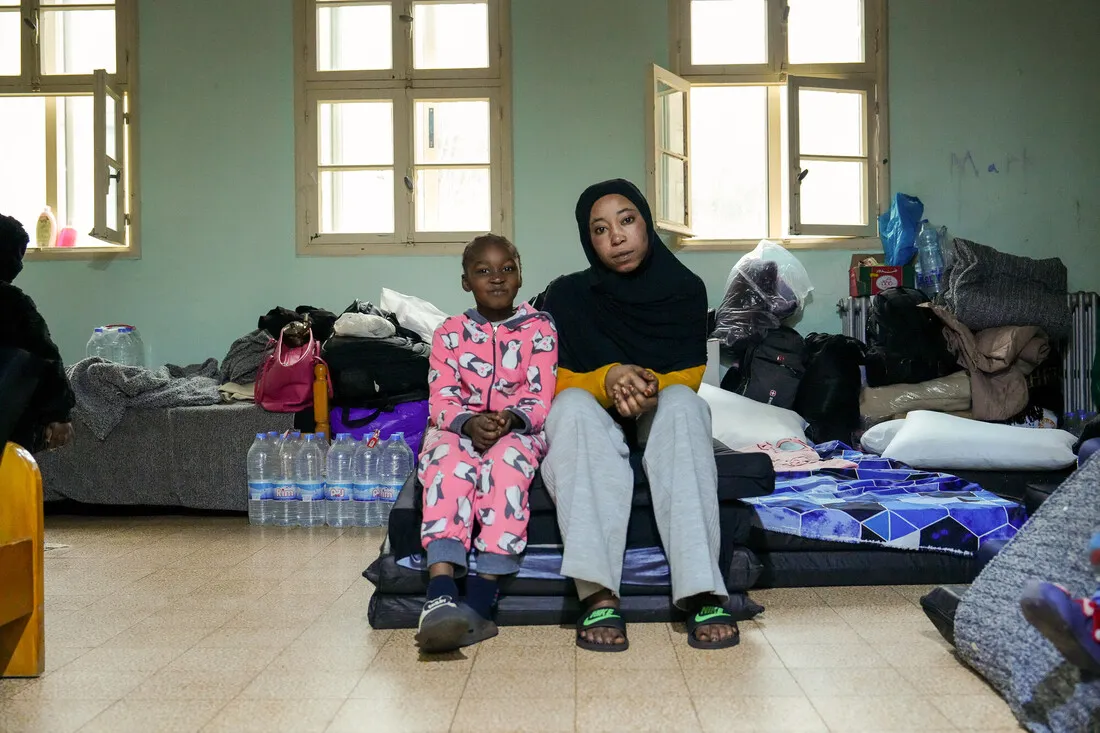
In Ghosta, in Lebanon’s Keserwan District, a temporary shelter is hosting people displaced by the growing conflict. Most of the families staying there are Sudanese and Ethiopian. Many have already been forced to flee violence or crises in other countries before coming to Lebanon in search of safety.

Dispatches from Lebanon

Read firsthand accounts from CARE staff responding to the rapidly shifting needs in Lebanon.

Read more

We fled the war in Syria a few years ago when I was pregnant and we sought refuge in Lebanon. Now we’re facing a new war here. It forced us to flee from our home in the south of the country.

Ihna

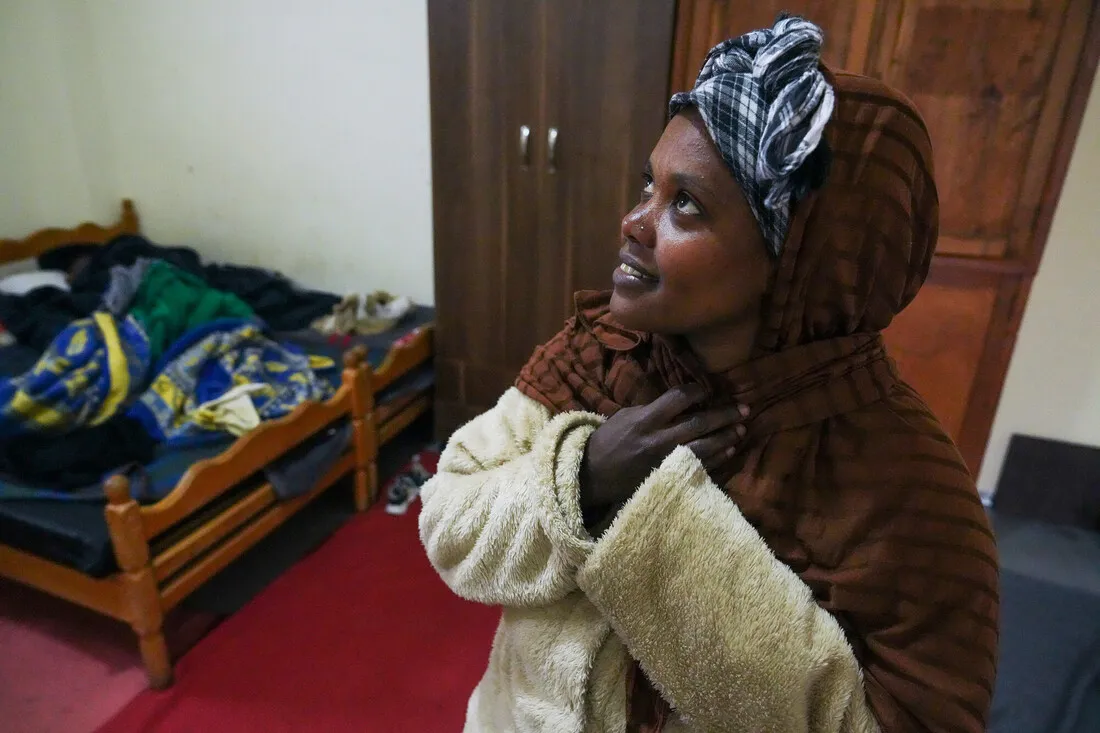
Images from a temporary shelter in Beirut, March 19, 2026

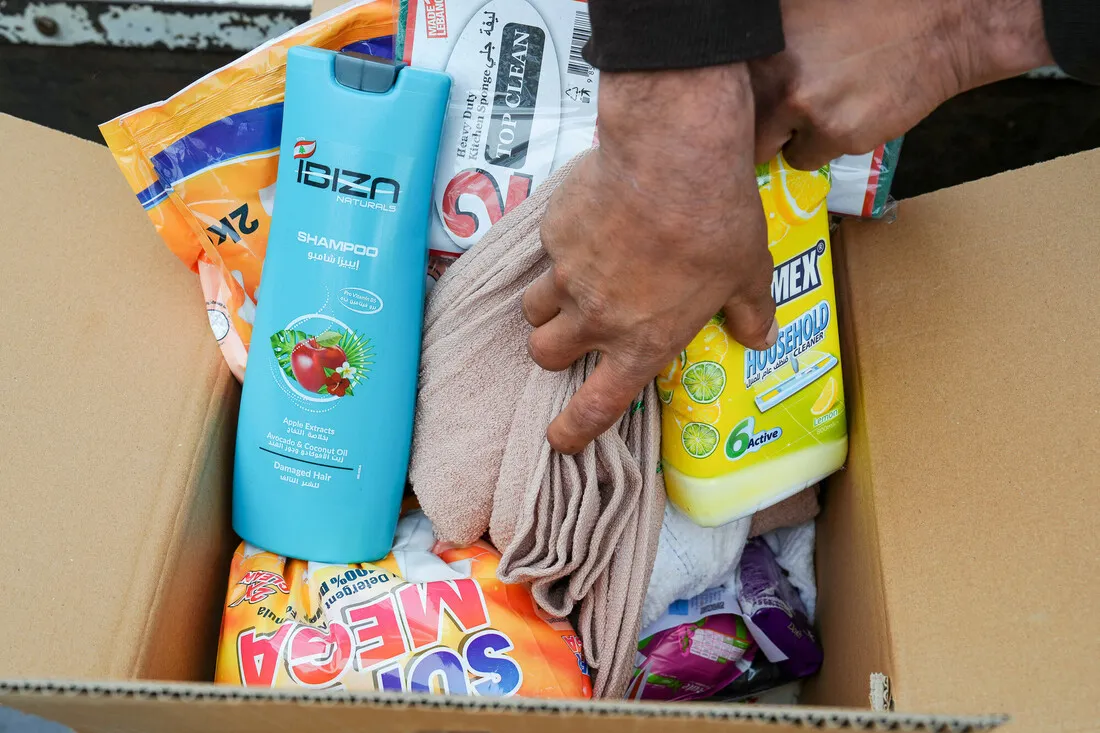
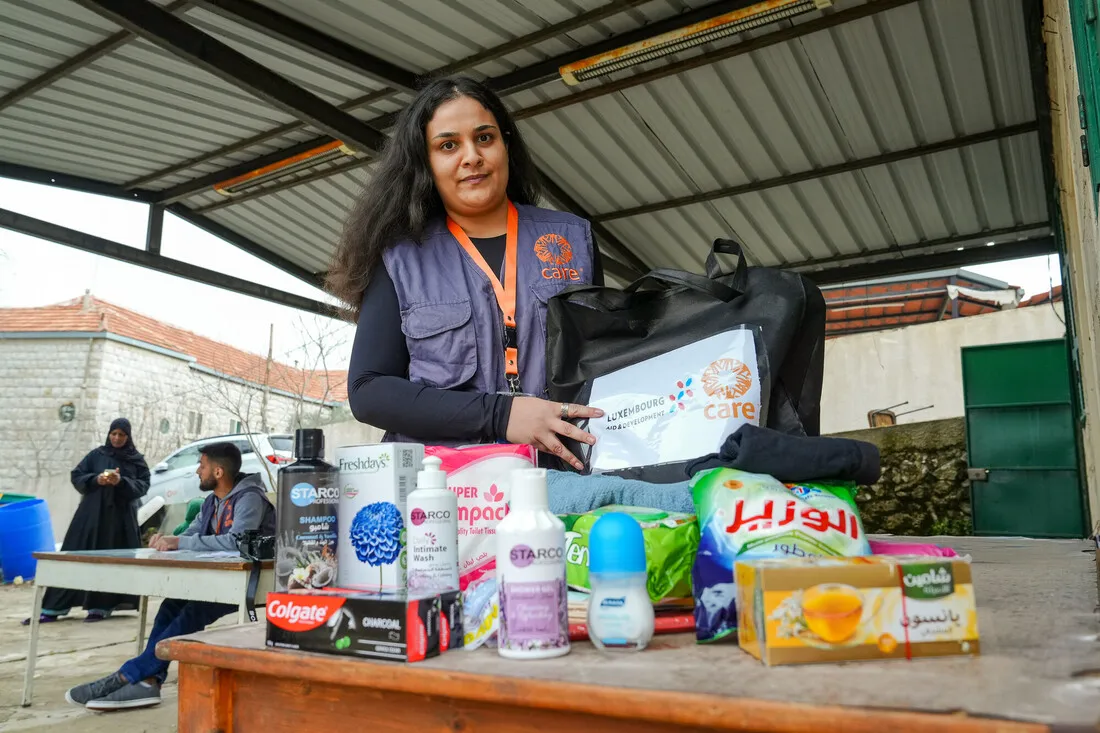
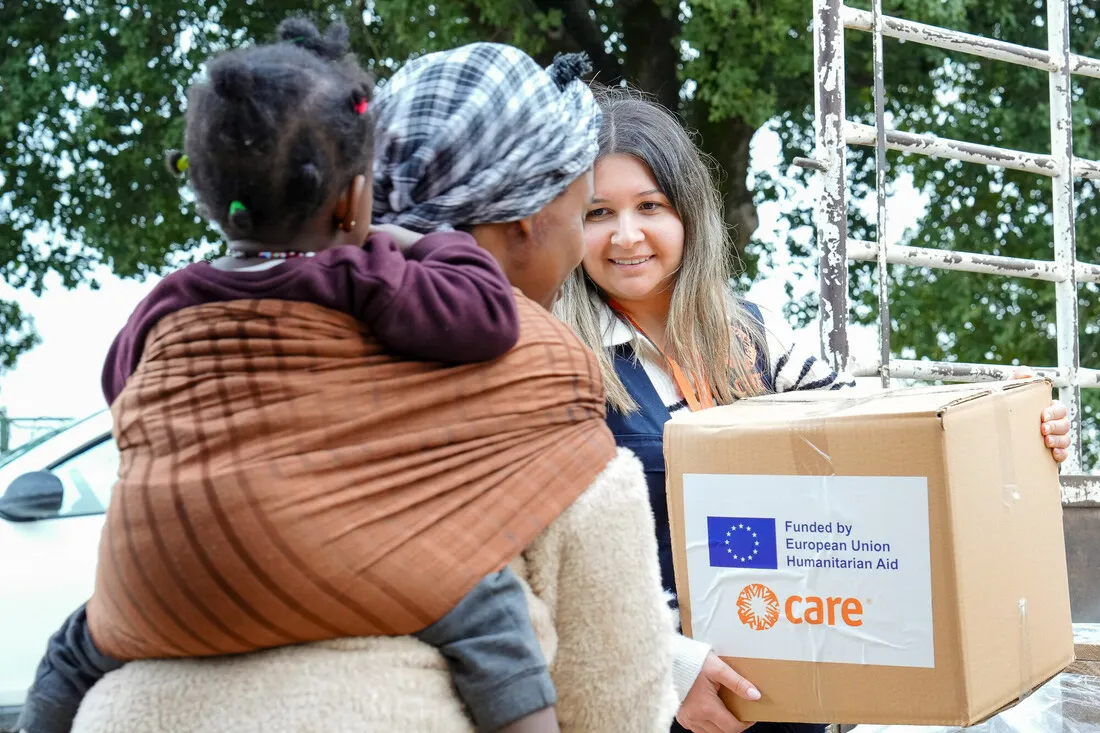
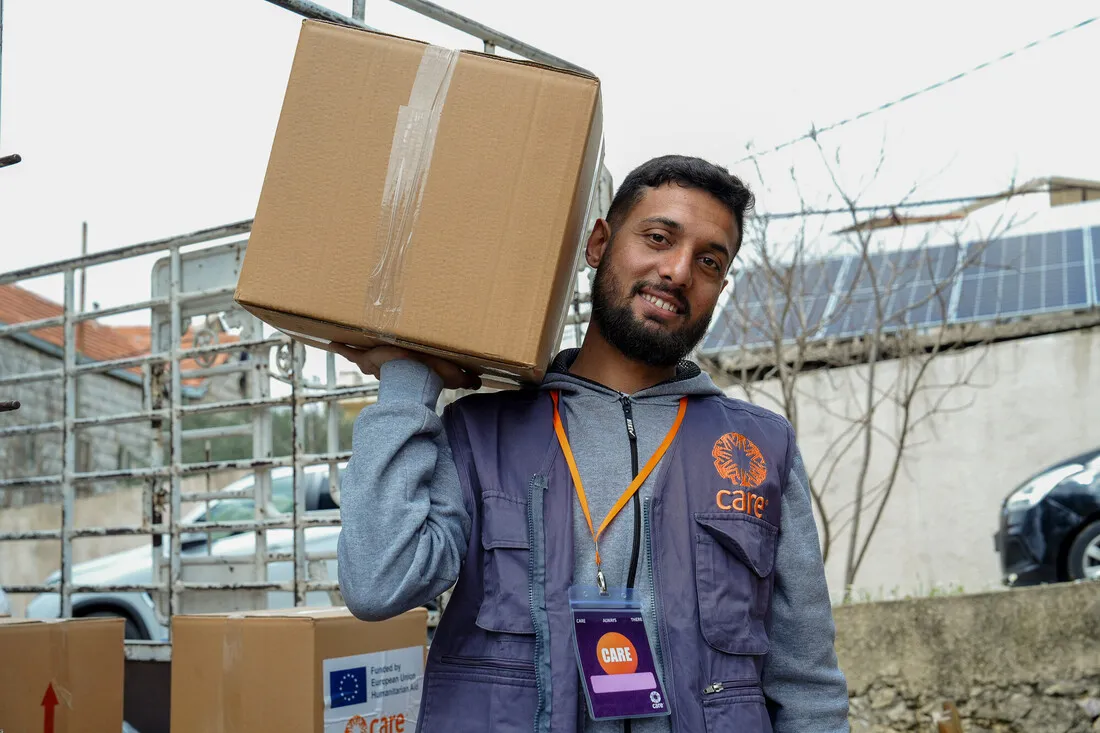
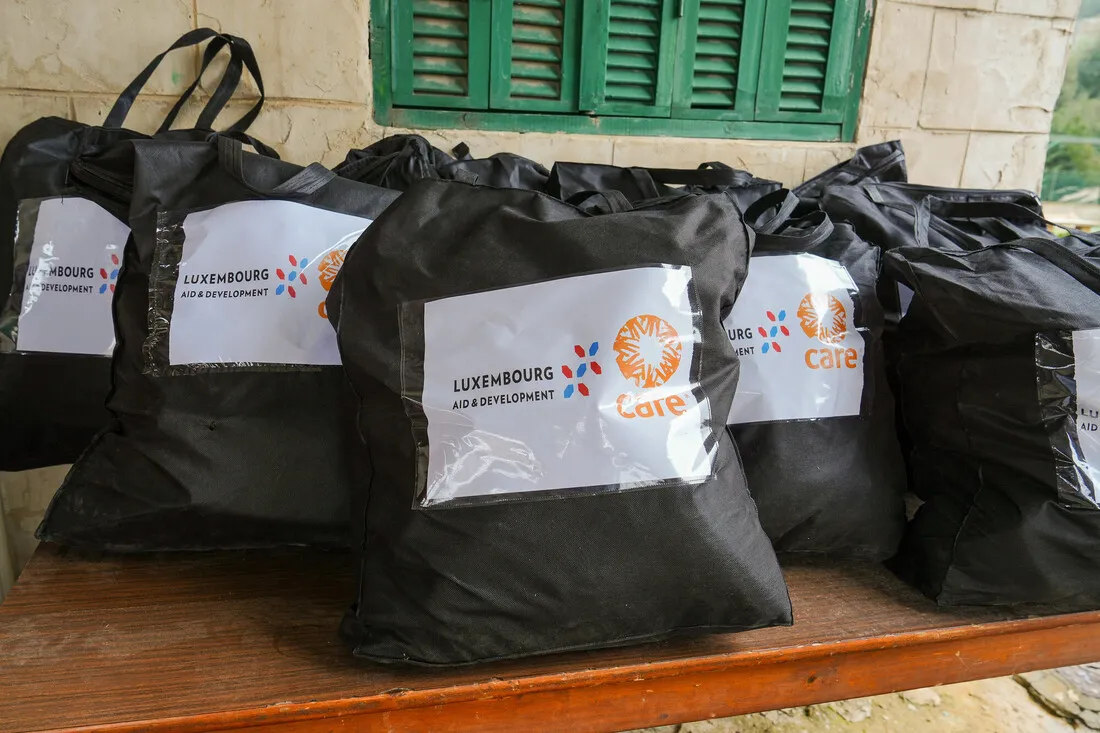
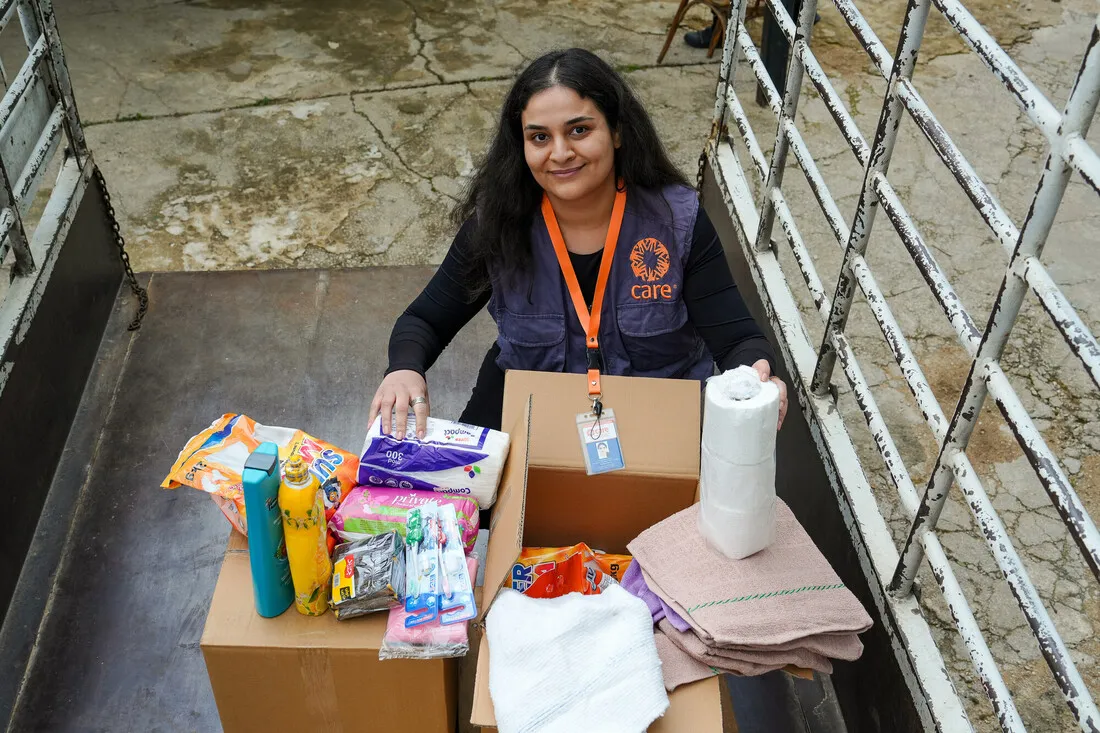
On March 19, CARE visited the shelter to distribute parcels containing food, toiletries, blankets, towels, and other essentials. For exhausted families who arrived with only what they could carry when they were forced to flee their homes, each box offers critical supplies, dignity, and a piece of comfort during the chaos of conflict.

Since the conflict began on March 2, CARE has distributed 11,682 gallons of drinking water, 37,395 hot meals, 218 hygiene kits, 1,168 ready-to-eat meals, 987 menstrual hygiene pads, and 701 dignity kits.

All photos by CARE.
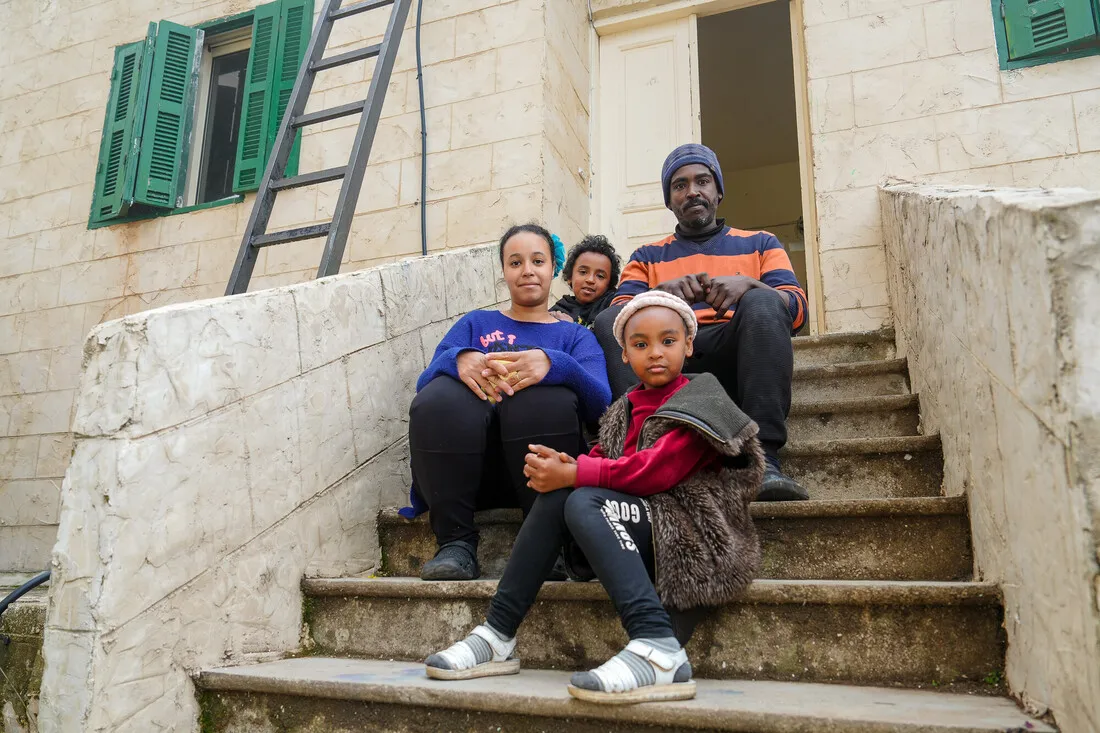
A cardboard box filled with household items including blue shampoo, yellow cleaning liquid, detergent, and a towel. Hands are organizing the contents. A child in motion passes a parked delivery truck loaded with CARE aid boxes. The scene appears to be in a neighborhood, evoking a sense of relief effort. A woman wearing a CARE vest holds a black bag at a distribution point. Various personal care items are displayed on the table. The background has a few people and a metal roof, conveying a supportive and helpful atmosphere. A smiling aid worker hands a box labeled A woman in a striped sweater hands a smiling person a box labeled A man with a beard, wearing a purple vest and ID badge, smiles while carrying a cardboard box on his shoulder. Solar panels are visible in the background. A diverse group of people wearing colorful clothing line up outdoors under a metal shelter. The tone is busy and communal, suggesting assistance or distribution. A man in a blue beanie and striped sweater holds a baby in a gray hoodie, looking at each other affectionately. Background has outdoor items. Young girl smiles warmly, wearing a fluffy headband and vest, standing between two people. One holds a paper, adding a cozy, cheerful vibe. A smiling man holds a baby while a woman gazes at them warmly. They stand outdoors near a building, conveying a sense of family joy and togetherness. A woman in a black headscarf and yellow sweater sits on a mat beside a child in pink pajamas. Behind them are bags and water bottles. The room appears modest and lived-in, conveying a sense of resilience and togetherness. A woman wearing a hooded jacket and headscarf looks upward with a hopeful expression. She stands in a cozy room with a bed and wooden cupboard. A family of four sits on stone steps outside a building with green shutters. They appear peaceful and close, creating a warm, familial atmosphere. Rows of black bags with
1 of 15
Ghosta, Keserwan District, Lebanon: 19 March 2026

CARE team member Mabelle Bitar shows the contents of a CARE PACKAGE® distributed at the shelter.

Aicha’s Story

Aicha, her husband, and their two young children are staying at the shelter in Ghosta. Originally from Ethiopia, she was among the residents who received assistance during the March 19 distribution.

“I use to live in the south of Lebanon, in Bint Jbeil. On March 2, Sunday, at 1 a.m., the war started. We left on a motorcycle at 2 a.m. We stayed on the road for four days and arrived on the fifth day. And then they received us here. We do not have any belongings, and getting items is important. My husband, my two babies, and I came here on a motorcycle because we could not find a car or a taxi. We were very tired on the road.

We sought refuge in this informal shelter. There is nowhere else to go. We were also here during the previous war, in 2024. I stayed here for nine months in 2024. This box and the items donated by CARE are very important to us because we cannot buy anything. I hope that our lives will improve for me and my children. We have suffered a lot. Since 2024 until now we have been living through war and displacement, going back and forth. I swear, we are exhausted.”

Read the March 18 dispatch: The scale of displacement is unprecedented


Lebanon is facing one of the most severe impacts of the growing Middle East crisis, with more than a million people displaced and shelters stretched nearly to capacity. Through firsthand accounts from CARE staff, Dispatches from Lebanon offers an on‑the‑ground look at how fuel shortages, insecurity, and rapidly shifting conditions are shaping life for families and frontline responders.

Back to Top