March 31, 2026 in Lebanon: "The need for support is urgent and immediate"

By CARE Staff March 31, 2026

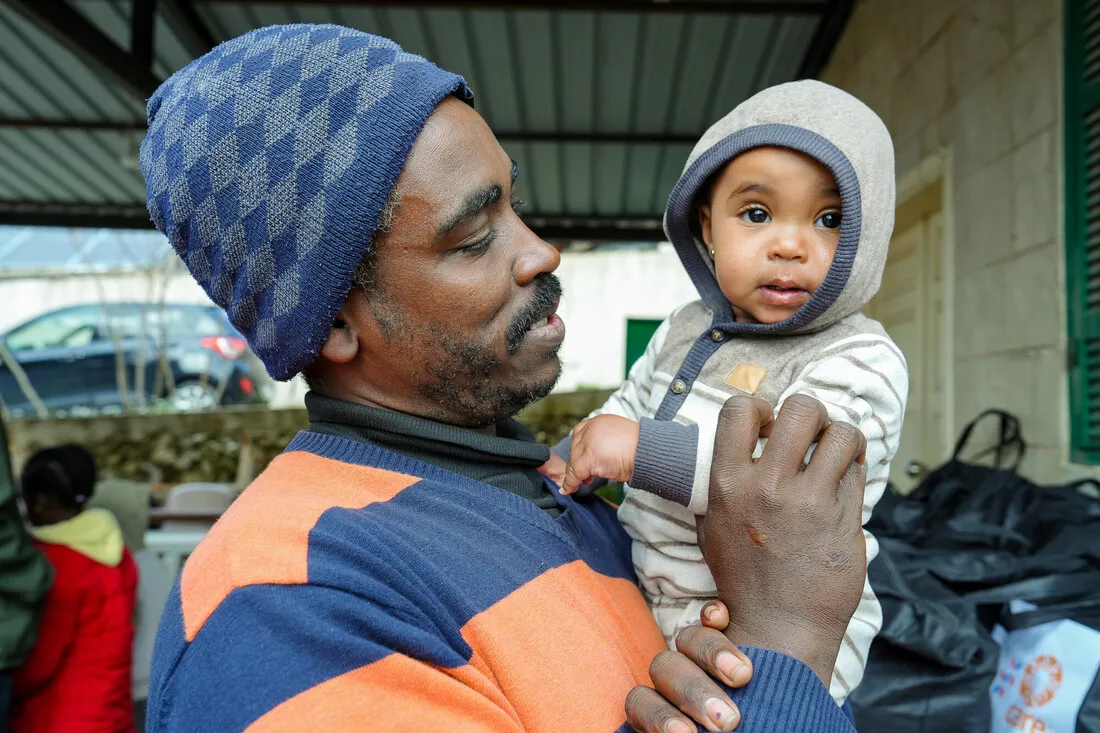
A man in a blue beanie and striped sweater holds a baby in a gray hoodie, looking at each other affectionately. Background has outdoor items.

At an informal shelter in the northern suburbs of Beirut, CARE distributed essential to displaced people. CARE team member Jinane El Homayra describes the harsh reality for families sheltering in schools, soccer stadiums, gymnasiums, and on the streets.

Dispatches from Lebanon

Read firsthand accounts from CARE staff responding to the rapidly shifting needs in Lebanon.

Read more

As Lebanon is facing one of the most sudden, large scale waves of displacement in the country’s history, CARE Lebanon has been distributing vital goods such as soap, shampoo, sanitary pads and towels to displaced people. Many of these families had to flee their homes in a matter of moments and with very little or nothing at all.

As of March 26th, CARE and its partners have reached 23,750 people across 86 collective shelters, as well as displaced families living outside in makeshift sites. Inside the shelters, CARE Lebanon has been dedicated to distributing essential items that provide immediate relief. But supplies are running out fast. The need is urgent and immediate.

In this video, CARE team member Jinane El Homayra describes the urgent, immediate needs facing women, children, and men in informal shelters and on the streets.

We fear that this displacement will be long lasting. We are deeply concerned for these women, children and men.

Jinane El Homayra

Read the March 23 dispatch: On CNN, CARE team member shares what humanitarian aid looks like in real time


Lebanon is facing one of the most severe impacts of the growing Middle East crisis, with more than a million people displaced and shelters stretched nearly to capacity. Through firsthand accounts from CARE staff, Dispatches from Lebanon offers an on‑the‑ground look at how fuel shortages, insecurity, and rapidly shifting conditions are shaping life for families and frontline responders.

Back to Top