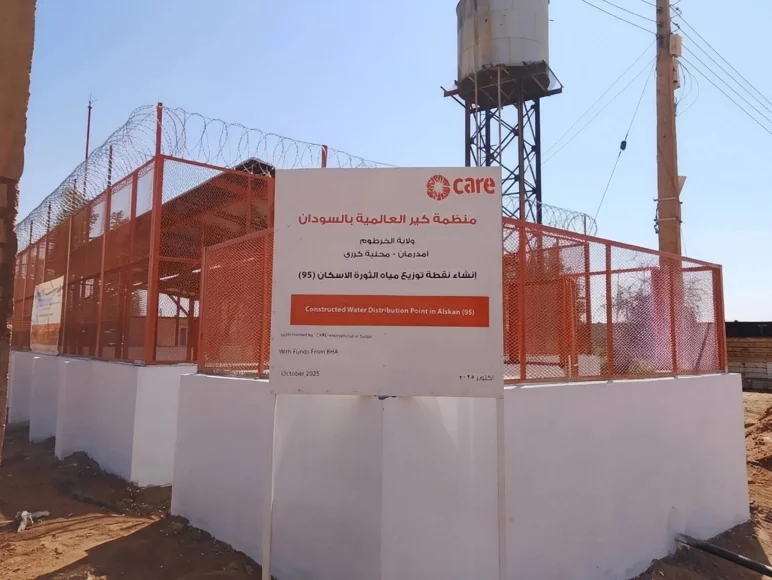
Amel, a mother of four, still remembers the moment she turned on the tap — and water actually came out.
It had been more than two years since she fled. Relentless shelling forced her out of her Hara 95 neighborhood in Omdurman in April 2023. She ended up in a school in Kassala — more than 300 miles away. Families slept shoulder to shoulder on thin mats. Water was rationed. Her children grew weaker from hunger and disease.
When the fighting quieted earlier this year, she came back. The city was in ruins. But the water was running.
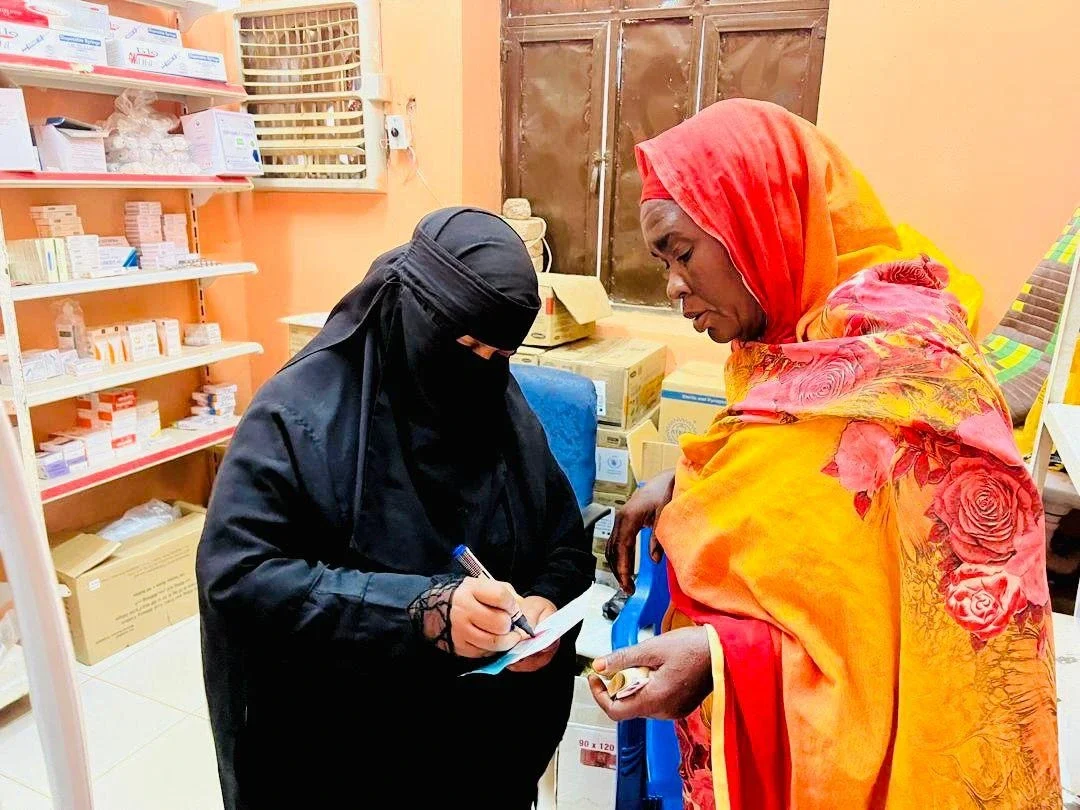
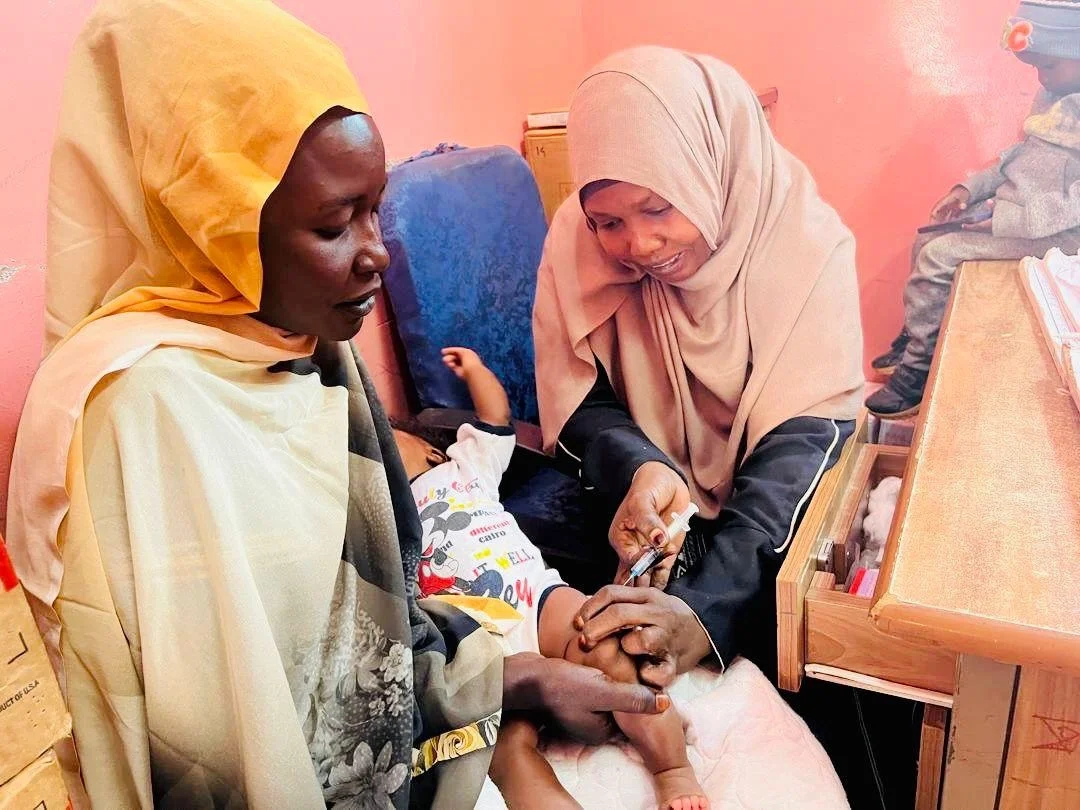
“My main concern was getting clean water and health services,” she said. “The conflict destroyed everything: civilian infrastructure, clinics…all of it.”
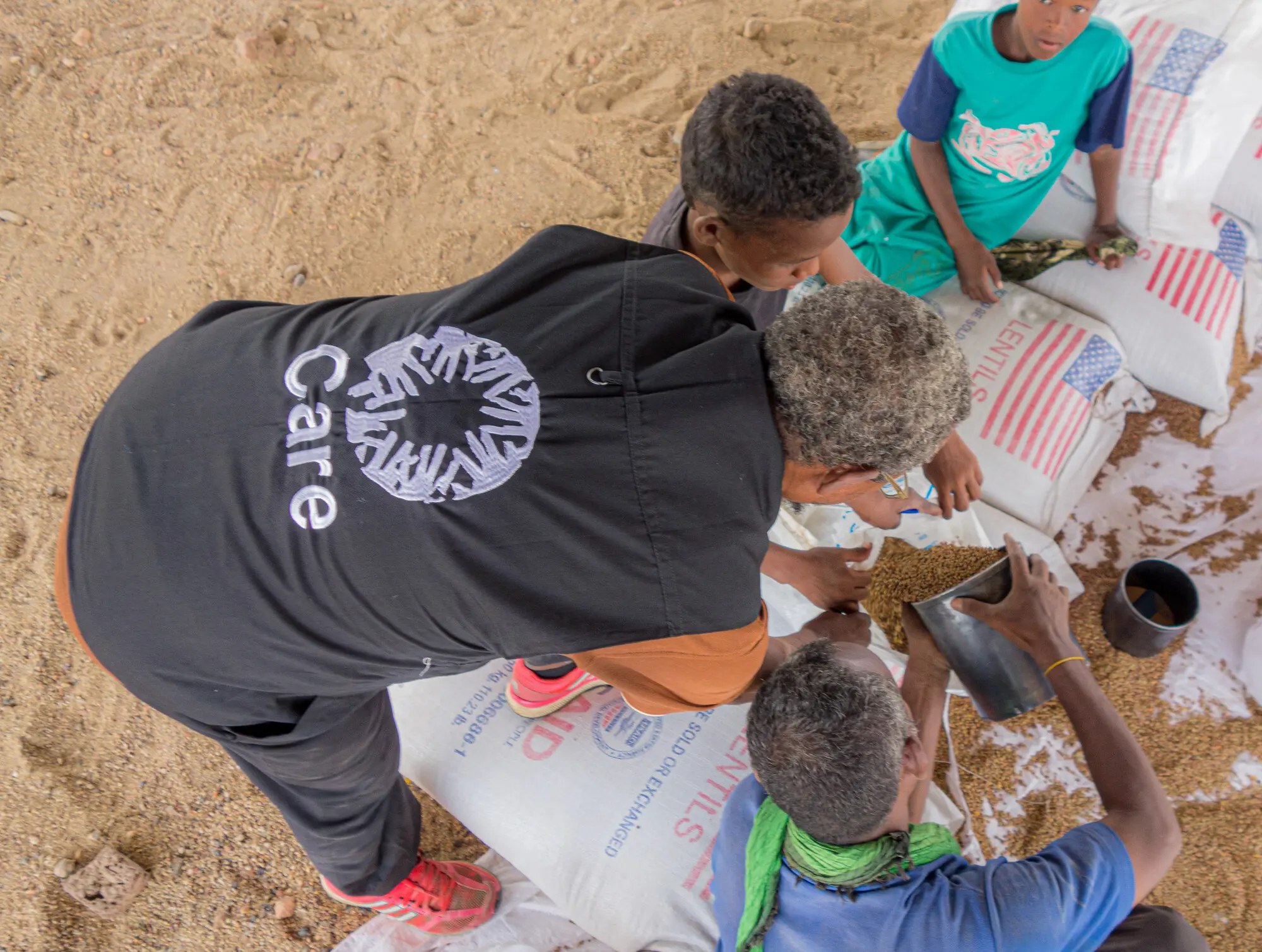
This destruction has triggered mass displacement, famine, collapsed water systems, and cholera outbreaks across Sudan.
The breakdown of water, sanitation, and hygiene (WASH) systems has led to 124,418 cases of cholera and 3,573 deaths across all 18 states from August 2024 to January 2026.
“The conflict in Sudan has targeted water sources and infrastructure, and civilians are paying the heaviest price,” said Baderalzaman Issa, WASH lead for CARE Sudan in Khartoum State.