The human cost of funding cuts: Lives and futures at risk in Somalia

By Ummkalthum Dubow, Country Director, Somalia August 7, 2025

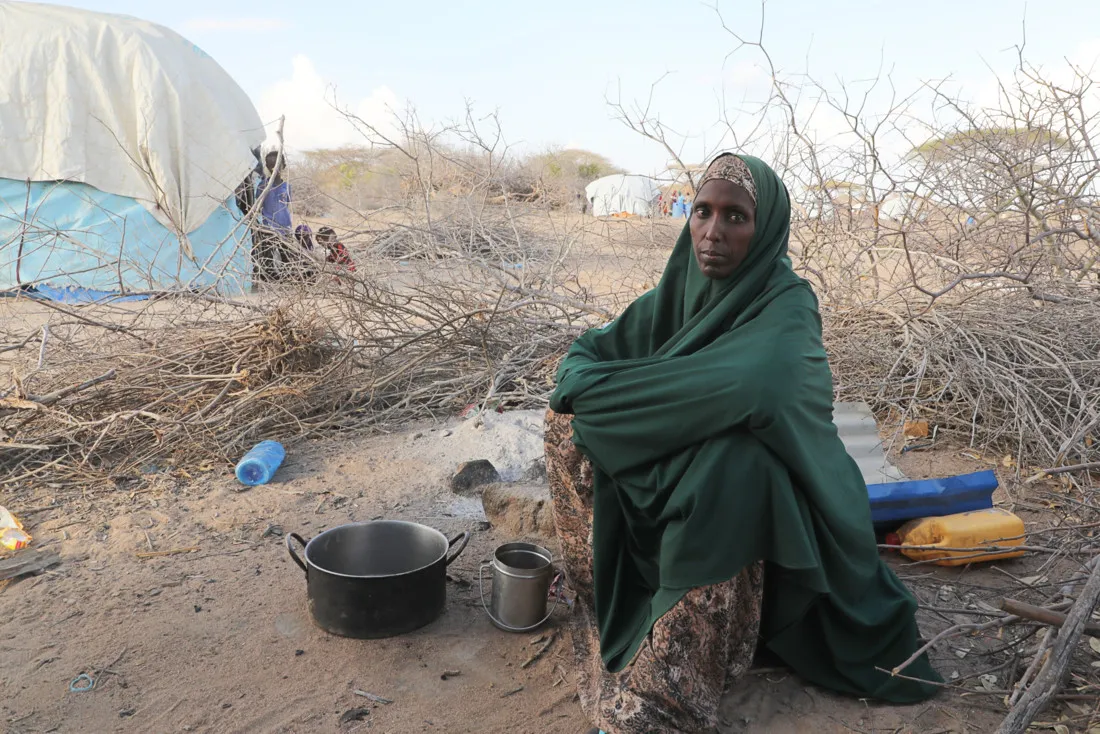
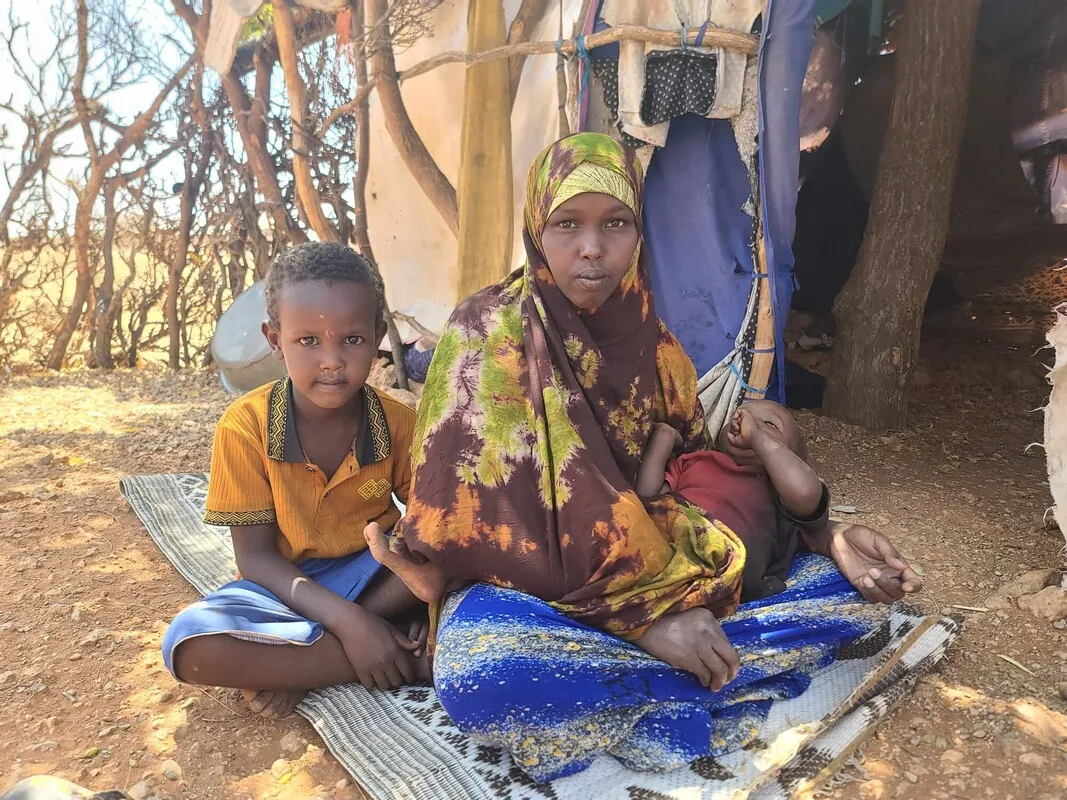
A Somali woman wearing a green shawl and patterned dress sits on the ground in a dry, sparse area surrounded by leafless branches, with an empty cooking pot and metal cup in front of her and dome-shaped tents in the background.

Nearly 3.5 million people in Somalia had to leave their homes due to a deadly mix of prolonged conflict, worsening droughts, floods, and severe food shortages Photo: Saddam Mohamed/CARE

We are facing an impending starvation crisis. We foresee young girls dropping out of school and families marrying off their young daughters to save and find food for their families. Mass exodus and displacement will follow, with people moving within the country and beyond its borders to Kenya, Ethiopia, and elsewhere seeking livelihoods.

Want more stories like this?

Sign up for the CARE News & Stories email newsletter to find out more about what’s happening around the world through vibrant, engaging stories that put humanity at the center.

Subscribe

These tragic outcomes are the direct consequences of recent significant funding cuts in Somalia. Already grappling with a protracted crisis fueled by drought, conflict, high food prices, and flooding damage, the country’s humanitarian situation continues to deteriorate.

About 4.6 million people — nearly one in four Somalis — are facing high levels of food insecurity. Of these, about 800,000 are experiencing emergency levels of food insecurity. More than 1.8 million children — nearly 10% of the population — are suffering from acute malnutrition, placing their lives at severe risk.

The malnutrition crisis is accelerating faster than anticipated, worsened by seasonal challenges and the fallout from the 2024 drought.  With little to no rain, agricultural activities have come to a halt — making it nearly impossible for families to grow the food they desperately need.

As of June 30, 2025, nearly 3.5 million people have been internally displaced, seeking refuge elsewhere within the country amid severe food shortages.


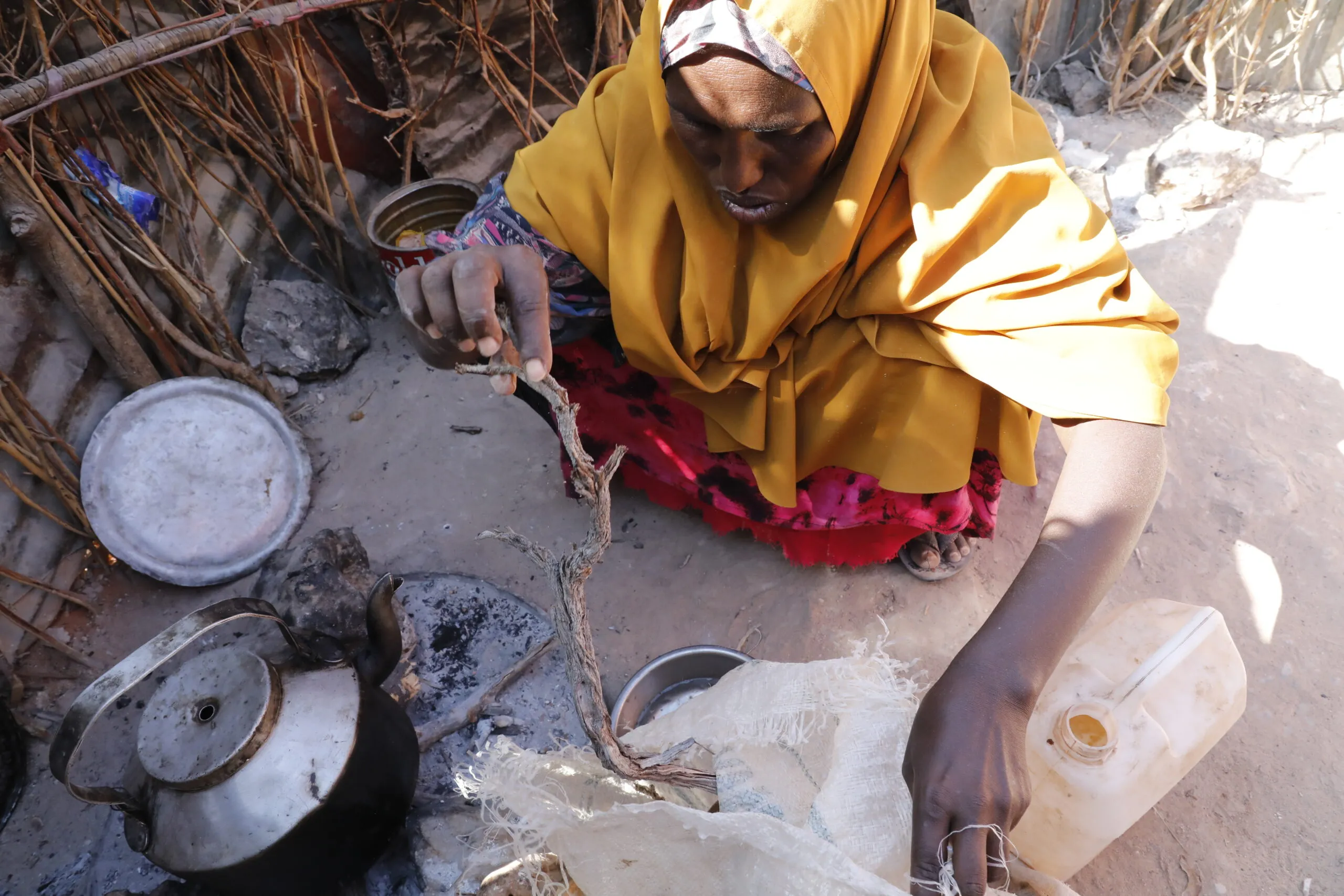
“We often eat only once a day,” says Deeko. Photo: Khadar Nur/CARE

Deeko Abdi Hassan, 43, a mother of four, is among them. After all her sheep and camels died of hunger and thirst, she walked five hours from her village to central Somalia, where she now lives with her children. Meanwhile, her husband has left in search of food.

“We often eat only once a day — if at all. I walk two hours every day to carry water on my back because it’s so scarce,” she told us. “When I ask neighbors for food, sometimes they can share a little maize or beans, but often they have nothing, and my children go hungry with only water.”

Thousands more are at risk of dying without urgent humanitarian assistance. Across Somalia, emergency food and cash assistance have decreased by 56% and the number of people receiving monthly support has dropped from 1.8 million to an estimated 800,000.

I want to draw the international community’s attention to the scale and severity of the crisis, which has made Somalia one of the world’s most critical emergencies this year. To put this in perspective, the 2011 famine alone claimed nearly 260,000 people — more than half of them children. And nearly half of the deaths occurred before the famine was even declared.

“This is a death sentence.”

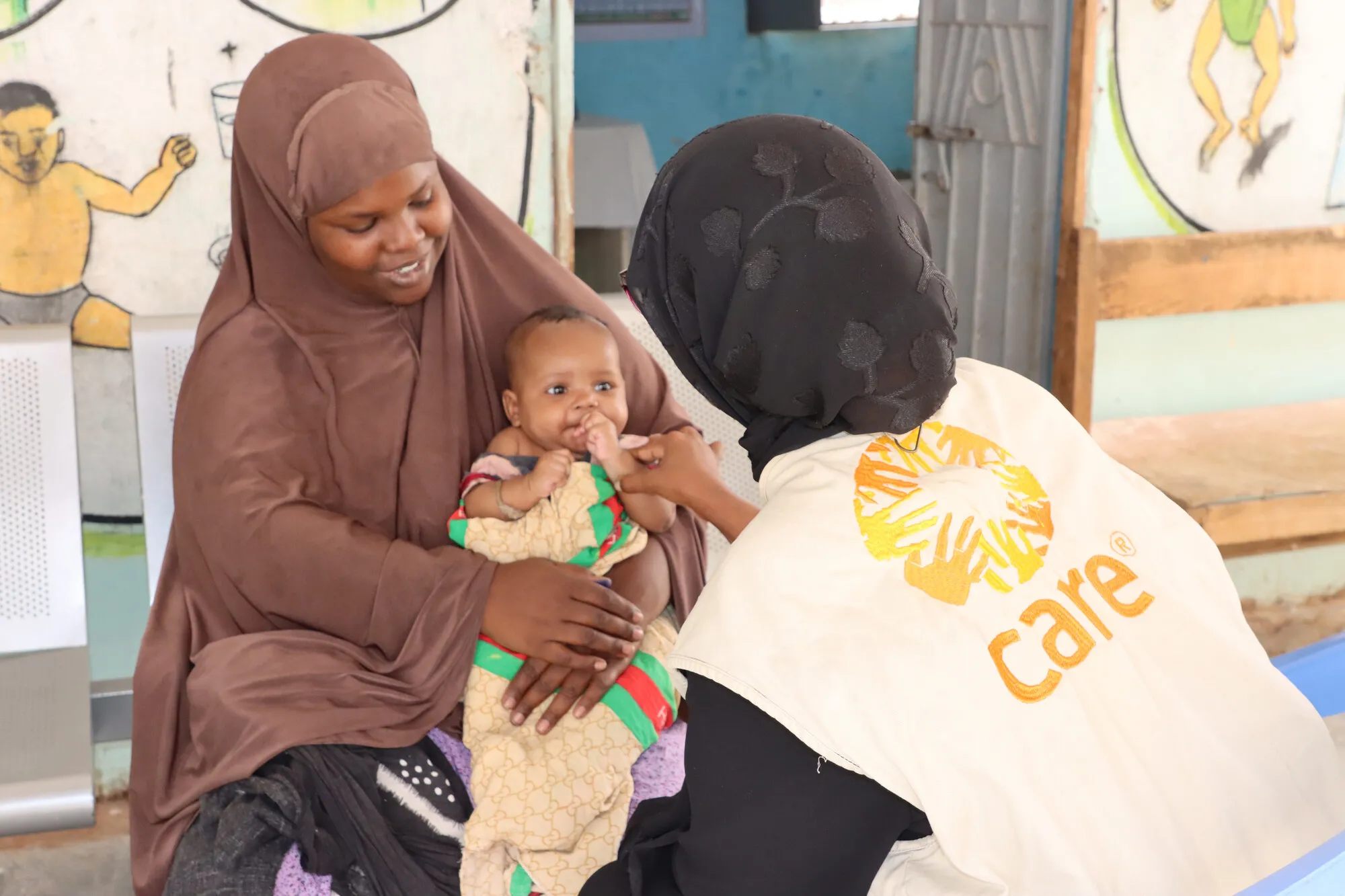
Funding cuts have forced CARE to close over 150 health facilities this year. Photo: Khadar Nur/CARE

Sadly, just as needs are growing, critical funding is shrinking. These funding cuts have forced us to scale back or shut down some of our life-saving aid operations. For example, we have had to close over 150 health facilities this year. This means patients must travel long distances, increasing the likelihood of delayed treatment, stunting, and even death. Without additional funding, at least 1.5 million people across 32 priority districts will lose access to healthcare.

As we often see around the world, women, young children, pregnant women, and breastfeeding mothers in Somalia bear the heaviest burden of this crisis. Every day at the centers we operate, we witness heartbreaking stories: pregnant women sacrificing their own nutrition, mothers helplessly watching their children waste away from acute malnutrition, and young girls being pulled from school to help their families survive.

Sucdi, a mother, shared the helplessness of watching her child deteriorate from severe malnutrition — until emergency care through a CARE-supported facility saved her child’s life. “I thought I had lost my child. But today, she is alive — and as long as she is well, that is everything to me.”

We felt grateful to be able to help Sucdi, but every day our capacity to aid others diminishes due to dwindling funds. The loss of basic healthcare services could have deadly consequences.

In some of the remote and underserved areas, CARE and our partners used to provide basic healthcare for 80,000 people through mobile medical vans. Since healthcare infrastructure is limited, these vans were the only hope for many families. But now, this vital service is gone due to lack of funding.

Alinur Ali Aden from GREDO, one of our partners, described the situation this way: “We have been forced to halt life-saving programs that supported thousands of women and children. For many, this means a death sentence.”

We cannot stress enough that without adequate food, health, and nutrition programs, disease, and death rates among women and children will rise sharply. Already overstretched and under-resourced facilities will soon be overwhelmed, and many more lives will tragically be lost.

“We are slowly losing hope.”
When aid stops, families like Mariam’s face impossible choices — without water, livestock perish; without livestock, there is no food, income, or future. Photo: Walter Mawere/CARE

Water is life in Somalia, yet over half of the population currently face water scarcity.

In the village of Farjjano in northeastern Somalia — for instance — the community’s storage facilities will run dry in a matter of days, and the price of water has tripled. Twenty barrels of water (about 1,000 gallons) now cost $40 — roughly the price of one goat. Most families in Farrjano own only a handful of goats, typically no more than five. As a result, families face an impossible choice: sell their only source of milk and income or go without water altogether.

For Mariam, a 27-year-old mother of six, the stakes couldn’t be higher. Her family relied on her husband’s four camels to survive, but drought has left them weak, unable to produce milk. Before the aid cut, CARE’s cash assistance provided a lifeline — helping the family buy food, water, and medicine when times were tough. Now, with no cash support, Mariam watches helplessly as her family’s last resources weaken and die.

“We are slowly losing hope,” Mariam says. “If we lose our camels, the only option will be to leave this place and search for somewhere else to survive. But we cannot even afford the cost of water. The money we were getting helped us so much. If this program ends, we will be on our own. I do not know what the future holds for us.”

Countless communities like Farjjano have been plunged into crisis. This village is also home to internally displaced families who fled drought and conflict, only to now face the threat of catastrophe once more. Before aid stopped, the most at-risk households received $70 a month from CARE — the only humanitarian assistance available in the area. Now, they have nothing.

What happens when aid stops? Families like Mariam’s are left without options. Without water, livestock will die. Without livestock, families will have no food, no income, no future. Cutting funding will change and perhaps end the lives of everyone in this village. If support doesn’t resume, more families will be forced to leave their homes, pushing an already desperate community into deeper suffering.

Schools closed: Dreams on hold

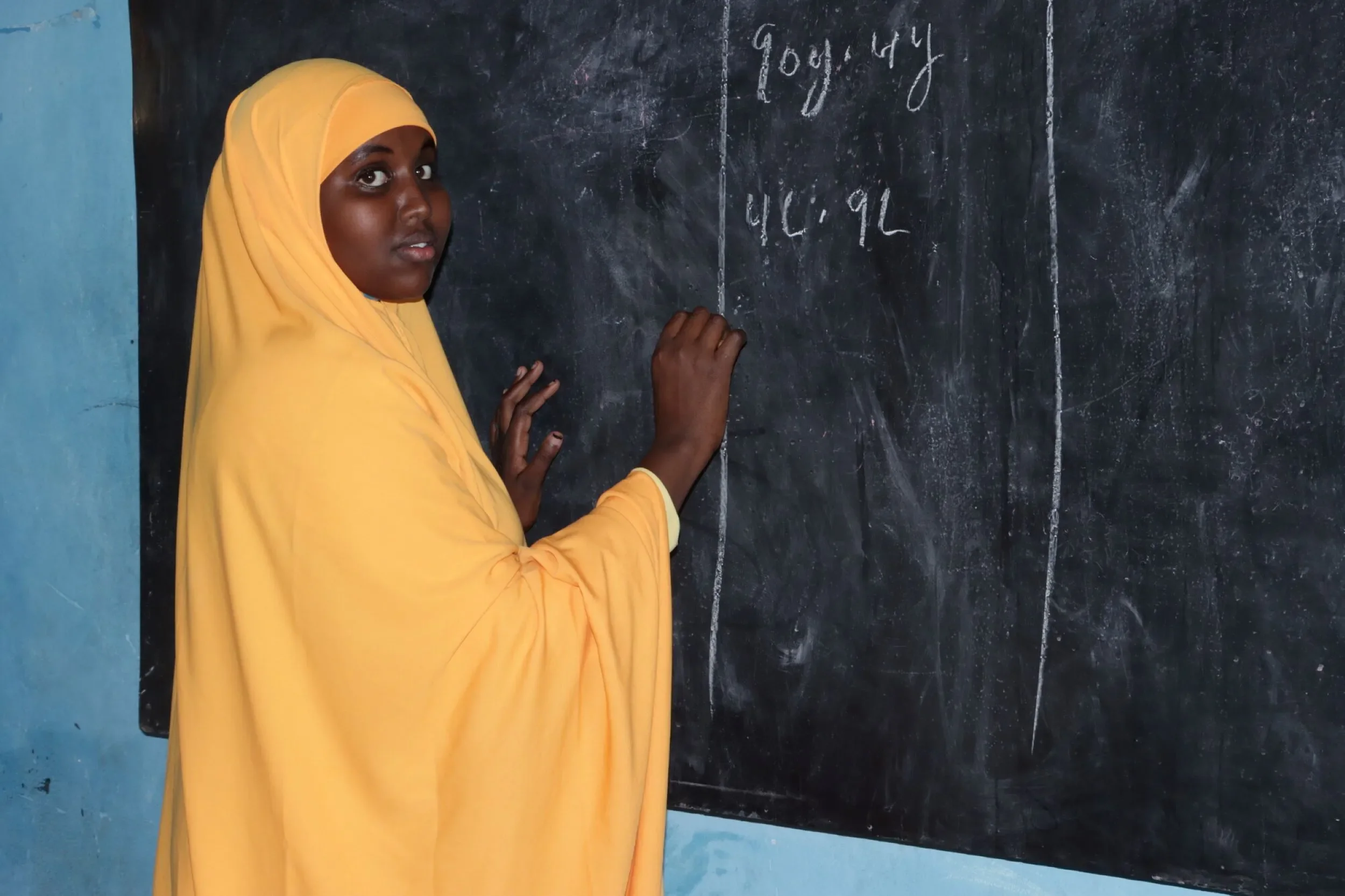
Due to funding cuts, more than 37,000 children enrolled in one of CARE’s programs have lost their last opportunity for formal schooling. Photo: CARE

Like food, water, and health, funding cuts have severely impacted the education sector. Over 37,000 out-of-school children who recently enrolled in formal schools have lost their final chance for formal schooling after these critical programs were abruptly stopped earlier this year. Many are likely to drop out and never return to school. These aren’t just numbers — they are young lives with dreams put on hold.

Even more alarming, nearly 4,000 youth aged 15 to 25 will miss out on non-formal education programs designed to equip them with vital skills for employment and independence. Without these opportunities, many face the harsh reality of exploitation and recruitment by extremist groups, heightening risks to their futures and to regional peace.

What keeps CARE going

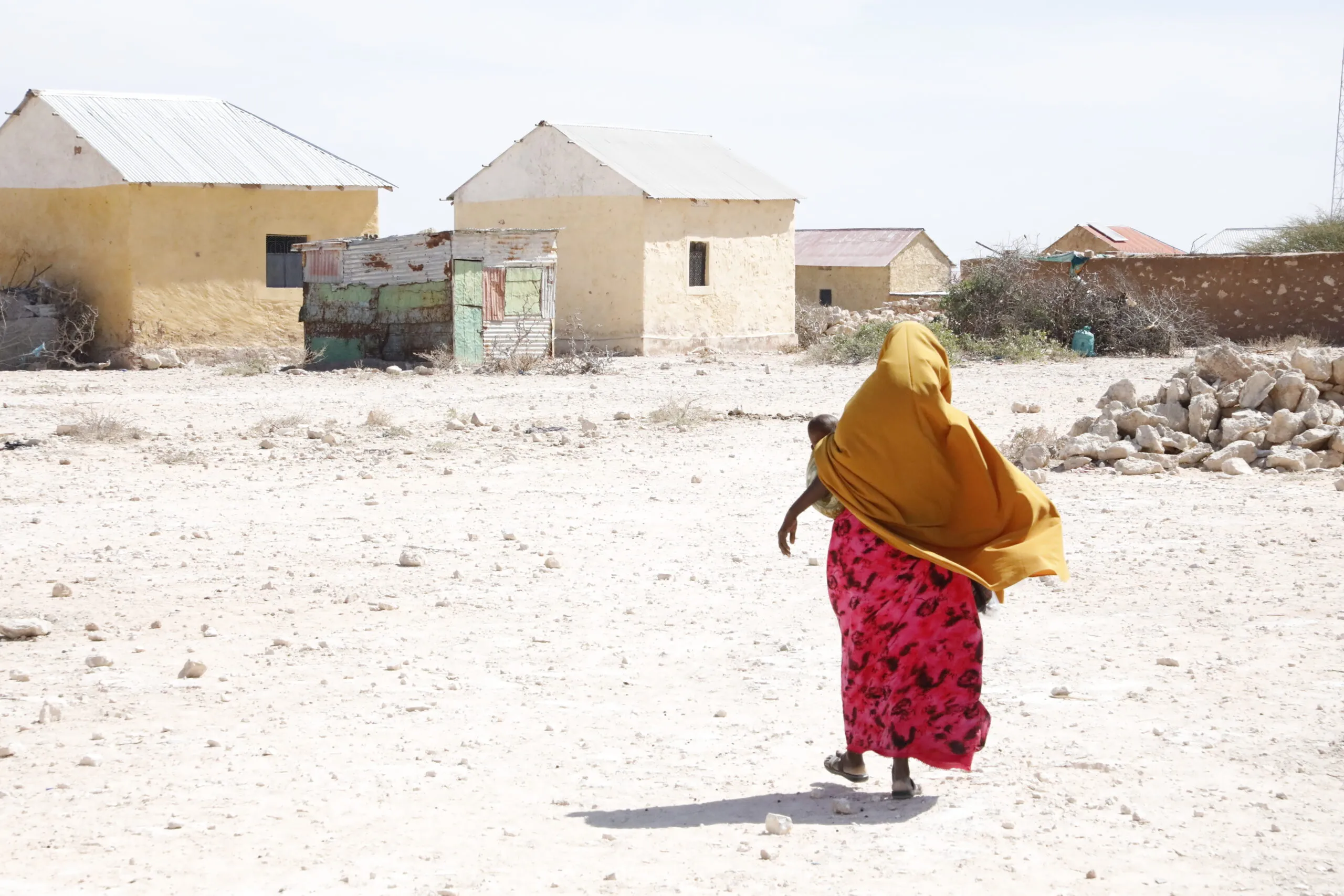
A Somali woman carrying a small child walks away from the camera across a dry, dusty landscape. In the background, several pale yellow buildings with tin roofs stand under a bright, hazy sky.
With 5.98 million Somalis in urgent need of humanitarian assistance, CARE remains deeply committed to sustaining its lifesaving programs and the communities that rely on its ongoing support. Photo: Khadar Nur/CARE

Despite overwhelming challenges, we are trying to adapt to the new context. What drives us and keeps us going every day are the communities we serve. They know CARE. They know CARE is always there. And they would like to continue seeing what CARE can do for them.

I really do not want us to lose hope. We must turn all these challenges into opportunities. We are driven by our vision of wanting to see a better life for women and girls, and of course, the societies that they live within.

I cannot overstate that humanitarian funding is a vital lifeline that must never be deprioritized. In Somalia, 5.98 million people need humanitarian assistance. Additional funding of up to $266 million is required to maintain food assistance, prevent worsening food insecurity and malnutrition, and safeguard the livelihoods of people at risk.

Each funding cut threatens to undo years of progress, endanger lives, and push families deeper into despair. I urge donors and policymakers to recognize the human toll behind these decisions —because every reduction risks not just money but hope and survival. CARE urgently calls on donors to honor their pledges and increase funding now to prevent further suffering and needless deaths.


About CARE in Somalia: CARE has been providing emergency relief and lifesaving assistance since 1981. Our main program activities have included projects in water, sanitation and hygiene, health, nutrition, cash and voucher assistance, protection for women and girls facing violence, education in emergencies, small-scale enterprise development, and vocational training. Last year, CARE reached over 1.9 million people with emergency relief, recovery, resilience, and economic empowerment.

Back to Top