4. Malawi
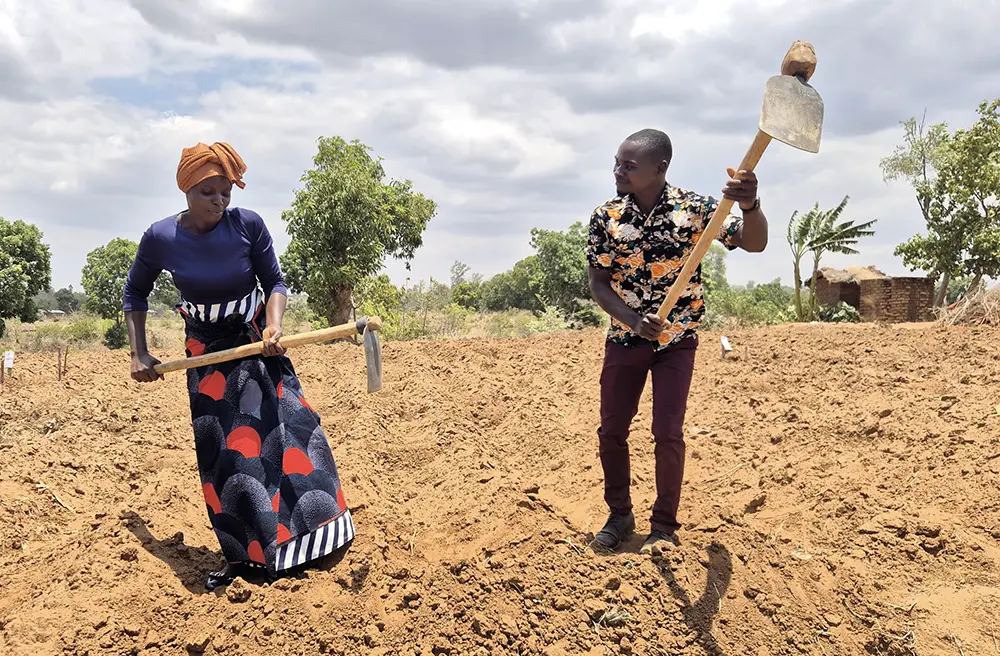
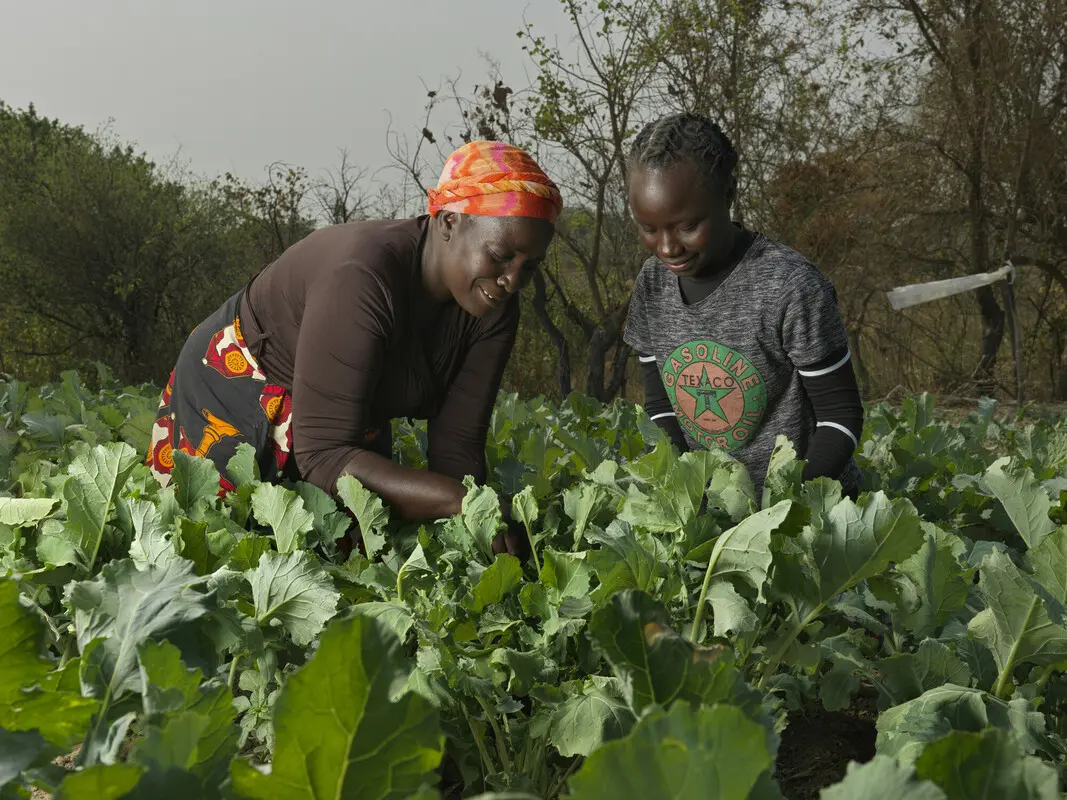
Farmer Muhamadi Chilingo tends the 500-plus seedlings he has planted through the Restore Africa project, aiming to grow more than 1,000 trees despite fire damage to his young plants. Photo: Katharina Katzer/CARE Austria.
- 4 million people are affected by food insecurity
- A state of emergency was declared in several districts in October 2025
Working together against extreme weather
“When there’s no drought, there’s flooding – and vice versa.”
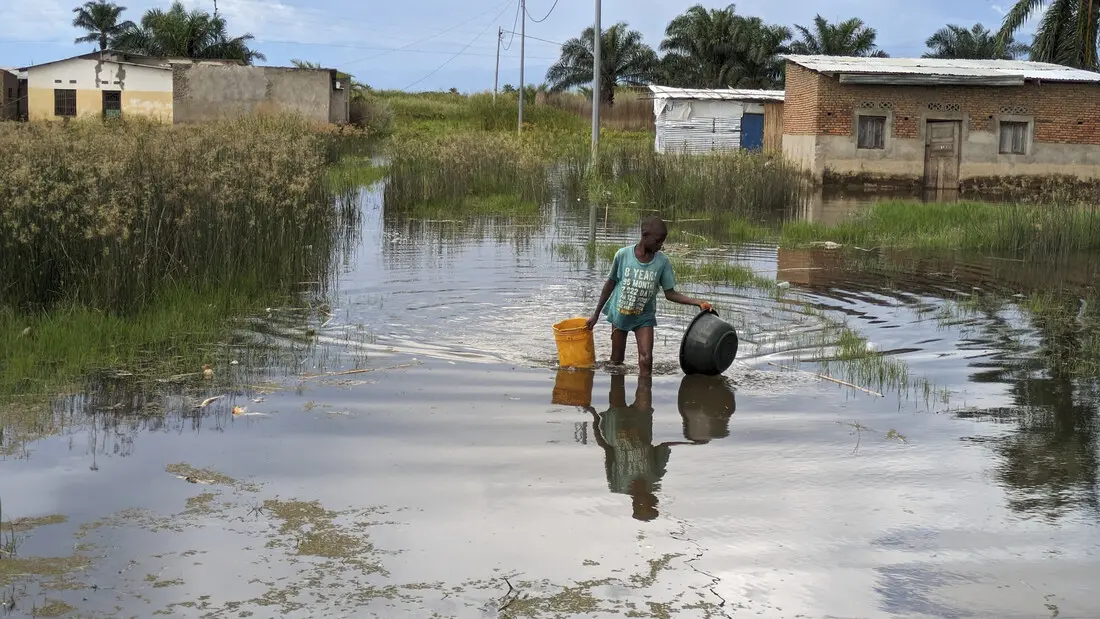
These words are often heard in the Nsanje district in southern Malawi, where communities regularly have to prepare for and rebuild after extreme weather events. In recent years, cyclones have become more frequent. Ongoing deforestation – for firewood or to produce wood for sale, both of which are essential for survival – contributes to soil erosion, with devastating consequences for people, animals, and the environment.
Disaster prevention with early warning systems
“I had a field of corn,” says farmer Amie. “But then the rain came and washed everything away.”
In Malawi, harvests are frequently destroyed by droughts, cyclones, or excessive rainfall that leads to flooding. Weather patterns have become increasingly unpredictable.
Despite trying everything to make ends meet, Amie and her husband needed additional support. Through CARE’s emergency program funded by European Civil Protection and Humanitarian Aid Operations (ECHO), the family received a cash grant, enabling them to buy urgently needed food and a goat.
CARE supports the development of early warning systems and community-based disaster preparedness to reduce the impact of floods and other extreme weather events. Evacuation and disaster protection plans are developed together with communities in vulnerable regions. In addition to meteorological forecasts, people also rely on traditional knowledge – for example, unusually large mango harvests or increased ant activity are seen as warning signs of impending floods.
CARE Malawi works closely with women-led organizations such as Girls Empowerment Network (GENET) and Women’s Legal Resources Centre (WOLREC) to ensure the protection of women and girls is central to disaster preparedness, response, and recovery, alongside other local NGOs.
More trees, better soil
In Mangochi District, the soil is hard and dry, and the sun beats down relentlessly. Little grows here – except on farmer Muhamadi’s field. He has already planted 540 tree seedlings and plans to plant more than 1,000 in total. Although a fire damaged some of the young plants, most survived.
Muhamadi’s reforestation work is part of the Global Evergreening Alliance‘s Restore Africa project, which promotes reforestation in Malawi and other African countries. In the future, he hopes to earn income through CO₂ certificates.
“This prospect motivates me,” he says. At a nearby tree nursery, villagers learn how to grow and care for seedlings – all with the shared goal of making the land green again.
What CARE does in Malawi
CARE has been active in Malawi since 1998. CARE works with partners including CADECOM Blantyre, GENET, WOLREC, Njira Impact, Eagles Relief, Churches Action for Relief and Development (CARD) Malawi, Circle for Integrated Community Development (CICOD), Synod of Livingstonia Development Department (SOLDEV), Find Your Feet, and others.
Together, they address food insecurity by combining immediate humanitarian aid with long-term solutions such as sustainable agriculture, support for women farmers, improved nutrition education, and community empowerment – with a strong focus on women and girls. Pregnant women and mothers receive training on balanced nutrition, while savings groups and cash assistance help families build greater financial independence.
Additional humanitarian context is available via ACAPS and ReliefWeb’s Malawi Humanitarian Snapshot (October 2025).