Health

Access to quality healthcare remains the most significant divide in our global community.

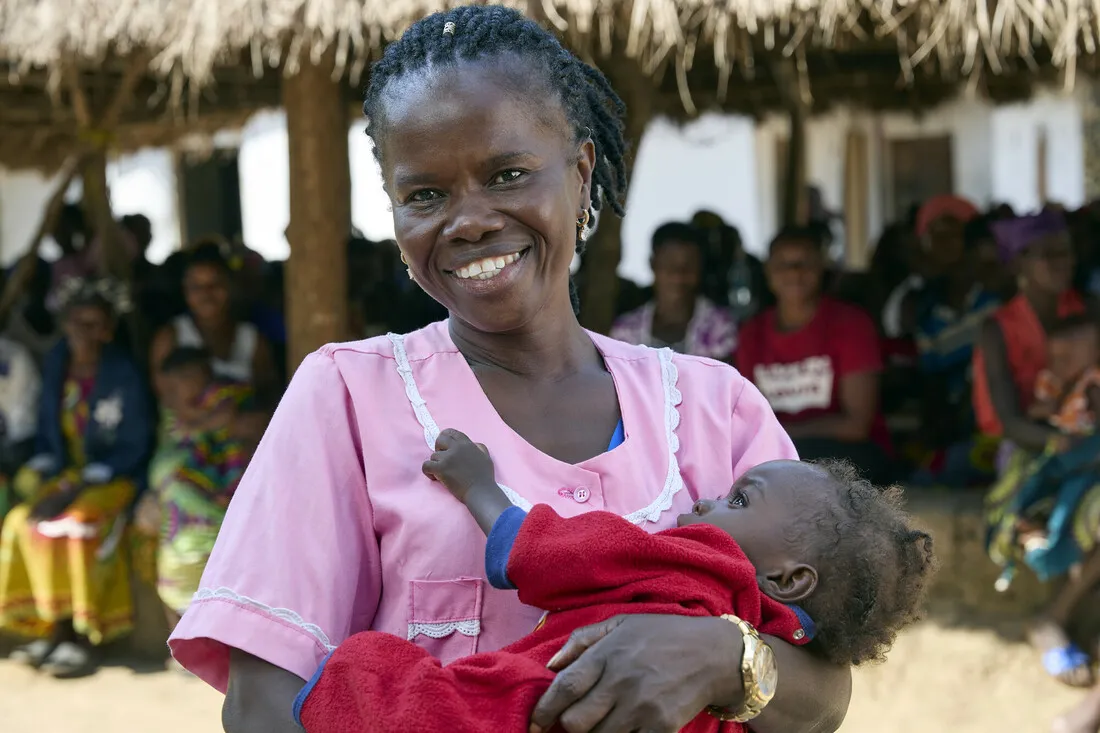
A woman in pink dress holding a baby.
Photo: CARE / Nigel Barker

CARE's 2030 Goal: 50 million people worldwide can access quality health services, and 30 million women can get reproductive health services.

Half of the world’s population — 4.5 billion people — lack full access to the healthcare they need.

This leaves countless families exposed to preventable diseases. When people get sick, they cannot work or care for their families, trapping communities in a vicious cycle of poverty and robbing children of the childhoods they deserve.

Global health inequality disproportionately burdens women and children. In low-income countries, women and girls face the highest risks: nearly 260,000 die annually from pregnancy-related causes, 21 million adolescent pregnancies occur yearly, half unintended, and one in three experience violence. Meanwhile, one in 13 children die before age five in Sub-Saharan Africa, compared to one in 200 in high-income countries.

Learn more about our health work

CARE’s health programs strengthen health systems and community health workers to deliver quality care and respond to emergencies and outbreaks through locally led, rights-based approaches. Since 2020, we have reached nearly 26 million people across 57 countries with 192 projects.
How CARE approaches our health work

Global health challenges are worsened by lack of access and infrastructure. We know how to solve them, but many countries struggle to deliver solutions to people who need them most. CARE’s health strategy aims to help the most at-risk access quality healthcare — including 30 million women and girls’ better access to reproductive health services.

We will accomplish this by:

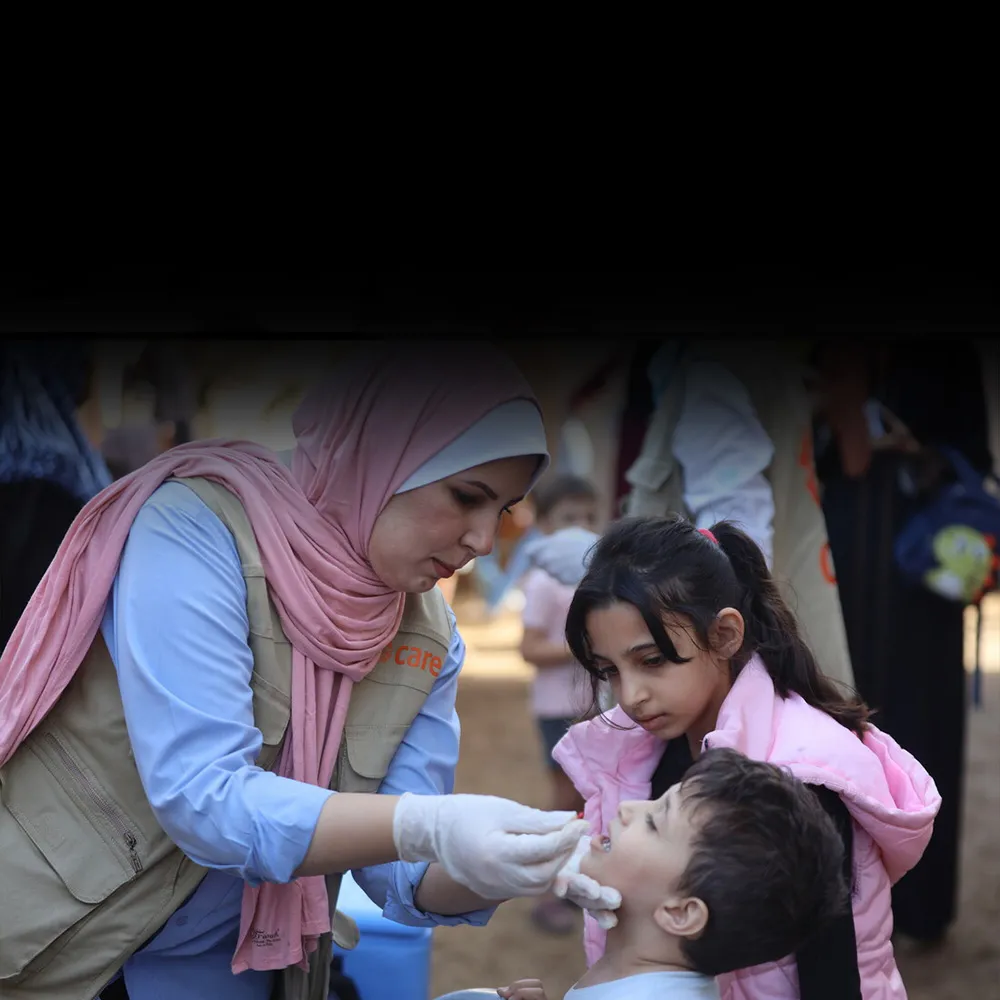
  • Working in close coordination with local clinics, frontline community health workers, and communities to improve how they deliver primary healthcare.
  • Providing health information and services directly to local communities, including teens, so that they can make informed decisions about their health.
  • Delivering essential health care and resources in crisis zones and fragile settings.
  • Partnering with governments, frontline health workers, and communities so they are ready for health crises before they happen. This includes strengthening disease-surveillance systems, training rapid-response teams, supporting vaccination efforts, improving emergency communication, and mobilizing communities quickly when outbreaks occur.

She Heals the World

CARE is proud to lead She Heals the World, a six-year initiative aimed at addressing the challenges frontline community health workers face delivering health care in their communities and elevating women’s voices in health leadership to strengthen health systems globally.

Learn more