Sadly, just as needs are growing, critical funding is shrinking. These funding cuts have forced us to scale back or shut down some of our life-saving aid operations. For example, we have had to close over 150 health facilities this year. This means patients must travel long distances, increasing the likelihood of delayed treatment, stunting, and even death. Without additional funding, at least 1.5 million people across 32 priority districts will lose access to healthcare.
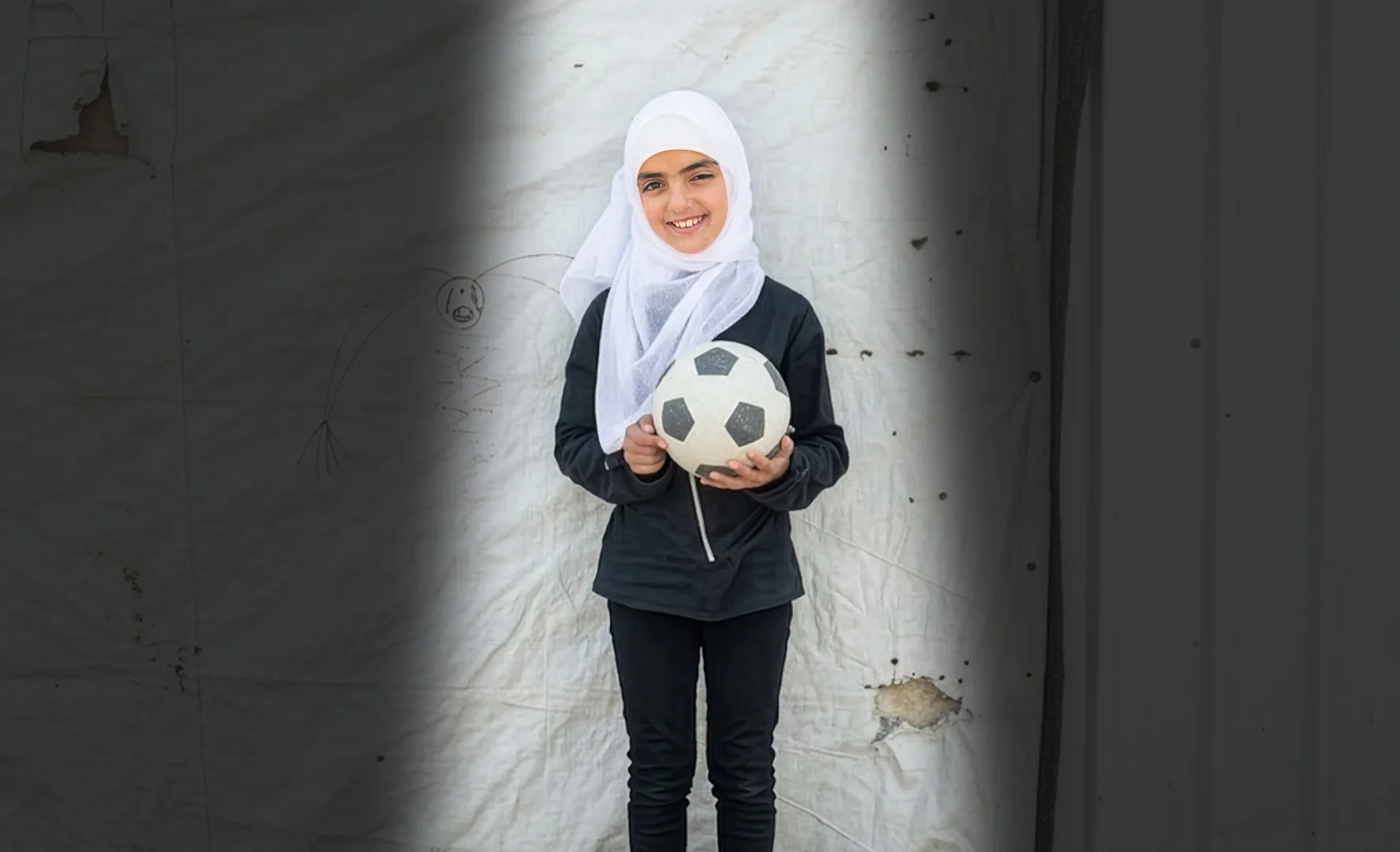
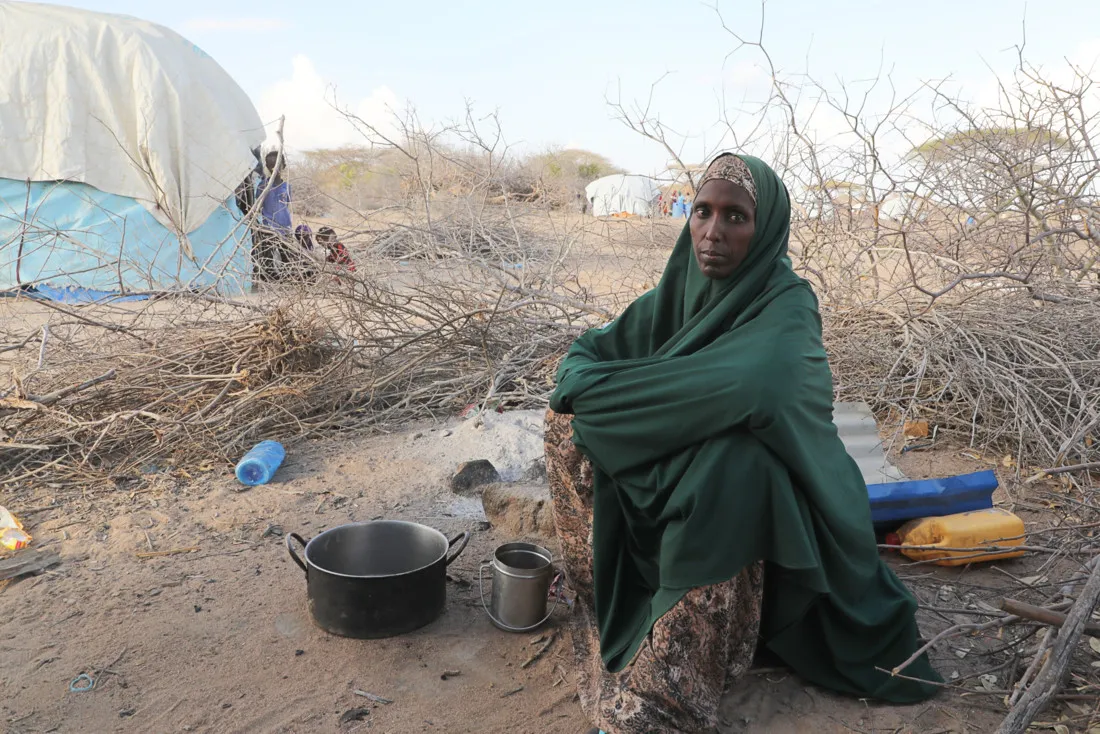
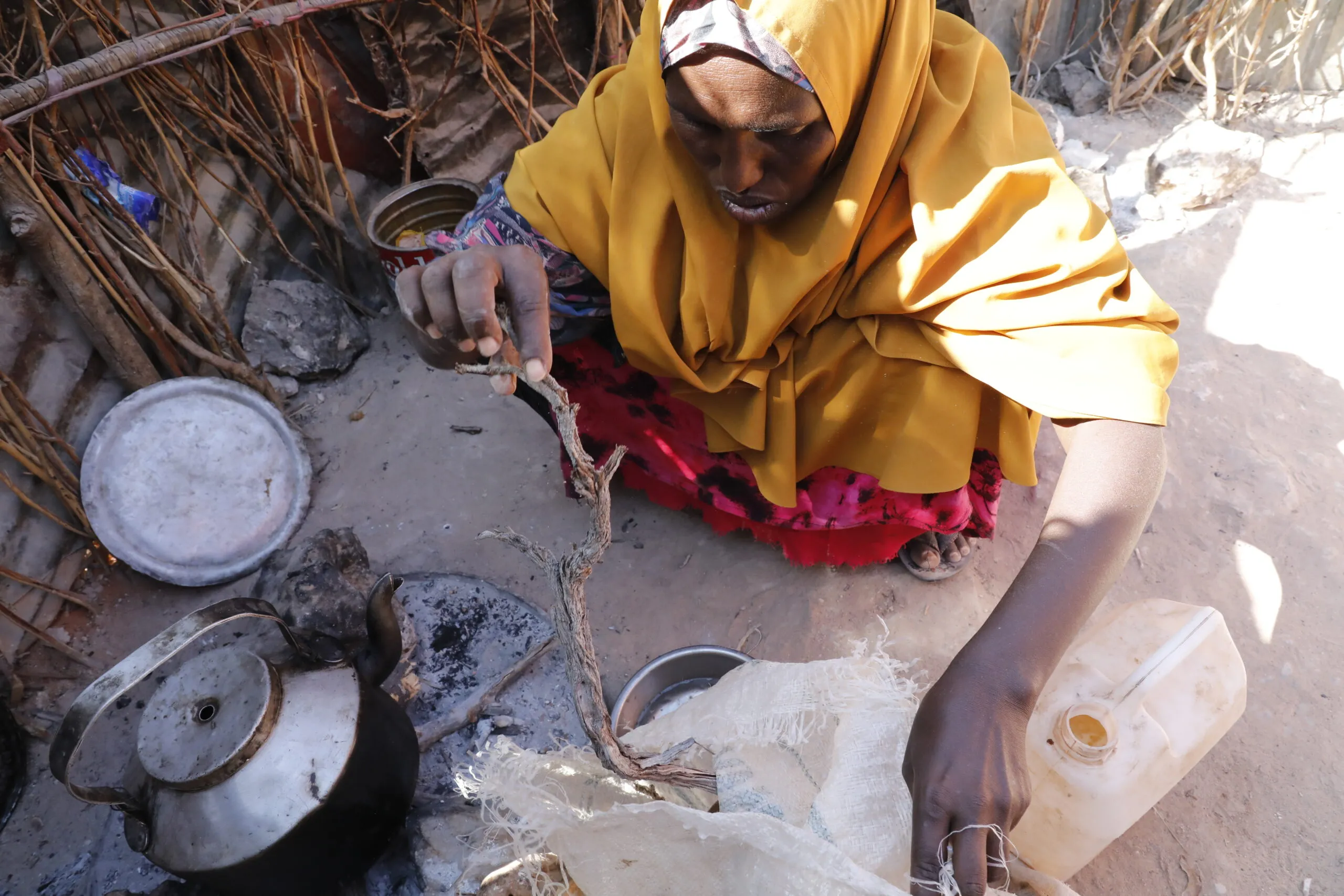
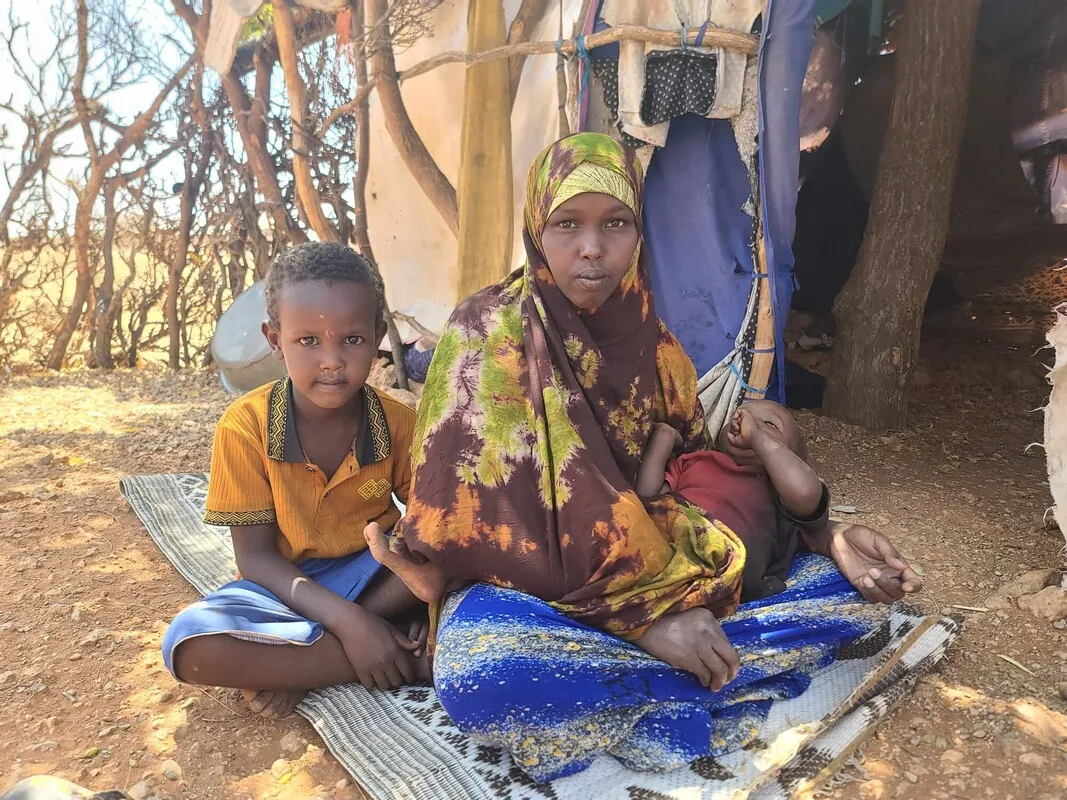
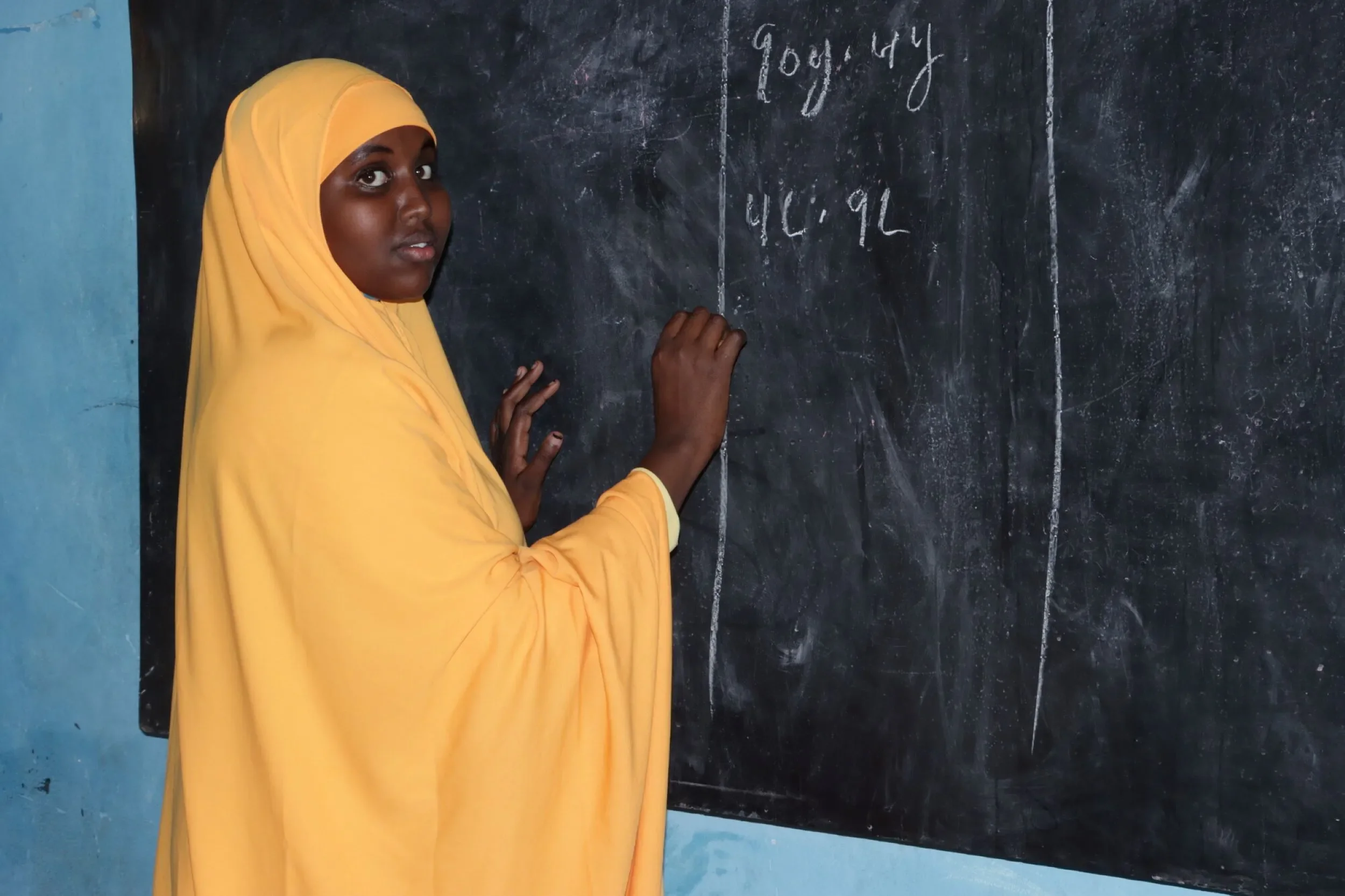
As we often see around the world, women, young children, pregnant women, and breastfeeding mothers in Somalia bear the heaviest burden of this crisis. Every day at the centers we operate, we witness heartbreaking stories: pregnant women sacrificing their own nutrition, mothers helplessly watching their children waste away from acute malnutrition, and young girls being pulled from school to help their families survive.
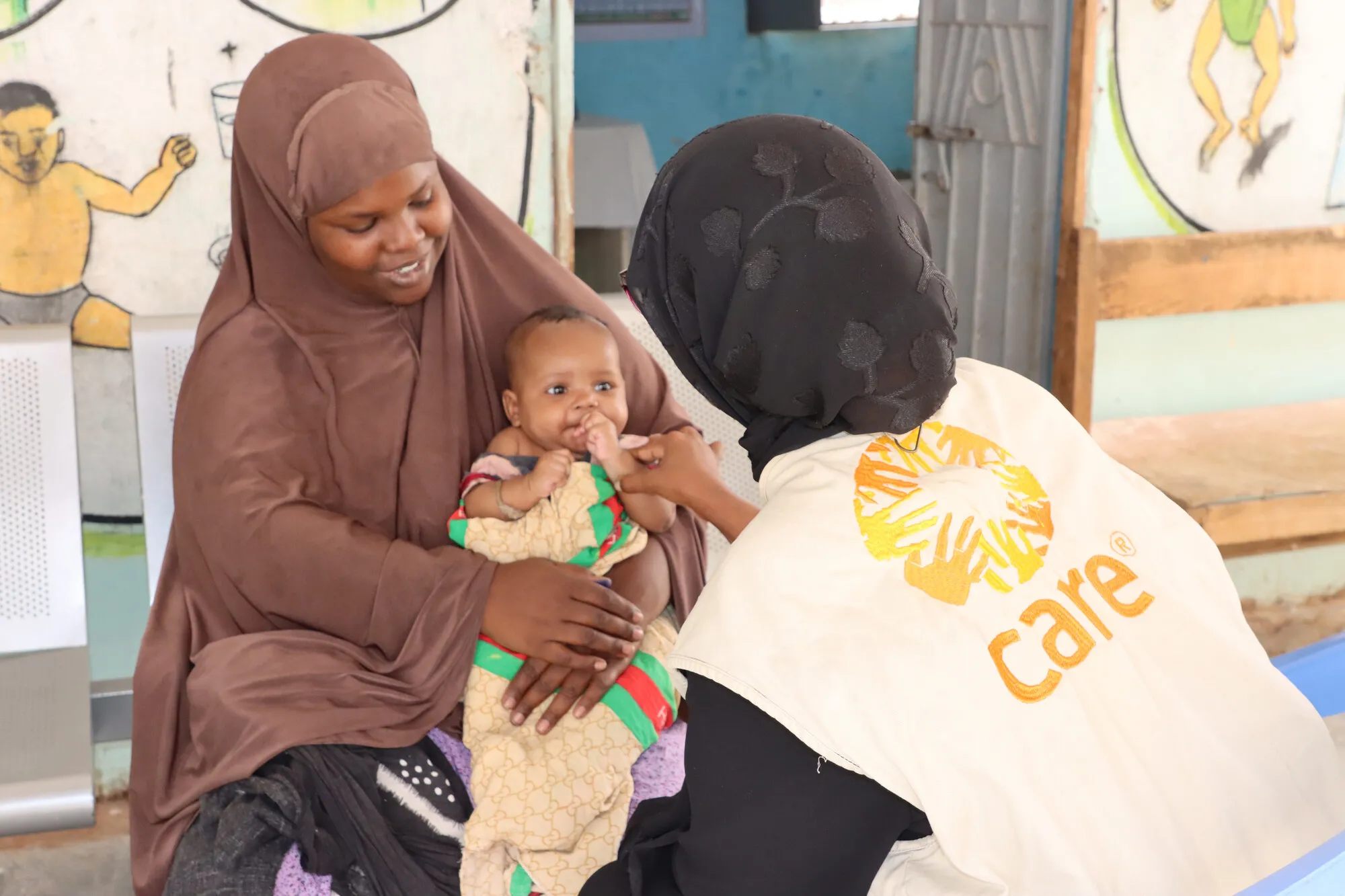
Sucdi, a mother, shared the helplessness of watching her child deteriorate from severe malnutrition — until emergency care through a CARE-supported facility saved her child’s life. “I thought I had lost my child. But today, she is alive — and as long as she is well, that is everything to me.”
We felt grateful to be able to help Sucdi, but every day our capacity to aid others diminishes due to dwindling funds. The loss of basic healthcare services could have deadly consequences.
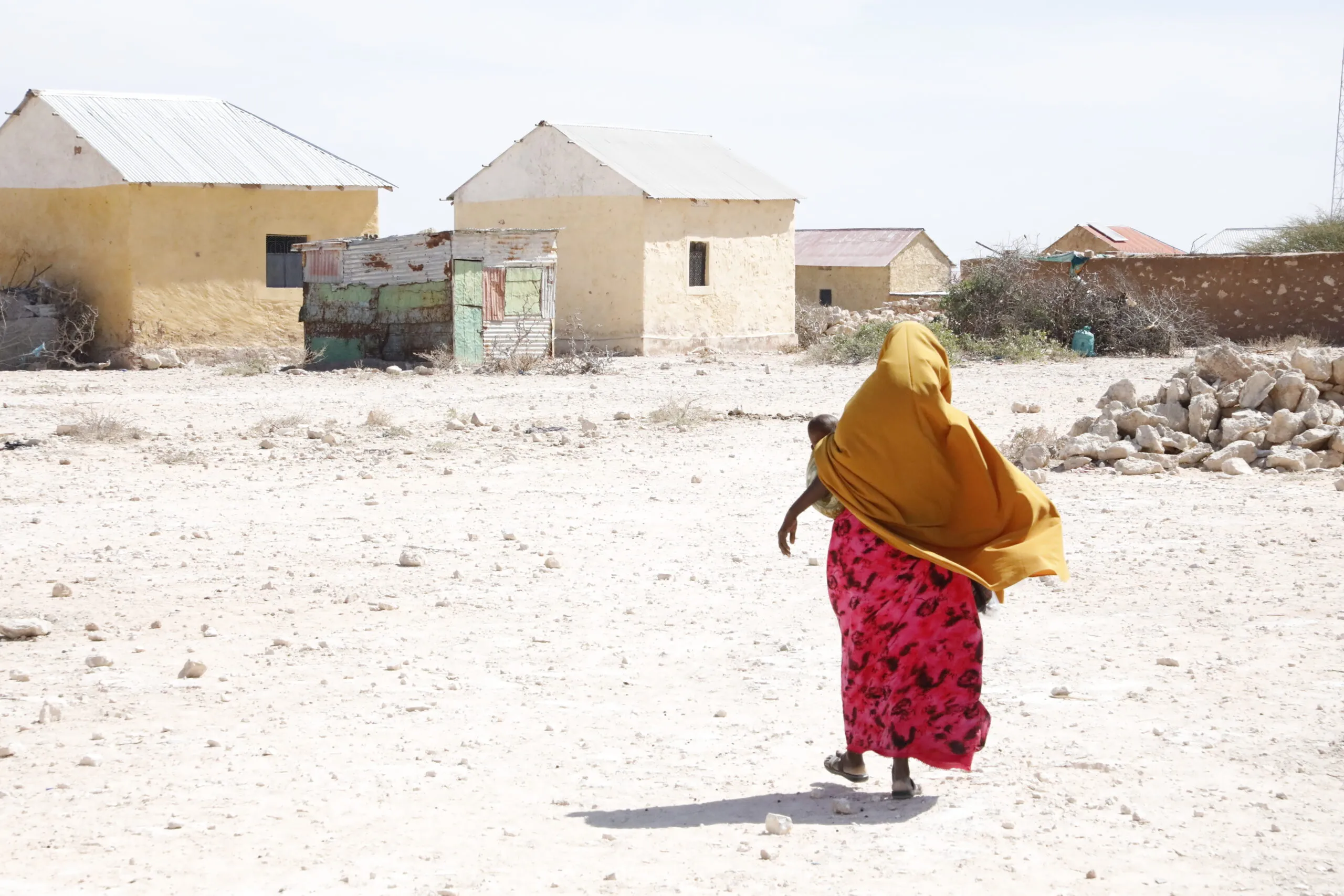
In some of the remote and underserved areas, CARE and our partners used to provide basic healthcare for 80,000 people through mobile medical vans. Since healthcare infrastructure is limited, these vans were the only hope for many families. But now, this vital service is gone due to lack of funding.
Alinur Ali Aden from GREDO, one of our partners, described the situation this way: “We have been forced to halt life-saving programs that supported thousands of women and children. For many, this means a death sentence.”
We cannot stress enough that without adequate food, health, and nutrition programs, disease, and death rates among women and children will rise sharply. Already overstretched and under-resourced facilities will soon be overwhelmed, and many more lives will tragically be lost.
“We are slowly losing hope.”