I arrived in Dhaka, the bustling capital of Bangladesh, late in the evening. My plan was to rest, attend meetings the next morning, then fly to the Rohingya camp that afternoon.
As I moved through the city’s rain-drenched streets, the city glistened in some parts and remained dark in others. I heard, felt, and smelled the rain as water pooled amid traffic, new pavements, an expressway, and towering apartments. The city felt full of contrasts — movement and stillness, hope and chaos — all mirroring the humanitarian landscape here, where bursts of progress and resilience coexist shadowed by deep uncertainty and fragility.
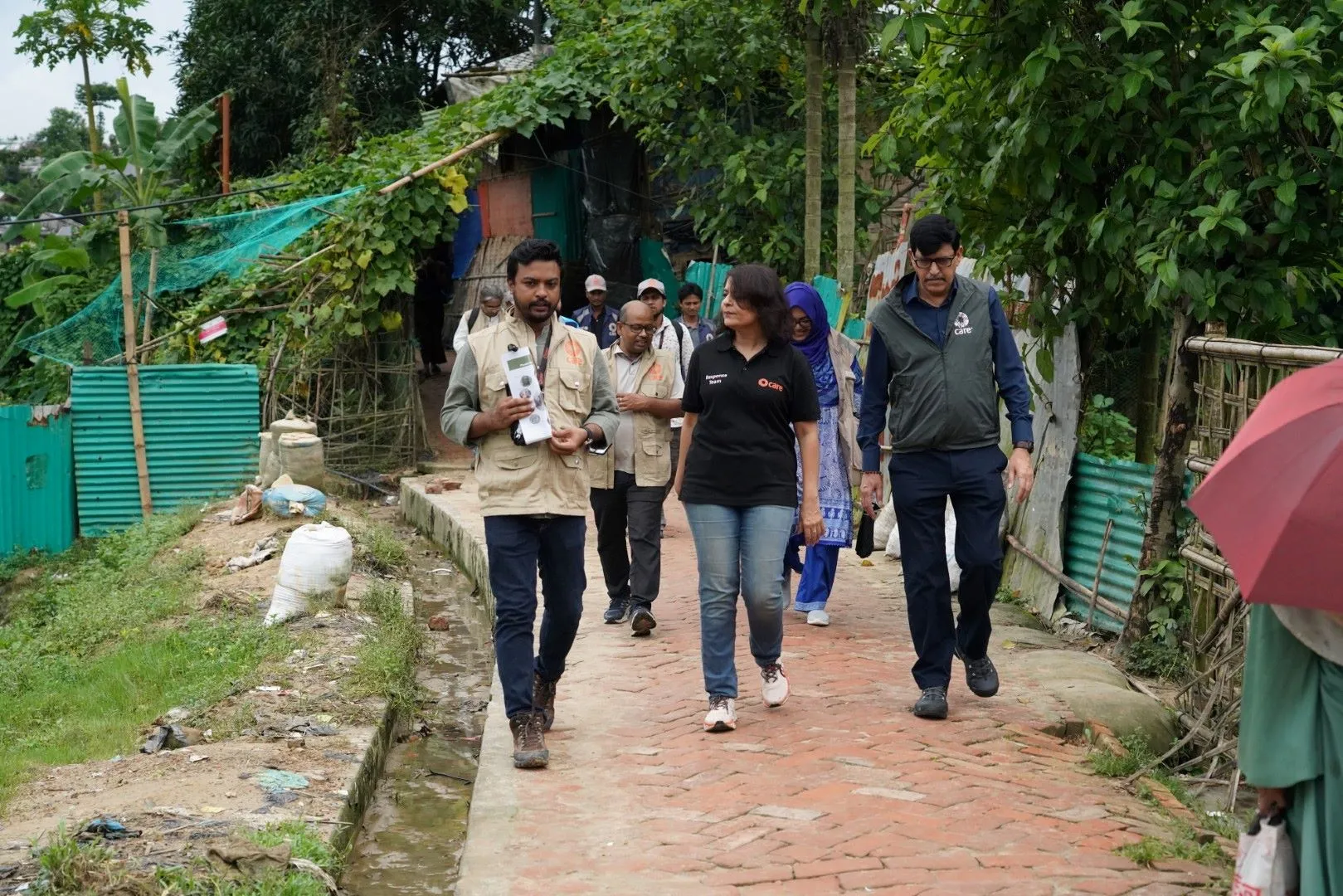
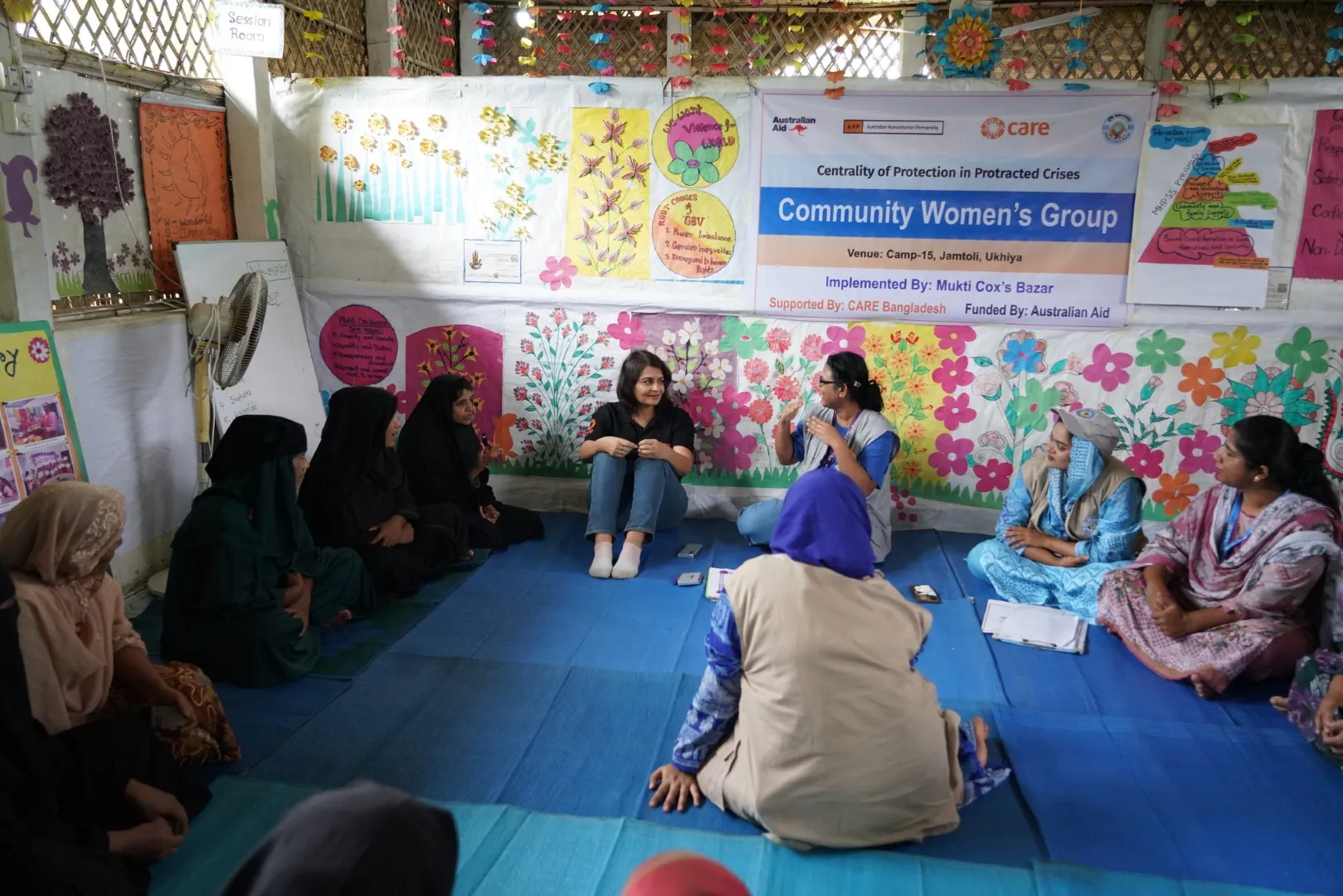
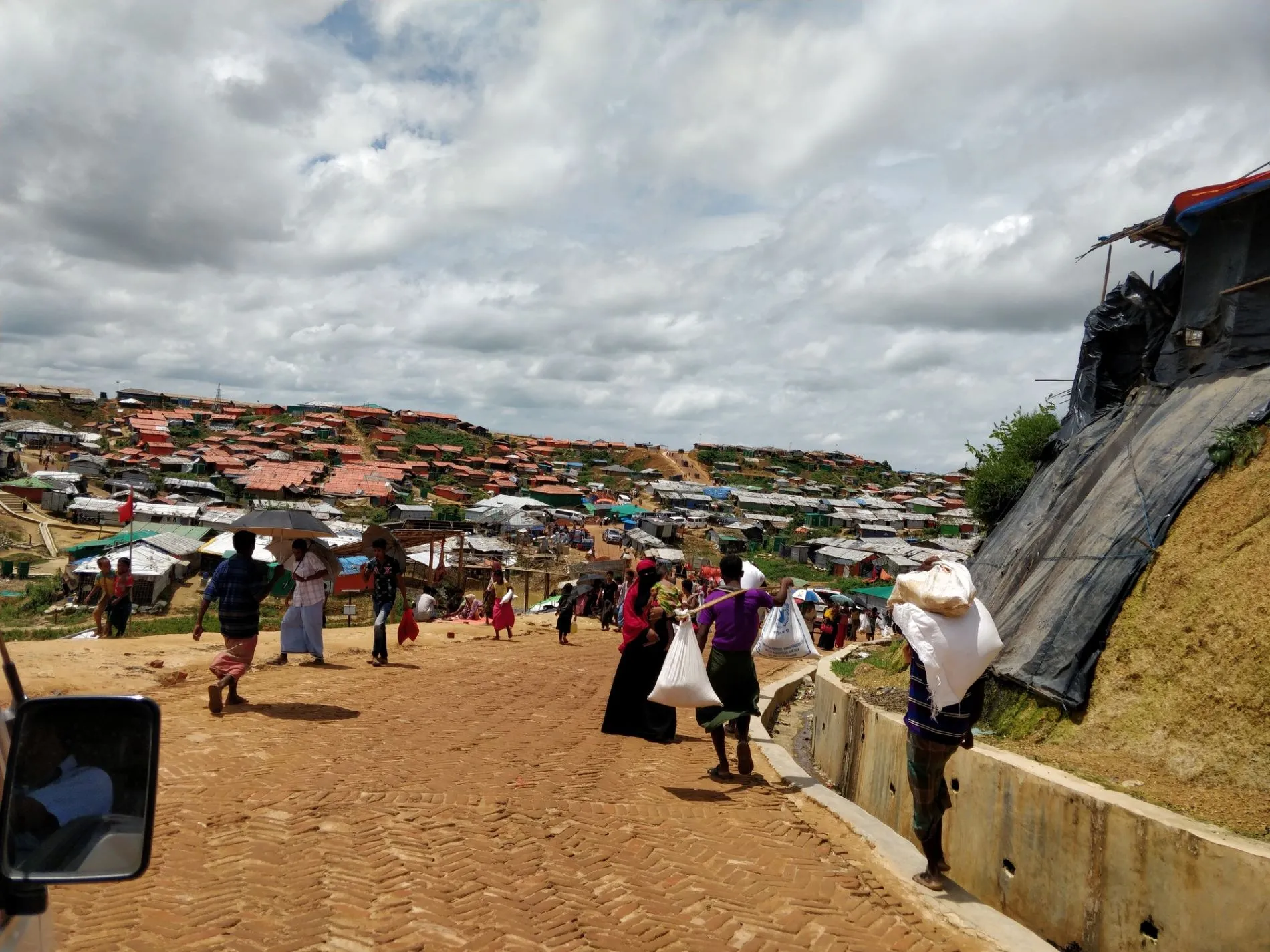
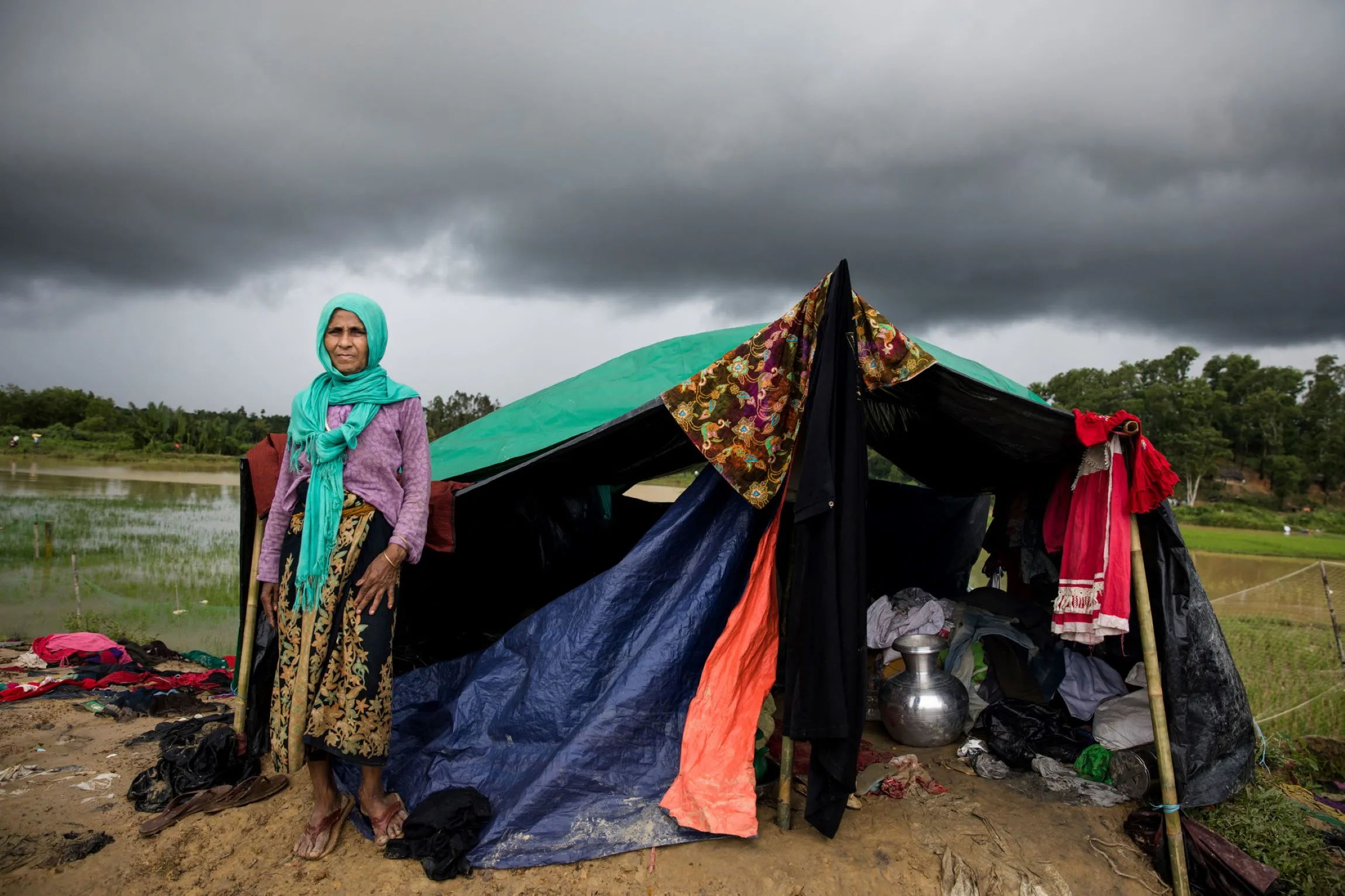
I reflected on the challenges ahead — both in the capital’s aid coordination and in the sprawling camps where about a million live in bamboo and plastic shelters. Aid cuts were heavy on my heart, and dwindling resources make every effort feel uphill.
The emotional weight of meeting urgent needs with fewer means, and sometimes stepping back rather than forward, is difficult to express. With heavy thoughts swirling, I barely noticed when I finally fell asleep, drained after the long, exhausting journey.
Morning in Dhaka with colleagues
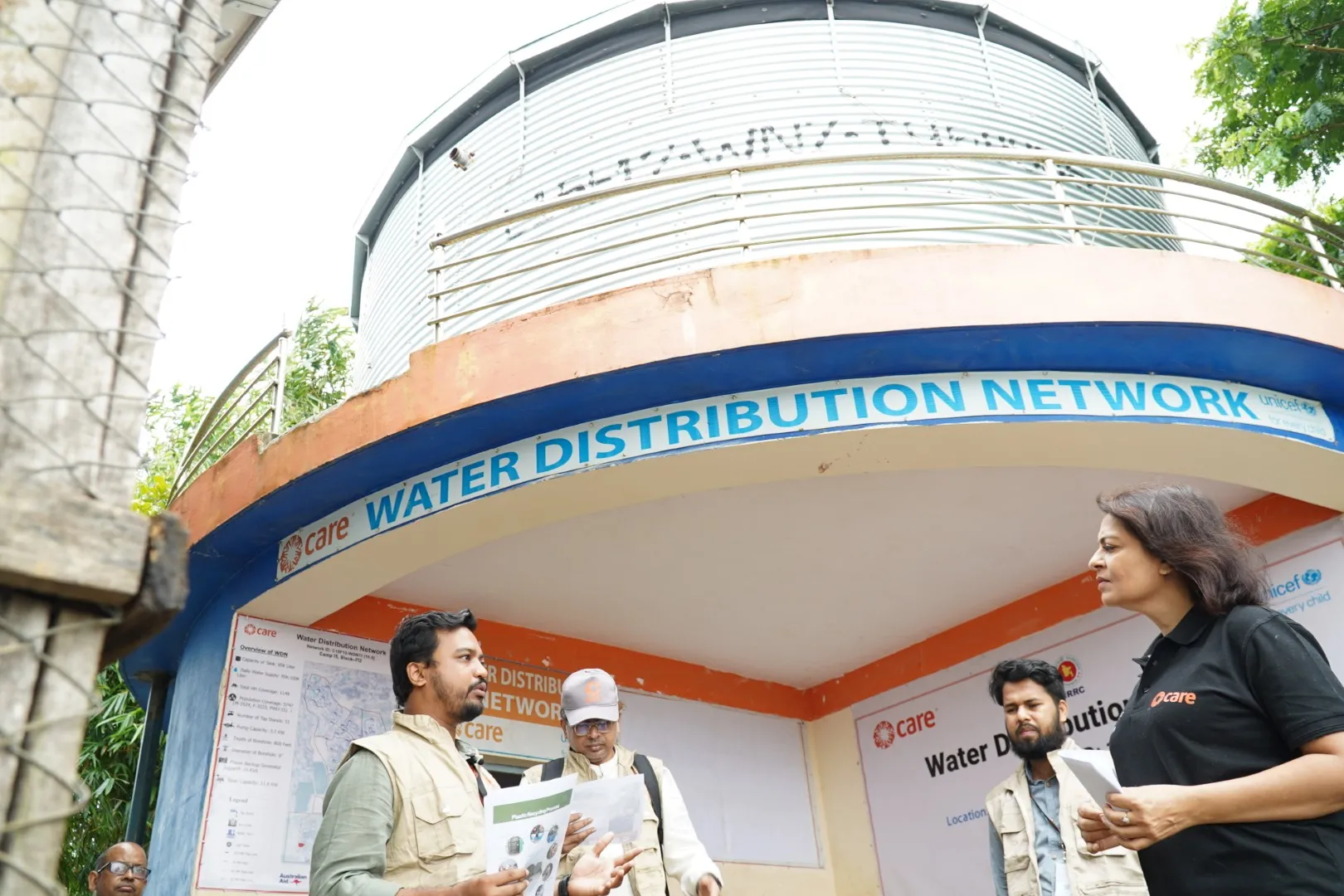
Aid cuts hit hard everywhere. Offices opened months ago are now shutting. CARE teams who built these programs are dismantling them. “Little sleep and lots of hope,” a colleague said. Closing something you believe in, something meant to help people, cuts deep.
Even harder is knowing the needs, seeing the faces, and having the data — but still being unable to respond.
“That helplessness weighs heavily,” another colleague said. Shock ripples through CARE, partners, authorities, and communities. Uncertainty looms.
Yet, the team’s resilience shines. They lean on one another, trust leadership, and keep showing up. Together, we move forward, believing change is possible. That tension and resilience define leadership. I find strength in purpose and the teams I work with, and I remember why I continue this journey.