Six reasons CARE continues to invest in savings groups despite shrinking aid

By Jenny Conrad October 30, 2025

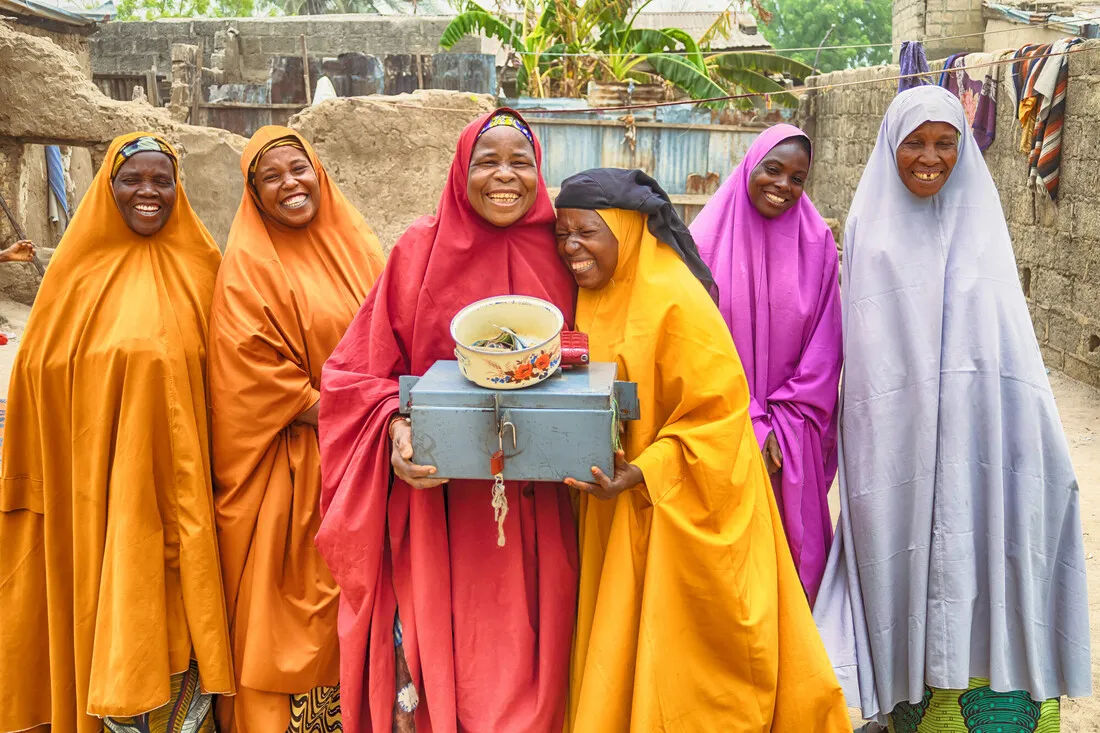
Six joyful VSLA women from Nigeria stand outside laughing in brightly colored robes. Two hold the Village Savings and Loan Association (VSLA) cash box used to secure their shared savings.

30 million CARE savings group members across 67 countries have amassed $11.5 billion in cumulative savings. Photo: John Peters/CARE

'From Saving to Shaping Markets,' CARE’s annual report on Village Savings and Loan Associations (VSLAs), shows how savings groups aren’t just about helping families get by or coping with emergencies. They are also a powerful way to grow local economies driven by women who are determined to build better futures and ready to make the most of new opportunities.

Want more stories like this?

Sign up for the CARE News & Stories email newsletter to find out more about what’s happening around the world through vibrant, engaging stories that put humanity at the center.

Subscribe

The report highlights why savings groups are more relevant than ever. Our latest numbers again demonstrate the global power of savings: 30 million members across 67 countries have amassed $11.5 billion in cumulative savings. Last year alone, members saved $1.8 billion and accessed $105 million in microloans. But it’s not just the numbers that propel us forward; it’s the vast potential ready to be unlocked.

Here are six lessons we’ve learned from more than 30 years of supporting women in savings groups — compelling reasons for why CARE continues to invest in savings groups as the cornerstone of economic growth for women.

1. Savings groups deliver strong returns on investment.

Amid unprecedented global funding cuts, making every dollar count is more critical than ever. VSLAs offer one of the strongest returns on investment in global development: $18.85 for every $1 invested.

The results go beyond dollar signs. Our evidence shows that investing in savings groups helps families eat more, keeps more children in school, and empowers women to lead change in their communities. And it’s not just us who see the value — women in savings groups do too.

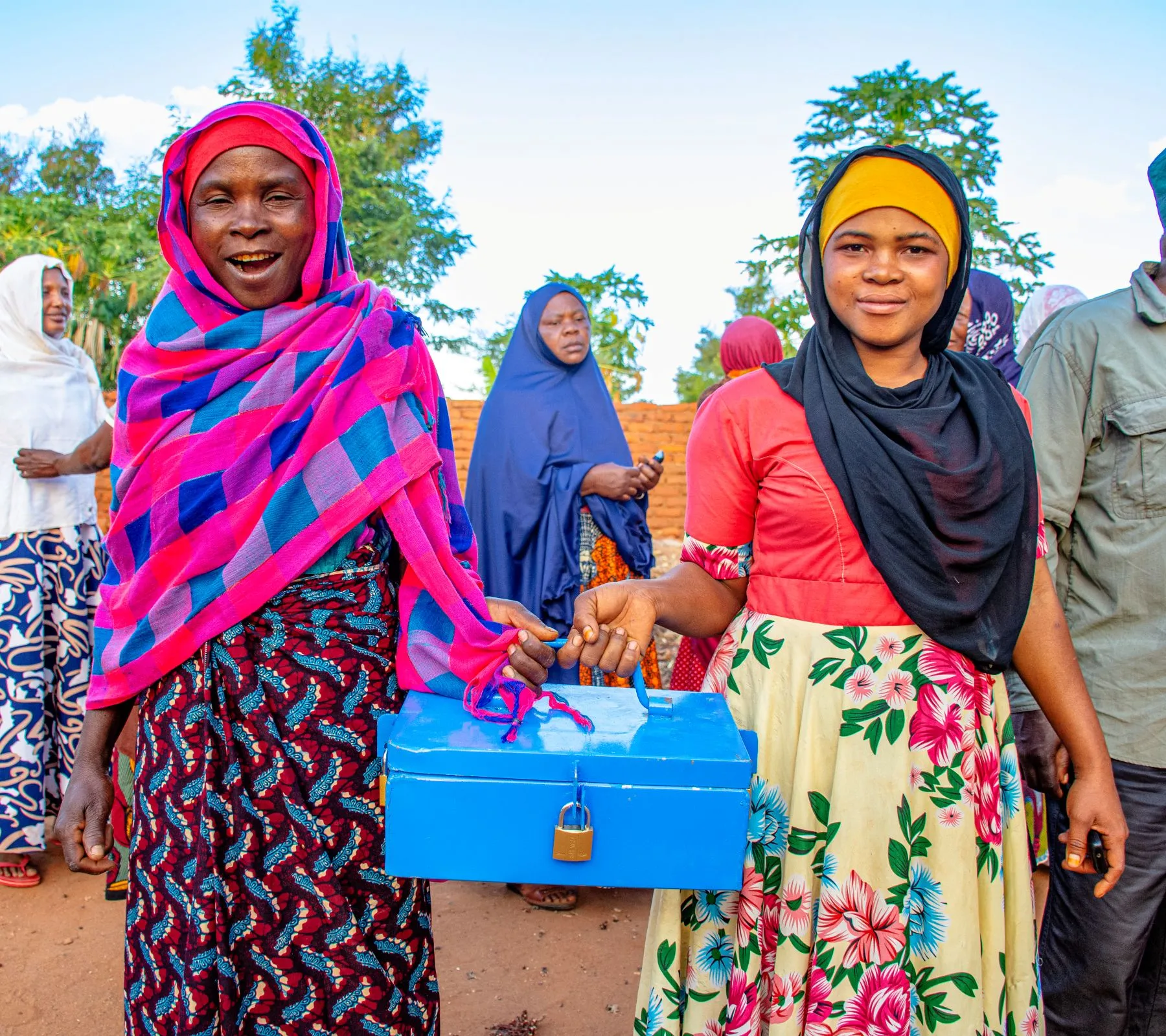
Two Tanzanian women, who are VSLA group members, proudly hold their locked bright blue metal savings box outdoors. The woman on the left, wearing a pink and blue shawl, smiles broadly, highlighting the importance of the communal funds they manage.
Members of a VSLA group in Tanzania started saving together so they could afford seeds for the planting season. As one member puts it, “saving together now means harvesting more later." Photo: Edward Charles/CARE

2. Savings groups are proven to help women recover in emergencies.

Humanitarian needs are growing. In 2025, 305 million people around the world will require urgent humanitarian assistance and protection. Savings groups offer a proven way to build resilience and support recovery in emergencies.

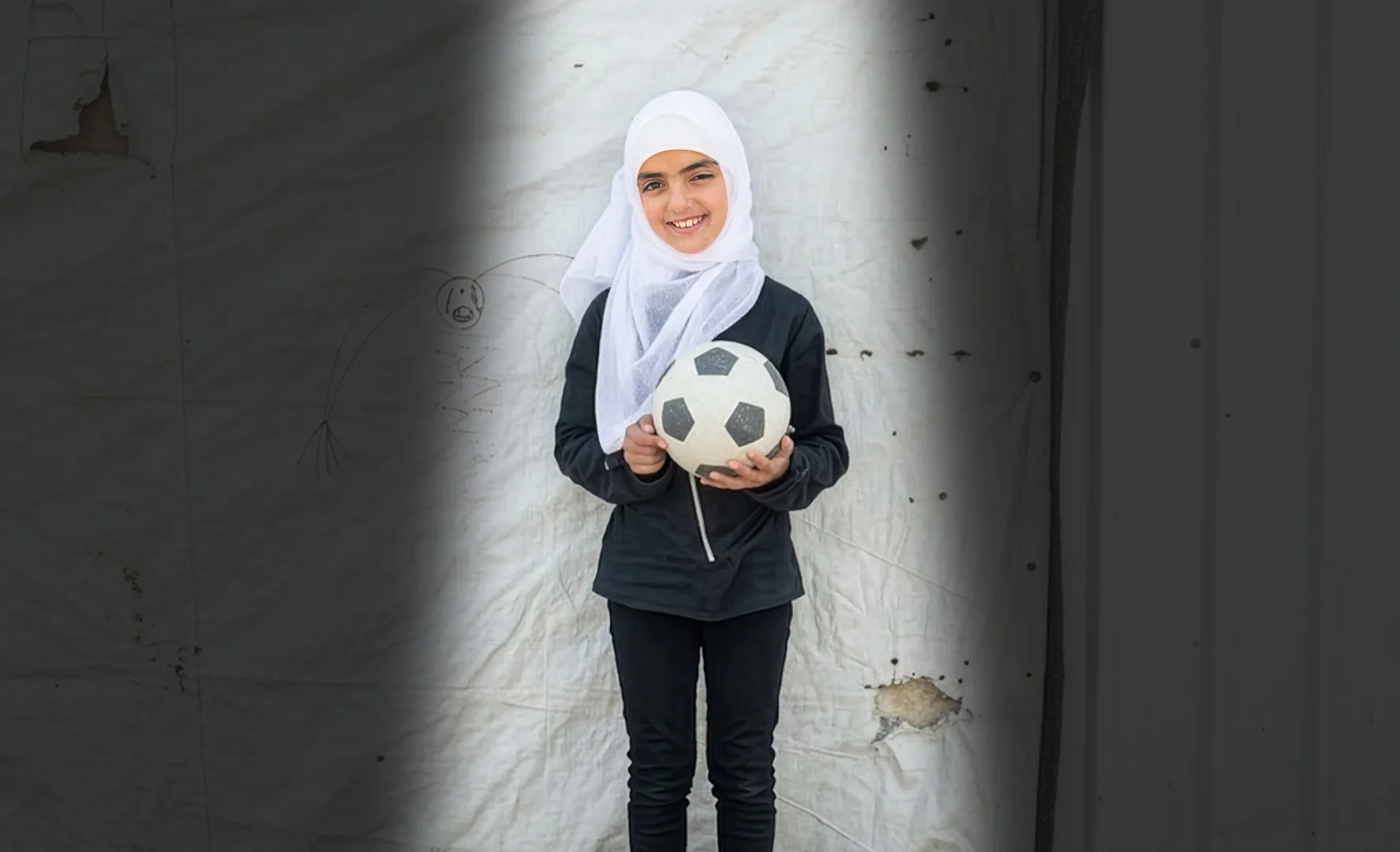
When conflict in Syria forced many to flee their homes, savings groups did more than help them survive — they allowed them to take control of their lives with dignity. Our studies found that displaced people who joined savings groups ate more regularly and were better able to repay debts. Even more striking, half of the participants started joint businesses — pooling resources and working together to earn income for their families.

One group, called Al-Diya, began as a modest savings circle, but soon built trust and solidarity among its members. When they dreamed bigger, a CARE partner helped them develop a business plan. Together, they opened a sewing shop, offering independence and hope for their futures.

“Group business sessions made us feel like we were running a real business, with all its challenges and opportunities,” says one group member.

When the situation in Syria shifted in late 2024, allowing them to return home, the group brought the business with them. They recruited and trained new members, turning the shop into a business and a skills-sharing space.

Today, Al-Diya Group continues to thrive as the women who lead it build stability for themselves and their community.

3. Savings help families and businesses withstand crises, no matter where they are.

Women do not have to be displaced by conflict or disaster to find themselves facing crisis. CARE regularly polls savings groups through our Women Respond initiative. The most recent data shows women around the world are besieged by drought, pests, floods, and other shocks. 70% of respondents told us that accessing enough food is a major challenge.

For women, their families, and the businesses they have built, having savings to rely on can make the difference between coping and catastrophe. From Women Respond, we know women in VSLAs use their savings to get through tough times, while research with women leading small businesses shows savings are a key part of financial health and resilience, even for established entrepreneurs.

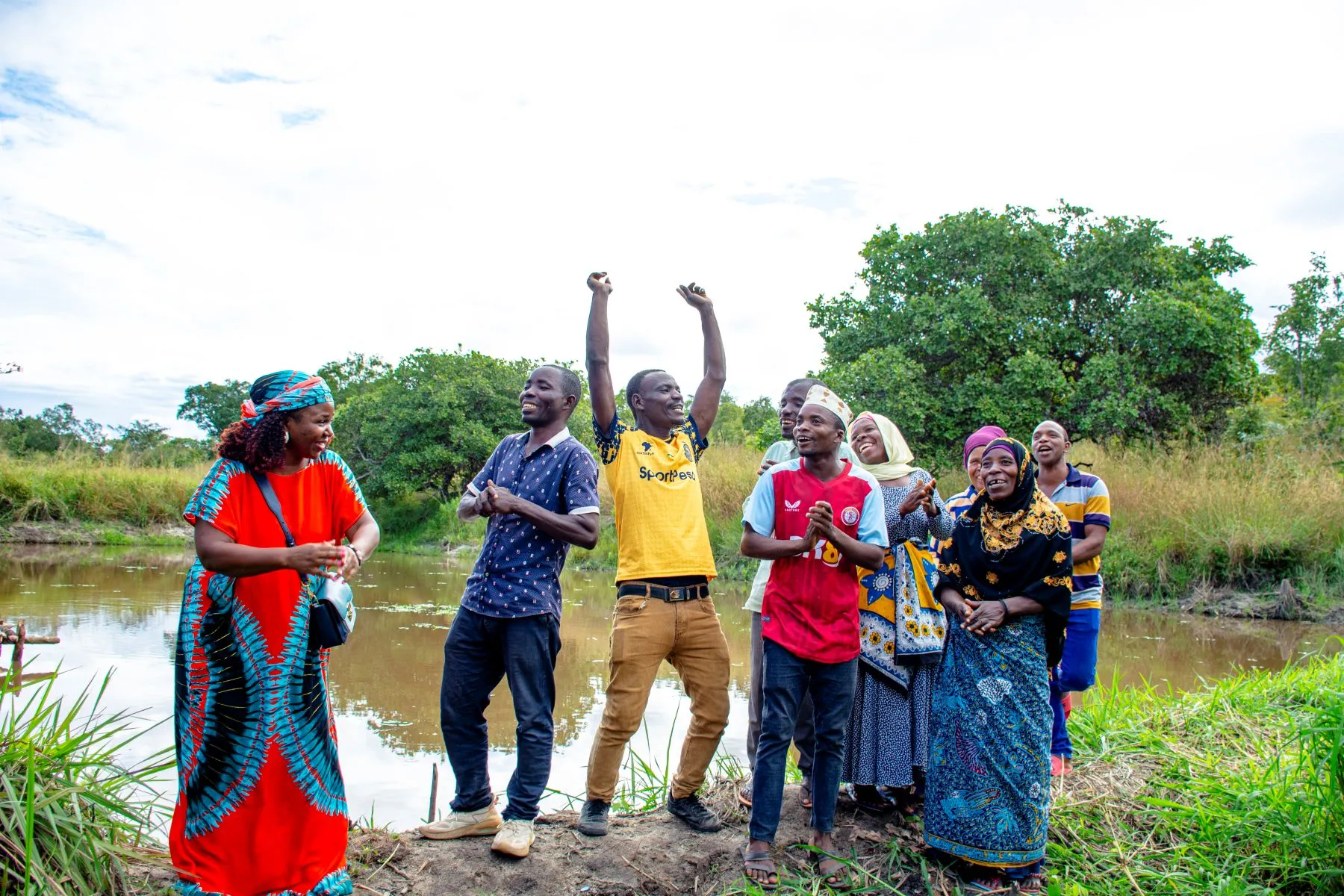
A joyous group of men and women, members of a Village Savings and Loan Association (VSLA) in Tanzania, stand cheering by a body of water with lush greenery behind them.
Upendo VSLA members are investing savings in low-risk ventures like fish farming and egg selling to reduce their reliance on crops damaged by frequent elephant raids. Photo: Edward Charles/CARE

For one community in Tanzania’s Tunduru District, crisis comes in the form of elephants that destroy their crops at night. After years of uncertain harvests, savings groups offered hope and a different future. “Before, we depended on farming only,” says Athumani, a member of the Upendo savings group. “Once crops were destroyed, we had no alternatives for survival or a place to get affordable loans. But now, through the group, I can borrow money to grow my small business and contribute to our shared fish project.”

4. Women entrepreneurs hold massive potential to boost economies.

Some studies estimate that if women started and grew businesses at the same rate as men, the global economy could gain $5-6 trillion. Yet women-owned micro, small and medium enterprises face a huge gap in financing — around $1.9 trillion. Savings groups help close that gap by giving women a solid foundation, allowing them to move from earning money to growing it.

Our experience shows when women succeed, whole communities benefit. In Vietnam, for example, Hoang Thi Duong worked alone as a cinnamon processor in the remote north. Her income was unpredictable, and her work was unstructured. That changed when she joined a savings group. She began to imagine how women could work together to build a better future.

Today, she is director of a thriving cinnamon cooperative, leading a business that sources materials locally and provides seasonal jobs for more than 170 people.

“For the first time,” Duong said, “I see women in my village earning steady income, planning for the future, and working together like a team.”

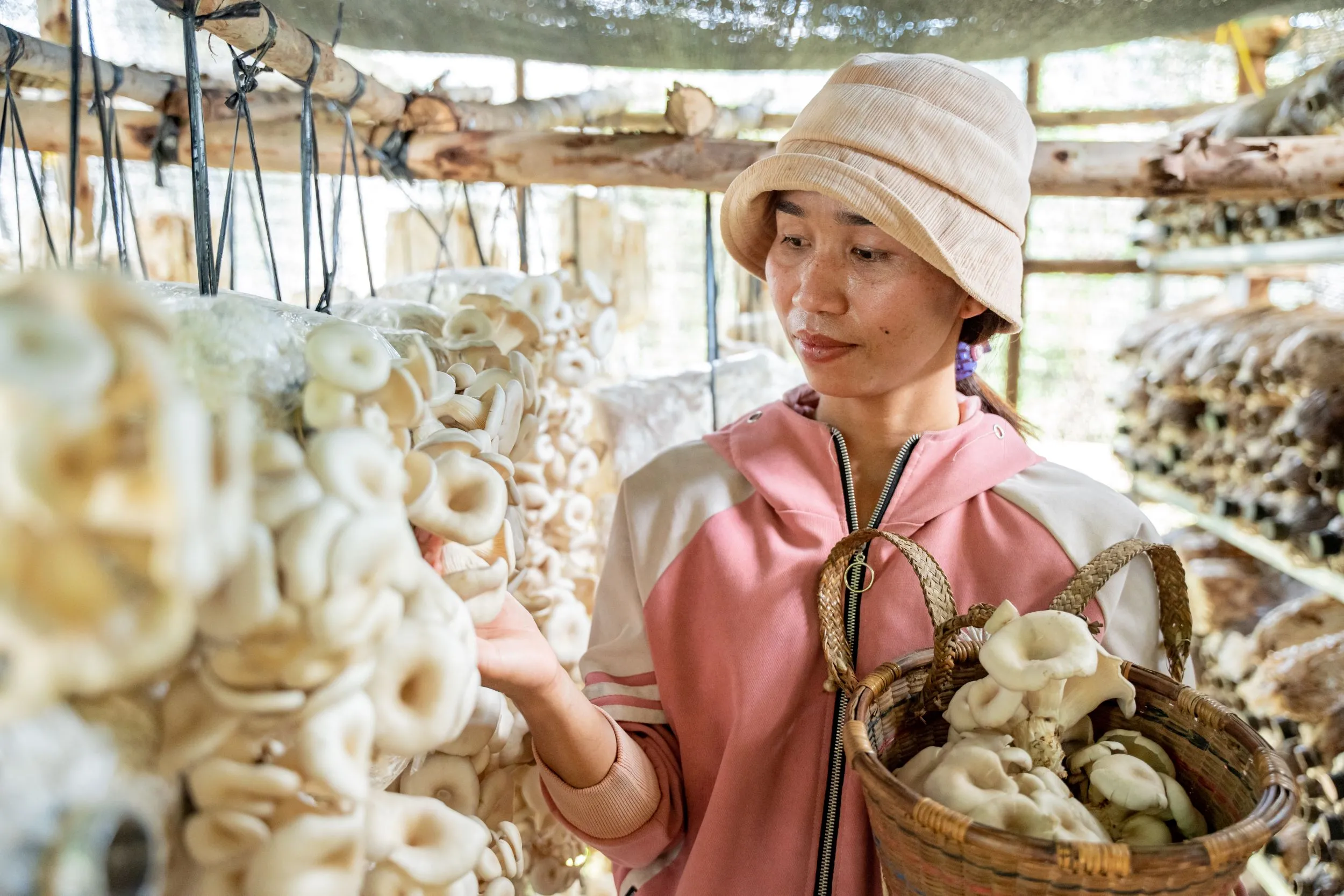
A Vietnamese woman wearing a bucket hat and a pink jacket, who is a VSLA member, examines a crop of freshly grown mushrooms. She holds a woven basket containing her harvest, showcasing her successful small business.
Nối’s mushroom business is boosting the local economy of her remote community in Vietnam’s central highlands. Photo: Bui Hoang Quan/CARE

Duong’s story isn’t uncommon. Over 900 miles away in Vietnam’s central highlands, Nối’s mushroom-growing group consistently sells out every harvest thanks to their savvy social media marketing. The mushrooms help feed her family and earn her an extra VND 3 million (about $115) each month. Now, her group buys straw (which they use as a base for their mushroom crops) from other women in the community, creating a new local market and more opportunities.

5. Savings groups help sustain farming communities and global supply chains.

The global market for chocolate products was worth roughly $123 billion in 2024, yet 60% of the world’s cocoa comes from just two countries, Côte d’Ivoire and Ghana.  From chocolate to coffee to cashews and beyond, women farmers supply the world with essential goods. But extreme weather, economic upheaval, and other crises are making it harder for farming families to stay afloat.

Savings groups help connect local communities growing products and the global corporations that sell them. By connecting local producers to financial tools, global markets, and additional ways of earning income, VSLAs are becoming a vital part of how corporations strengthen the supply chains they depend on.

That’s why global companies are investing in savings groups through CARE — because they see that supporting farming communities is not just good for people, but also good for business.

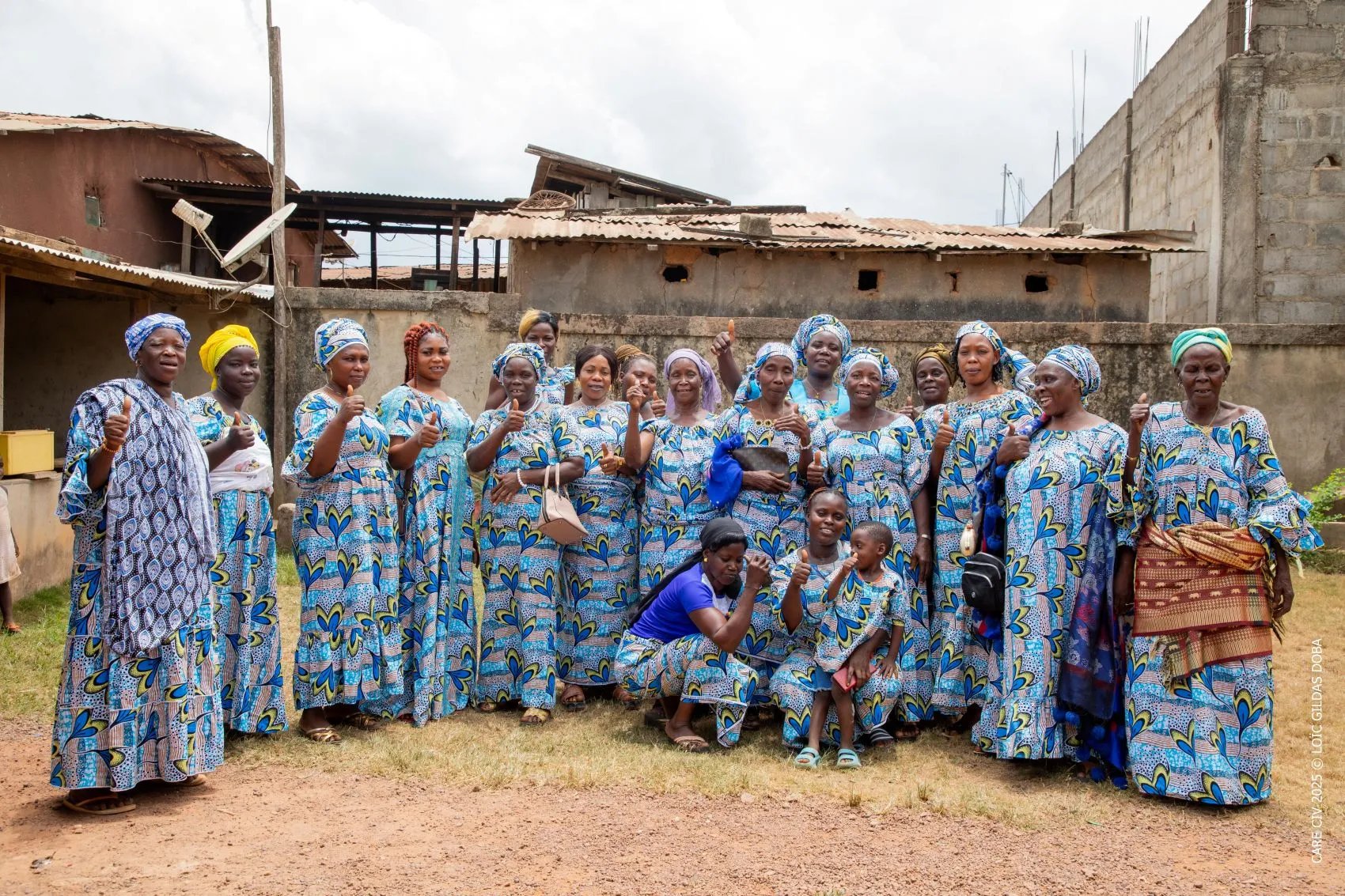
This support is helping many cocoa-growing families diversify their income and invest in their futures. Beatrice from Côte d’Ivoire is one of them.

“We have opened a collective bank account and even obtained a loan of 4 million FCFA ($6,930). This loan helped some maintain their cocoa farms, while others used it to create or increase their businesses,” says Beatrice. Photo: CARE

6. Savings groups are a gateway to digital inclusion and innovation.

70% of women entrepreneurs in low-income and emerging economies lack access to financial services.  Closing the mobile internet gender gap could add $1.3 trillion to GDP in low- and middle-income countries.

When finance and technology companies design new products with input from savings groups, women receive larger loans, businesses grow, and the ripple effects of women’s achievements build the trust that makes digital finance successful.

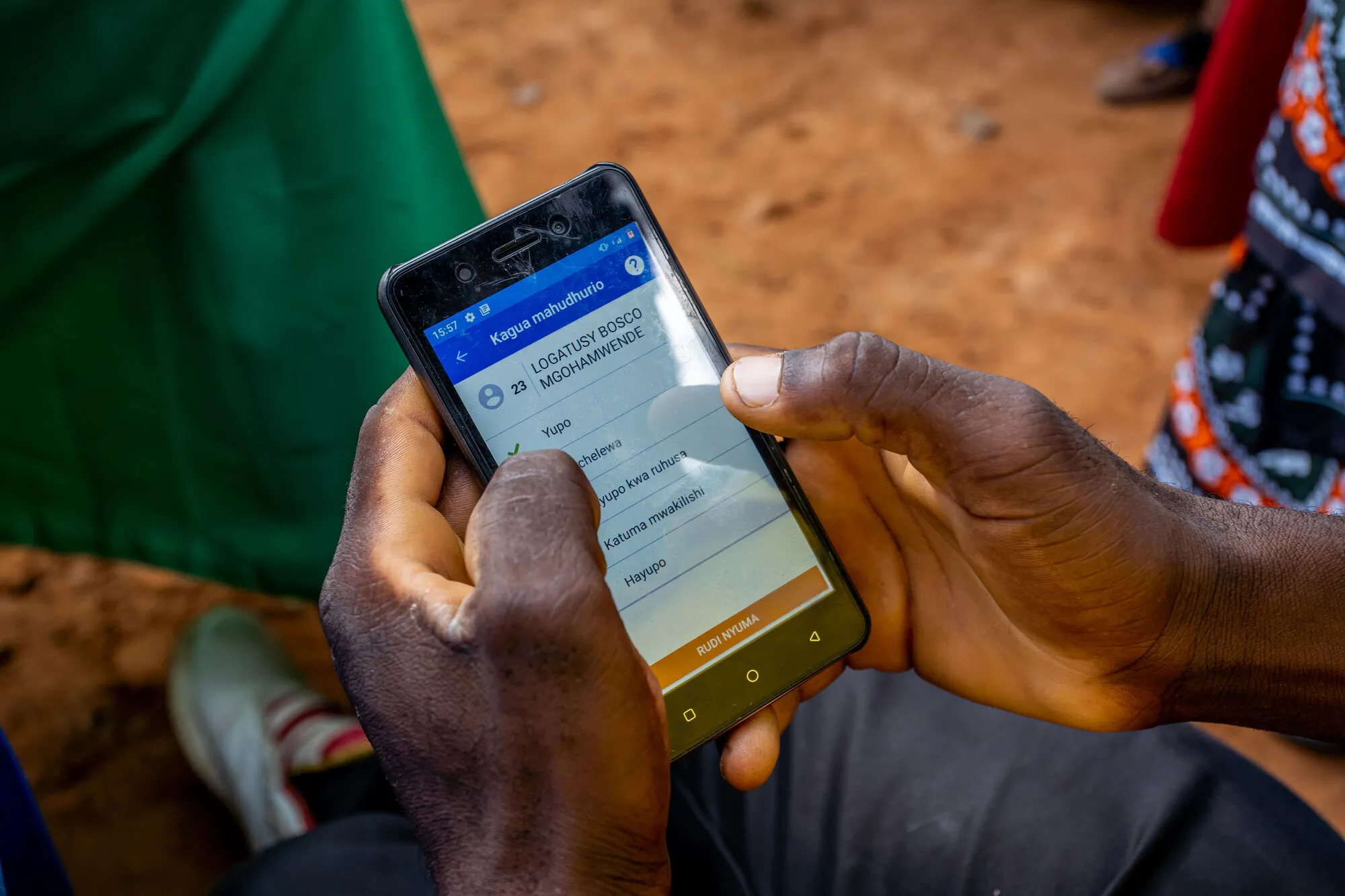
CARE partnered with Ensibuuko, a Ugandan FinTech company, to develop Chomoka, a digital record-keeping app for savings groups. Today, Chomoka serves over 131,000 users across six African countries.

Together with women VSLA members, Ensibuuko co-designed a digital loan accessible through the app, specifically tailored for savings groups. By leveraging women’s VSLA histories to create credit scores, the app has enabled members like Grace — a refugee from the DRC who arrived in Uganda with nothing — to qualify for larger loans.

Grace opened a shop and now gives advice along with the goods she sells. She helps other women apply for digital loans and mentors aspiring entrepreneurs as they start their businesses.

Close-up of a mobile phone running the Chomoka fintech app, where a user is navigating a menu item to access digital loans or record-keeping for a Village Savings and Loan Association (VSLA).
“I knew life would be hard starting over, but with the VSLA and Chomoka, I found hope,” says Grace. Photo: CARE

Savings groups: A powerful constant in uncertain times

“2025 has been the year that the entire world experienced the uncertainty that VSLA members face daily,” says CARE’s senior director for Global VSLAs, Vidhya Sriram.

“We have seen critical aid organizations collapse and lifesaving assistance cut off from communities in need. Amid it all, VSLAs have continued to meet, save, lend, and forge a future for their members.

“The resilience of these groups is a testament to the power of the collective — nay, the power of women, who are always the first responders and the last to leave any crisis. They remain, and they are the new frontier of development assistance.”

Learn more about the power and resilience of savings groups in the VSLA Annual Report 2025: From Savings to Shaping Markets.


Back to Top