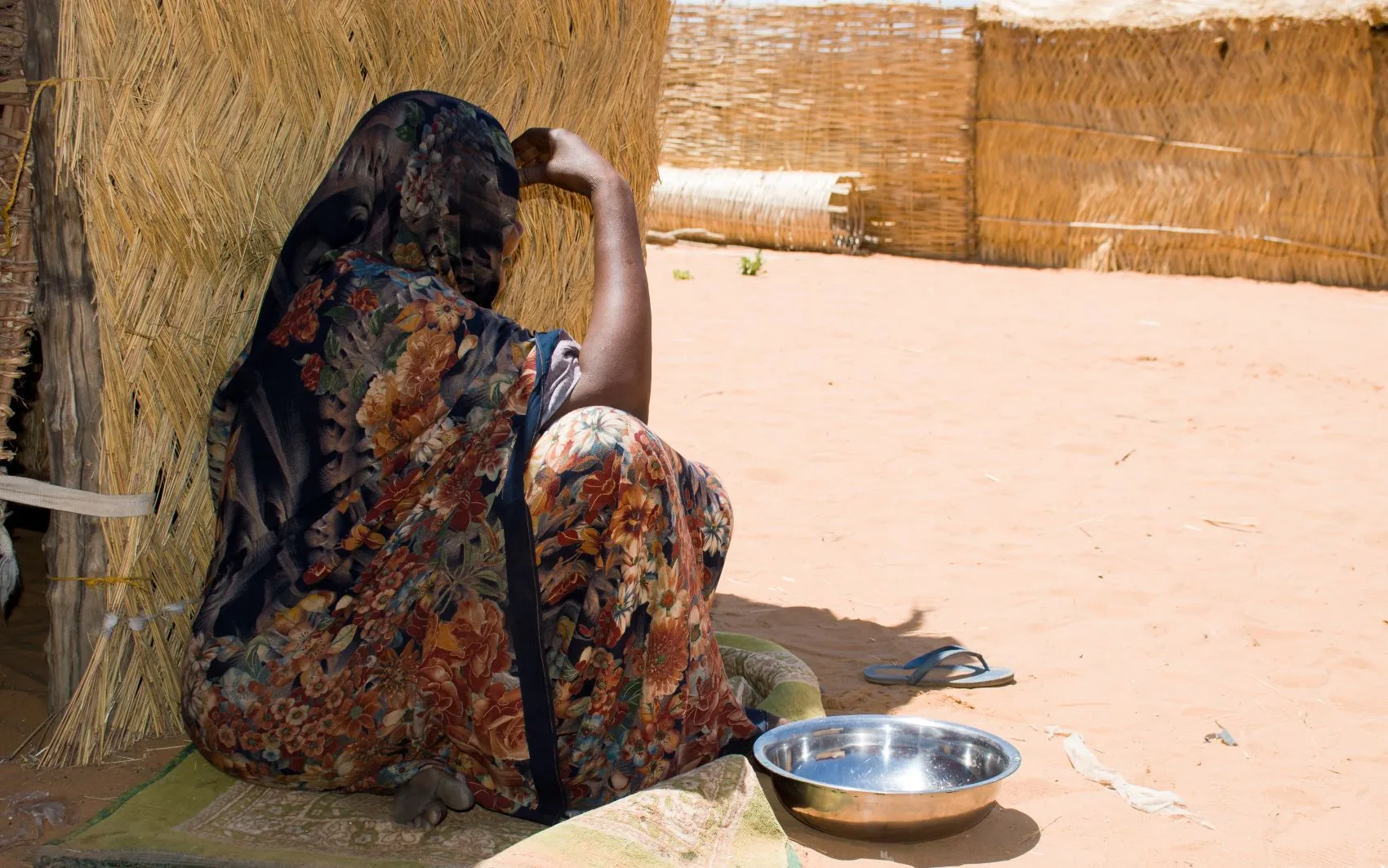
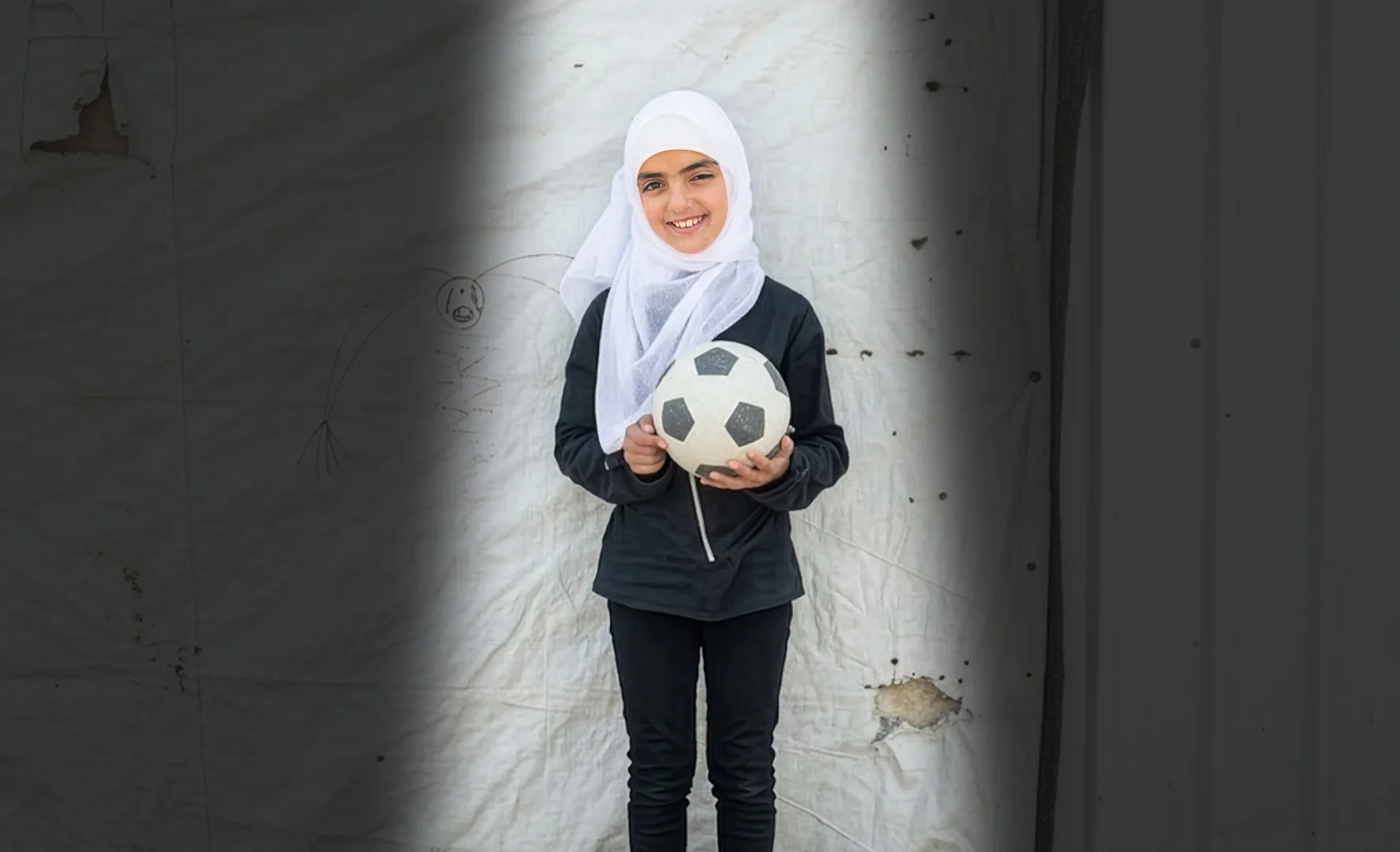
Nearly 13 million people — one in three Sudanese — have been displaced since violence broke out between the Sudanese Armed Forces (SAF) and the paramilitary Rapid Support Forces (RSF) in April 2023. This includes refugees, asylum seekers, and internally displaced people, like Hanan.
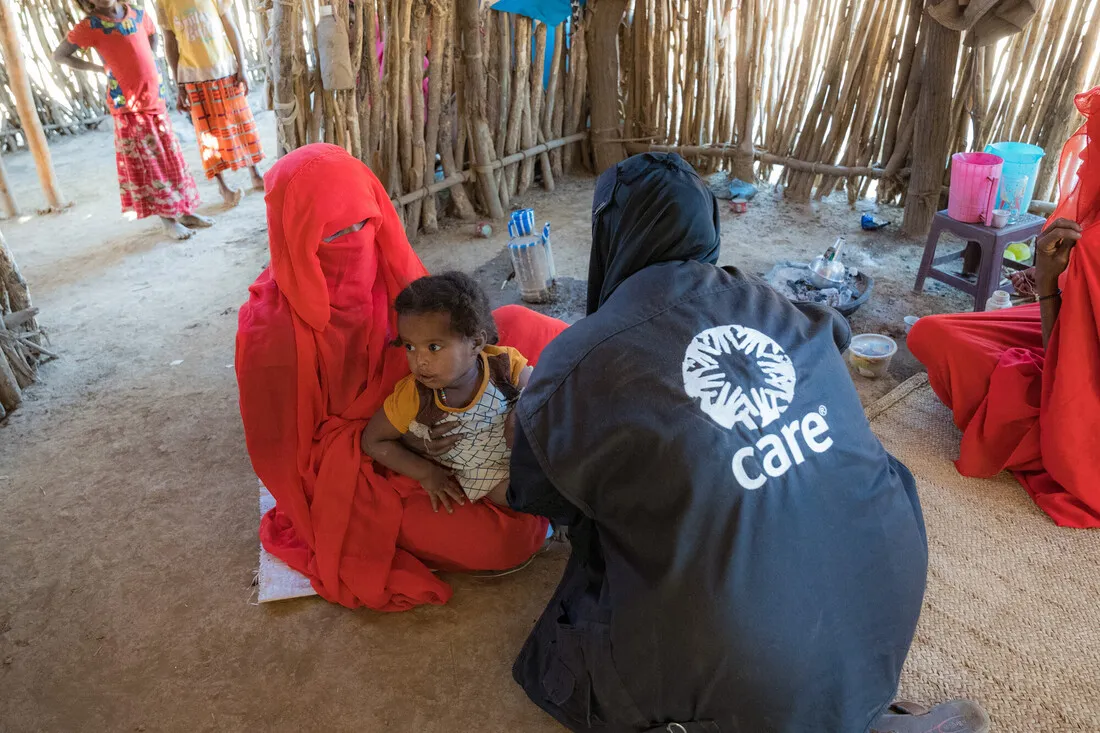
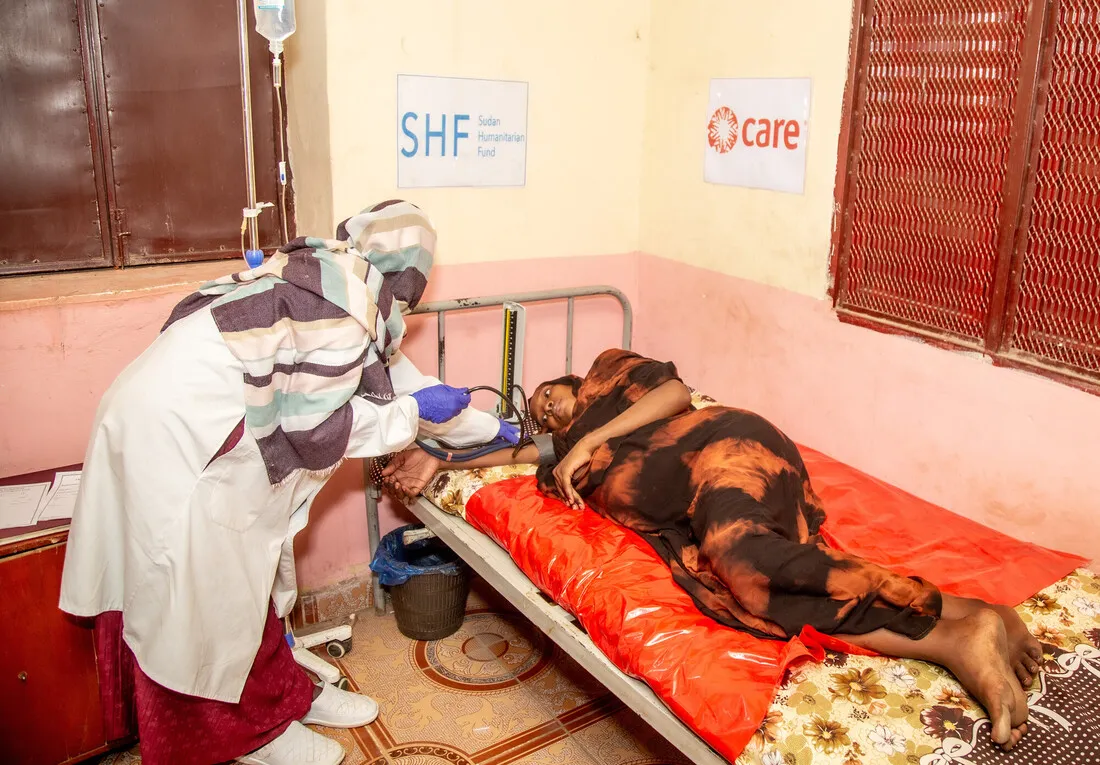
“After a long, exhausting journey, we found shelter at a school in Kassala, East Sudan, with dozens of other families,” Hanan says. Because she and her family had lost their sources of income as they ran from the violence, they relied on external support. “Aid agencies started providing food and other assistance. I received cash to buy my medication, as I suffer from high blood pressure and other health issues.”
That all changed when the U.S. government cut funding for international humanitarian assistance.
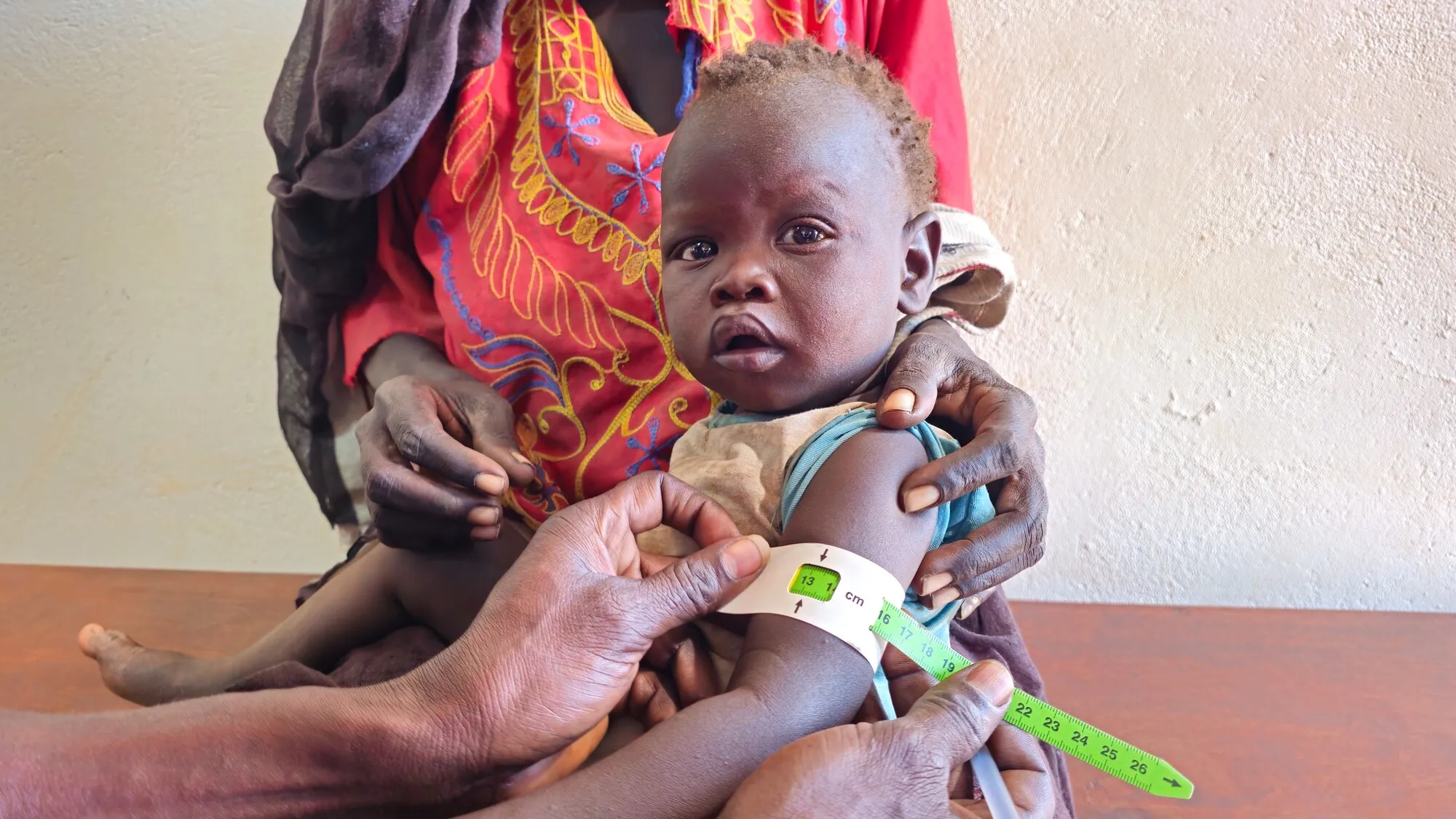
“Suddenly, the assistance we relied on stopped,” she says. “When we asked aid workers why, they told us they are facing huge funding cuts. Food aid was reduced, then stopped, and cash support ceased entirely. Now, I can no longer afford my medication, and we barely get any food.”
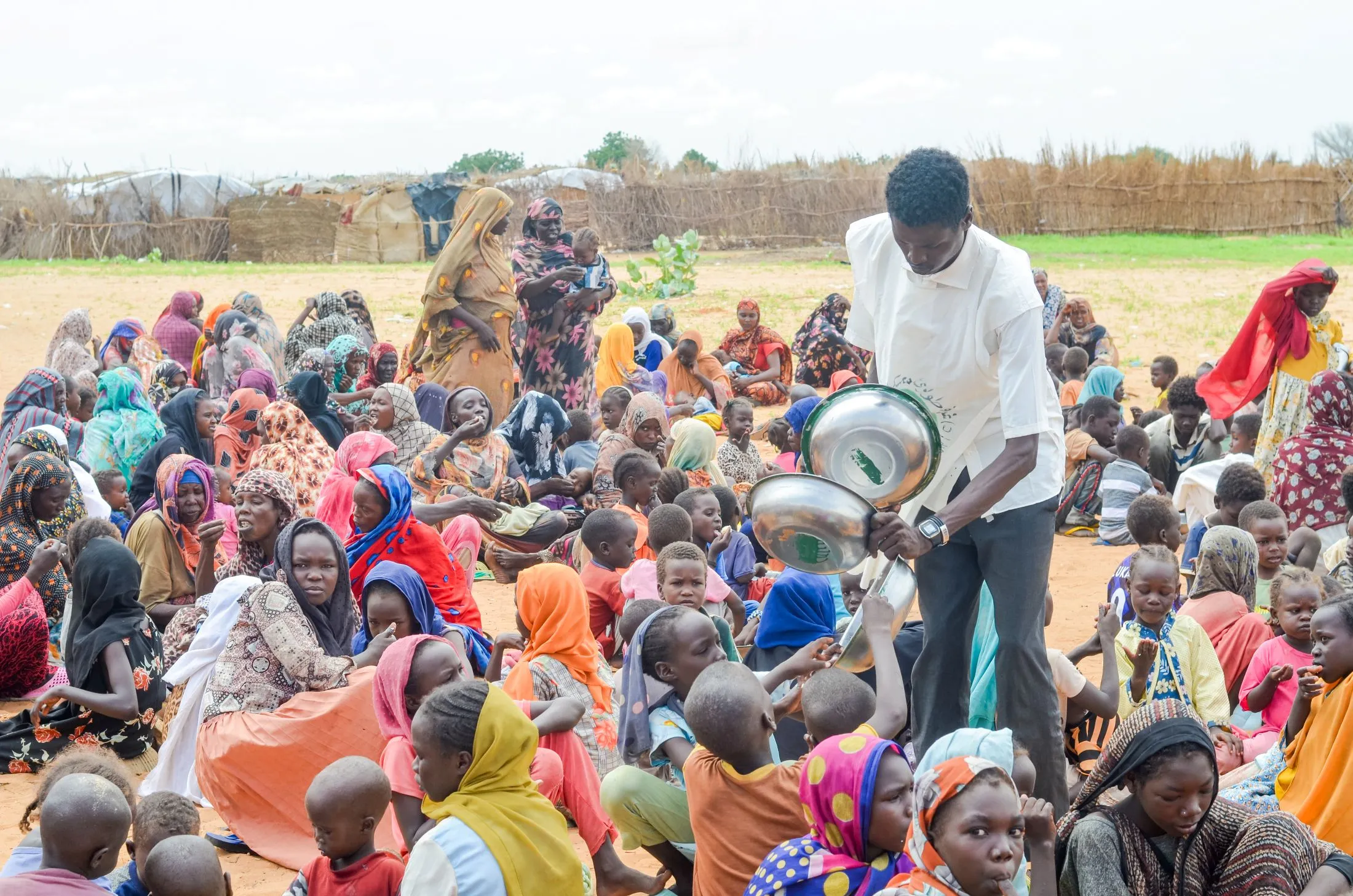
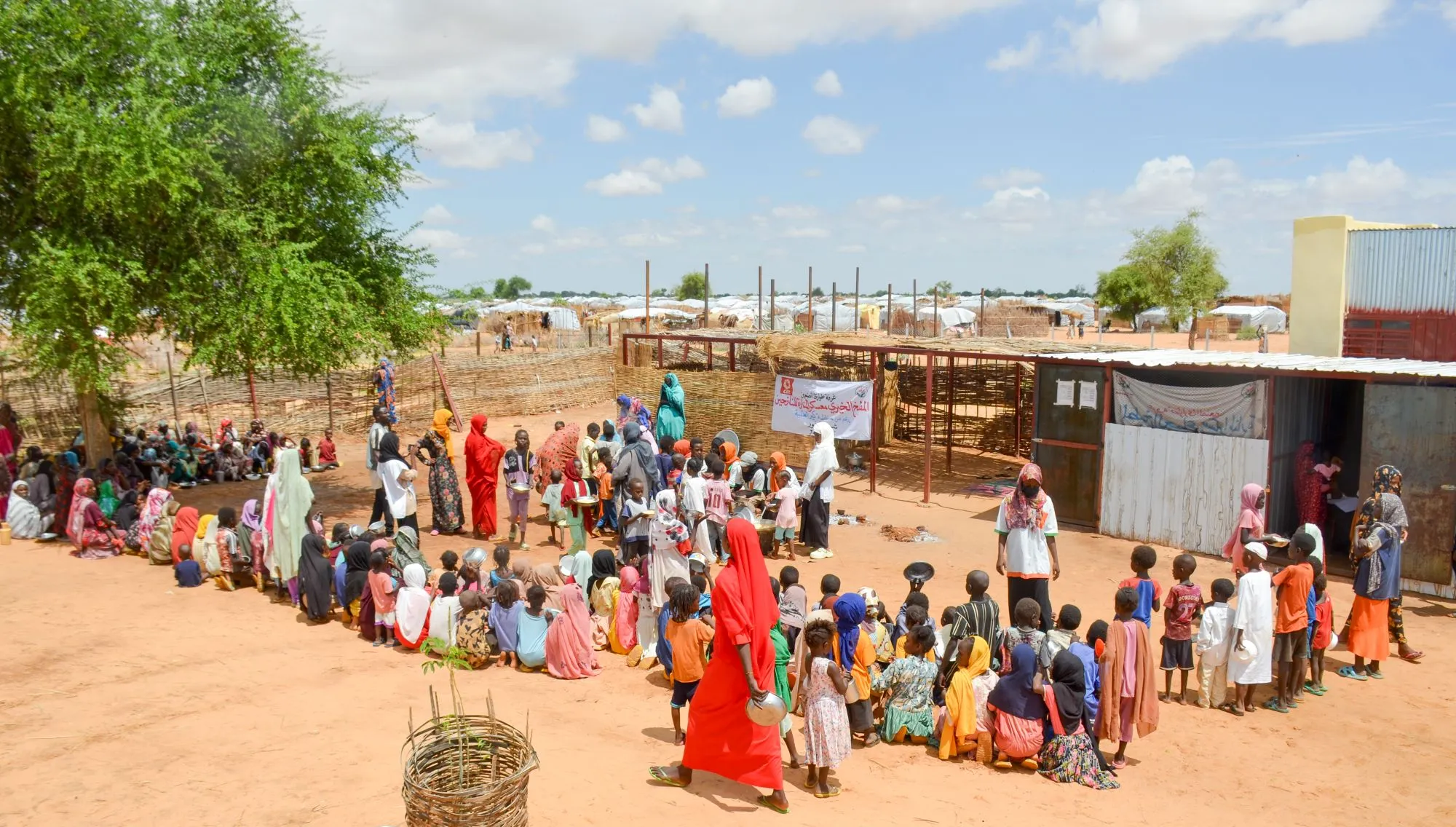
“I tried to compensate for lost food aid by relying on meals from a nearby community kitchen. But the kitchen shut down. Volunteers told us funding had dried up, so they can no longer serve us,” says Hanan.
Aid cuts have forced thousands of community kitchens, which once provided fresh meals to millions across Sudan, to either close or drastically reduce portion sizes.