Atlanta, GA., January 23, 2026—A major, widespread winter storm, Winter Storm Fern, is set to begin Friday, January 23, 2025, and last into early next week. Extreme winter weather is expected to affect approximately 230 million people across the United States, nearly two-thirds of the nation’s population. The South, Mid Atlantic, Midwest, and Northeast are all forecast to be impacted, with 34 states expected to receive heavy snow or ice, creating hazardous travel conditions, dangerous temperatures and increased risk of long-lasting power outages.
As communities brace for severe conditions, CARE—a humanitarian organization with 80 years of experience responding to emergencies globally and, increasingly, across the United States—is emphasizing the importance of preparedness, particularly for mothers and caregivers.
“During emergencies like Winter Storm Fern, moms and caregivers are often the first responders for their families, making critical decisions to keep families safe under difficult conditions. Empowering them with information and support is essential to keeping families safe,” said Sarah Thompson, Associate Vice President of U.S. Programs at CARE. “With the storm approaching, CARE is communicating with local partners in order to be able to respond quickly and address gaps in assistance, if needed.”
Winter storm & extreme cold preparedness:
Moms and caregivers are on the frontlines of keeping families safe. With frigid temperatures and hazardous conditions expected, preparation is key.
Please see the following safety tips below:
Layer Clothing
Layering helps retain warmth and regulate body temperature. Dress babies and young children in loose, insulated layers that cover hands, head, neck, and feet. Outer layers should be waterproof. Avoid scarves for young children, as they can pose a strangulation risk.
Car Seat Warning
Avoid dressing babies in bulky winter coats or snowsuits while in car seats, as they can interfere with proper harness fit. Secure the child in the car seat first, then place a coat or blanket over the harness for warmth.
Stay Hydrated
Cold, dry air can lead to dehydration, especially in young children. Offer water or fluids regularly, even if no one feels thirsty.
Stock Up
Store non-perishable food, water, medications, diapers, and hygiene essentials in case of power outages or extended periods indoors.
Take Care When Traveling
Avoid travel if conditions are unsafe. Wear rubber-soled, supportive shoes to prevent slips and falls—especially if pregnant or carrying children.
Be Alert: Signs of Hypothermia in Babies and Young Children
Extreme cold increases the risk of hypothermia. Watch for:
- Shivering
- Body temperature below 97.5°F
- Cold, red skin
- Lethargy or low energy
- Weak cry (babies)
- Confusion or trouble speaking (young children)
If hypothermia is suspected:
- Call 911 immediately
- Remove wet or damp clothing
- Wrap the person in warm, dry blankets
Be Ready for Winter Disasters: Make a Family Plan
Stay Aware
- Monitor weather forecasts and local alerts
- Know school and childcare emergency plans
- Plan for Shelter or Evacuation
Plan for Shelter or Evacuation
- Identify where you will shelter in place and where to go if evacuation is necessary
- Write down emergency contacts
- Locate community warming centers by calling 211
Build a Family Emergency Preparedness Kit
Include:
- Battery-powered or crank radio
- Warm blankets and extra clothing
- Flashlights and extra batteries
- Non-perishable food and water
- First aid kit, including a thermometer
- Essential medications
- Copies of important documents
- Cash
- Feminine hygiene products
- Portable phone chargers
- Comfort items and activities for children
- Extra baby supplies, including diapers and feeding items
About CARE
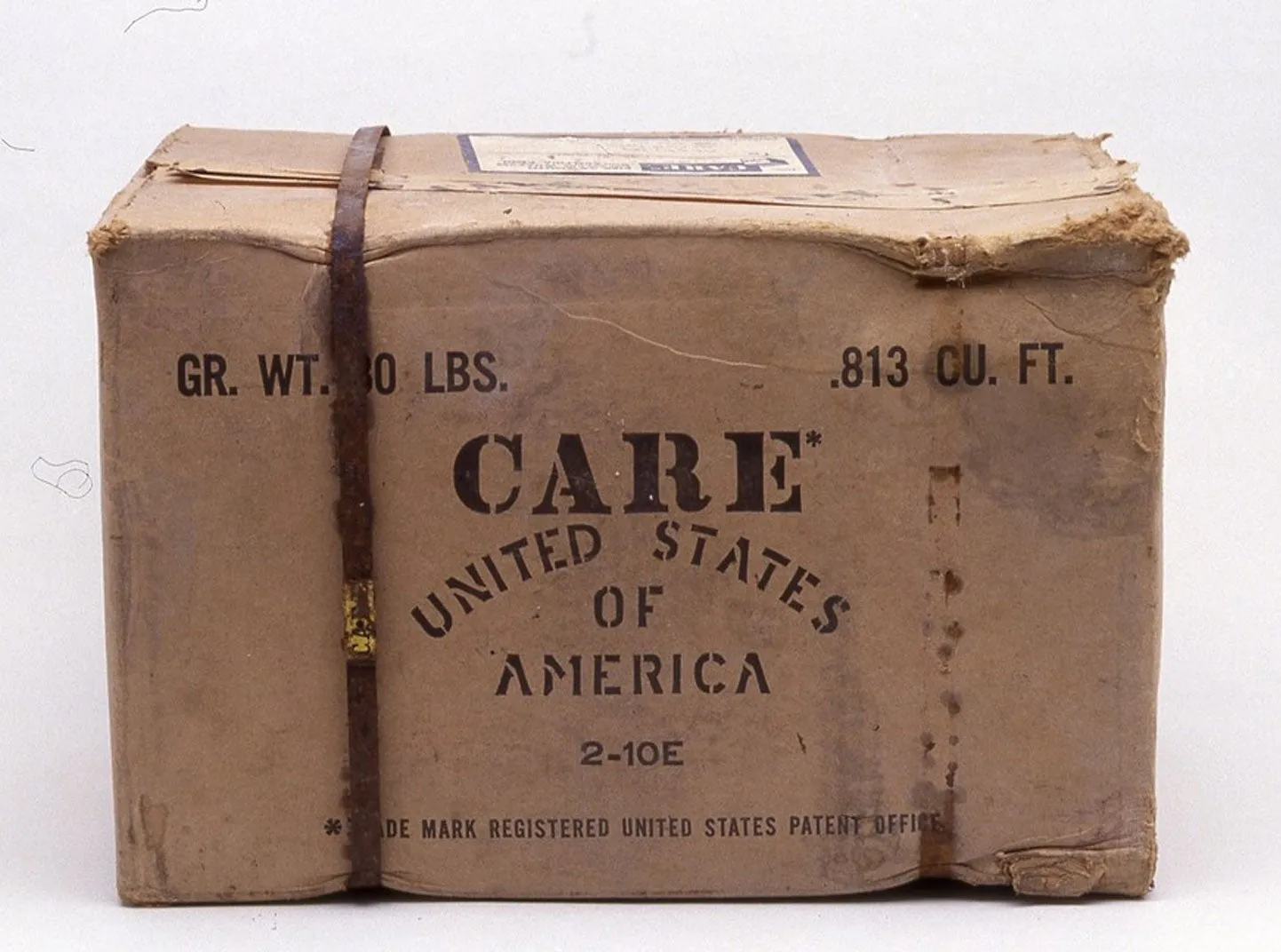
Founded in 1945 with the creation of the CARE PACKAGE® box, CARE is a leading humanitarian organization fighting global poverty. CARE places special focus on working alongside women and girls. Equipped with the proper resources, women and girls have the power to lift whole families and entire communities out of poverty. In 2025, CARE worked in 121 countries including the U.S., reaching 58.7 million people through 1,467 projects. To learn more, visit www.care.org.
About CARE’s U.S. Programs
In the U.S., CARE focuses on women-and family-centered response and recovery. In times of crisis, women are often the first responders for their families and communities. We know that when women are supported and prioritized, families recover faster, and communities thrive. Across the U.S., CARE strengthens local response systems by partnering with women-led, community-based organizations—well before an emergency strikes. This allows CARE to deliver urgent disaster assistance that reaches those most at-risk and builds long-term resilience. We champion local family needs, distribute CARE PACKAGE® parcels and essential supplies, support local organizations through recovery grants, and provide other assistance.
For media inquiries, please email usa.media@care.org