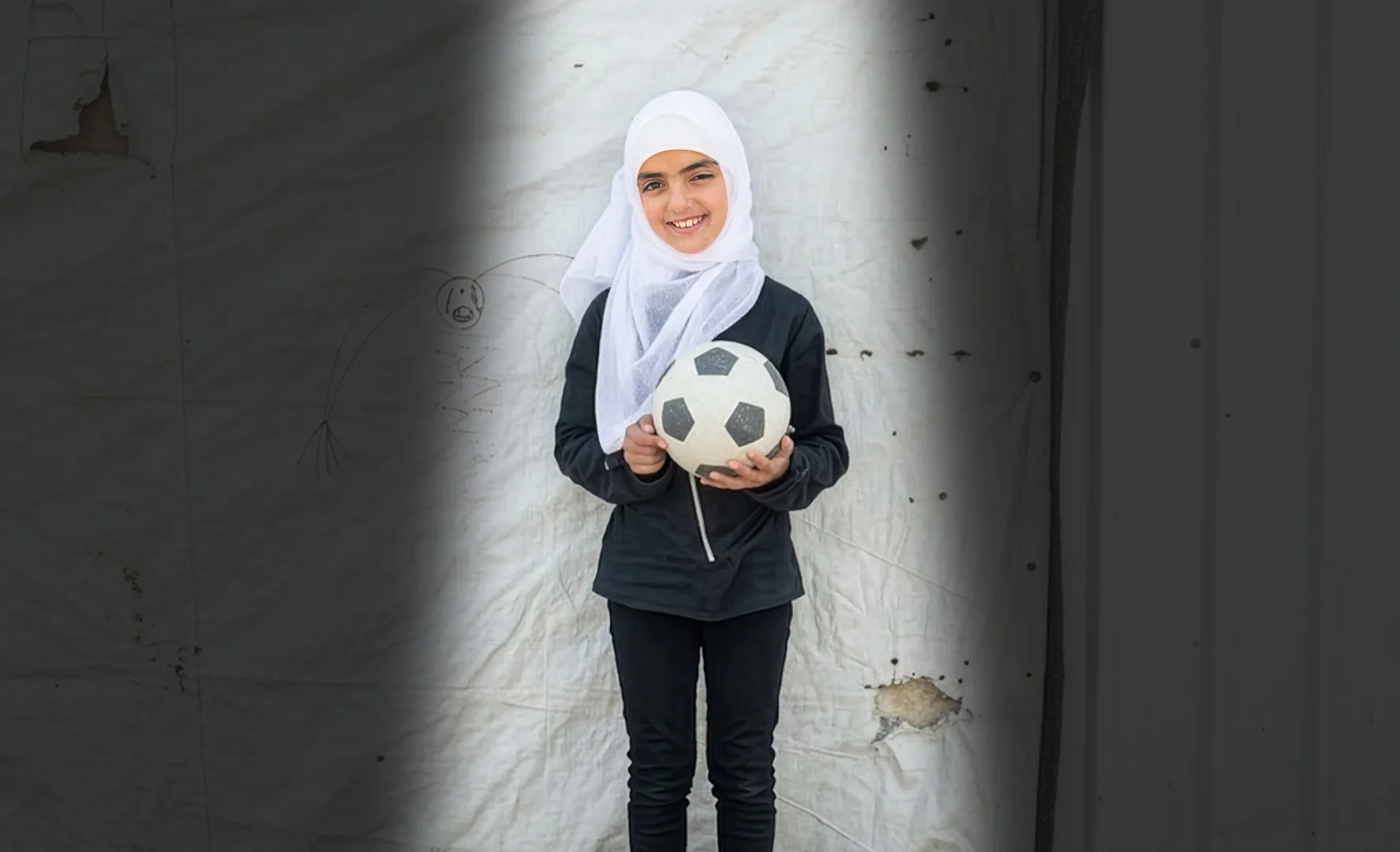
Afghanistan maternal health crisis: How CARE clinics save young mothers in remote villages

By Mudabbir Maajid, Kristina Jovanovska & Hillol Sobhan February 4, 2026

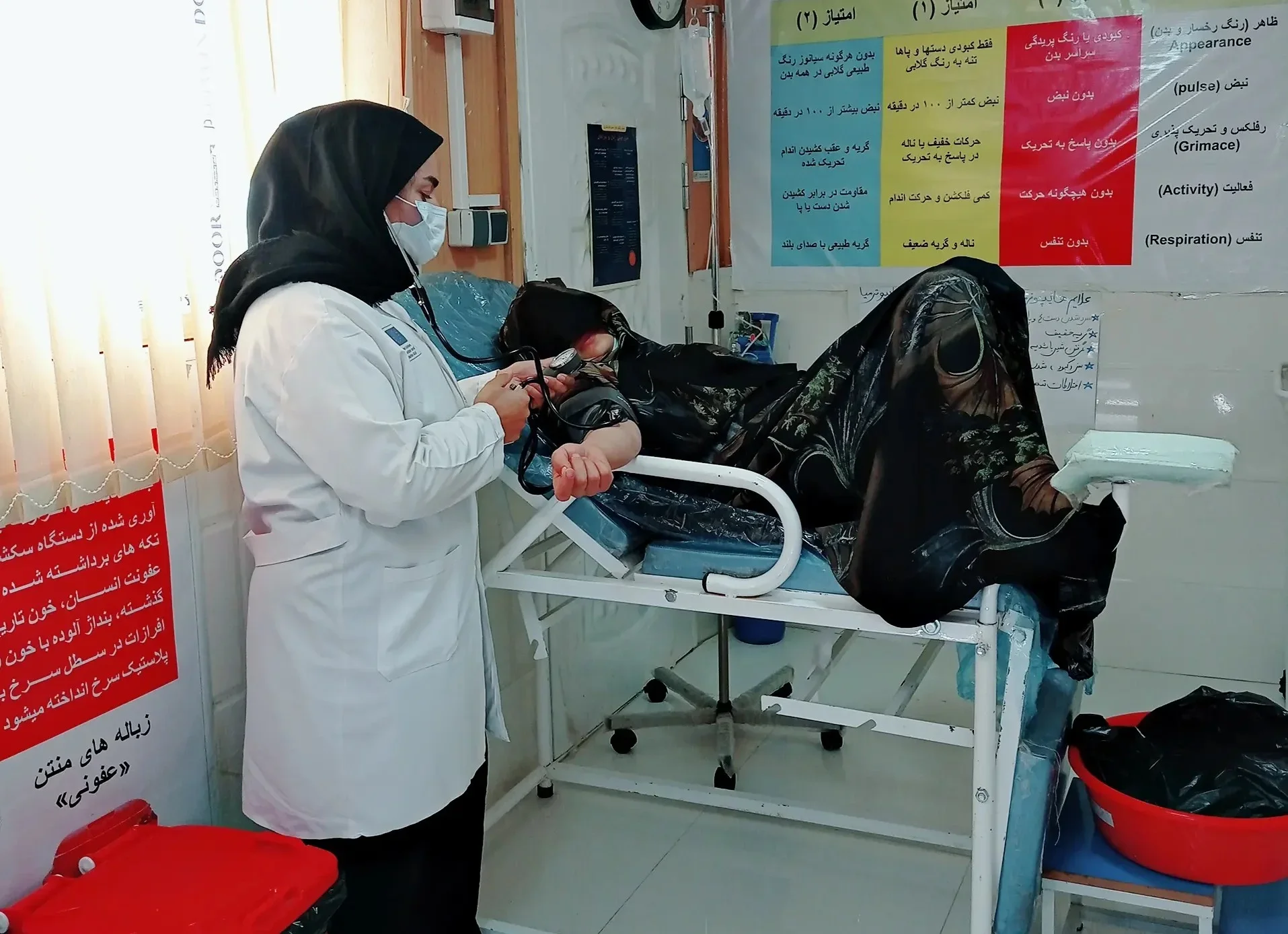
A midwife in a white coat and face mask checks the blood pressure of a pregnant patient lying on a medical bed in a clinic in Afghanistan.

In Afghanistan, where childbirth claims a woman’s life every two hours, CARE and OCCD clinics provide essential antenatal and postnatal care vital for survival. All photos: CARE Afghanistan

“I was excited to become a mother, but I had no idea how to care for a baby,” says Sita.

Want more stories like this?

Sign up for the CARE News & Stories email newsletter to find out more about what’s happening around the world through vibrant, engaging stories that put humanity at the center.

Subscribe

Sita*, 16, lives in Poshta-e-Murad Khan, a remote Afghan village. For girls like her — married young and far from hospitals — pregnancy brings deadly risks such as bleeding, infections, pre-eclampsia, and obstructed labor.

Sita got married at 12, before her body was mature enough for safe childbirth. The deadly risks of early pregnancy are only compounded by isolation. Without roads or clinics, otherwise manageable complications become life-threatening emergencies.

Sita’s story is part of a staggering humanitarian crisis in Afghanistan. With 65% of Afghans living in poverty and 17.4 million people facing acute hunger, the strain on families is immense. Nearly 22 million people — half of the country’s population — now need urgent assistance for survival. The situation is further worsened by one of the world’s largest displacement crises, as over 2.8 million Afghans returned from neighboring countries in 2025 alone.

This surge in needs has pushed the nation’s health system to its limit. Afghanistan has one of the world’s highest maternal mortality rates: a woman dies in childbirth every two hours. This crisis worsens as nearly 80% of essential health centers risk closing due to funding shortages.

Thankfully, Sita survived her high-risk pregnancy with lifesaving care from a nearby clinic that provides localized support and is a vital resource for young mothers with nowhere else to turn.

CARE and its local partner, OCCD, support 12 such health clinics across Ghazni, Herat, and Khost provinces. Funded by the European Civil Protection and Humanitarian Aid Operations (ECHO), these clinics deliver antenatal care, nutrition support, safe deliveries, and postnatal counseling where few other options exist.
First pregnancy loss: Clinic support during miscarriage and recovery

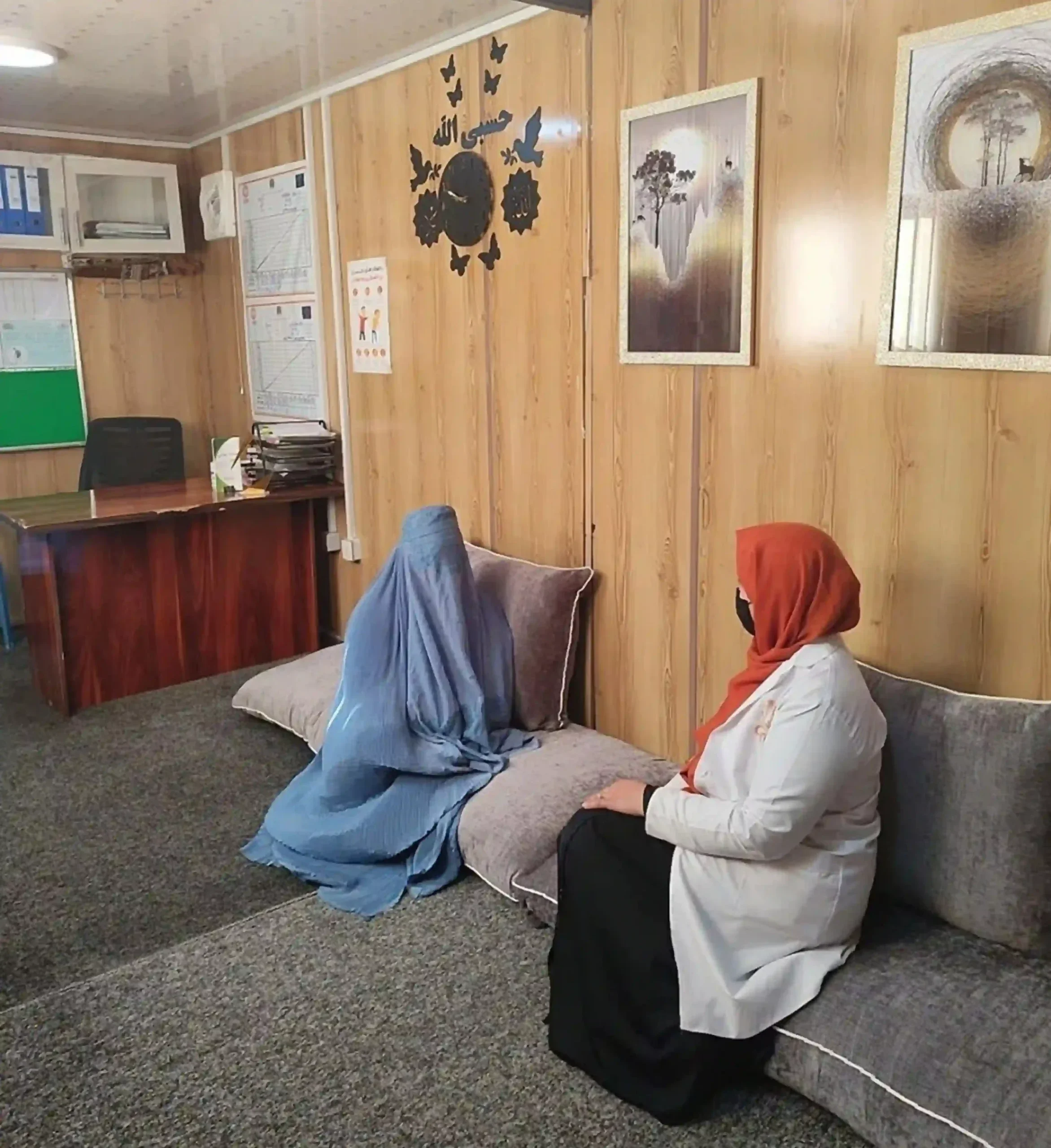
A female healthcare provider in a white coat and orange headscarf sits on a cushioned bench, engaged in a private counseling session with a patient wearing a blue burqa in a wood-paneled office in Afghanistan.
In many remote areas of Afghanistan, clinics run by organizations like CARE and OCCD serve as the only sources for women to access life-saving nutrition support, pregnancy care, and counseling.

When Sita first became pregnant, she felt both joy and fear. Like many in her community, she had little knowledge about pregnancy or how to care for herself.

As soon as she learned she was pregnant, she visited the clinic. “The midwife welcomed me, provided a mother’s health booklet, and placed me under regular antenatal care, asking me to visit the clinic each month,” Sita recalls.

Maryam, a trained midwife, found that Sita was undernourished at her visits. This is a common risk for young mothers with limited access to information and nutrition.

“The midwife enrolled me in the nutrition program where I received monthly food packages and iron tablets,” Sita says.

Four months into her pregnancy, Sita experienced a miscarriage. In the aftermath, she received medication and counseling at the clinic, where Maryam advised her to recover for at least six months before trying to conceive again.

Second pregnancy success: Midwife’s vigilance saves mother and baby

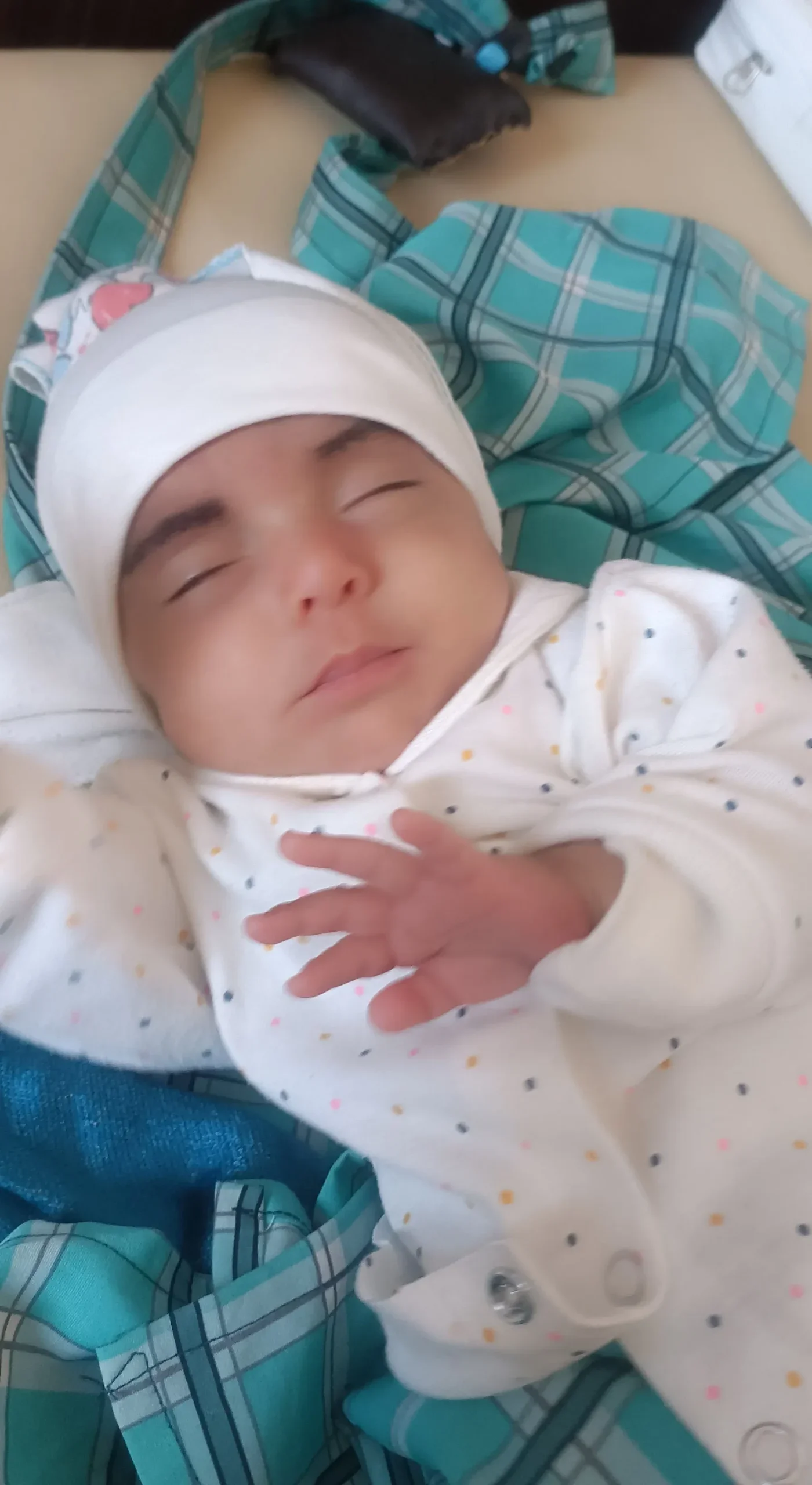
A close-up of baby Forozan, a newborn wrapped in a white polka-dot onesie and a white beanie, resting peacefully against a teal checkered blanket.
Now six months old, Forozan stands as a testament to the life-saving care and nutritional support provided by CARE and its partners.

When Sita became pregnant again, Maryam took extra precautions, monitoring her closely with blood tests and reenrolling her in the nutrition program.

Sita kept up her regular antenatal checkups. Twenty-eight weeks into her pregnancy, she woke one morning in severe pain. A midwife examined her and realized she had already gone into labor. There was no time to rush her to a hospital.

Her baby arrived weak and was struggling to breathe from low oxygen. The midwife stayed by their side, keeping the infant warm, starting skin-to-skin contact, and guiding Sita to breastfeed.

“Once mother and newborn stabilized, I discharged them with advice to keep the baby warm and breastfeed often,” Maryam says.

One week later, Sita returned for follow-up care. The clinic enrolled her baby in an infant feeding support program and nutrition counseling. Ever since, Sita visits monthly to track her daughter’s weight.

Today, Sita’s six-month-old daughter, Forozan, is thriving.

Beyond Sita: Clinics saving lives in remote Afghan villages

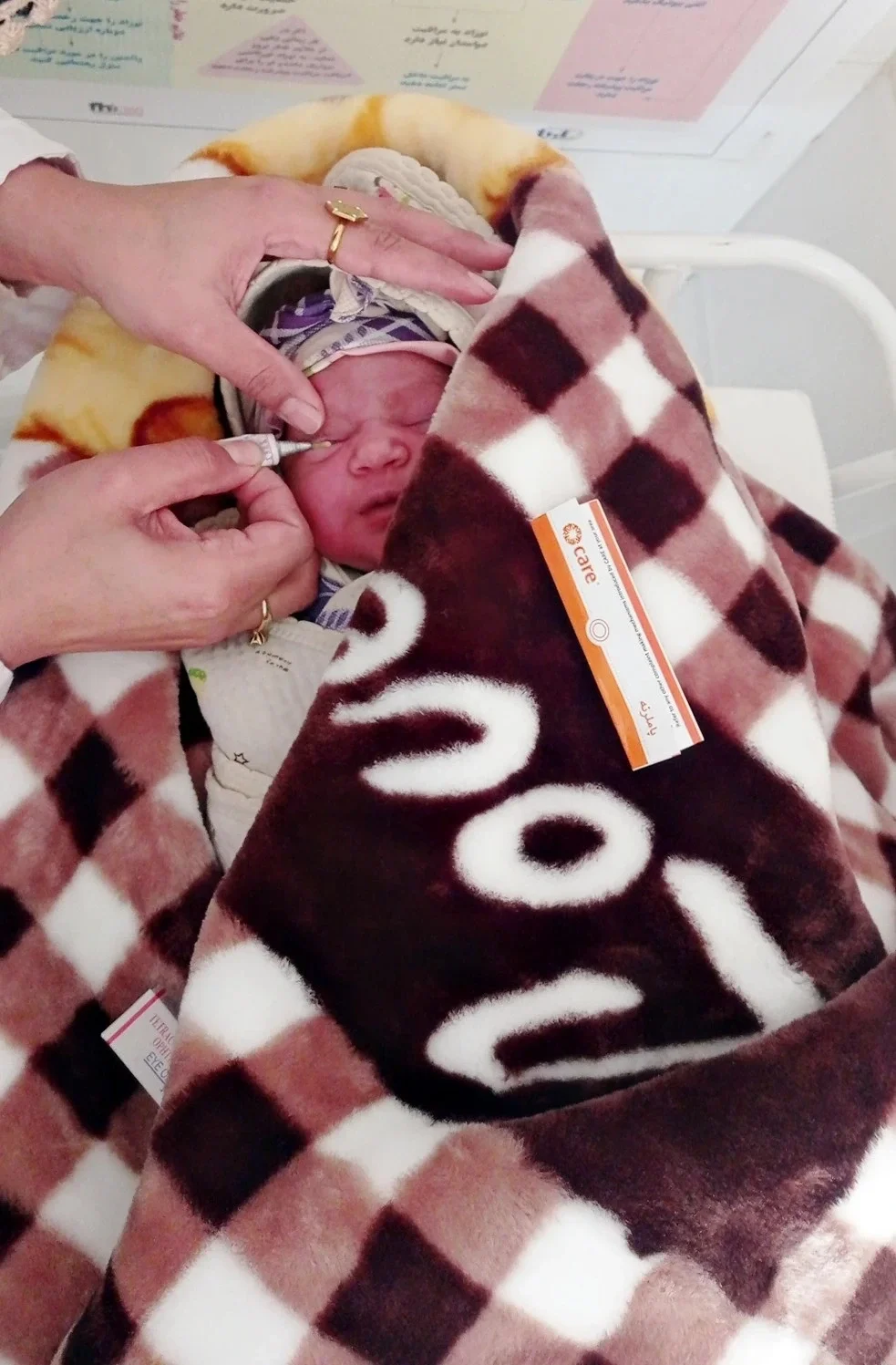
A healthcare worker's hands carefully apply eye drops to a newborn baby who is wrapped in a thick, brown and white checkered blanket at a CARE-supported clinic.
Like Sita, Leilma and her baby survived thanks to trained midwives and equipped CARE clinics.

Sita’s story is far from unique. In Afghanistan, young women across remote districts face deadly pregnancy risks, especially where skilled care is scarce. Maternal deaths still rank among the country’s top killers for women.

In Pashtun, a remote village in Zarghoon district, young Leilma* rushed to a CARE clinic in active labor. Married young and terrified of childbirth — despite attending antenatal visits — she struggled to breathe as the pain of contractions hit her.

Leilma managed to give birth, but her baby wasn’t breathing.

Midwife Amina sprang into action, warming and rubbing the newborn before delivering assisted breaths. After heart-pounding minutes, the baby finally let out a wail. But then Leilma’s blood pressure suddenly plummeted, sending her into shock.

“For a moment, I thought I’d die,” Leilma recalls. But the midwife was able to stabilize her through the quick application of fluids, medication, and oxygen.

“She brought us back to life,” Leilma says.

Sustaining clinics: Lifelines for young mothers in remote Afghanistan

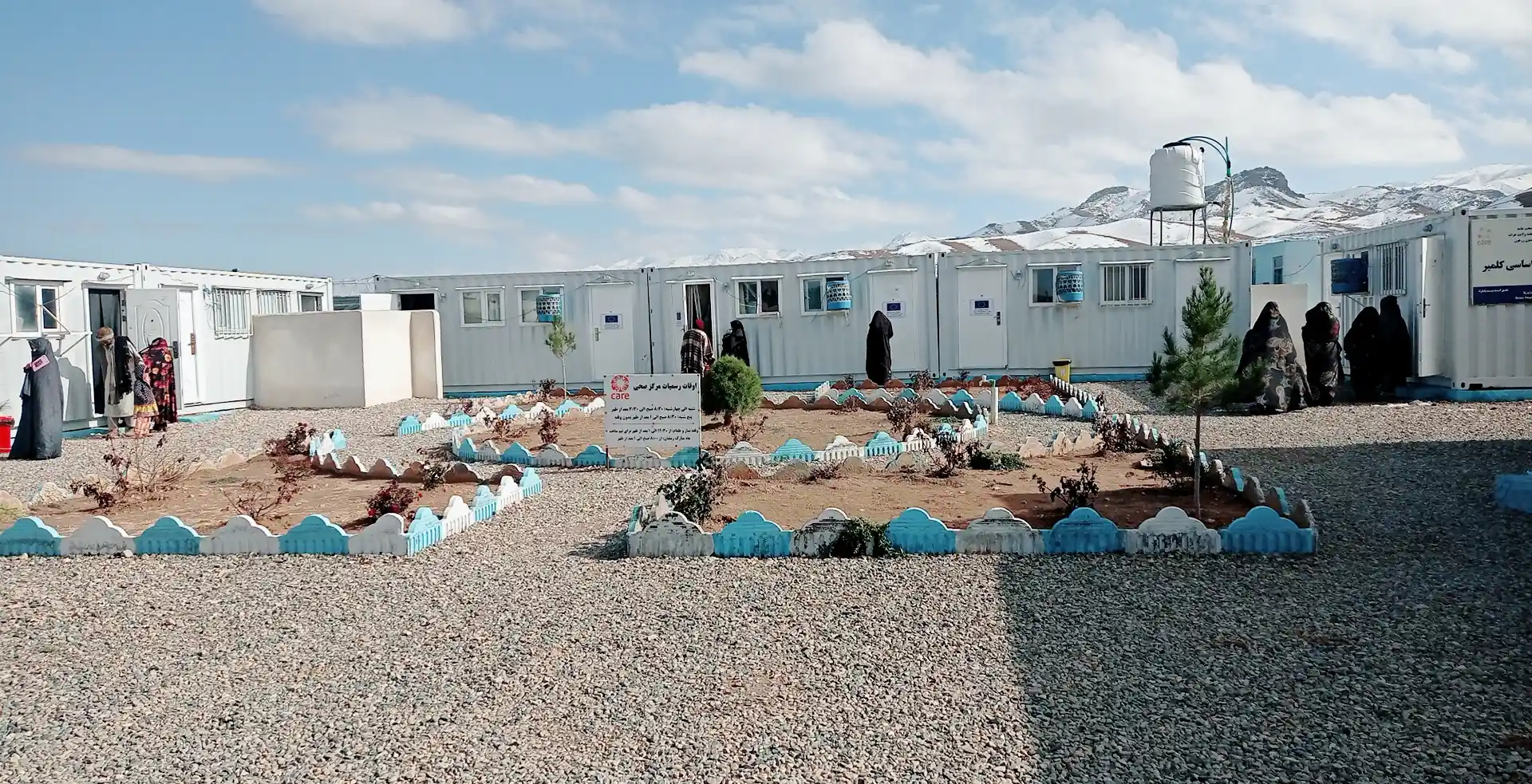
An outdoor view of the Kolmir Basic Health Center, a facility made of white shipping containers in a remote, rocky landscape with snow-capped mountains in the background. Patients walk near the entrance and small garden plots, while a prominent signboard featuring the CARE logo stands in the foreground.
In Afghanistan, clinics like this with trained midwives often stand firmly between women and maternal death during childbirth — providing the only equipped care for complications, especially in hard-to-reach areas.

For women like Sita and Leilma, a nearby clinic with trained staff can prevent maternal mortality. These facilities often provide the only available skilled care for pregnancy complications.

For Sita, access to the clinic and midwives was lifechanging.

“One day, Maryam showed me a photo of Forozan right after birth,” Sita recalls. “I was shocked to see how tiny and weak she had been. Now I smile with gratitude because she’s healthy and growing strong.”

“I am deeply grateful that such a clinic exists in our village,” she adds. “It has been a lifesaver for women like me.”

Without clinics like these, women in villages like Sita’s would have no access to skilled maternal care at all.

“As needs grow and funding tightens, these clinics remain critical,” says Kristina Jovanovska, CARE Afghanistan deputy country director. “These health facilities often provide the only skilled care for pregnancy complications. Continued investment in primary health care ensures women in remote areas aren’t left alone in their most critical moments.”

CARE began working in Afghanistan in 1961. Today, CARE Afghanistan focuses on three core areas: women’s and girls’ empowerment, enhanced resilience, and humanitarian action. In 2025, CARE programs reached 1.2 million people, 67% of whom were women and girls.

* Names changed

Back to Top