Maputo, Mozambique, February 3, 2026 – Renewed attacks across Cabo Delgado since mid-December have forced tens of thousands of people to flee their homes in northern Mozambique, increasing fears that the conflict is expanding deeper into the densely populated province of Nampula. Despite the need, the humanitarian response remains dangerously underfunded and largely overlooked by the international community.
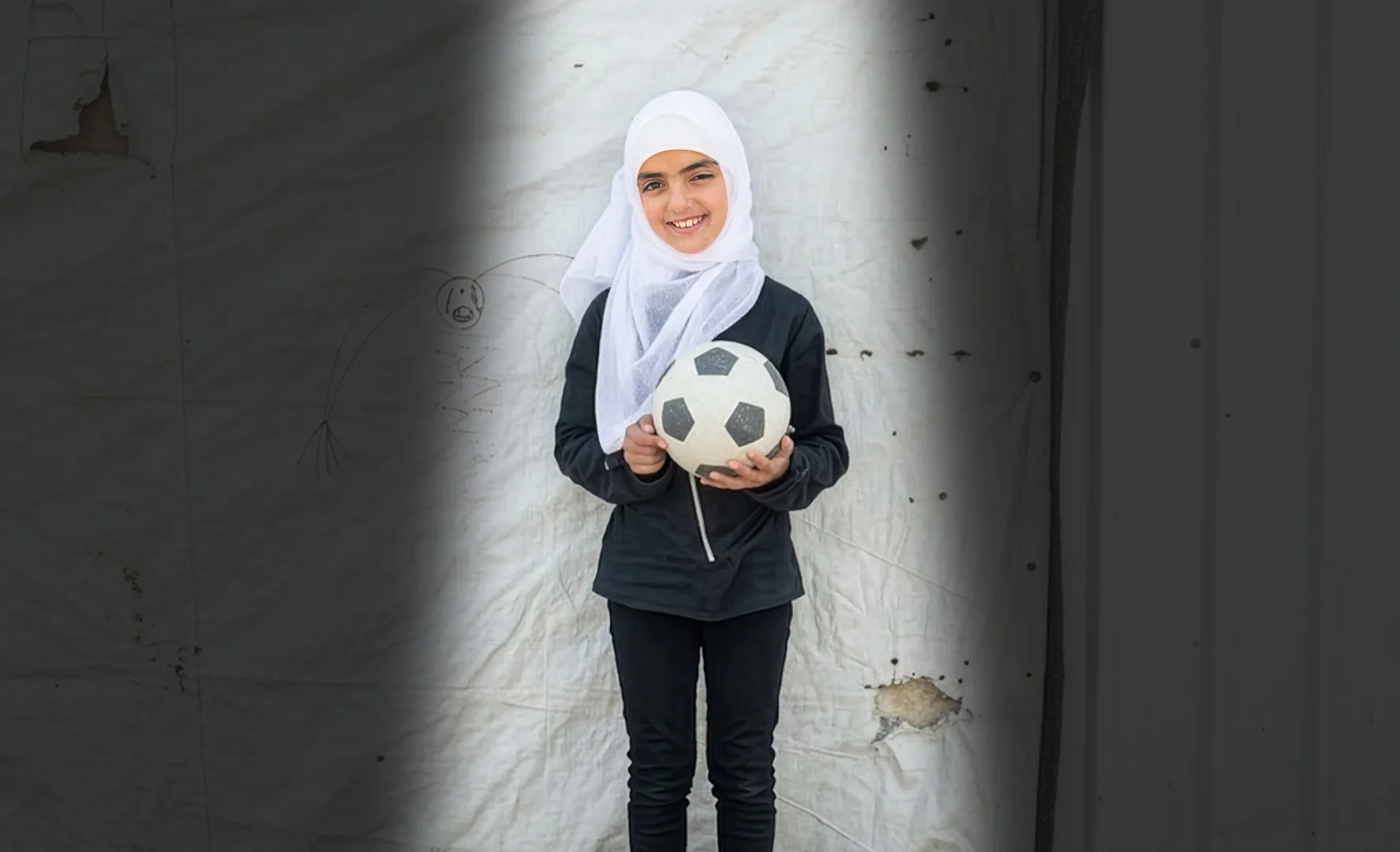
Over 107,000 people have been displaced from Memba district, with many seeking refuge in Erati, Mecufi and Nacala districts. These previously calm districts where displaced people had fled are now under threat from the fighting. Women and children make up the majority of those displaced, with many fleeing on foot with few belongings and in urgent need of shelter, food, water, and protection from gender-based violence.
CARE warns that these latest incidents are part of a broader pattern of the conflict spreading beyond Cabo Delgado and into neighboring Nampula Province. “What is particularly worrying is the clear southward expansion of the conflict,” said Katia dos Santos Dias, CARE Mozambique Country Director.
Nampula is one of Mozambique’s most densely populated provinces, home to more than six million people. If violence continues to shift south, the humanitarian consequences could be unprecedented for the region.
“Support available for frontline communities in Nampula is currently close to zero, and the window to act preventively is rapidly closing,” Dos Santos Dias added.
“Through our multi-hazard disaster risk reduction work, communities and local leaders are being trained on emergency planning, safe evacuations, and preventing family and child separation in the face of escalating risks,” said Eric Ndayishimiye, Humanitarian Programme Manager at Norwegian People’s Aid. “The increased attacks in late 2025, including in southern districts previously considered relatively safe such as Chiúre and Ancuabe, have triggered large population movements and risk spreading further.”
In addition to violence, the country is also coping with severe flooding.
Mozambique is currently at the peak of the 2025/26 rainy and cyclone season, with heavy to very heavy rainfall, severe thunderstorms, and flooding compounding conflict-related displacement. As of 21 January, nearly 600,000 people across the country have been affected by the heavy rains that first intensified on 24 December.
Flooding has damaged or destroyed over 12,000 homes, disrupted 126 schools, and affected 13 health facilities, worsening living conditions for families already displaced by conflict. In response to escalating risks, the government has activated a nationwide red alert, including compulsory evacuations in high-risk flood zones.
“Communities in Nampula were already severely affected by last year’s cyclones and the current flooding and do not have the systems, services, or resources needed to support those who are newly displaced, said Mozambique Country Director Katia dos Santos Dias”
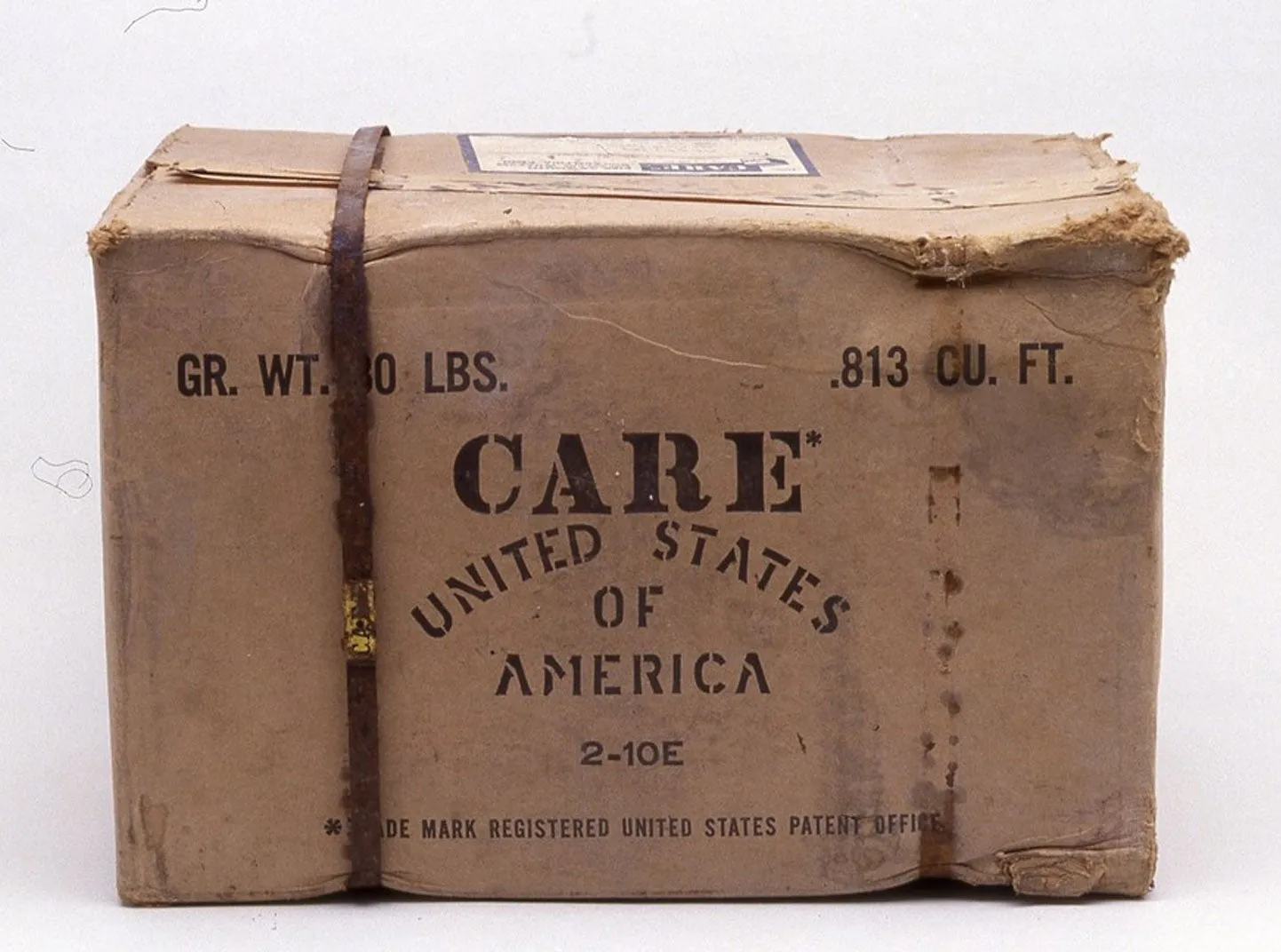
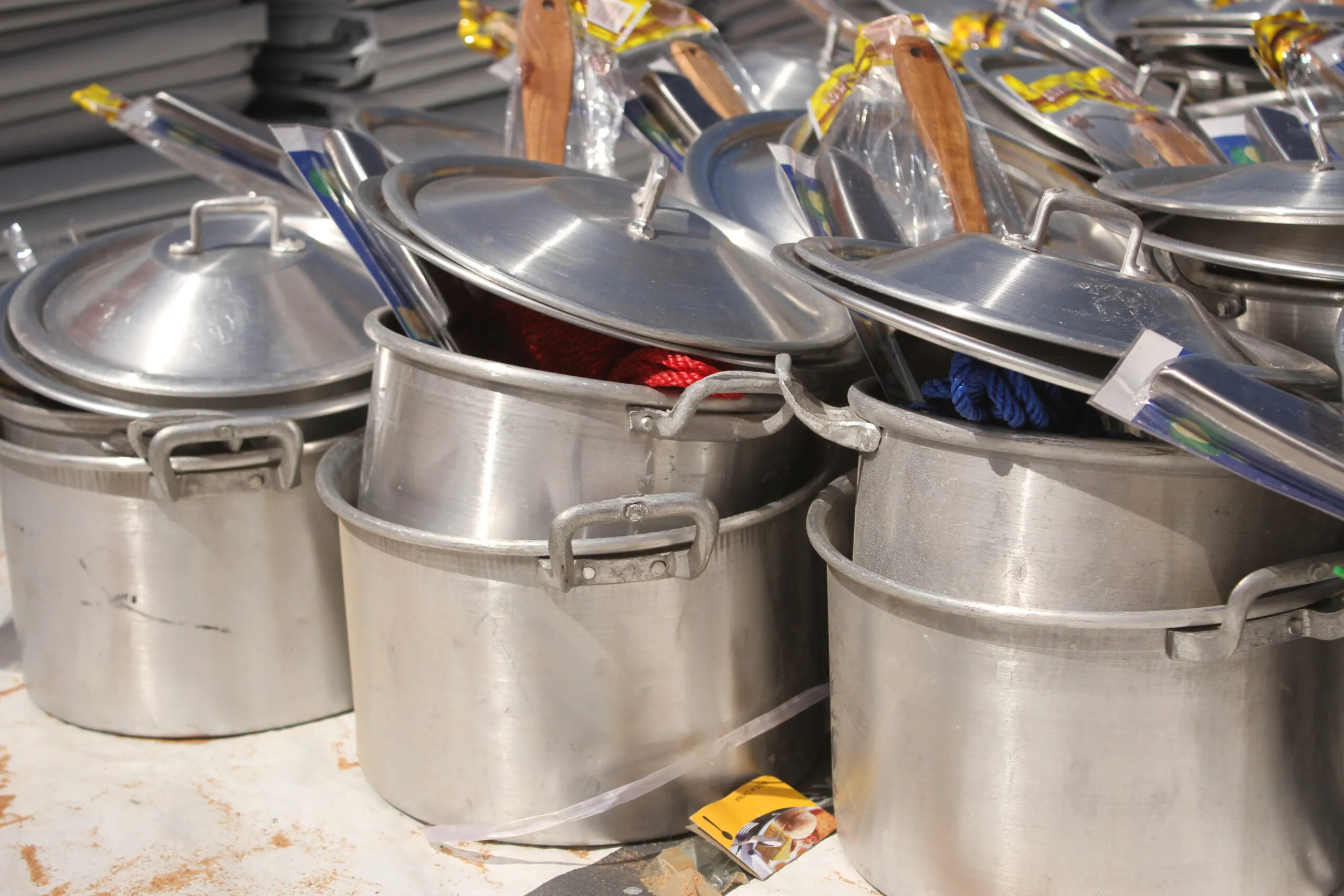
As part of its response to flooding, CARE has mobilized shelter and Water, Sanitation and Hygiene kits, Emergency CARE Packages, and cash assistance to meet urgent needs. Between 19–21 January, CARE teams in Pemba assembled kits for families affected by floods in southern and central Mozambique, including buckets, water purifiers, hygiene items, tarpaulins, blankets, solar lanterns, and kitchen sets — supporting the health, safety, and dignity of displaced families.
Despite the need, Mozambique’s UN Humanitarian Response Plan had less than one third of the required funding in 2025, leaving critical gaps in shelter, food, water, health, and protection services. The shortfall to meet urgent humanitarian needs was almost USD 240 million as global aid cuts have decimated funding.
“Given the scale, population density, and emerging displacement dynamics in Nampula, this situation requires immediate and serious attention,” said Dos Santos Dias. “If we act now, we still have a chance to prevent a much larger humanitarian crisis.”
CARE is calling on donors and the international community to urgently scale up humanitarian funding for Cabo Delgado and Nampula. Parties to the conflict must comply with international humanitarian law. They must fulfill their obligations to protect civilians from harm and forced displacement, and to ensure the protection of humanitarian and healthcare workers.
An increase in the quality and quantity of funding to local and women-led organizations is crucial, and investments in shelter, food, water, health, protection, and livelihoods, while strengthening early action and preparedness as the conflict shifts south, should be made.
For media inquiries, please email usa.media@care.org or contact Kelly Muthusi, CARE East and Central Africa, Regional Communications Associate, Kelly.Muthusi@care.org