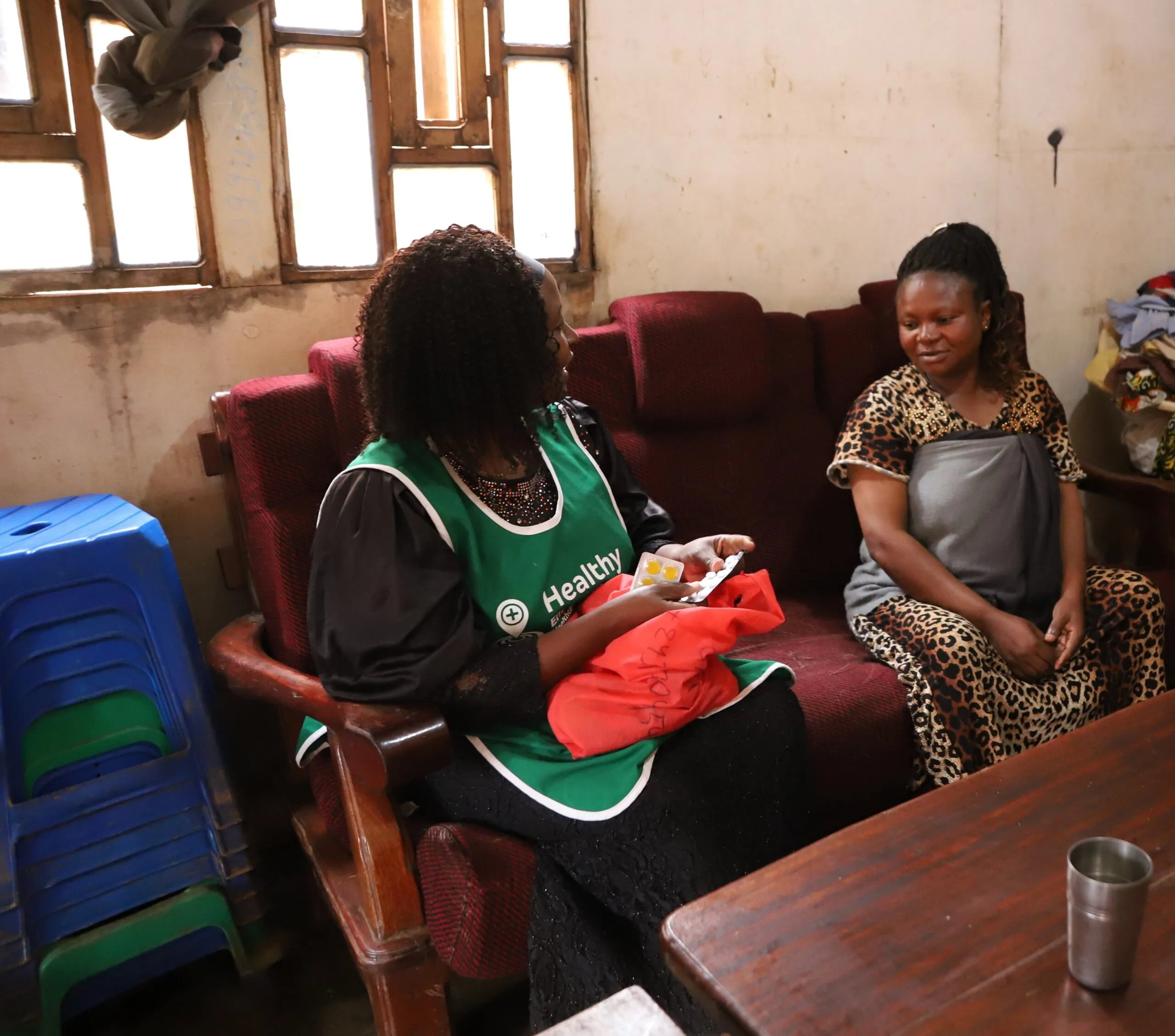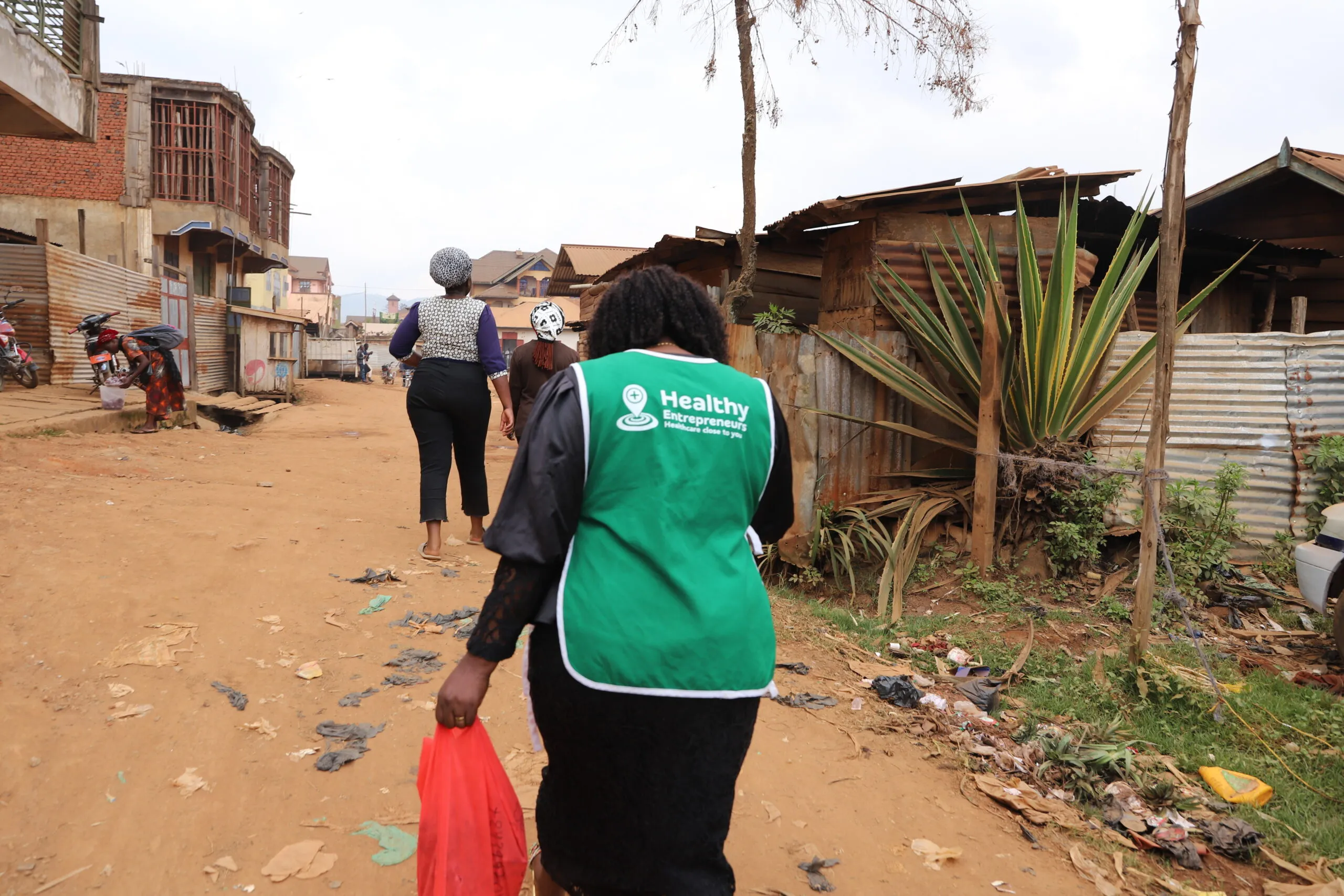
“I saw children suffering from malaria and malnutrition, and frequent water-related diseases,” Lucie recalls. “Many mothers faced complications during pregnancy and childbirth due to the lack of essential maternal health supplies and hygiene products.”
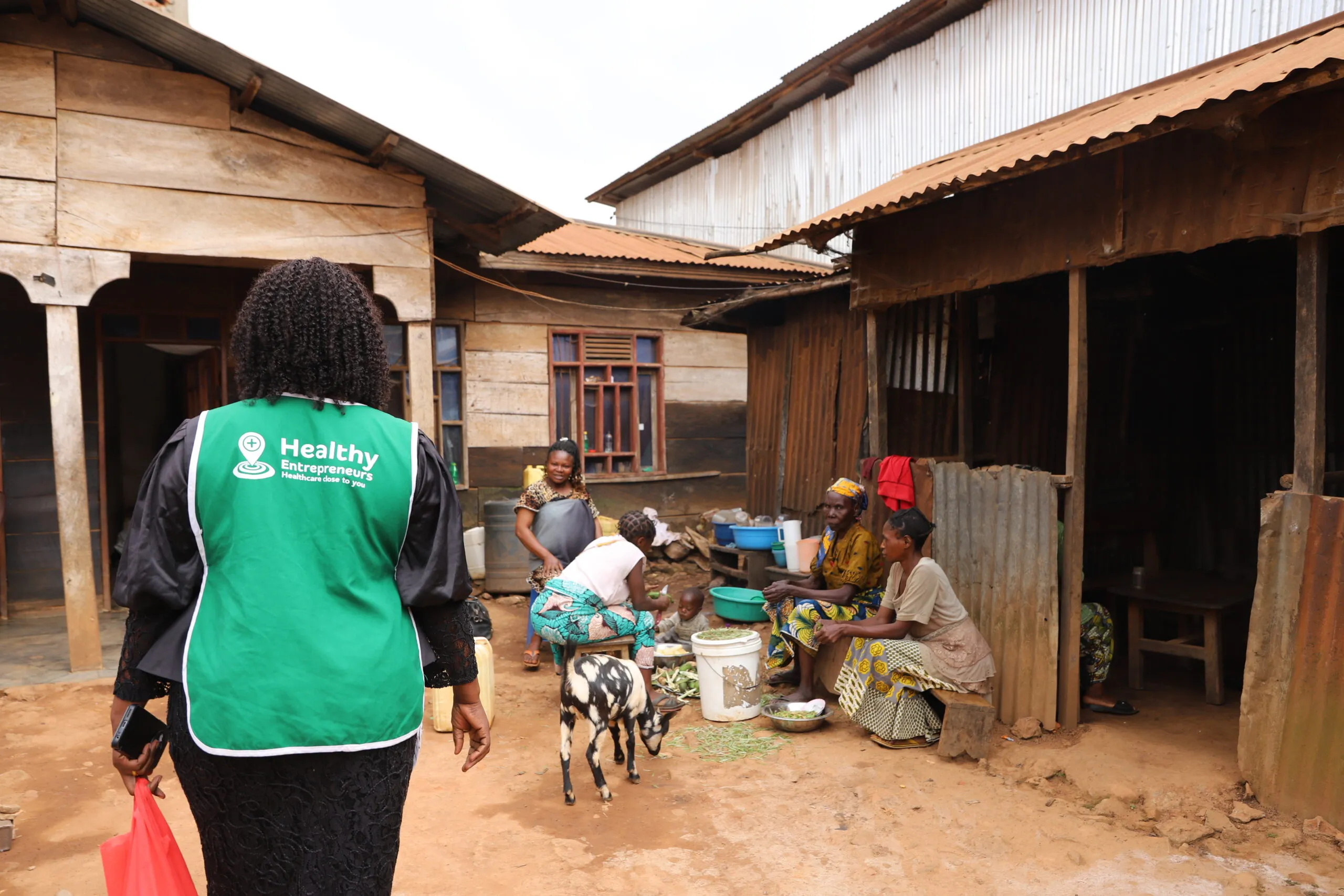
But when families asked for medicine or basic health products, Lucie had nothing to give them. Her knowledge alone wasn’t enough.
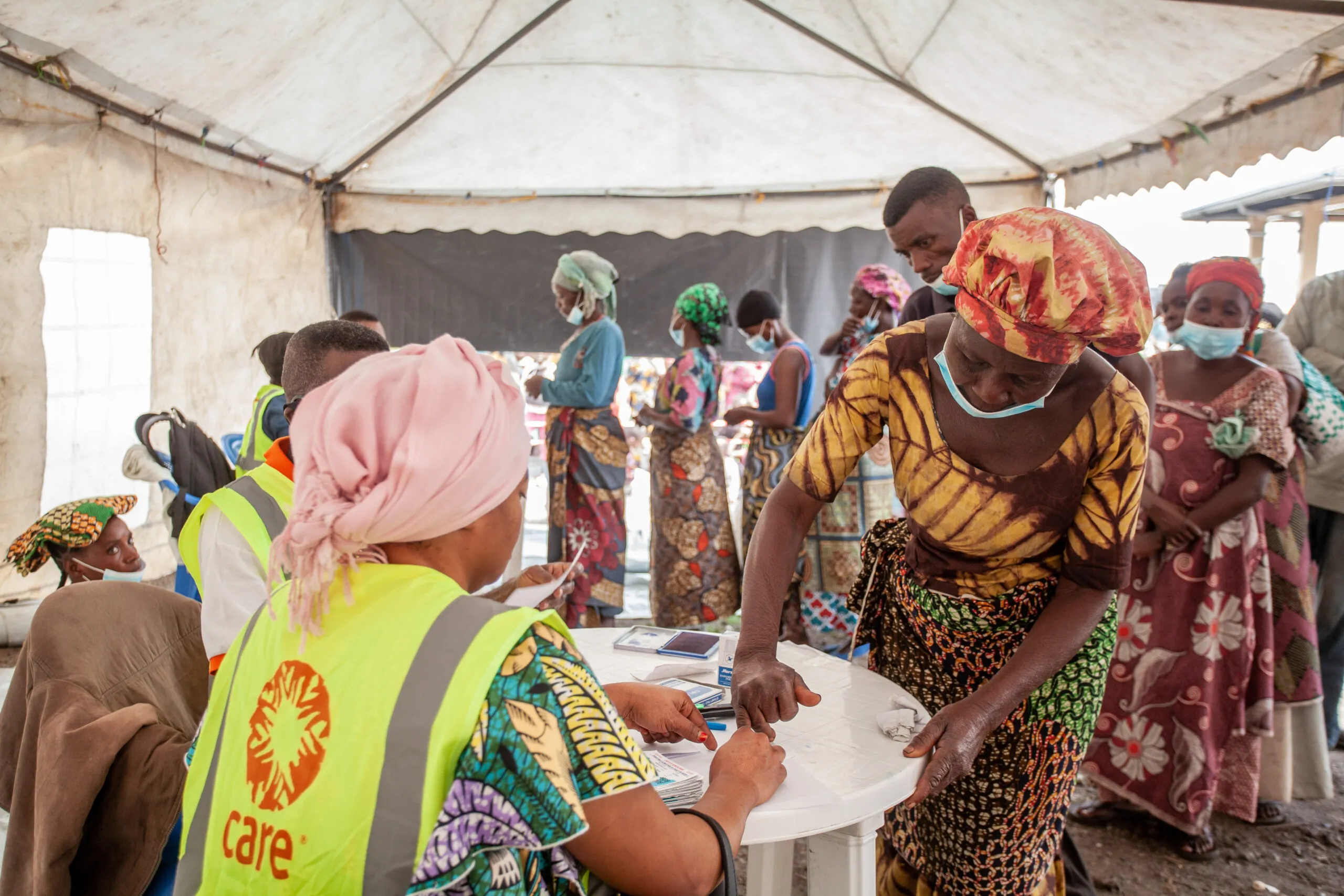
In North Kivu, decades of conflict have upended daily life, including health facilities, supply chains, and local markets. By December 2025, approximately 1.5 million people had lost access to primary healthcare. Fighting restricted movement, limited transport, and disrupted the delivery of medical supplies and staffing. Clinics and hospitals closed. Supplies of medicine dwindled. More than 1,000 nutrition centers shut down, leaving hundreds of thousands of malnourished children without treatment.
Families often lived hours from the nearest open clinic. Even when they were able to reach care, medicines had become scarce and unaffordable, turning preventable illnesses and treatable injuries into serious health risks.
“These situations were particularly painful because most of these health problems were preventable,” Lucie says. Adolescent girls and women couldn’t access reproductive healthcare. Families struggled without safe access to clean water. Parents couldn’t afford their children’s medicines and treatments. “The lack of affordable basic health products not only increased suffering but also weakened trust in the health system and deepened inequalities within the community.”