
- Farmer livelihoods and supply chain resilience are deeply connected.
-
Long-term progress depends on market access, local leadership and community-led systems that continue beyond project funding.
-
CARE and Cargill’s PROSPER III initiative shows how private sector-NGO partnerships can support stronger communities and more resilient supply chains over time.
Akua Laadi, 34, is a mother of four from the Achiase community in Ghana. Before joining a local savings group and receiving training in baking and business management, she relied primarily on seasonal cocoa farming to support her family. Today, she runs her own bakery business, earns additional weekly income and is training two young women in her community.
Akua’s progress is meaningful on its own. It also reflects a broader lesson CARE and Cargill have learned over time: lasting progress depends on whether communities can keep building long after a project ends.
For more than 65 years, CARE and Cargill have partnered across agricultural communities around the world. Through that work, we’ve seen that durable outcomes depend on whether farmers and communities are connected to reliable markets, supported by strong local institutions and equipped with the knowledge and tools to adapt over time.
Why farmer livelihoods matter to food system resilience
Food systems are under increasing pressure. Climate volatility is disrupting production cycles. Supply chains are becoming more complex and fragile. At the same time, many smallholder farmers – those farming 2-5 hectares of land – continue to face persistent barriers to markets, finance and resources.
These pressures affect more than individual livelihoods. They contribute to supply instability, income volatility, and increased risk across agricultural value chains – ultimately affecting the availability, affordability and reliability of food far beyond the communities where crops are grown.
For companies that depend on agricultural supply chains, resilience often starts locally. When farmers have stronger income opportunities and improved access to agricultural resources, when community organizations can mobilize resources and when local systems are connected to markets and institutions, supply chains are better positioned to withstand disruption. That is why livelihood programs should not be viewed only as community investment – they are part of building more resilient food systems.
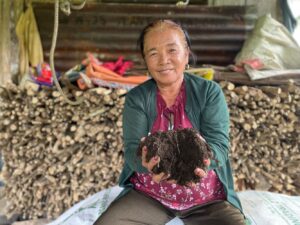
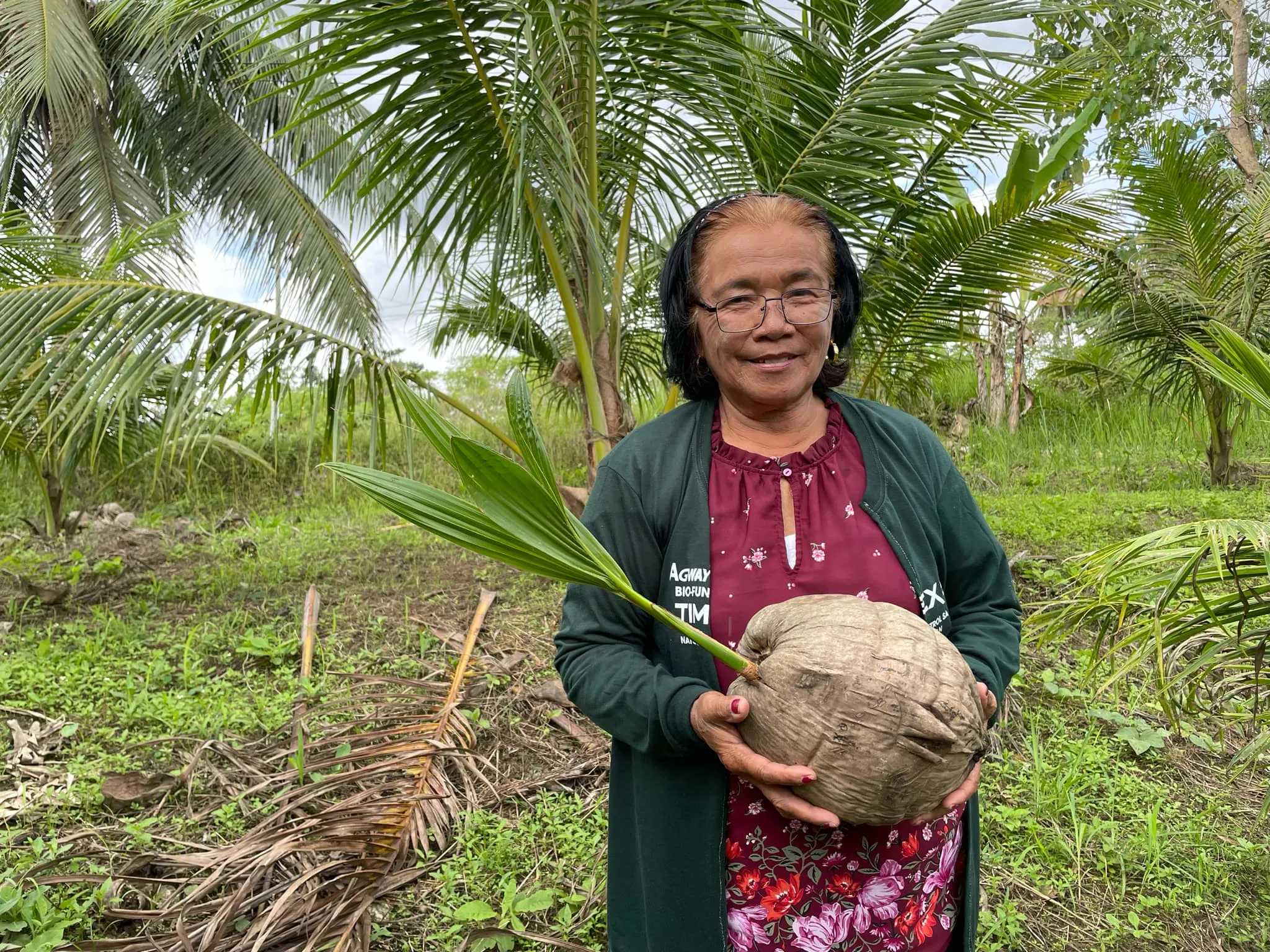
Corazon Malano, 72, a coconut farmer in Baang, Catigbian, Bohol, Philippines. Photo credit: Hannson Namoc|CARE Philippines)