El Niño could make Madagascar’s hunger crisis worse. Here’s what you need to know.

By Larah Rabibisoa, Pauline Hurungudo, and Becca Mountain

November 5, 2026
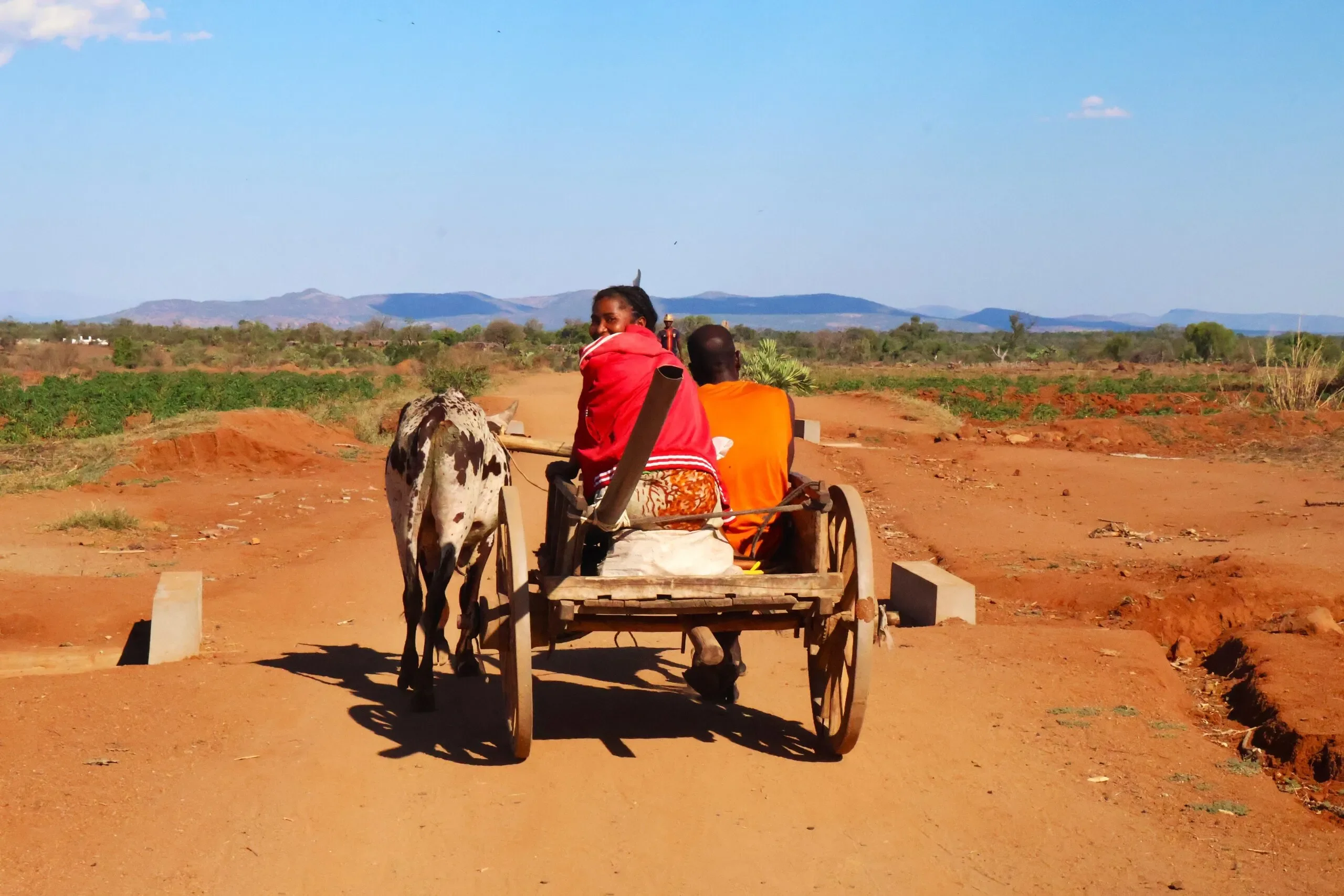
An ox pulls a wooden cart carrying two passengers along a reddish dirt road, with fields and distant hills under a blue sky.

An ox-drawn cart carries passengers along a dirt road in Betaotsako, southern Madagascar, where carts are a common means of transportation. All photos: Larah Rabibisoa/CARE

Millions of people in Madagascar face severe hunger after years of drought and poor harvests. Now, El Niño threatens to bring another season of below-average rainfall to the country's south, putting families who have already lost crops and income at even greater risk.

Last year, Razafinandrasana Marie Neutte and her family harvested 100 sacks of rice from their farm in southern Madagascar. This year, they harvested just three and a half.

Their cassava, maize, and groundnut crops failed entirely.

“We have lost almost everything because of the prolonged drought,” says Marie, who lives in Tsivory, in southern Madagascar’s Anosy region. “I am a farmer, but this year farming has brought me no income.”

Farming isn’t Marie’s only source of revenue. During the lean season, when food supplies from previous harvests begin running low, Marie also works as a seamstress. But her customers are farmers, too. Without income from their own harvests, they can no longer afford her services.

“Because people had no harvest, they have no money for sewing,” she explains. “My only orders this year were school uniforms in September.”

When crops fail, families lose not only the food they grow, but also the income they need to buy food and other essentials. Now, forecasts warn that El Niño could bring another difficult rainy season to southern Madagascar, threatening communities already struggling to recover from years of poor harvests.
Why is Madagascar facing a hunger crisis?

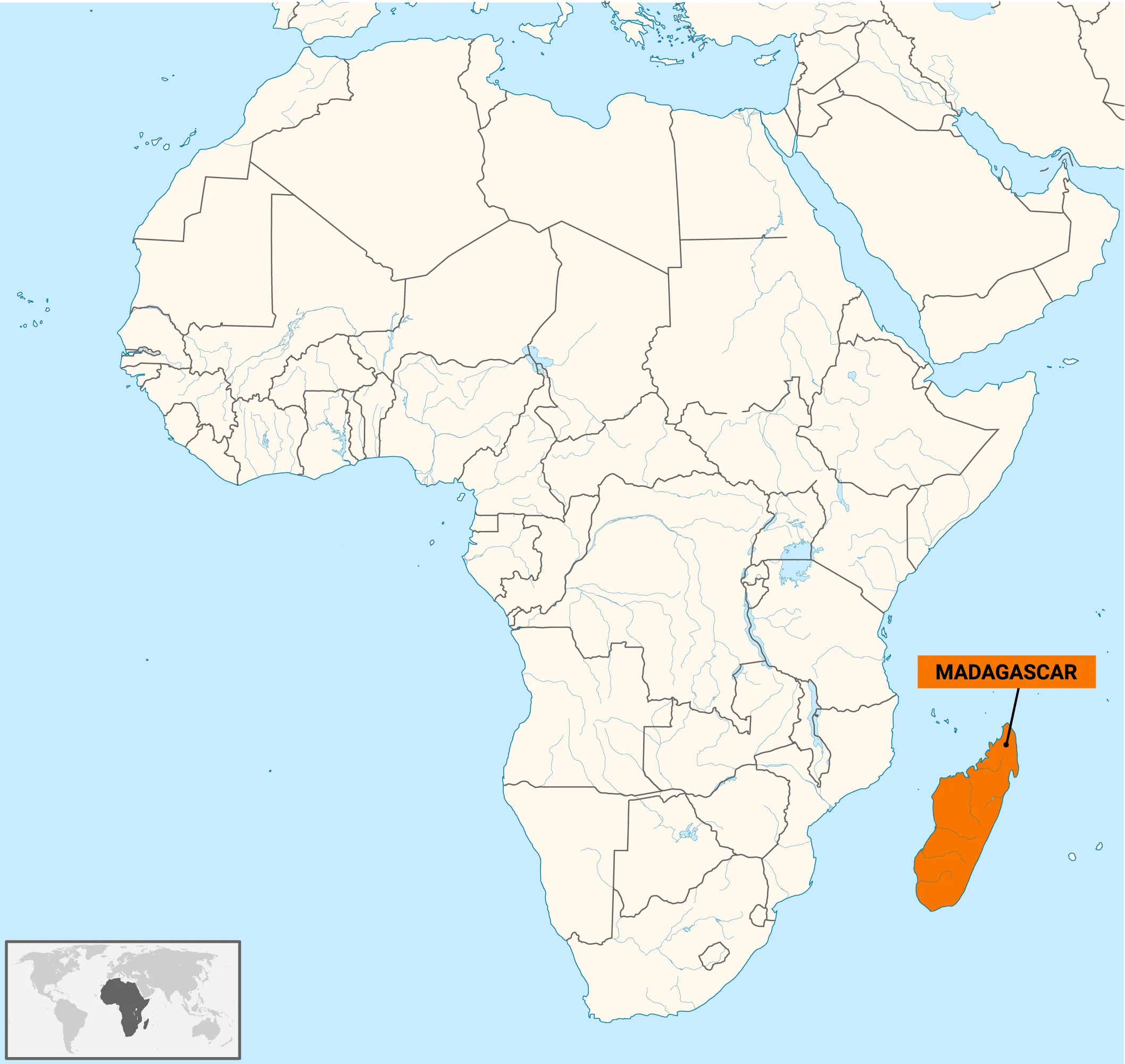
Map of Africa with Madagascar highlighted in orange off the southeastern coast, across the Mozambique Channel.
Madagascar's location in relation to mainland Africa. Map: TUBS/Wikimedia Commons, adapted by CARE (CC BY-SA 3.0).

Madagascar is an island nation in the Indian Ocean, off the southeastern coast of Africa. The southern region, known as the Grand South (Grand Sud in French), is the country’s driest. Many families here depend on farming for both food and income, making seasonal rainfall essential to their livelihoods.

But years of recurring drought and increasingly erratic rainfall have made farming increasingly difficult. Repeated poor harvests have left families with less food and less income, while limited access to clean water, infrastructure like roads and electricity, and markets makes it harder for them to recover.

Rising food prices make things even more difficult. In parts of southern Madagascar, many families have already run out of food from their last harvests, months earlier than usual. Now they must buy more of what they eat as staples like cassava and maize become more expensive and opportunities to earn money grow scarce.

According to the Integrated Food Security Phase Classification (IPC), approximately 3.72 million people across the analyzed areas of Madagascar are projected to face crisis-level hunger or worse between October 2026 and February 2027, including nearly 426,000 people expected to face emergency levels of food insecurity.

For families facing severe hunger, getting enough to eat may mean skipping meals, borrowing money, or selling livestock and other possessions they rely on to earn a living. These choices can help meet immediate needs but make it harder to recover from future hardships.

Young children are particularly at risk of severe hunger. Across the Grand South and Grand South-East, an estimated 502,000 children under the age of five are experiencing or expected to experience acute malnutrition, a condition that can cause dangerous weight loss and increase the risk of illness and death. Of these, around 78,000 are expected to experience severe acute malnutrition, which can be life-threatening without treatment.

The nation’s southern regions are among the areas of greatest concern, including places like Anosy, Androy, and Atsimo-Andrefana. Here, years of poor harvests and limited opportunities to earn income have left many families without the resources they need to withstand another difficult season.

How could El Niño make Madagascar’s hunger crisis worse?

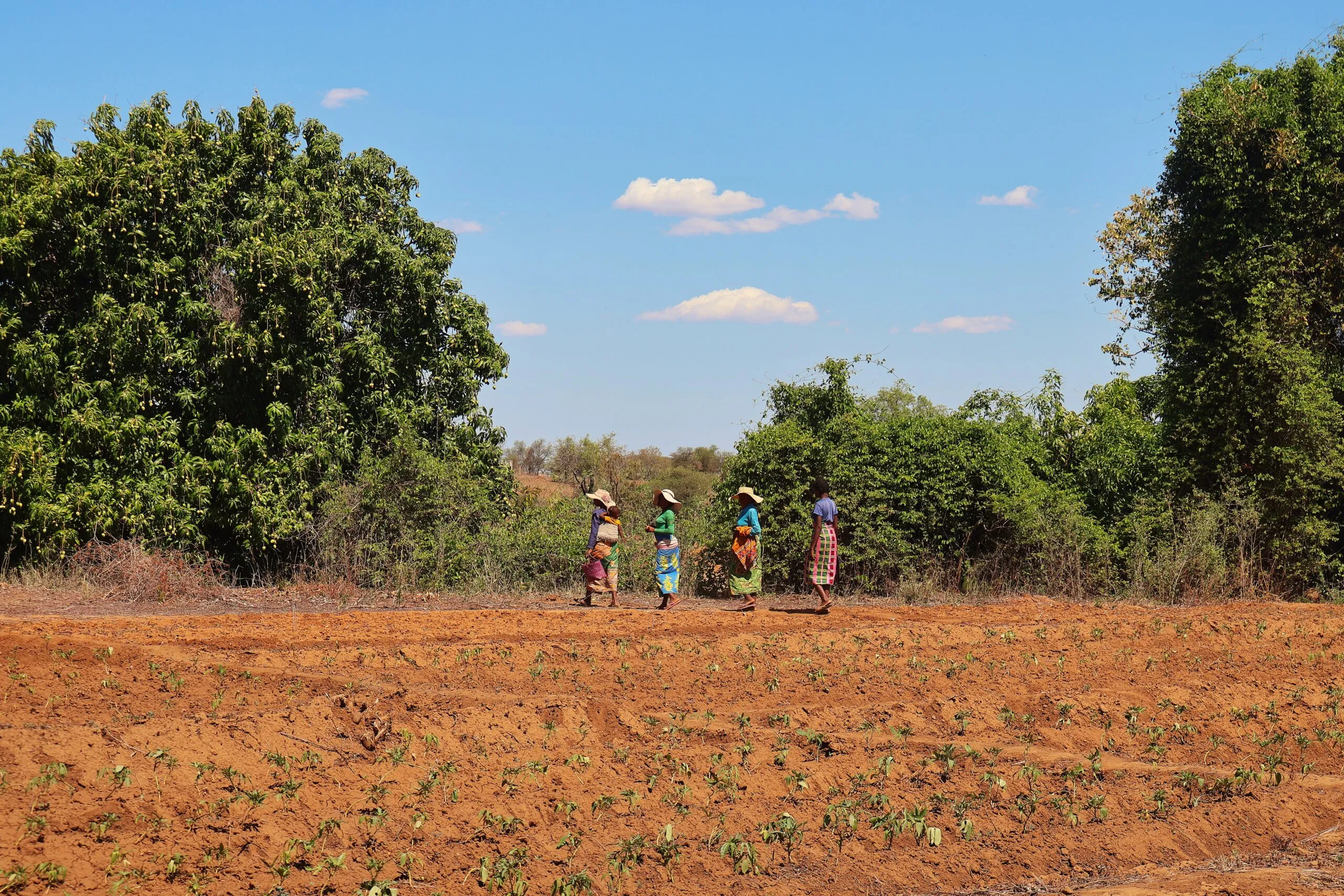
Four women in colorful skirts walk along the edge of a dry, reddish field with sparse green plants and trees.
Women from a savings group walk past drying sweet potato plants after a cooking demonstration in Betaotsako, southern Madagascar.

El Niño is a recurring weather pattern that begins in the Pacific Ocean, thousands of miles from Madagascar. Still, this powerful phenomenon can influence weather patterns around the world.

El Niño does not affect every part of Madagascar in the same way, and forecasts cannot predict exactly what will happen in each community, but in the Grand South, El Niño is historically associated with an increased risk of drought. That’s particularly concerning for communities like Marie’s, where people depend on seasonal rainfall to grow food and earn a living.

Meteo Madagascar, Madagascar’s national meteorological service, is forecasting strong to very strong El Niño conditions between October 2026 and February 2027. During the early part of the rainy season, parts of Androy, northwestern Anosy, and much of Atsimo-Andrefana are expected to receive less rainfall than usual, raising concerns about another difficult growing season.

For farmers like Fanomezantsoa Marie Jeanne, who lives in Anjamahavelo in the Androy region, rain is more complicated than it may seem. The timing of rain, the amount of rain, and whether the soil is able to retain moisture can determine whether crops survive or fail.

“The soil here is already very dry, and a few rain showers are not enough to guarantee a good harvest throughout the season,” she says. “It is difficult to plan for the future when we do not know whether the rain will last.”

“Strong southerly winds often dry the soil quickly after rainfall, making it difficult for crops to establish and grow,” explains Dina Ramanoelison, a CARE project manager.

What can communities do before the hunger crisis gets worse?

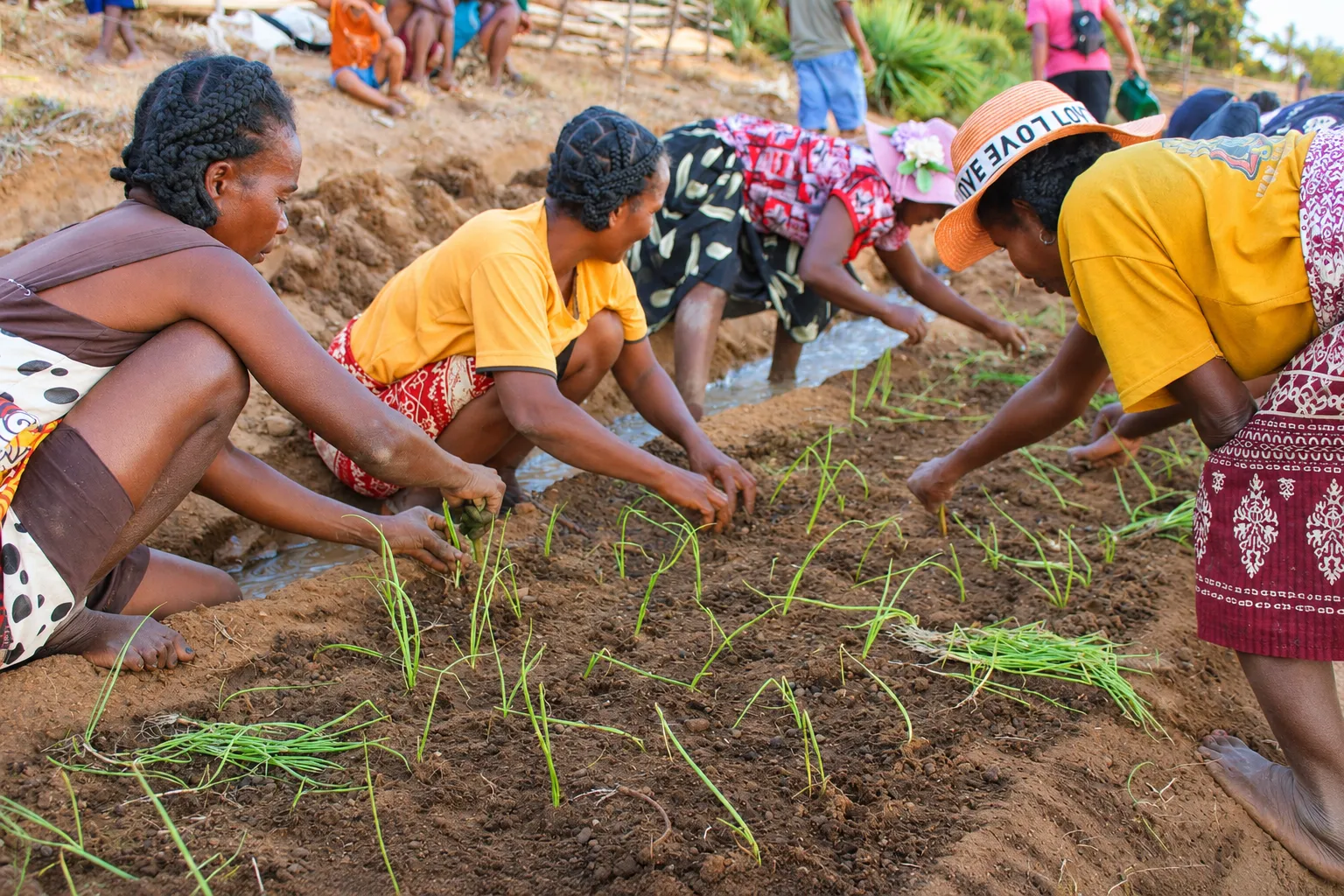
Several women kneel and bend over rows of dark soil, planting green seedlings beside a narrow irrigation channel.
Women plant vegetables in Bekiria, southern Madagascar, using farming techniques designed to keep moisture in the soil during dry conditions.

Farmers in southern Madagascar have historically relied on seasonal rains to decide when to plant and harvest, but those patterns are getting harder to count on. Access to weather forecasts and early warnings can help families make important decisions sooner.

In Anjamahavelo, leaders are encouraging families to build food reserves and protect their income before conditions worsen.

“The rain we received in September brought us a little hope, but we must not assume the danger has passed,” says Restandy Armand, President of the Fokontany Anjamahavelo administrative area. “As President, I am working every day to mobilize our community. We are encouraging families to build food stocks and save earnings from recent harvests now, rather than wait until households are already in full crisis.”

This approach is known as anticipatory action: using weather forecasts and other early warnings to prepare for a potential disaster before its most severe impacts are felt. CARE and its partners are supporting anticipatory preparedness efforts in southern Madagascar, including sharing climate forecasts, monitoring water resources, and helping families protect seeds and livelihoods.

What southern Madagascar needs now

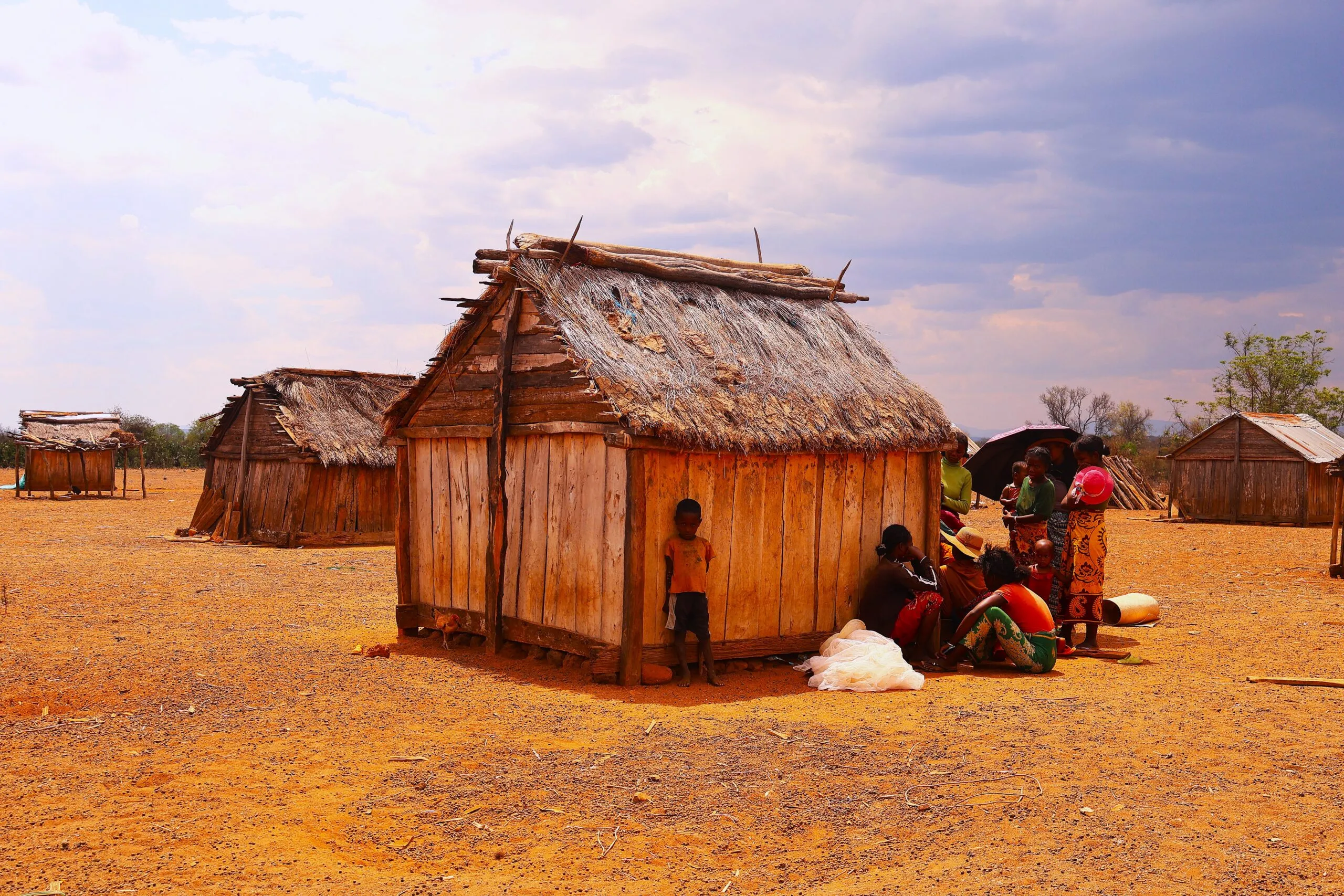
Women and children gather beside wooden houses with thatched roofs on reddish earth under a cloudy sky.
Women gather in the shade to talk after a savings group meeting in Bevalay, southern Madagascar.

Acting early could help families in southern Madagascar protect their crops, preserve income, and reduce the losses that make each successive crisis harder to recover from. Still, preparation alone cannot replace support for people already facing hunger.

“Families are watching their harvests fail, their incomes decline, and the water they depend on become harder and harder to reach,” says Mirana Fanomezantsoa, CARE Madagascar’s Country Director. “These are not predictions. They are the warning signs communities are already living through. The window to reduce future hunger is narrowing, and acting now will be far less costly than responding after families have exhausted their coping options.”

CARE is calling for greater investment in early warning systems, support for farmers and local livelihoods, improved access to water, and immediate humanitarian assistance before the worst impacts of El Niño hit. The forecasts cannot tell communities in the Grand South exactly what lies ahead, but timely support can give families more options as they prepare.


CARE has worked in Madagascar since 1992, partnering with local organizations to address poverty and expand economic opportunities, particularly for women. Today, CARE supports savings groups, improves access to clean water and sanitation, helps communities prepare for environmental shocks and disasters, and provides emergency assistance to families affected by drought.

Learn more about CARE's work in Madagascar

Discover how CARE works with communities in Madagascar to address poverty, respond to emergencies, and build more secure livelihoods.

Explore CARE's work in Madagascar
Back to Top