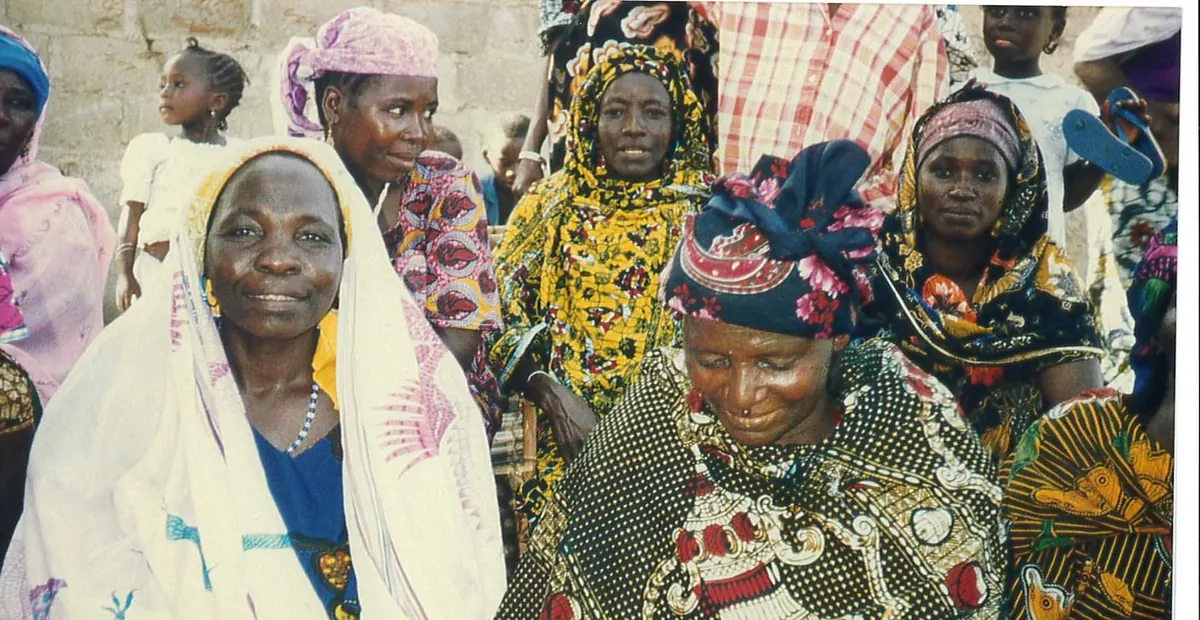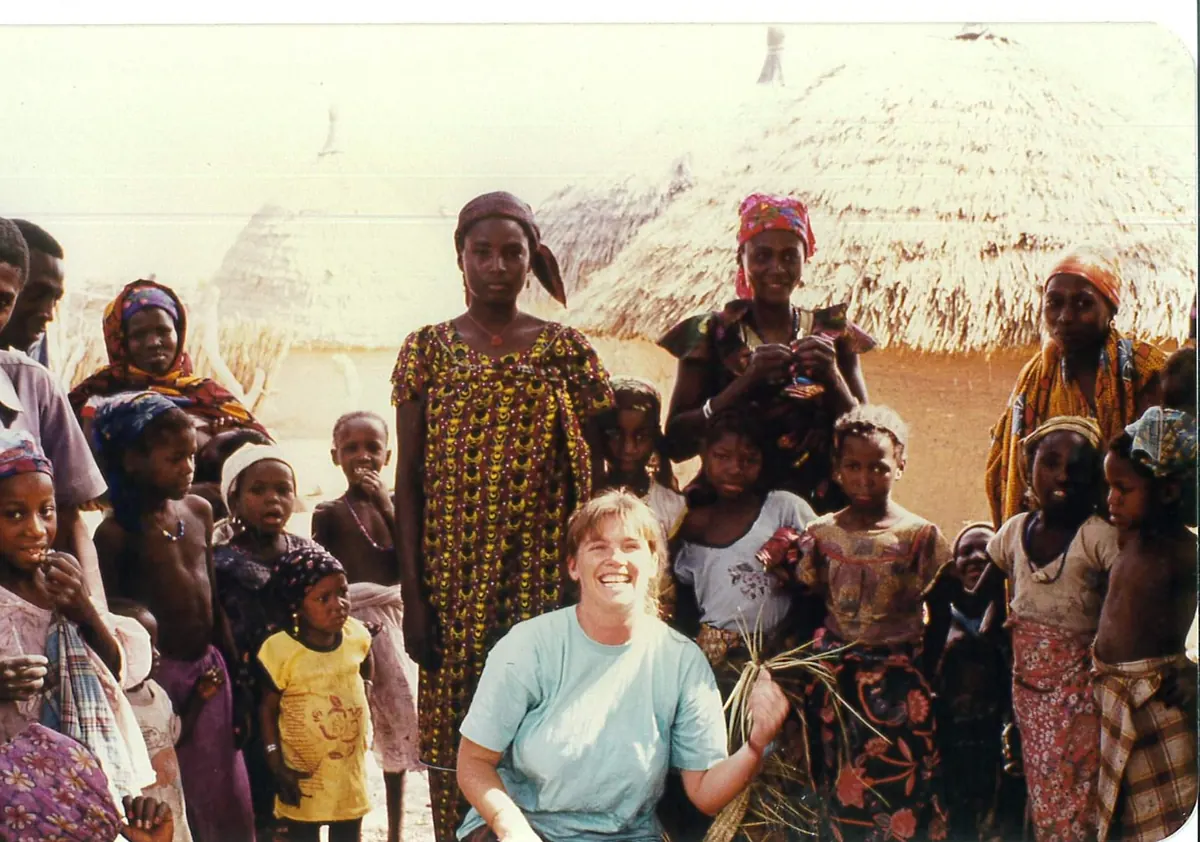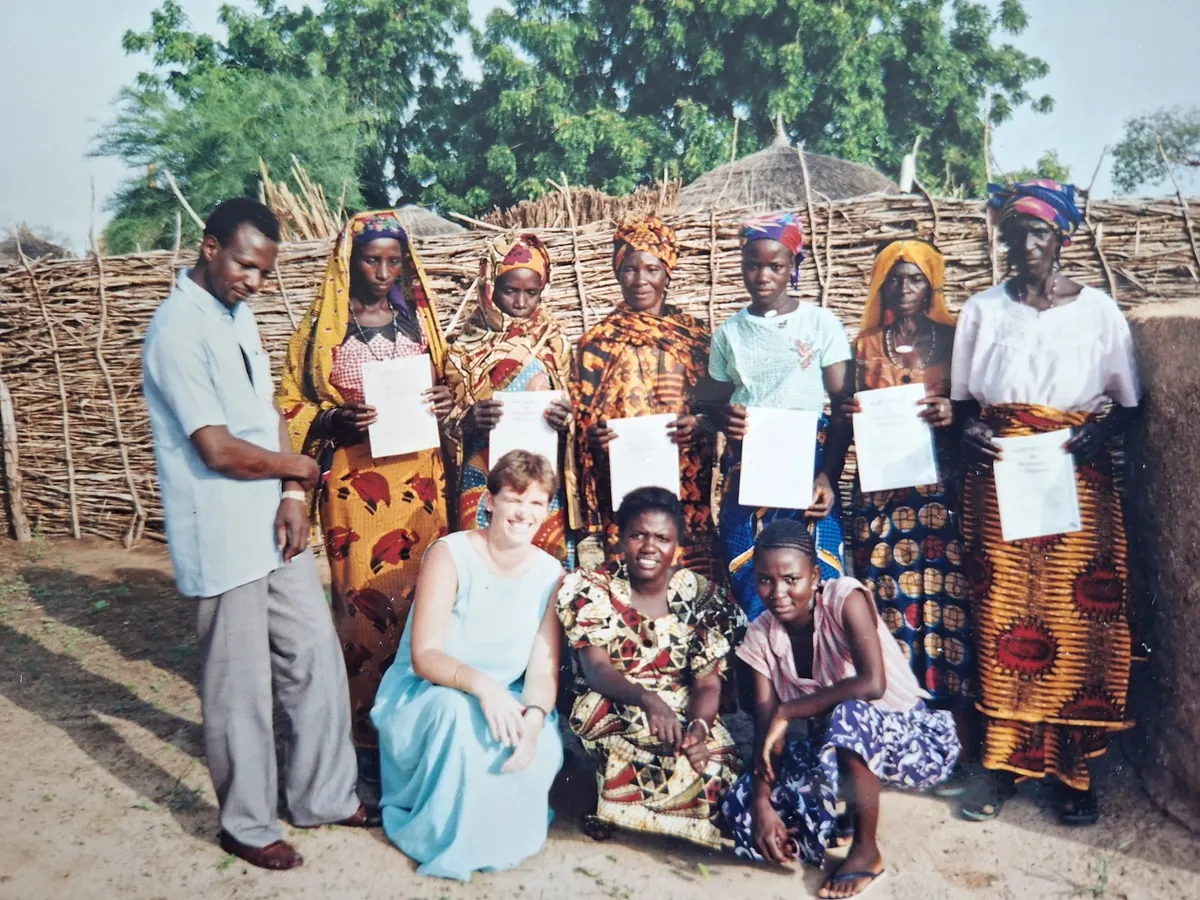

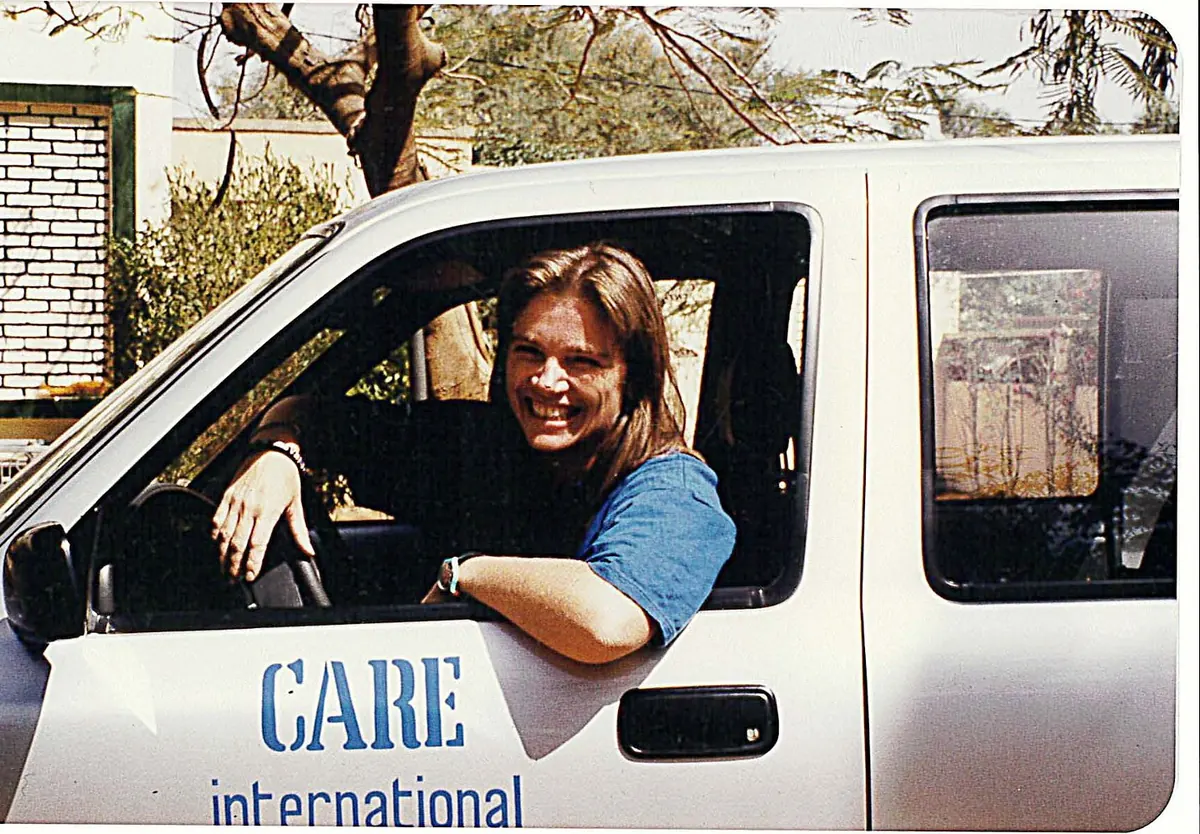
“We did an initial survey to discuss with women,” Moira recalls. “And one main message from all the women we talked to became clear. ‘What we need is to make ends meet. We need capital.’
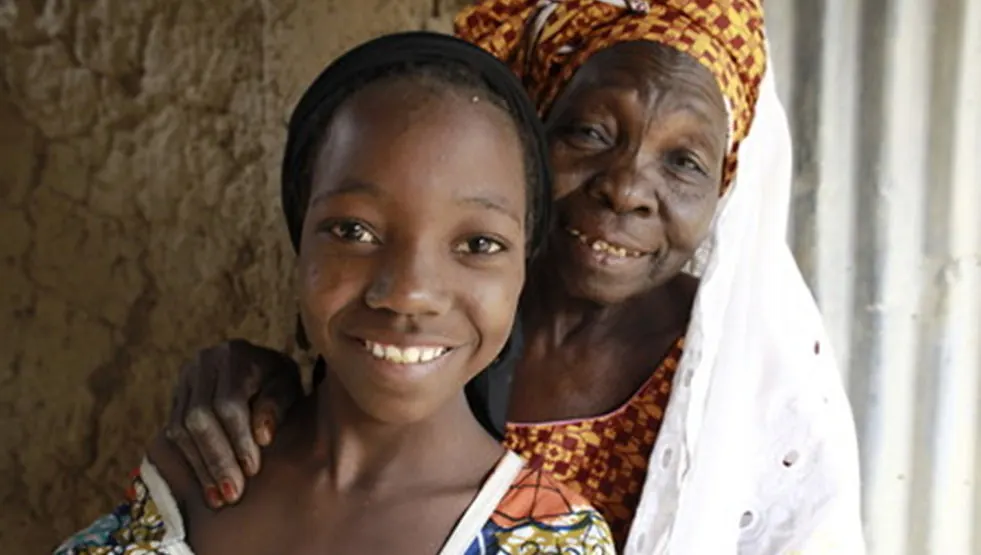
The women cultivated small plots of land their husbands had given them, growing just enough to feed their families until the next rainy season. The tree-planting program, built around eucalyptus and neem trees meant to improve agricultural production over time, held little appeal. The women weren’t interested in investing years of effort in land that could be taken from them so easily, and trees alone wouldn’t feed their families in the meantime.
What they needed was money for inputs and other income-generating activities, and a way to get it that didn’t mean borrowing from relatives or paying crushing interest to loan sharks.
“So, I asked them, what do you do when you need cash?” Moira remembers.
The women described what they already had: informal savings pools known locally as tontines (or ‘merry-go-rounds’ in English). Each member contributed a set amount and took turns receiving the full pot.
It worked, but only up to a point. Once the cycle ended, so did the fund. It didn’t grow. It didn’t last.
“How can we do this more sustainably, and make it grow?” Moira remembers asking herself. “That’s the initial idea. That’s how it started.”