For kids around the world, the start of a new school year is an important moment. It’s a crisp, blank piece of paper ready for new lessons and challenges. For many, it might mean a new uniform, the smell of sharpened pencils or fresh chalk, and a chance to make new friends. The first day can be exciting and a little scary, but it’s just another normal part of growing up.
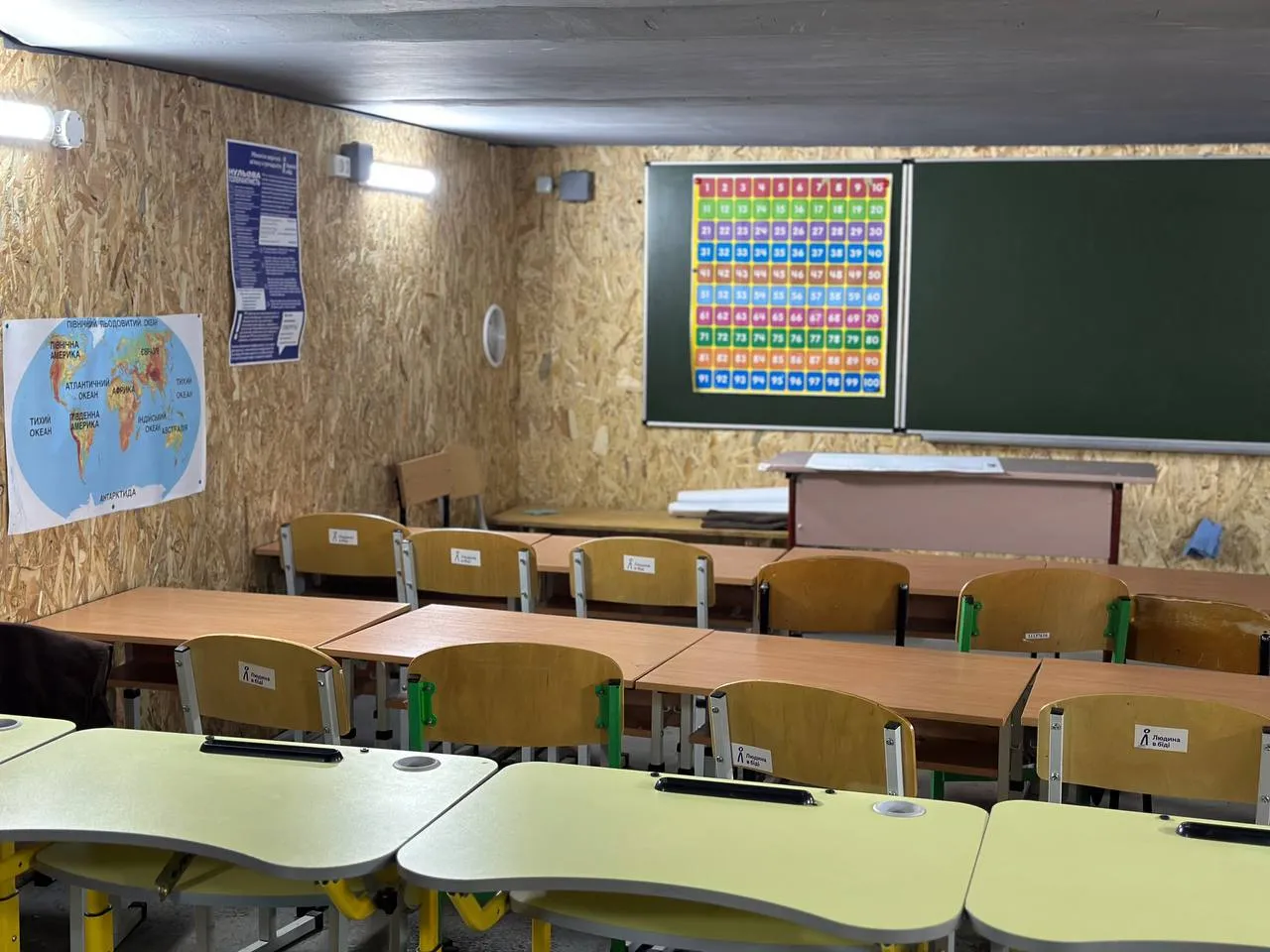
But in parts of Ukraine, the start of the school year looks different. There is no school bus picking kids up at the corner. There are no parents waving goodbye to their children as they drop them off. Instead, this is another year where too many schools will remain closed.
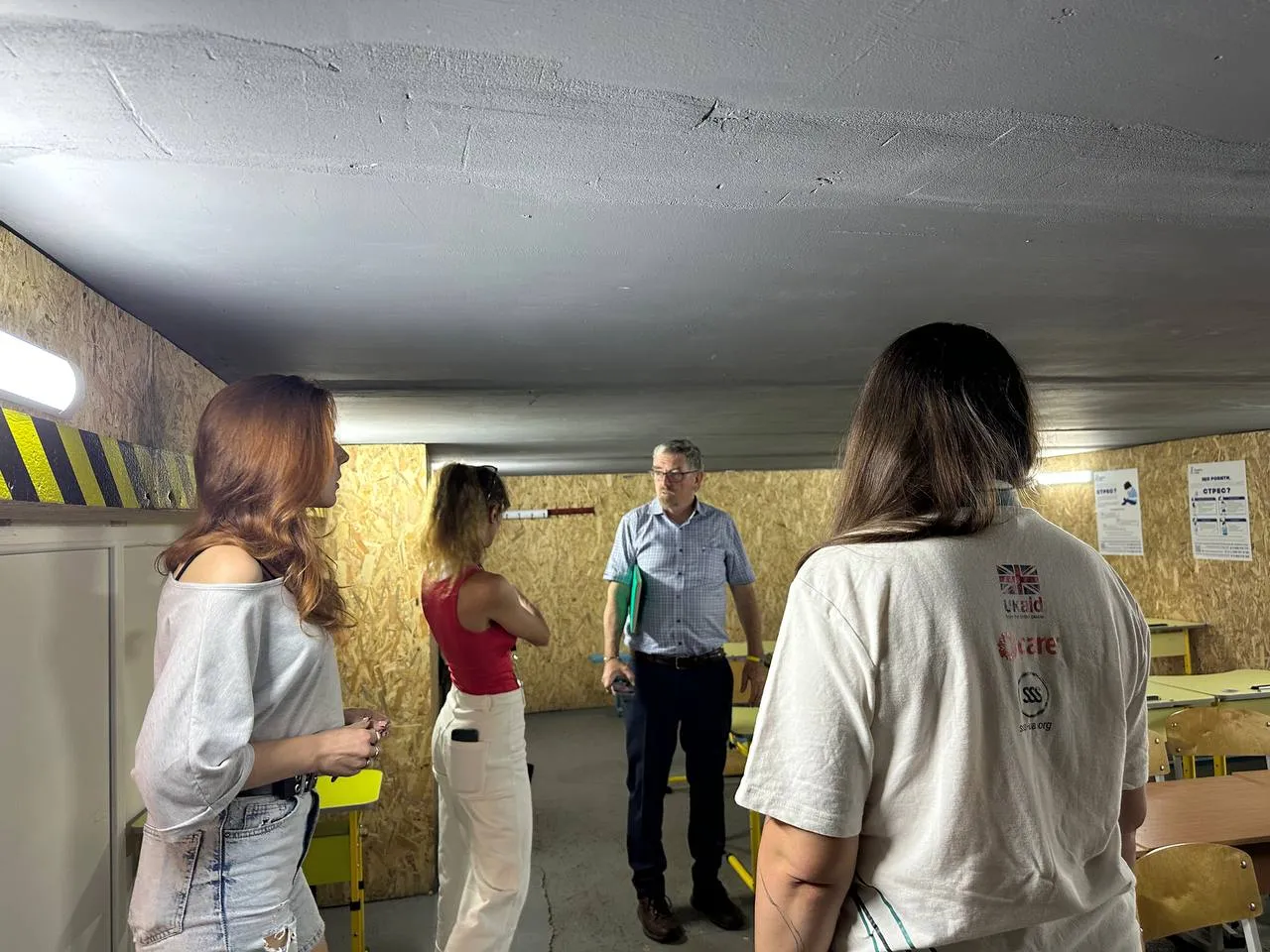
More than four years after fighting started, an entire class of Ukrainian children has moved through school amid air raids, attacks, displacement, and prolonged online learning. Some students have not stepped foot inside a classroom since the fighting began. The war has disrupted education for millions of children and added extra responsibilities to already stressed parents.
That is especially true for mothers.
“Women are carrying an overwhelming triple burden,” says Olga, from CARE partner organization, Culture of Change, and head of the Women Leadership in Emergency program. “They have to work, manage daily life under wartime conditions, and become ‘home teachers and caregivers’ for their children.”
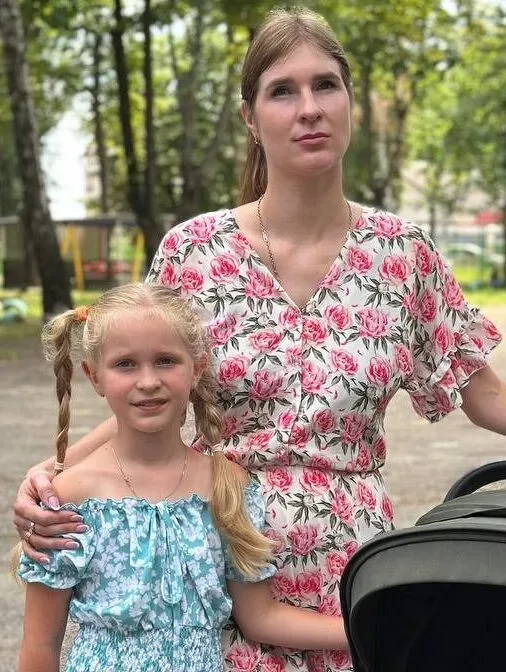
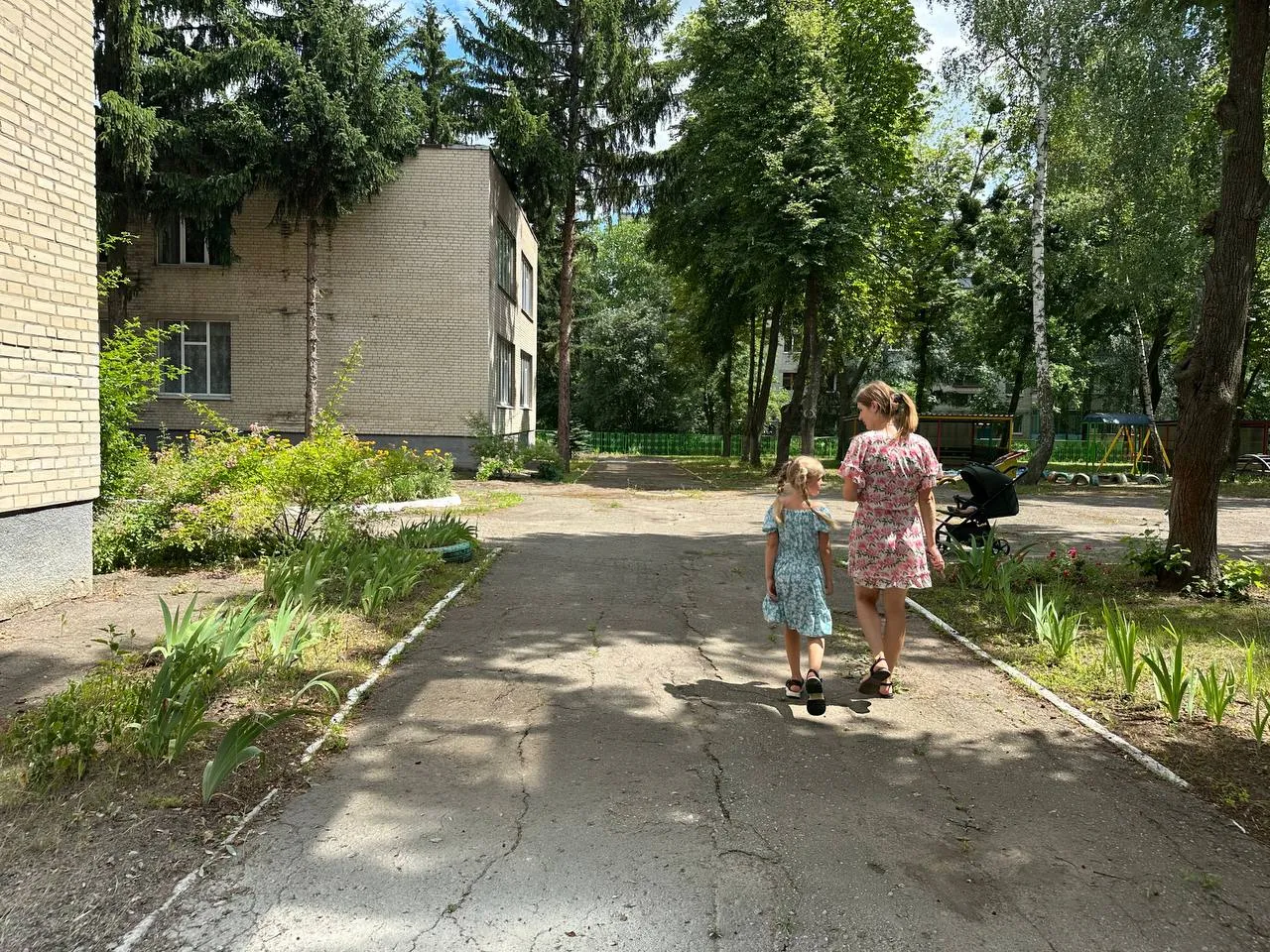
In the village of Dokuchaievske, in Ukraine’s Kharkiv region, eight-year-old Milana is about to start third grade. Dokuchaievske is a small village with a pre-war population of about 7,000 people. Local authorities now estimate that it’s closer to 4,500. It also has a couple of schools, but Milana’s educational experience has been anything but normal. She was three when the war started, so she has never experienced a first day of school in peacetime. She has never taken a recess break with friends. She has never sat at a desk in a classroom.
Milana’s mother, Anastasia, is now a teacher as well as a caregiver in wartime. Despite the extra burdens, she’s thankful to no longer be living on the front lines of the war. Dokuchaievske is only about 20 miles from Ukraine’s border with Russia.
“When the fighting was at its worst, life was only about surviving,” she says.