Photo credit: © 2019 Parvez Ahmad / CARE

Impact Magazine: Issue 32

In the spring of 2020, communities around the world were forced to grapple with a new public health threat, one that would reach every corner of the world and cause over 27 million deaths.

In forcing an international response, the COVID-19 pandemic offered a stark reminder of our global interconnectedness and the fragility of our healthcare systems.

Five years later, vulnerabilities remain. Access to essential health services continues to be spotty in many countries, with healthcare systems consistently underfunded. At the same time, the World Health Organization (WHO) is warning of shortages in healthcare workers – 10 million by 2030. As memories of the pandemic fade, there has never been a more urgent time to build a thriving global health workforce, beginning at the community level.

She Heals the World logo

Women are the future of healthcare

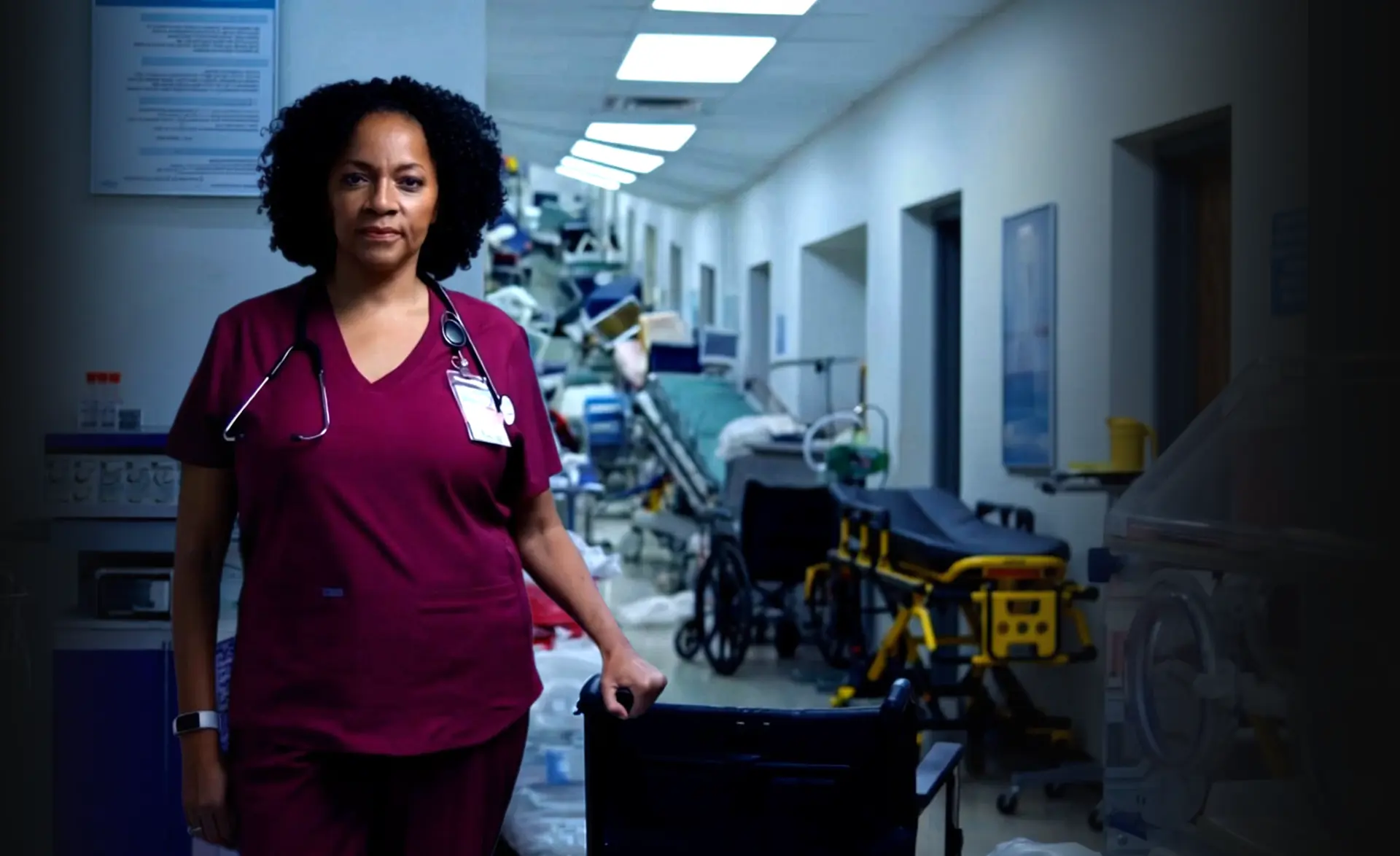
Around the world, women are ready to fill critical gaps in our healthcare systems – gaps blocking communities from essential health services and increasing our collective risk of future crises. Women make up more than 70% of the global healthcare workforce. They are doctors, nurses, midwives, and community health workers on the frontlines of every public health challenge.

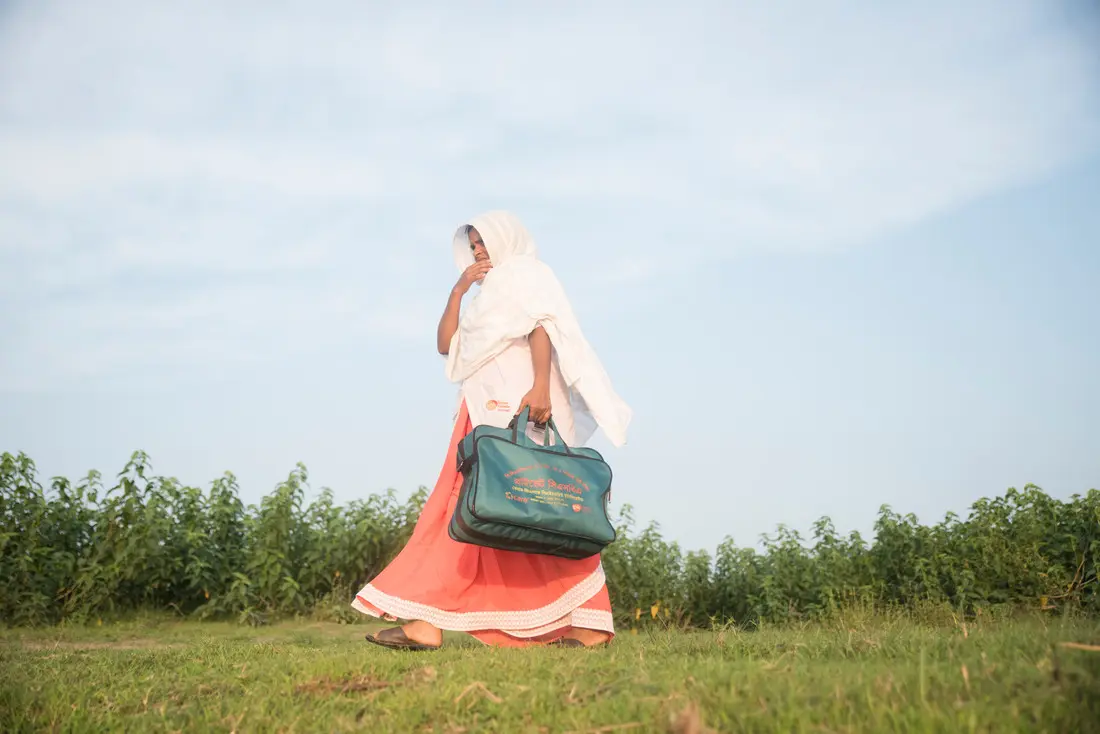
Women community health workers often live in the areas they serve and are uniquely positioned to build trust and deliver care, especially in underserved communities. Their understanding of local contexts makes them indispensable for effective health campaigns, from vaccine distribution to maternal care.

But the critical role they play goes largely unrecognized. Women health workers remain underrepresented in leadership and decision-making roles. They often face inadequate training, low or no pay, and unsafe working conditions. Despite being vital to healthcare delivery for 5 billion people, they are frequently undervalued and excluded from formal health systems.

In the Philippines, one local health worker serves 60 households on average but earns only $10-14 (600-800 pesos) per month, far below the national poverty threshold of approximately $205 (12,080 pesos).

of global healthcare workers are women.

A new global initiative

CARE has developed a comprehensive initiative, She Heals the World, to address these challenges through programming, advocacy, and research. She Heals the World works to raise women’s voices in health leadership and secure fair pay and better training. It also integrates community health workers into formal health systems and promotes government funding of community health programs, helping to ensure critical services can be delivered even during crises.

Through HEAL Hub, a new digital platform, CARE will also increase access to digital health information, skills, and tools, which can save lives in remote areas. A single app with multiple learning modules, HEAL Hub also supports digital networking and collaboration among health workers, helping them share information and find solutions together.

Investing in community health workers offers a strong return: For every dollar invested in community health workers, a country can see up to a $10 return with reduced government healthcare costs and increased workforce productivity.

Moreover, investing globally could prevent approximately 7.4 million deaths annually by 2035, including reduced maternal mortality and preventable deaths from infectious disease.

In Bihar, India, maternal mortality rates fell by more than half from 2005 to 2013 through health programming focused on empowering frontline health workers.

Creating a safer, healthier world means strengthening healthcare systems worldwide, and women health workers are central to this effort. Investing in their training, safety, and leadership isn’t just the right thing to do – it’s essential for building resilient healthcare systems.