Navigating a Changed Landscape

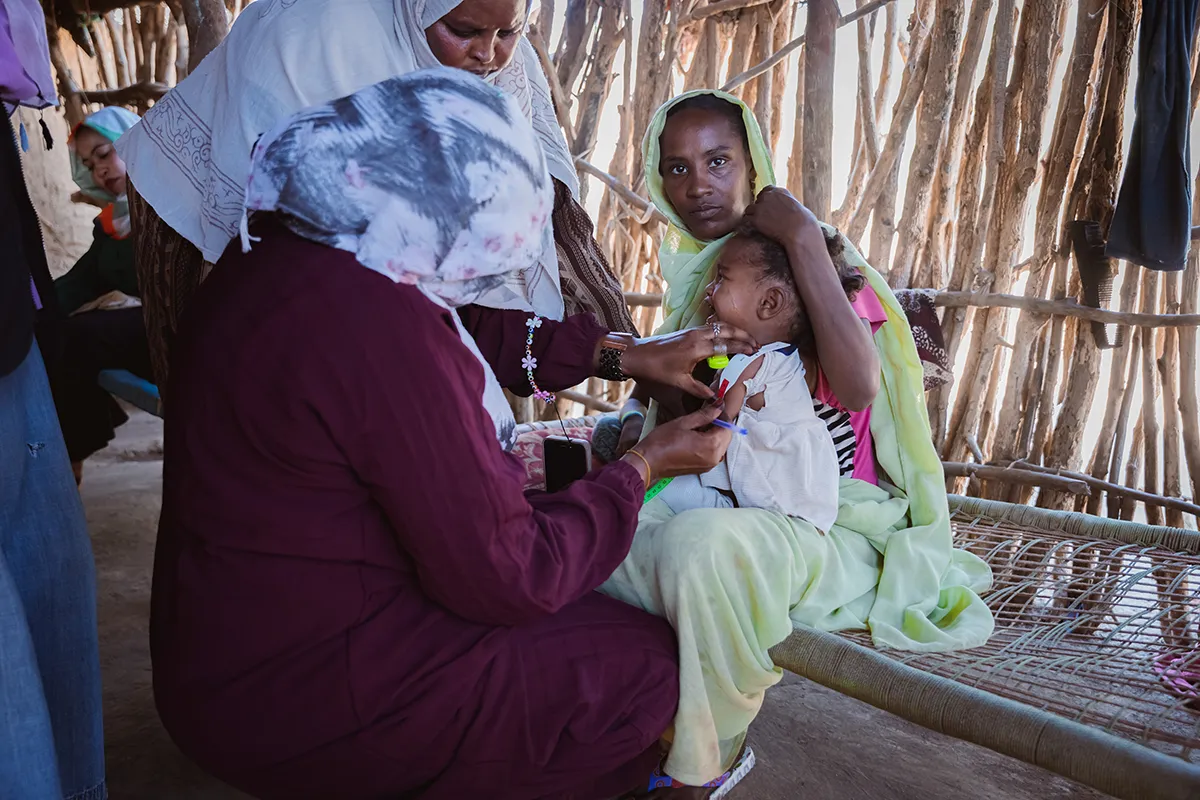
A woman holds onto a crying young child while a female healthcare worker measures the child's arm width.

Responding to people in crisis is more challenging than ever. Conflicts, climate shocks, and shrinking budgets are reshaping where and how people need help. CARE is adapting to protect progress and reach people who are in the most danger.

Even in this challenging moment, decades of global progress remind us what is possible. But those gains are fragile. For the first time in 25 years, child deaths are increasing instead of declining, a sign that lifesaving systems are under strain. This reality demands new ways of working, new forms of partnership, and steady investment from people who care about long‑term change.

CARE is focusing on precision — making sure support reaches those who need it most, when they need it most. Teams in the field use medically sound tools to assess which children and families face immediate, life‑threatening risk. This approach helps us direct limited resources where they can save the most lives.

At the same time, global giving patterns are changing. More donations are tied to short‑term attention and headlines. This makes it harder to sustain support for places with deep, ongoing need. Countries like Somalia, which have faced years of drought, are now seeing rising severe malnutrition among children — even after major progress in preventing famine. Without renewed investment, we will see more of the desperate images that should no longer be part of our world.

This challenge extends to Sudan, now the world’s largest humanitarian crisis. Thirty million people — two out of every three Sudanese — need help.

Yet the crisis receives far too little attention. Despite the scale of suffering, it is still possible to reduce hunger and prevent further displacement if the world acts with urgency.

In this landscape, CARE is strengthening a smarter, more forward‑looking playbook.

We are increasing the use of pre‑positioned supplies, placed in regions that face frequent shocks, to cut delivery time from weeks to days. We are building deeper partnerships with local organizations and governments so that emergency aid can turn into long‑term stability. And we are designing programs around exact data — not public attention — to maximize impact.

These investments are not only moral; they are practical. Stronger health systems abroad reduce the spread of disease. Stability and economic security in one region support security everywhere. From 80 years of experience, we know that investing in humanitarian and development work keeps people safer both globally and at home.

But when attention fades, the people at the center of these crises become invisible. To counter this, CARE is calling for bipartisan support and consistent funding that reflects actual need.

Long‑term generosity is what builds strong, resilient communities — and prevents emergencies from becoming catastrophes.

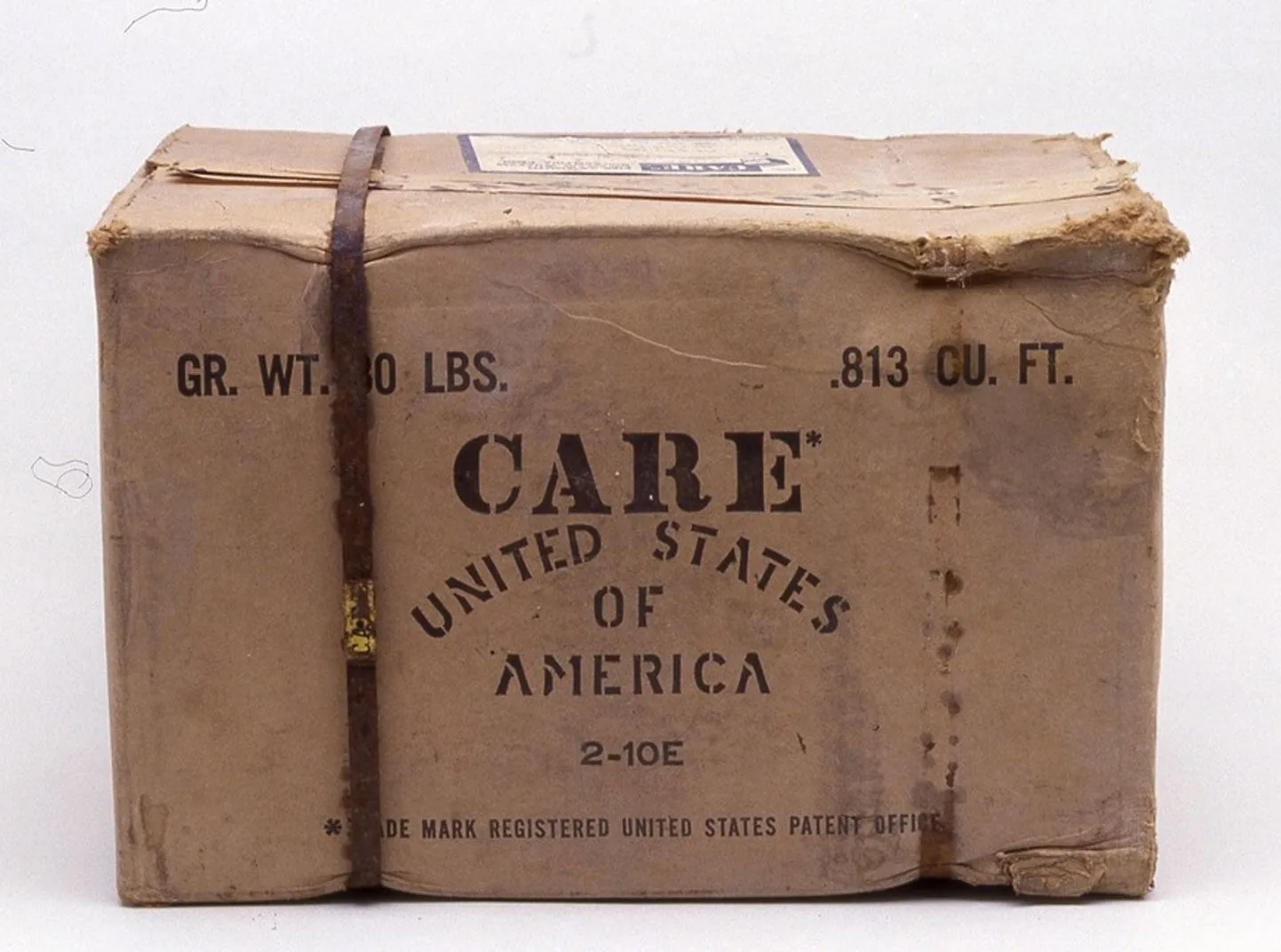
One example of adapting to this era is how the CARE PACKAGE® has been redesigned for modern crises. First delivered in 1946, the CARE PACKAGE became a symbol of American compassion and global solidarity.

Today, the CARE PACKAGE is a lightweight, portable kit that includes 36 essential items, from water filters to solar lights, that can help a family of four survive for a month.

Across every crisis, one truth remains: when ordinary people act with generosity, they change what is possible. CARE’s commitment is to make those investments smart, strategic, and grounded in need — not noise.
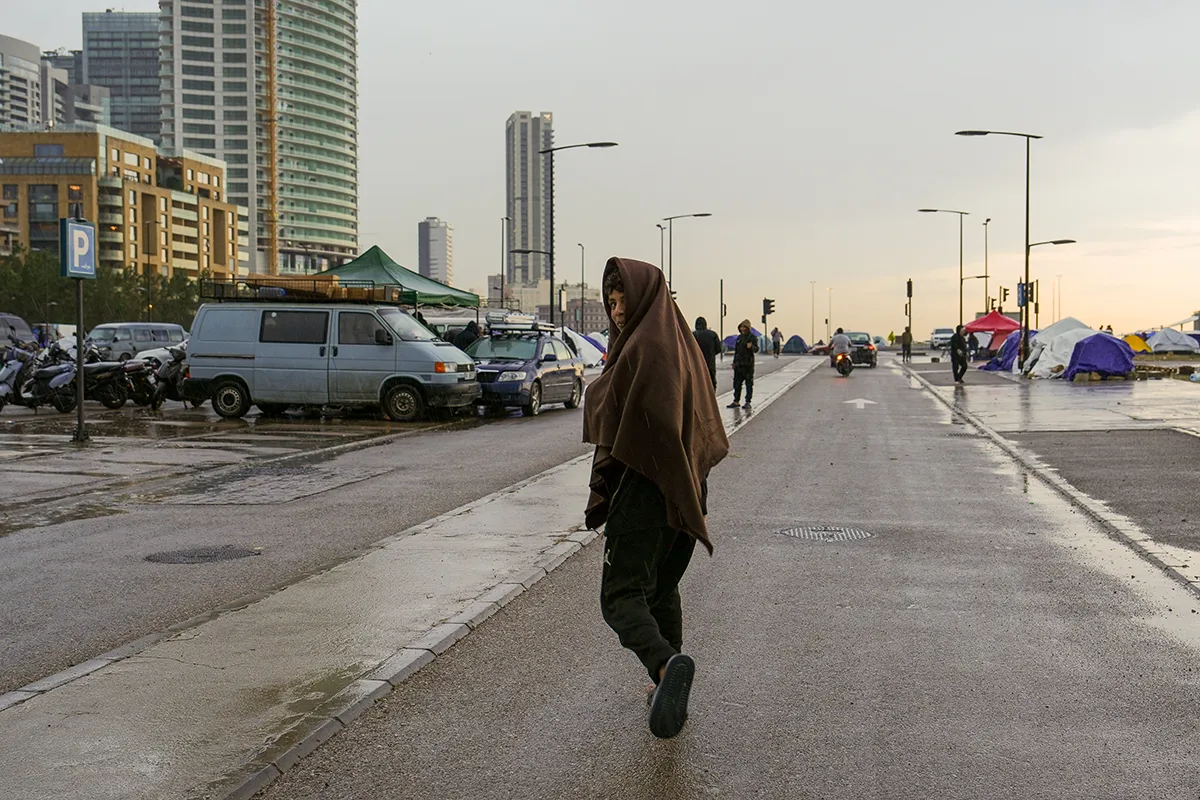
A Lebanese youth walks down a street and turns back to look at the photographer.

Underreported Crises

Some of the world’s most urgent crises are also the least visible. Two-thirds of Sudan’s population, 30 million people, need aid. Yet the crisis receives little global attention. CARE is working with local partners to deliver food, water, and protection, but the scale of need far exceeds available funding.

In Somalia, years of drought and hunger have pushed hundreds of thousands of children into severe malnutrition. CARE has helped prevent famine before, but funding gaps threaten to reverse that progress.

These situations show why investments guided by need — not headlines — allow CARE to act early, reduce suffering, and save lives.

The global funding reset: CARE is built for what’s next

Foreign aid is contracting.
Conflict, food crises, and climate shocks are intensifying.
CARE is not retreating. We are focused on disciplined transformation.

Catalytic capital strengthens the model

Flexible philanthropic capital enables CARE to operate a leaner, faster, more resilient humanitarian model:

Enables rapid deployment

Quicker funding support for local partners

Shortens supply chains

Rapid deployment of pre-positioned and local supplies

Protects essential services

Efficient delivery with digital tools that capture integrated needs

Builds local leadership

Training and response planning with local first responders

Where timely investment stabilizes essential systems

Emergency Response: Horn of Africa

System pressure

  • 20–25M require food assistance across Horn of Africa
  • 7M children and mothers need urgent nutrition treatment
  • 58% decrease USG funding in Ethiopia, 76% decrease in Somalia (CARE 2024-2026)

What timely capital does

  • Sustains therapeutic feeding
    and maternal care
  • Protects safe water systems
    and health
  • Expands digital cash assistance

Evidence

  • 63 health centers suspended in February 2025 reopened with flexible funding
  • 92,000+ women and children regained care within weeks

Emergency Response: Middle East

System pressure

  • Conflict, displacement, and food crisis
  • Border restrictions, limited external supplies
  • Uncertain duration and level of destruction across the region

What timely capital does

  • Enables local procurement
    of supplies
  • Provides flexible resources for unfolding needs
  • Stabilizes families to recover
    quicker

Evidence

  • Despite border closures in
    2025, local staff and partners secured supplies in Gaza to
    respond quickly
  • Critical health clinic was kept open, serving an average of 180 people per day

Leverage Match Capital Effect

System pressure

  • Institutional funding retractions
  • Geographies de-prioritized
  • 80% of international aid pulled globally in 2025

What timely capital does

  • De-risks bilateral investment
  • Provides match to access large
    institutional grants
  • Supports response for
    underfunded crises

Evidence

  • 1:10 leverage of institutional funds = access to greater capital
  • $41M philanthropic match = $430M
    total project value for CARE in 2025