
March 28, 2026 — One month since the escalation began, the impact of the conflict is intensifying in the Middle East and beyond.
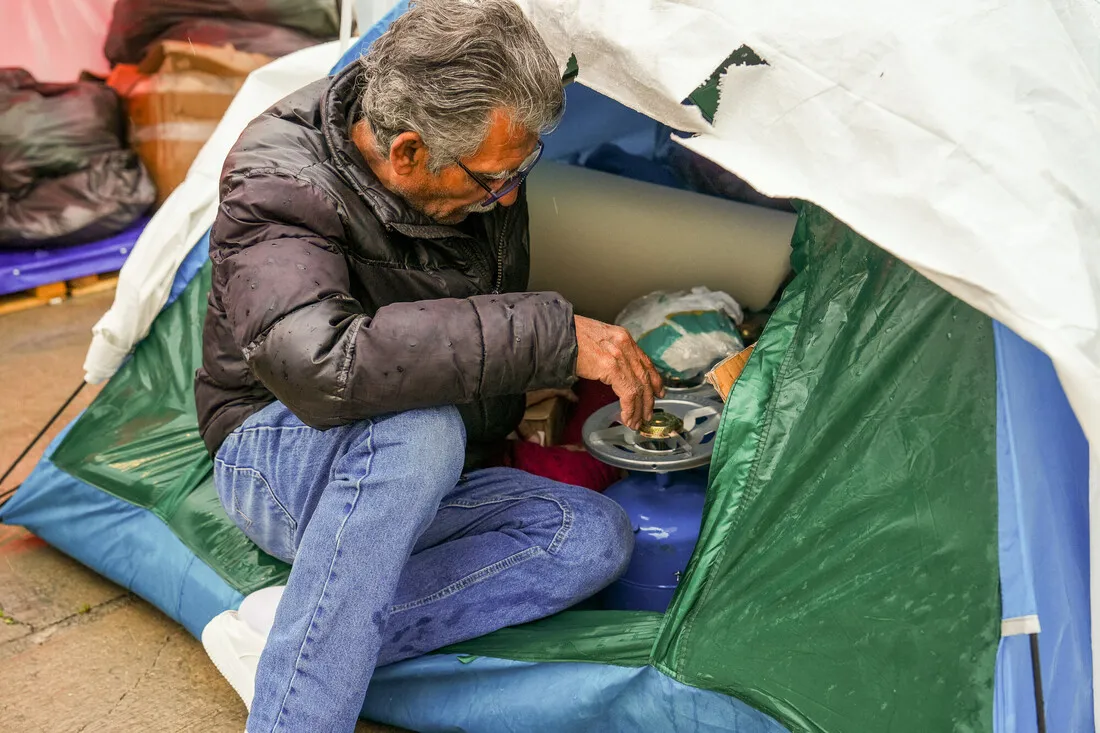
“Across the region, families who were already struggling to rebuild their lives are once again being forced to flee, not knowing where they will sleep, where their next sip of clean water will come from, how they will feed themselves or their children” said Robyn Savage, CARE’s Roving Humanitarian Director, MENA. Mass forced displacement and airstrikes continue to threaten the lives and wellbeing of millions.
More than 161 million women and girls live in countries affected by the conflict (1), with many forced into overcrowded shelters where lack of privacy and safe sanitation increases the risk of violence and exploitation. “Women and girls face disproportionately heightened risks during displacement. Without safe and well-lit shelters and sanitation facilities, the dangers they face increase dramatically, immediately,” said Savage. In Lebanon and Palestine, access to food, clean water, fuel and medical care remains severely constrained, while movement restrictions and ongoing violence disrupt daily life and humanitarian response.
The consequences are not contained to the region. The conflict is disrupting humanitarian supply chains in the Middle East, Africa and Asia, delaying and rerouting life-saving aid while driving up fuel and freight costs. “These continued disruptions are slowing delivery, increasing costs, and undermining the ability to reach people in time across multiple crises around the world. Given the current level of humanitarian need we are seeing globally, the implications of this are far reaching,” said Savage.
Medical supplies for hundreds of thousands of children have already been delayed, while alternative shipping routes can add weeks of delay and thousands of dollars per delivery. Rising fuel and food prices are pushing millions closer to hunger. The World Food Programme warns that 45 million more people could face acute food insecurity in the coming months, while rising fertilizer costs risk reducing food production globally. Women and girls are often hit hardest, eating less, leaving school or facing increased protection risks when forced to flee.
Hand in hand with leading local and national humanitarian organizations whose teams carry out their work in the face of enormous danger, CARE is providing large-scale emergency assistance such as food, cash assistance, healthcare, water and psychosocial support to thousands affected by the fallout from this conflict in Lebanon and Palestine. At the same time, we are also preparing for a spike in humanitarian needs in Syria, Jordan, Iraq and Türkiye.
“Our teams are integrated within communities across the region. We are likely to see the severity of needs in these countries multiplying exponentially as the violence threatens to spread, risking yet more lives, forcing more people to flee and seeing global supply chains endure further disruption. We are also seeing record-low levels of humanitarian funding available. We are facing a catastrophic and destabilizing multiplier of hardship if this continues,” Savage said.
CARE call on all parties to the conflict, and those with influence, to make every diplomatic effort to secure an immediate cessation of hostilities that leads to a sustained ceasefire and a just, inclusive resolution of the conflict. Civilians and civilian infrastructure must be protected, and full, rapid, safe and unhindered humanitarian access must be guaranteed so aid can reach people in need without delay.
References:
(1) Data from UN World Population Prospects. Countries included in the regional estimate are Bahrain, Cyprus, Iran, Iraq, Israel, Jordan, Kuwait, Lebanon, Oman, Qatar, Saudi Arabia, occupied Palestinian territory, Syria, Türkiye, and the United Arab Emirates.
For media inquiries, please email usa.media@care.org