Rejection and fatigue: Healthcare workers report on hardships from the Ebola frontlines as the number of cases rises

By CARE Staff July 9, 2026

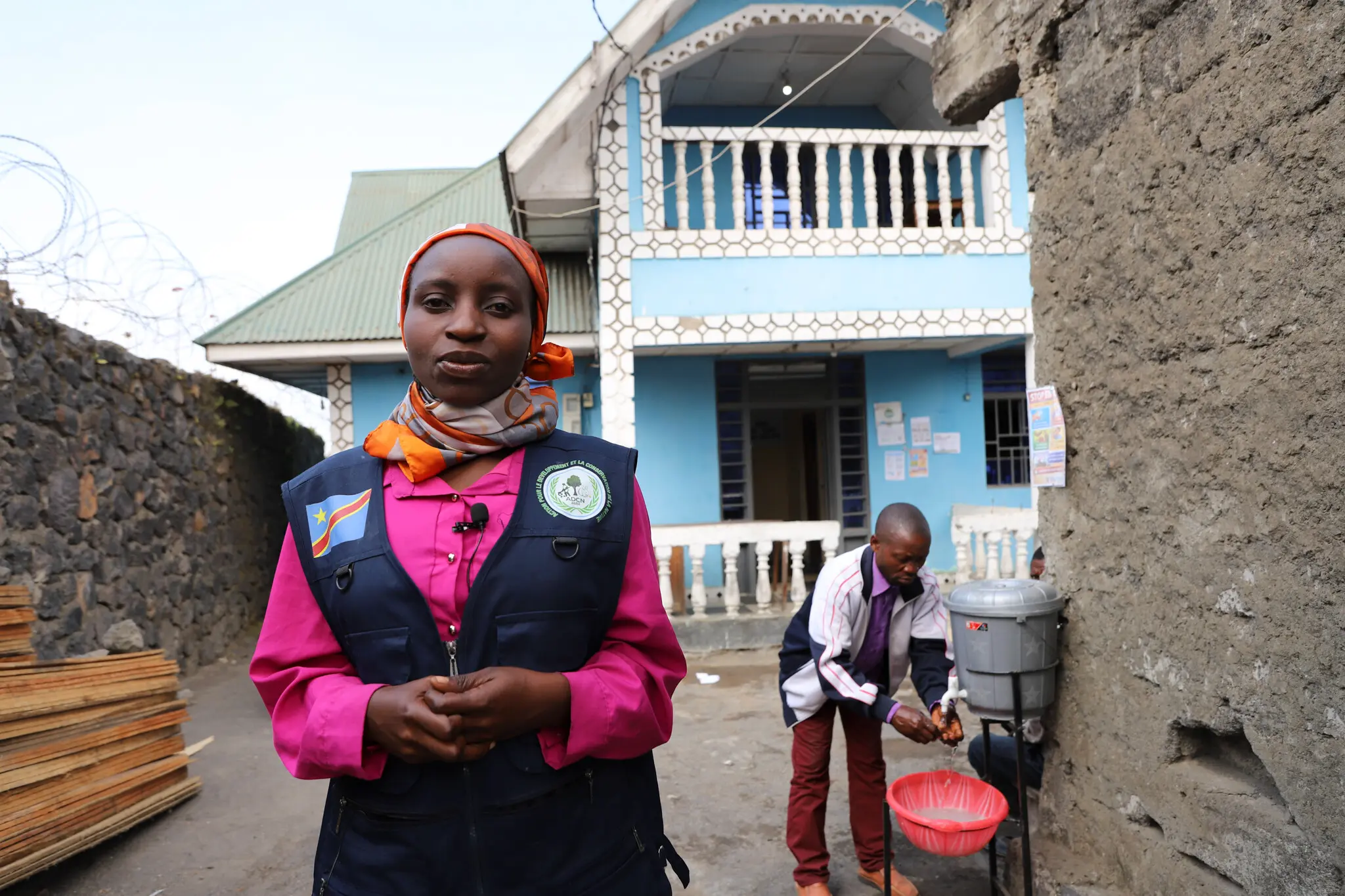
A young woman from the DRC in a vest and headscarf stands in a narrow alleyway, behind her a young man is washing his hands.

In Sake, North Kivu province, Francine Lukoo of ADCN (Action pour le Développement et la Conservation de la Nature) stands in front of a handwashing station that is part of the community's Ebola prevention efforts. Photo: CARE

The Ebola outbreak in Democratic Republic of Congo continues to spread as healthcare workers across Ituri, North Kivu, and South Kivu provinces race to contain the virus.

Healthcare workers in DRC are reporting growing challenges on the frontlines of the Ebola response. CARE is currently working alongside local partners and has deployed more than 500 trained community health workers in the country. But global funding cuts have severely weakened DRC’s health system and the humanitarian response infrastructure. This reduction in aid funding is also hurting local protective measures against the disease. 

Along with the threat of Ebola, teams in some areas are being met with resistance and misinformation in communities. Health workers in Ituri and North Kivu are now sharing the challenges they are encountering in the field.

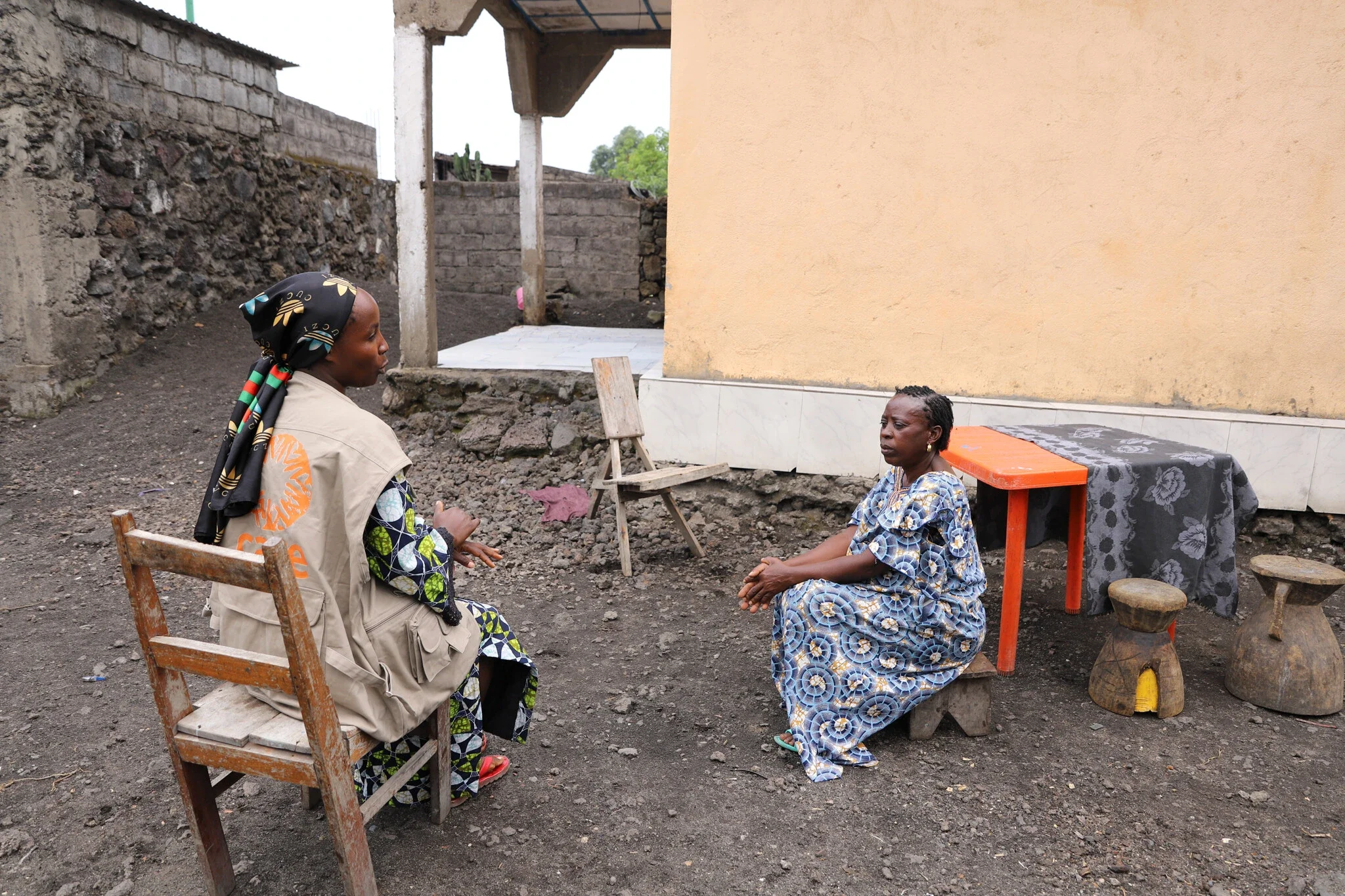
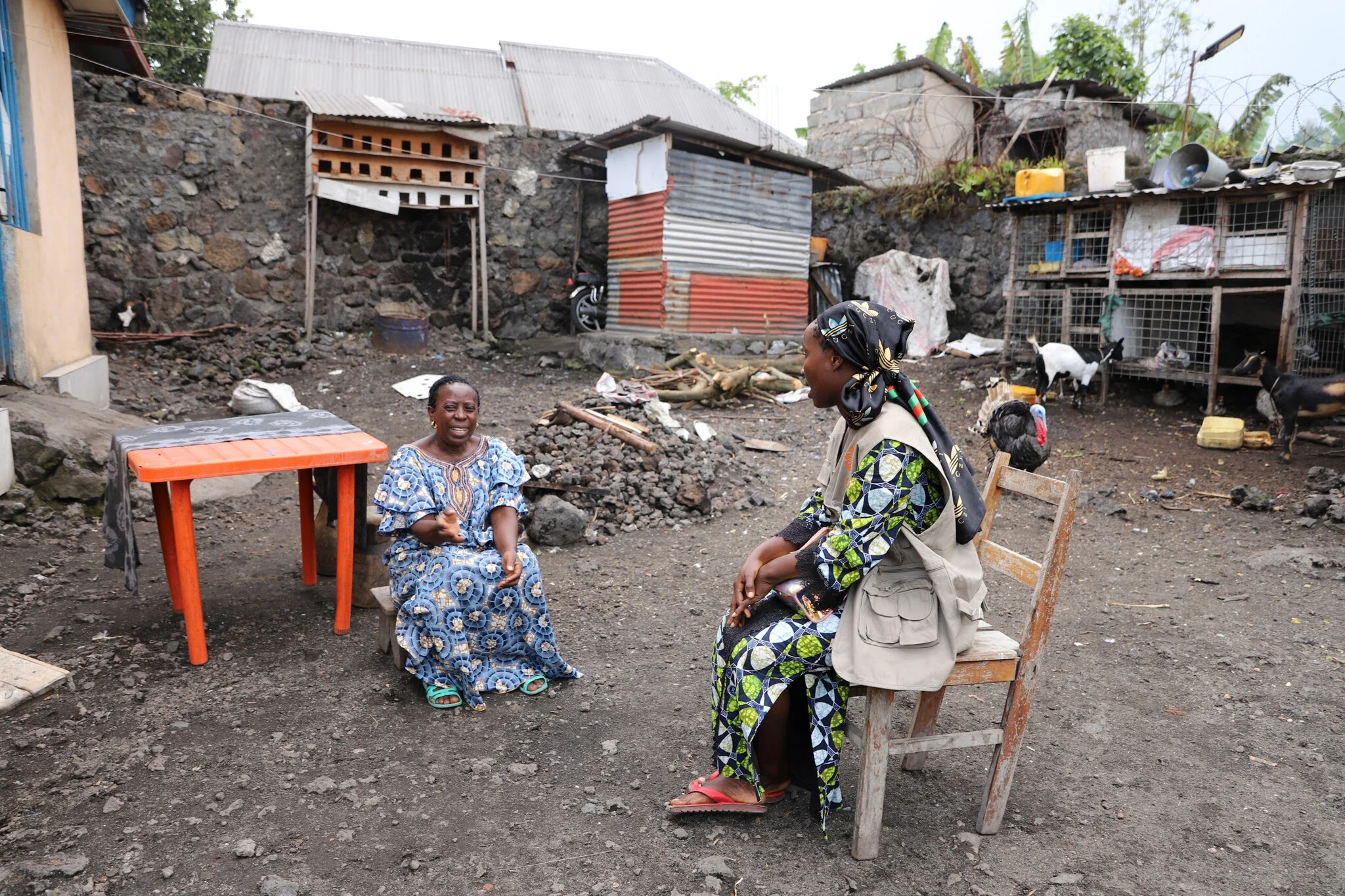
Two women sitting outside talking in rural community in DRC.
Nyabatsi Kito Feza sits down for a one-on-one conversation with a resident during a routine home visit in Sake, North Kivu province. Photo: CARE

Nyabatsi Kito Feza is a community health worker trained by CARE. She is in the North Kivu province, and speaks about the challenges she’s facing. 

“As community health workers, we faced rejection, mistrust, and accusations while raising awareness about Ebola. Many people refused to let us into their homes, believing we were spreading lies for money. We understand why people who feel abandoned feel this way. We continued to share life-saving messages with those more open to listening, trusting that informed neighbors and friends would help spread the truth too. During previous Ebola outbreaks, including the COVID-19 pandemic, many households were reluctant to engage with us. However, during this 17th Ebola outbreak, the resistance is even more discouraging. People point at us and say, They’ve started their business of making money again.’ In some homes, residents say they are too busy, telling us, ‘We don’t have time, we need to go and earn a living,’ and ask us to return later. It has become common for families to suddenly appear occupied as soon as they see us approaching. Despite these challenges, we continue our work because we understand why this perception exists when suffering is so deep, and protecting communities begins with rebuilding trust and ensuring people have the information they need to keep themselves and their families safe.” 

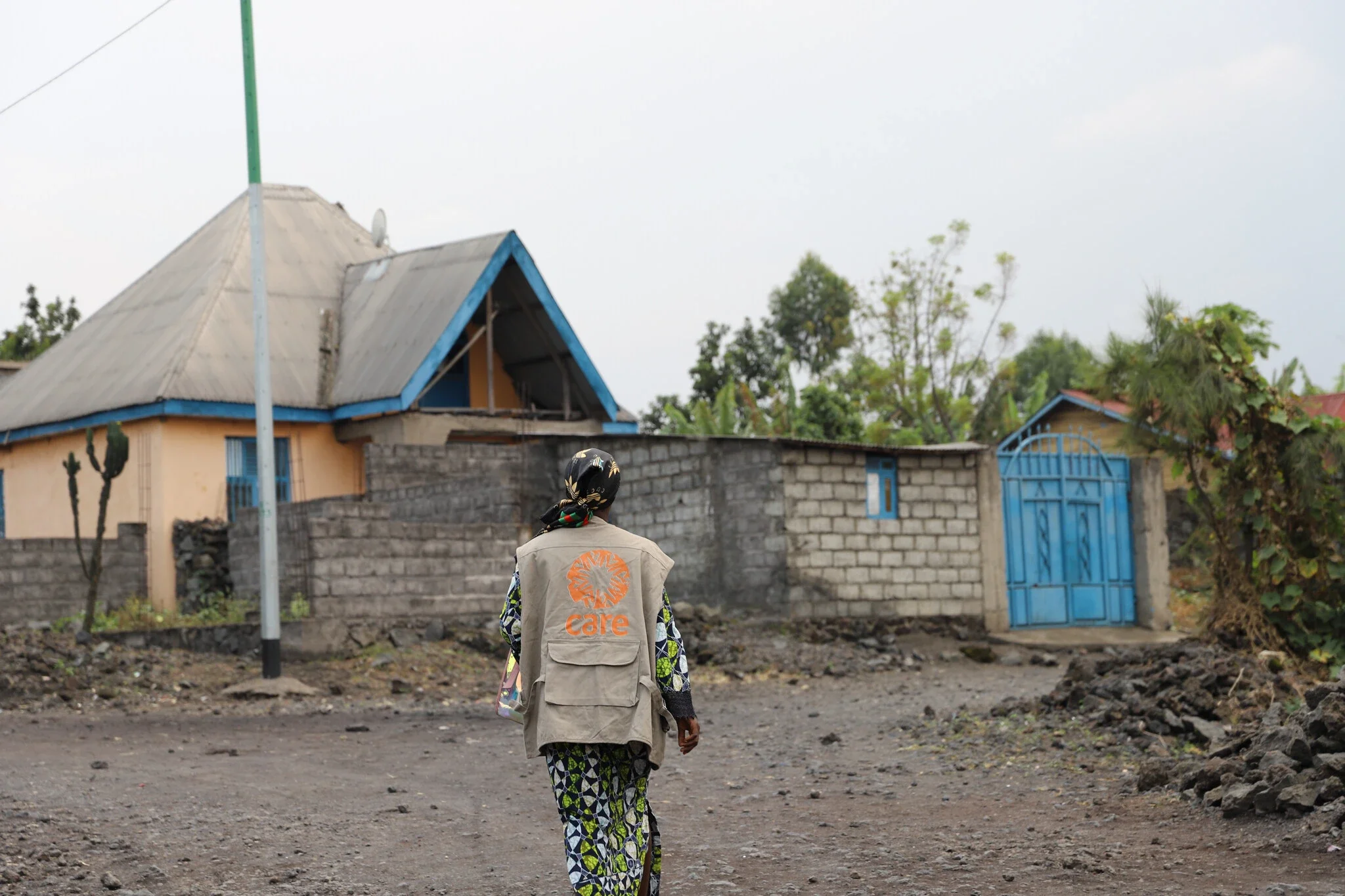
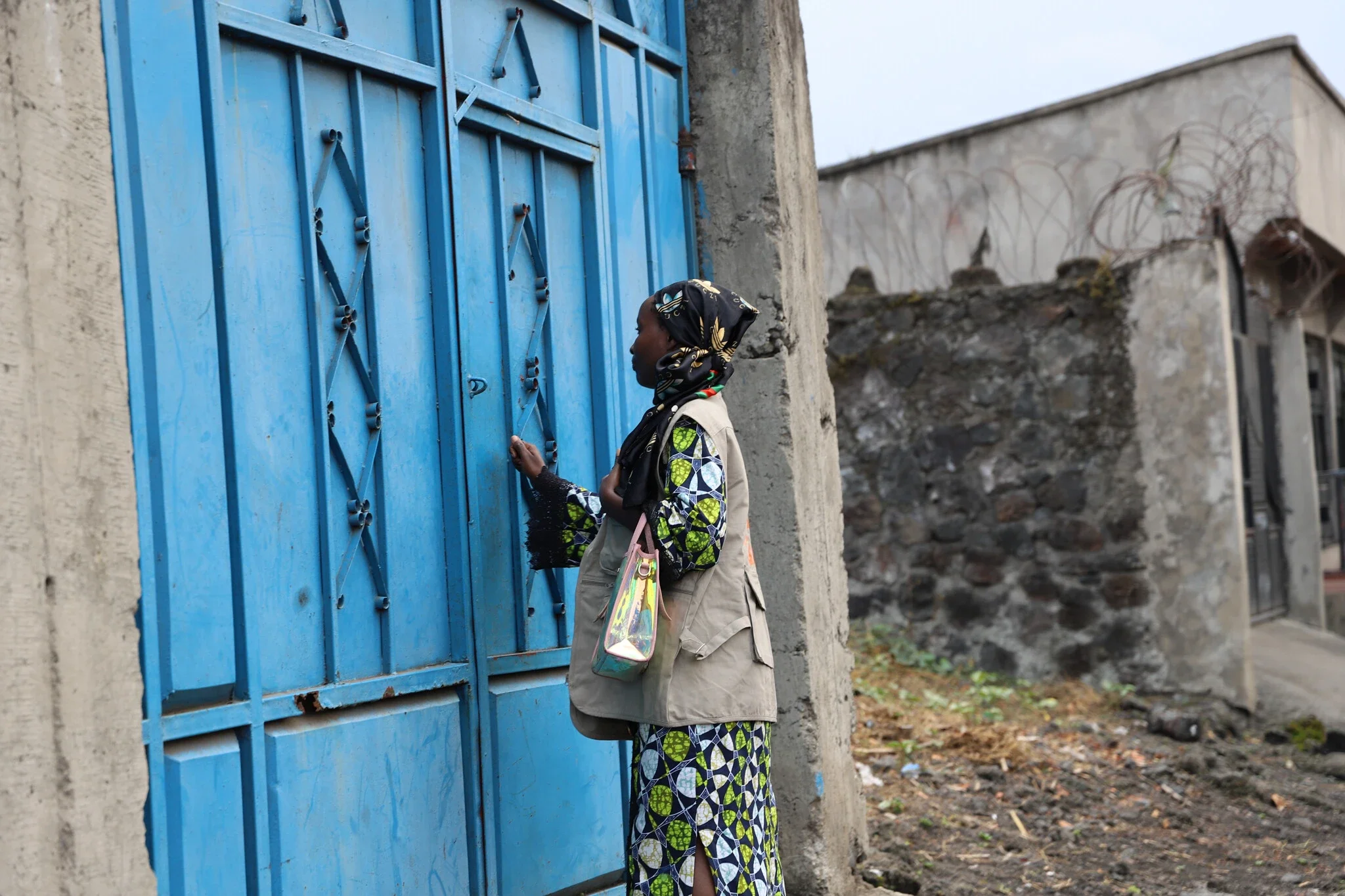
Woman in a CARE vest walks towards a home in rural DRC. Woman standing and knocking on blue gate door. Two women sitting outside having a conversation.
1 of 3
Healthcare workers on the frontline

In the North Kivu province, community health worker Nyabatsi Kito Feza goes door to door to share Ebola prevention guidance. Photo: CARE

As of publication, CARE-trained community health workers have reached more than 210,000 people across North Kivu and Ituri provinces. But more help is needed. CARE is calling for an immediate increase in financial and technical support to strengthen the aid response in DRC and to address the expansive needs communities face, including local and women-led organizations.  

Augustin Akyebe is a project manager with CARE partner, Kujitegemea Actions (KUA), in Sake, North Kivu province. He recently spoke with CARE about how years of conflict and crises are wearing down communities. 

“The challenge we currently face is community resistance and skepticism toward Ebola prevention efforts. In Sake, where we are working at the moment, many people believe the disease is no longer a threat. This perception is reinforced by misinformation, rumors, and the fatigue communities have experienced after years of conflict and repeated humanitarian crises. This situation has several direct consequences for our work. First, many people become less willing to follow preventive measures such as regular handwashing, avoiding unnecessary physical contact, and reporting symptoms early. Without visible cases, it becomes difficult to convince communities that prevention is still necessary.  

Second, our teams sometimes struggle to gain trust. Some community members perceive awareness campaigns as exaggerated or even question the intentions of humanitarian organizations. As a result, we invest more time in community dialogue, listening to people’s concerns, correcting misinformation, and rebuilding confidence. Finally, Sake remains highly vulnerable because it is an important transit hub connecting Goma, Bukavu, Walikale, Rutshuru, Lubero, and other areas. Continuous population movement, including travel from regions where Ebola cases have been reported, increases the risk of introducing the virus. If community vigilance declines, detecting and containing a potential outbreak would become much more difficult.”
The memory of previous Ebola outbreaks, combined with ongoing insecurity, has created both caution and fatigue.

Augustin Akyebe

How are communities responding to Ebola prevention and response efforts, and what are their main concerns? 

“In Sake, where communities have endured years of armed conflict and humanitarian emergencies, reactions to Ebola prevention efforts are mixed. While many people recognize the importance of preparedness, others remain skeptical because no confirmed cases have been reported locally. The memory of previous Ebola outbreaks, combined with ongoing insecurity, has created both caution and fatigue. One of the main concerns is the limited availability of preventive infrastructure. Handwashing stations and hygiene supplies are generally available in health facilities, but many public places, markets, and community gathering points still lack adequate prevention measures. Communities are also worried about the economic consequences of public health measures. Border restrictions and movement controls, particularly along the DRC–Rwanda border, have disrupted trade and reduced household incomes, placing additional pressure on already vulnerable families.  

Despite these challenges, there are many encouraging signs. Community health workers and local volunteers actively conduct awareness sessions in the Kimoka, Kaduki, and Sake Afya health areas, promoting hand hygiene, early reporting of symptoms, and other preventive practices. However, pockets of resistance remain. Some people, exhausted by years of crisis, continue to view Ebola interventions with suspicion and believe that the disease primarily benefits humanitarian organizations. Addressing these perceptions requires continuous dialogue, transparency, and community engagement.”

CARE started working in DRC in 1979. Prior to 1998, CARE worked in the DRC to support Rwandan refugees who had fled there from their own country. In 2002, CARE returned to the DRC to help people affected by the country’s own long-standing conflict.

CARE’s programmatic work in the DRC focuses on humanitarian response, women’s economic empowerment, reproductive health, food and nutrition security, environment, resilience, and the right to a life free from violence.  

Back to Top