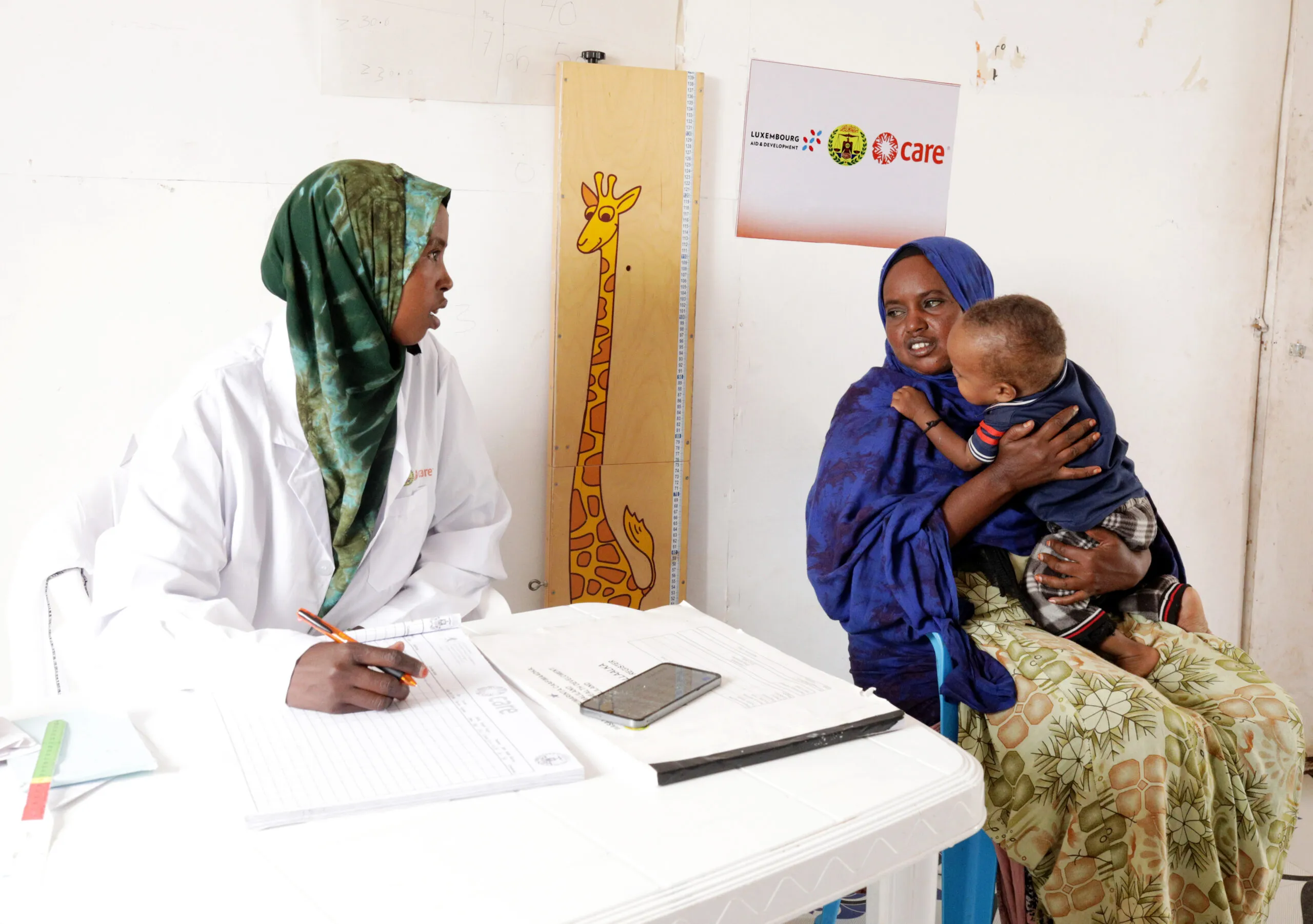
For years, every time one of her children needed a vaccination, Fatima faced a difficult choice.
“I had to leave my livestock and spend most of the day traveling,” she says.
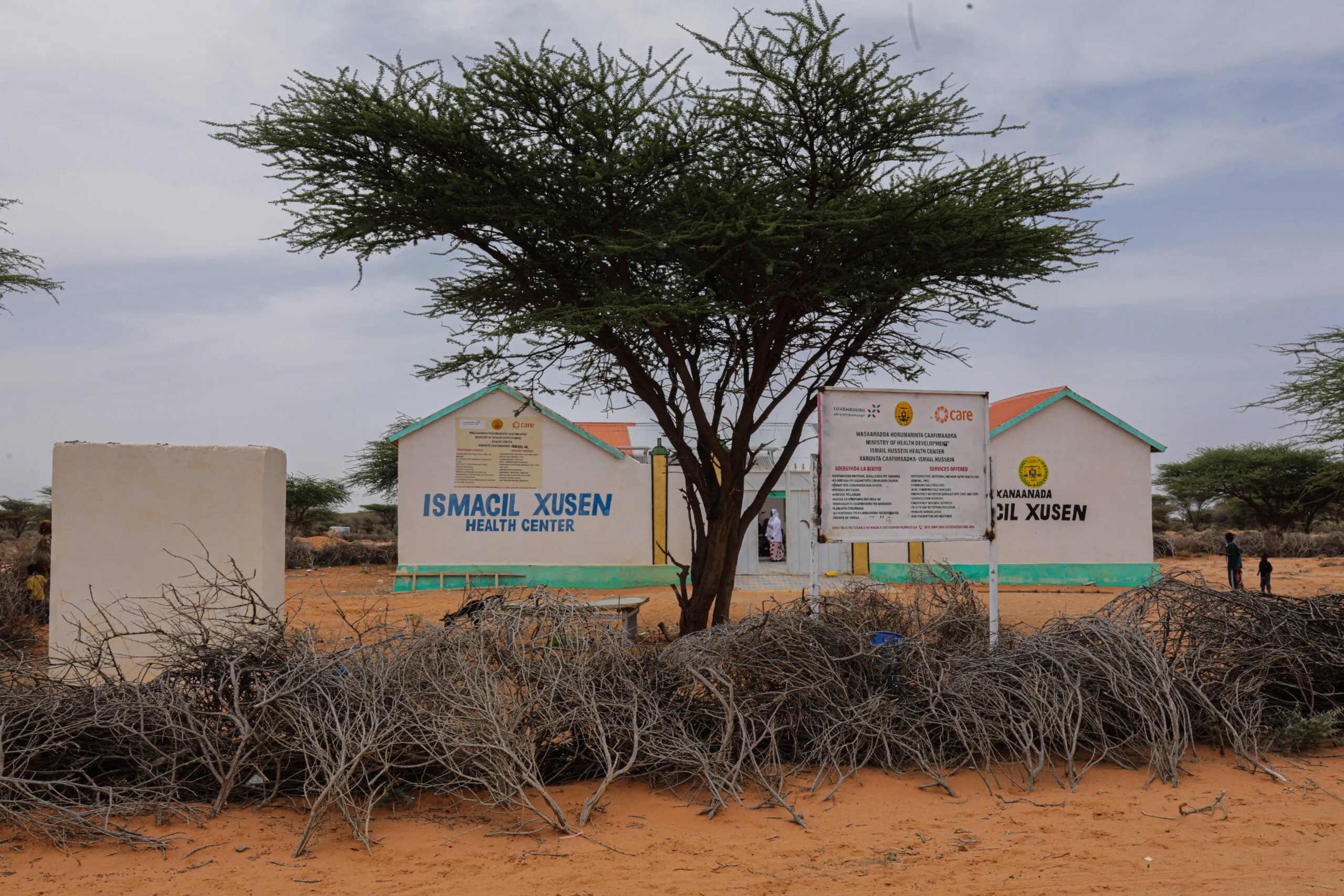
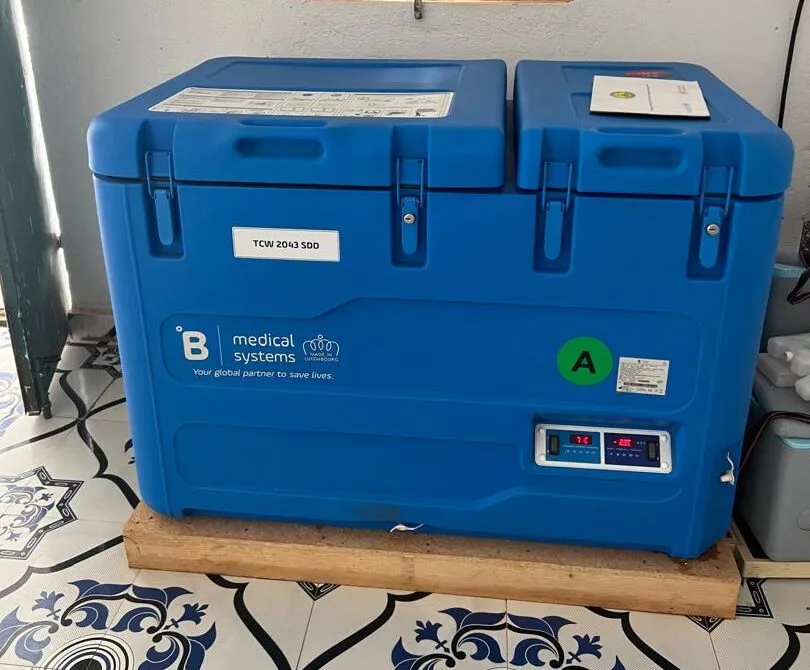
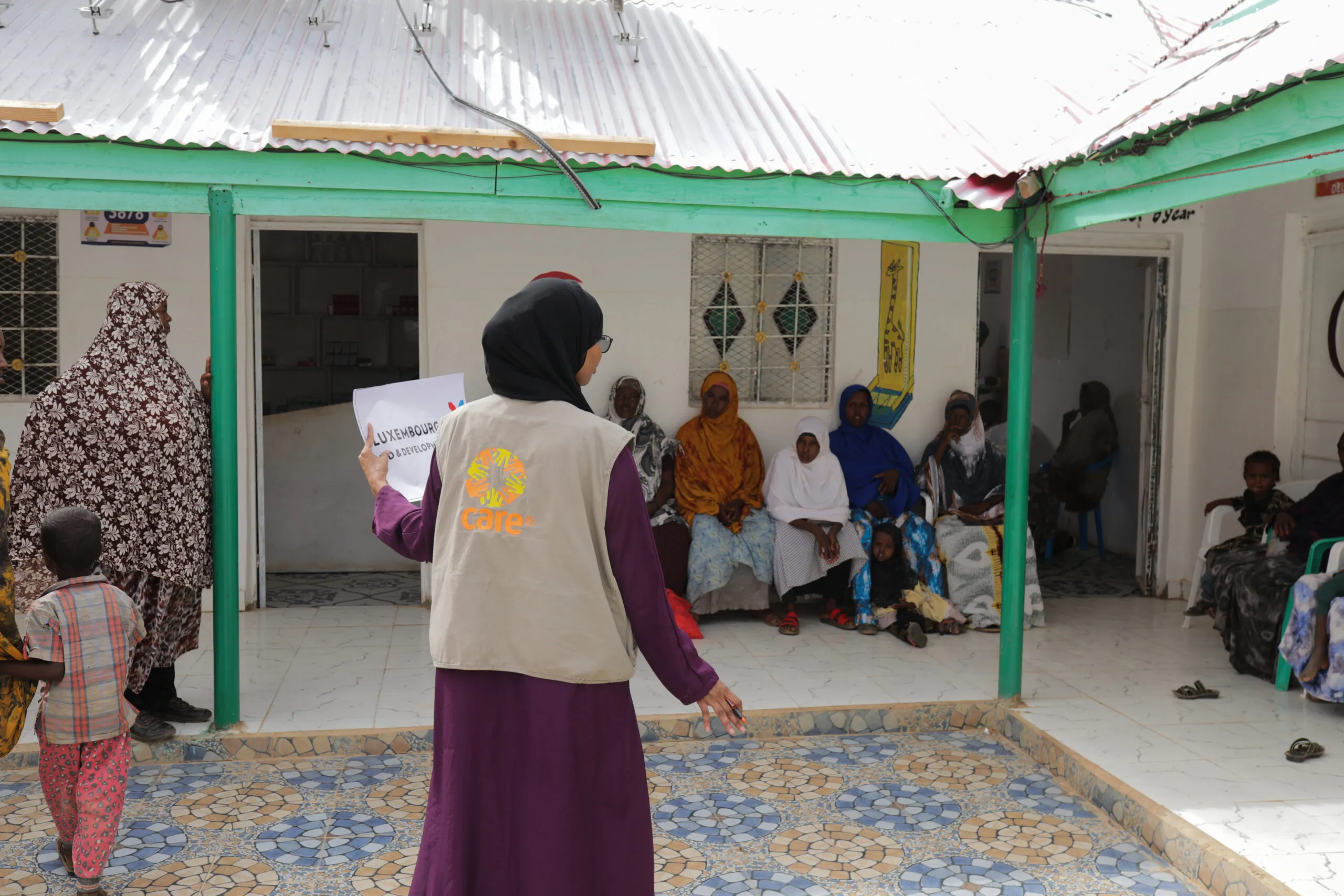
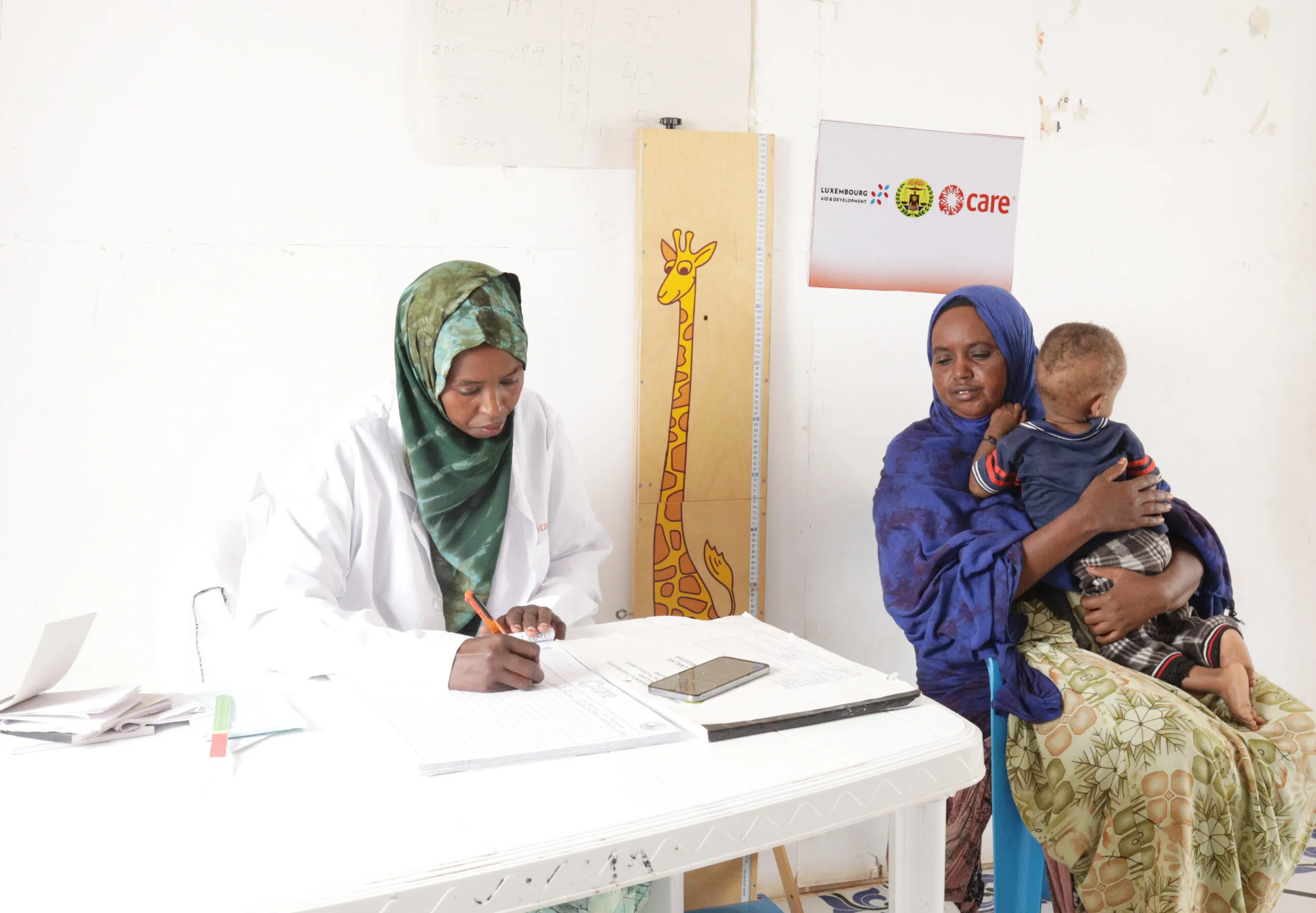
The local clinic in Ismael Hussein, a rural community in Somaliland’s Burao District, lacked reliable refrigeration. Most routine vaccines need to be kept between 36°F and 46°F. If they become too hot (or, for some vaccines, too cold), they can become less effective. Reliable refrigeration helps ensure children receive vaccines that have been stored safely.
This meant that Fatima and others like her were forced to travel to a facility with reliable refrigeration if they wanted to get their children vaccinated. The nearest facility was more than 20 miles away — a long, arduous journey taken on foot both ways.
Like many families in her community, Fatima depends on livestock to support her household. Time spent traveling meant less time caring for her animals and her three children. Long journeys, harsh weather, and uncertainty made every visit difficult, especially as ongoing conflict increased the risk of violence for women and girls.