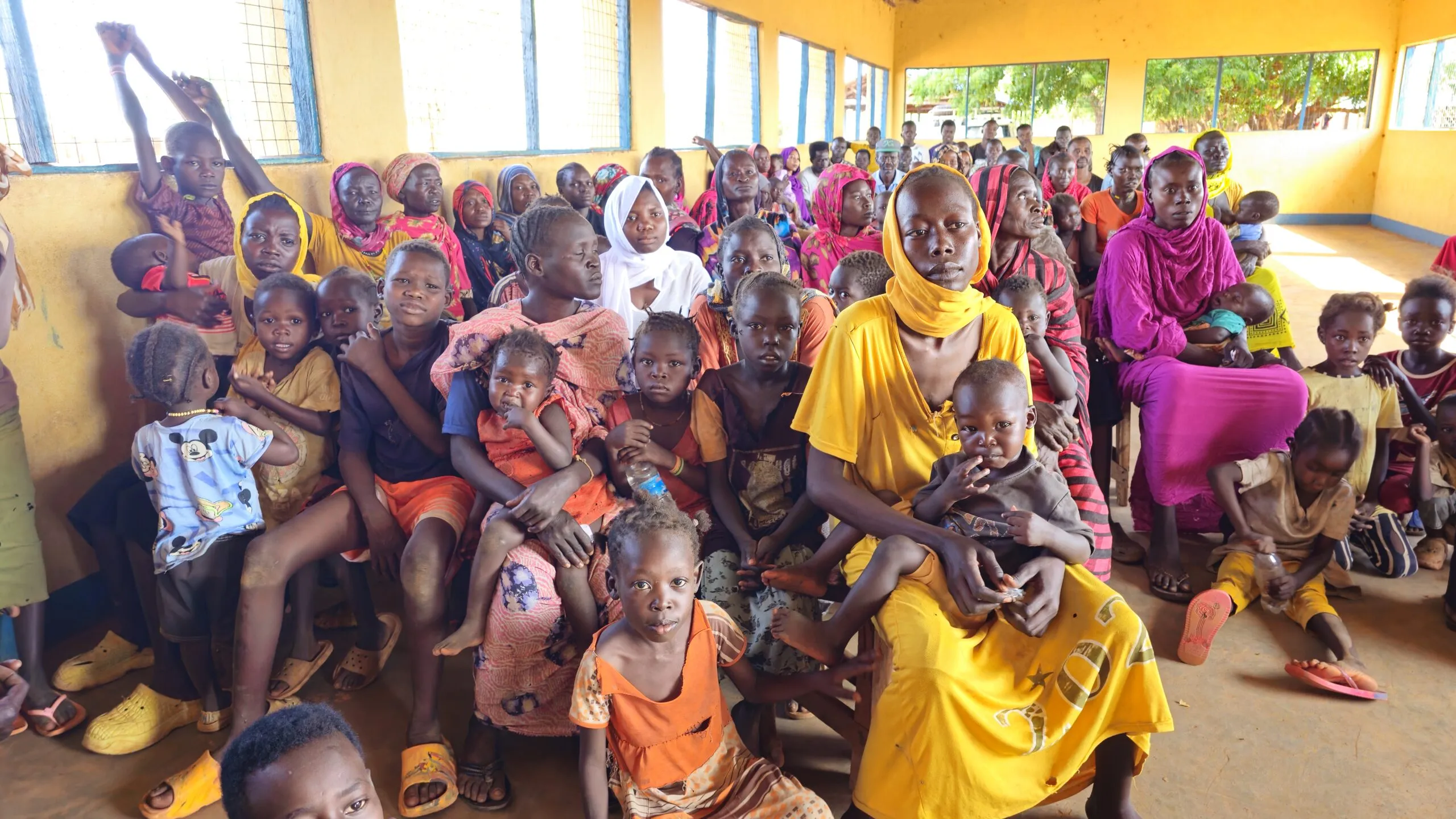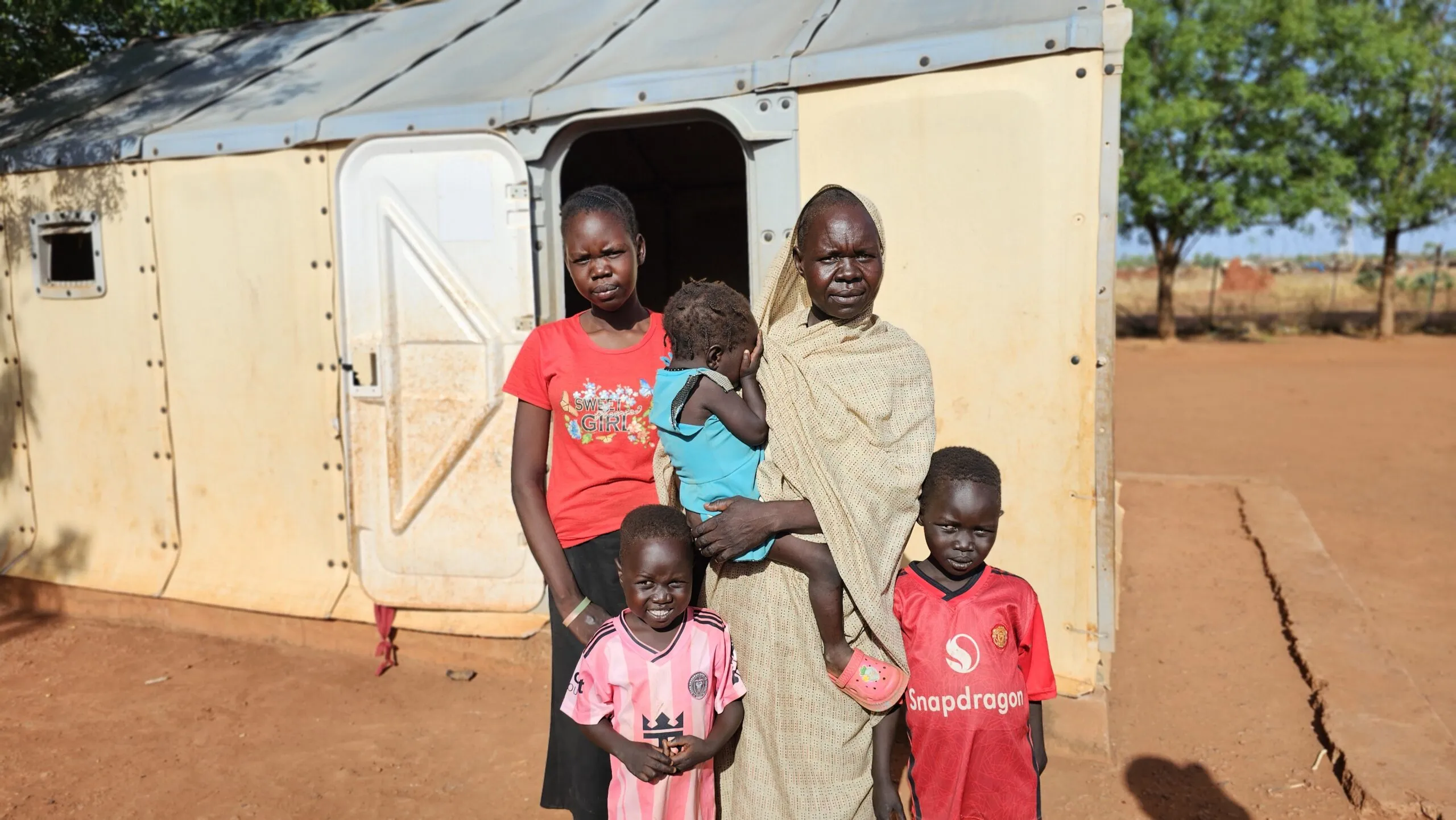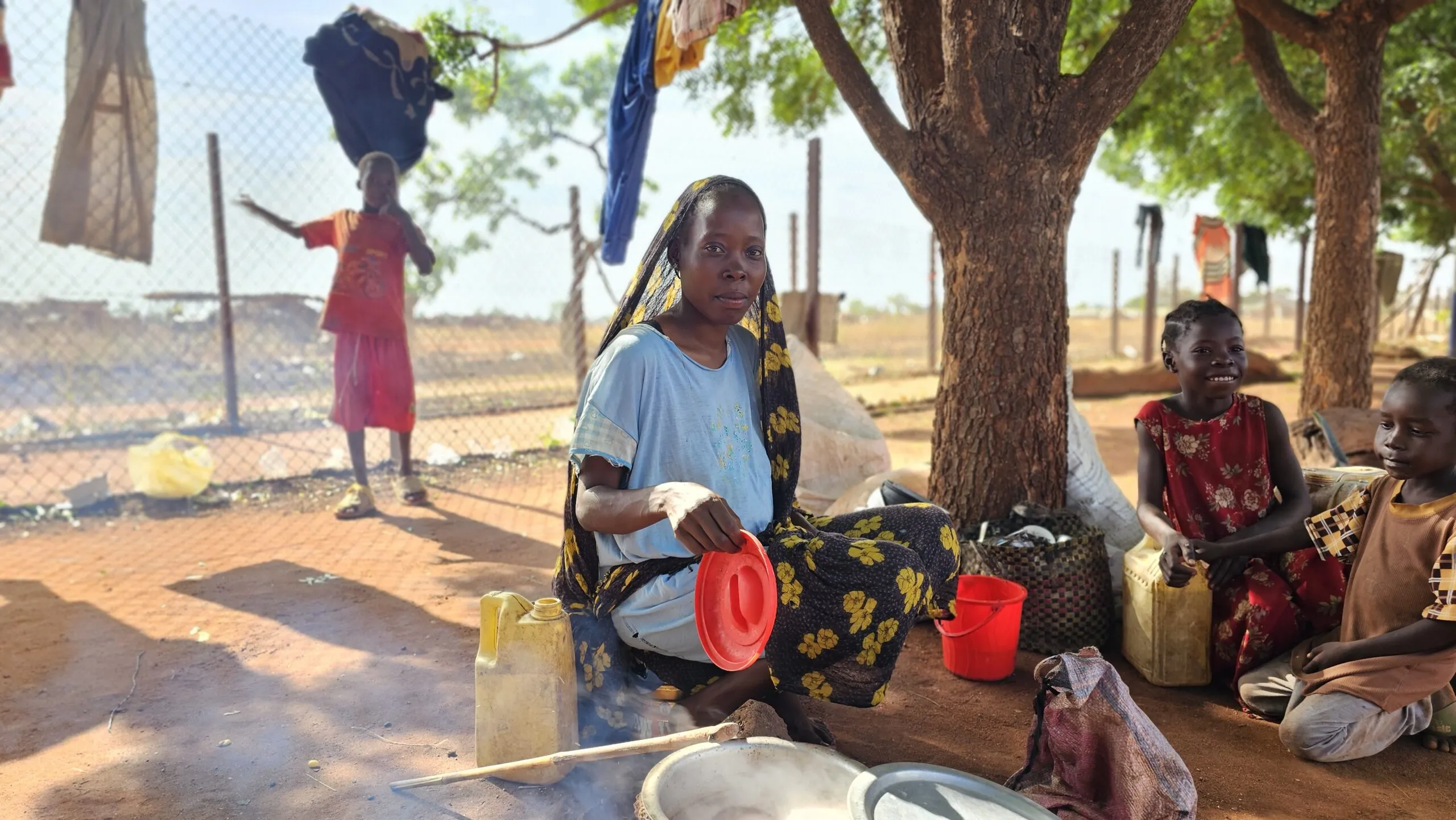
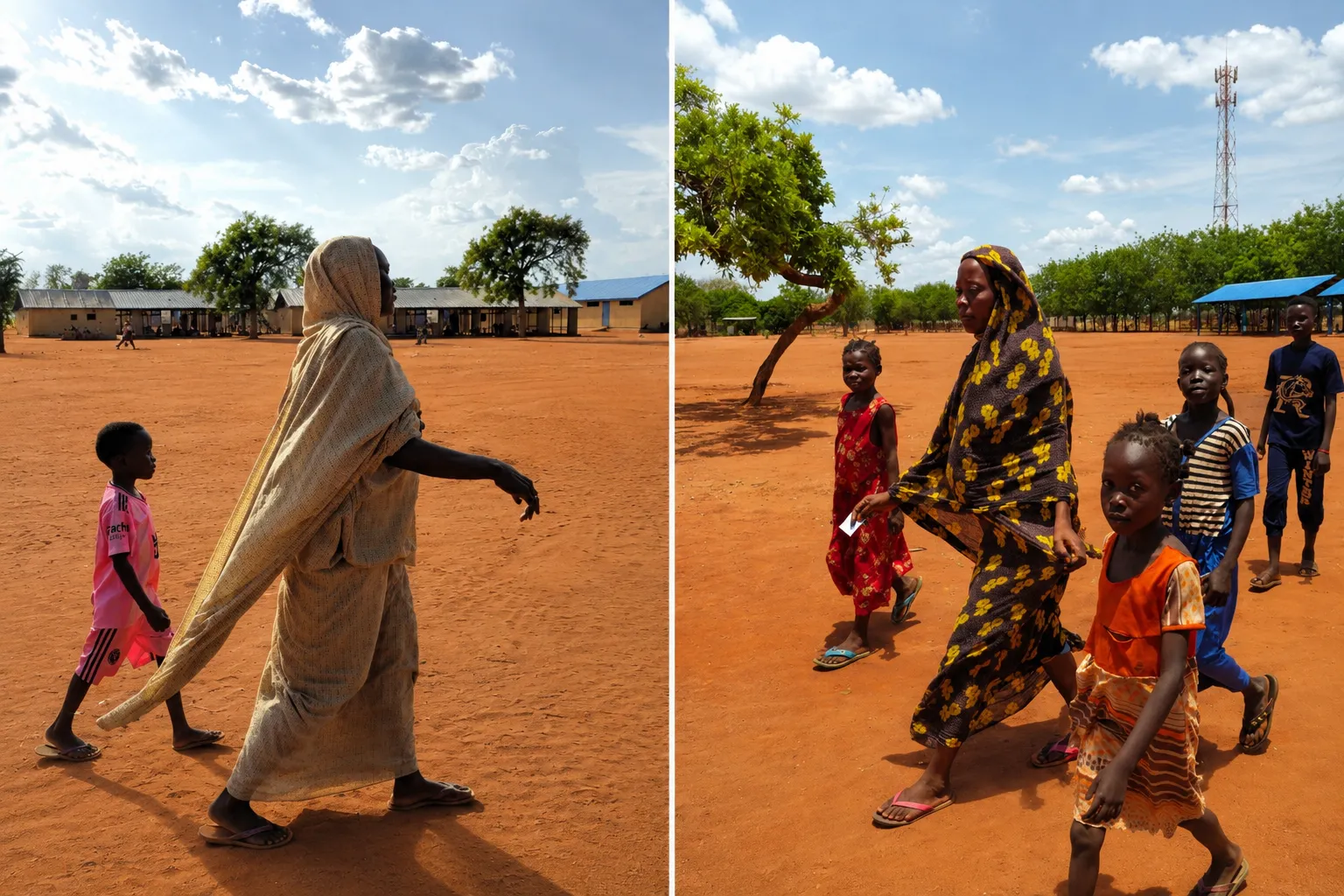
At a reception center in Yida, just across the border in South Sudan, Kochoro, a CARE clinical officer, has seen the toll of these journeys again and again. As Sudan’s war has deepened, families continue to flee across the South Sudan border in search of food, shelter, and medical care. Children are not immune to the stress. They often arrive weak and silent, their bodies drained long before they reach safety.
Each day, 20 to 30 patients pass through the small health facility. Malaria cases rise with the rainfall. Many children arrive severely malnourished after fleeing areas where food has been scarce (or entirely unavailable) for months.
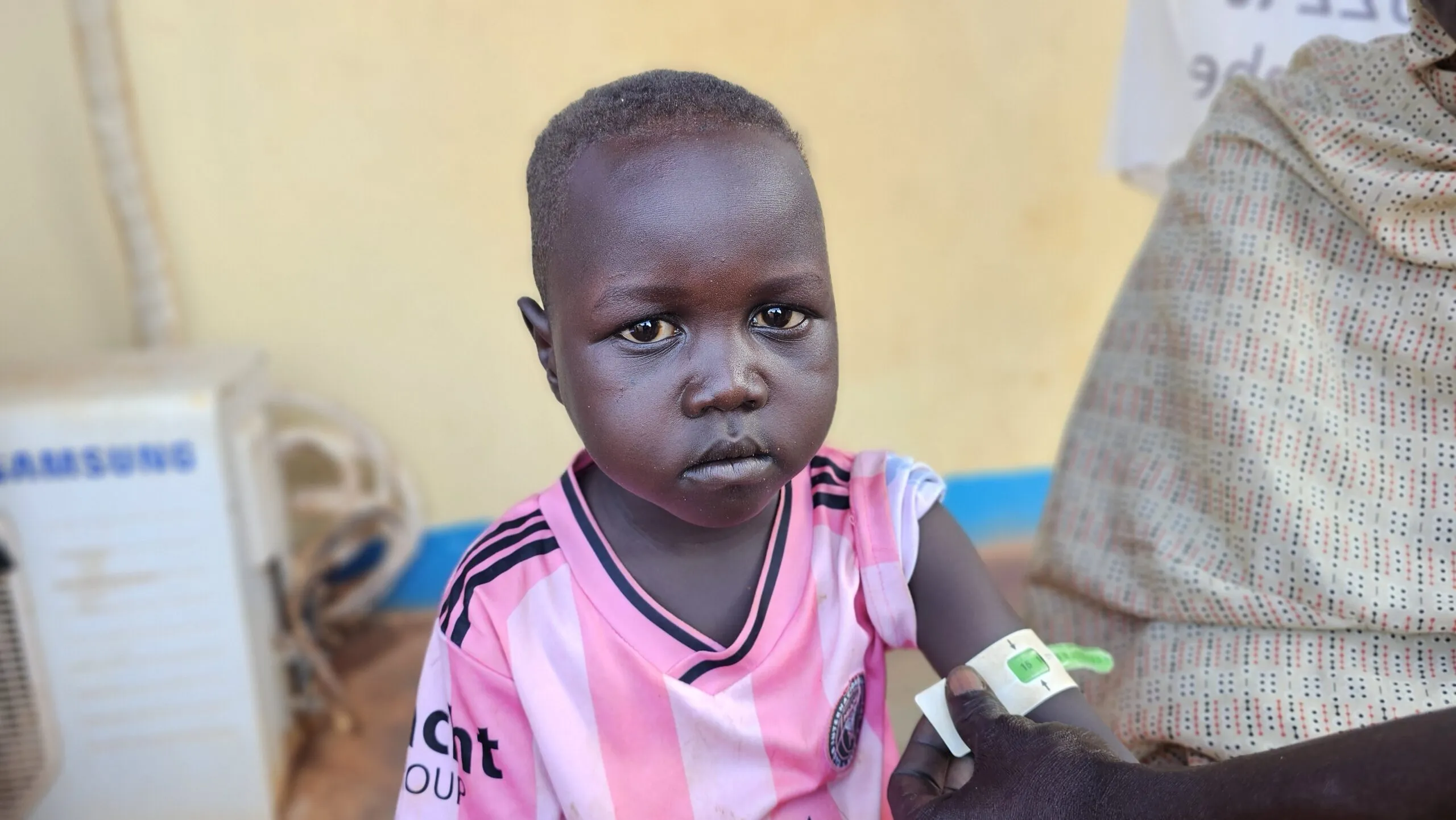
To quickly assess a child’s condition, health workers use a simple, color-coded measuring tape wrapped around the upper arm. This measurement, known as MUAC (mid-upper arm circumference), shows how urgently a child needs care: red indicates severe acute malnutrition requiring immediate treatment, yellow signals risk, and green means the child is no longer in immediate danger.
This week alone, two children’s measurements fell in the red — an indicator of acute malnutrition requiring urgent care. The health facility provided Plumpy’Nut, a high-energy therapeutic food used to treat severe malnutrition, and referred each child for further treatment.
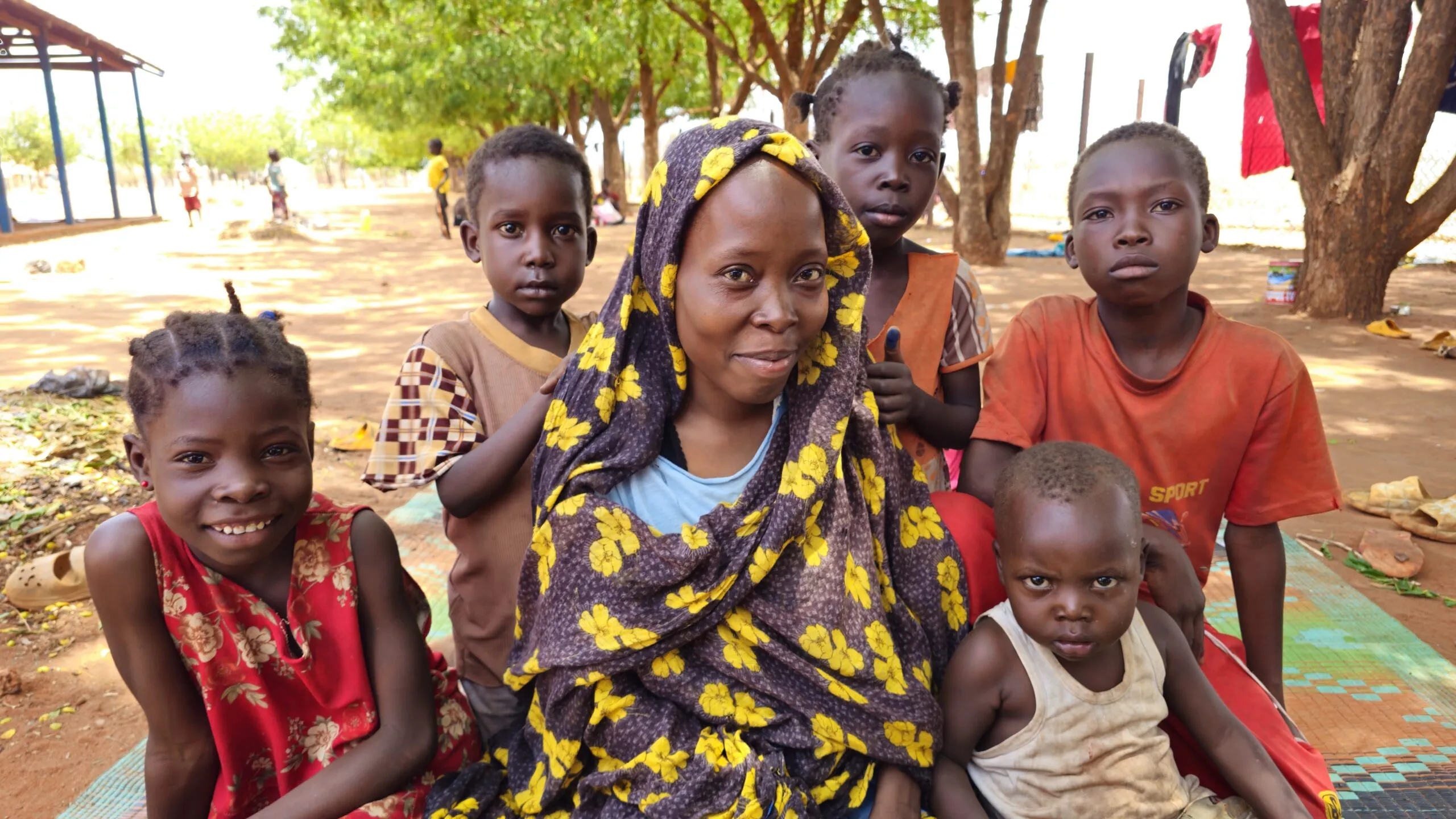
Every week, three or four children arrive in Yida needing this level of emergency care. Recently, Sammy, a 4-year-old boy, was among them. By the time Sammy and his five siblings reached the clinic, he was too weak to answer when his mother, Hanan, called his name. His eyes did not open at the sound of her voice. All he could do was lie on the ground, exhausted by the 215-mile journey he, his siblings, and Hanan had made after fleeing their home in Sudan.