International Youth Day: Helping young people build brighter futures through empowerment

By Sarah Jonson August 11, 2026

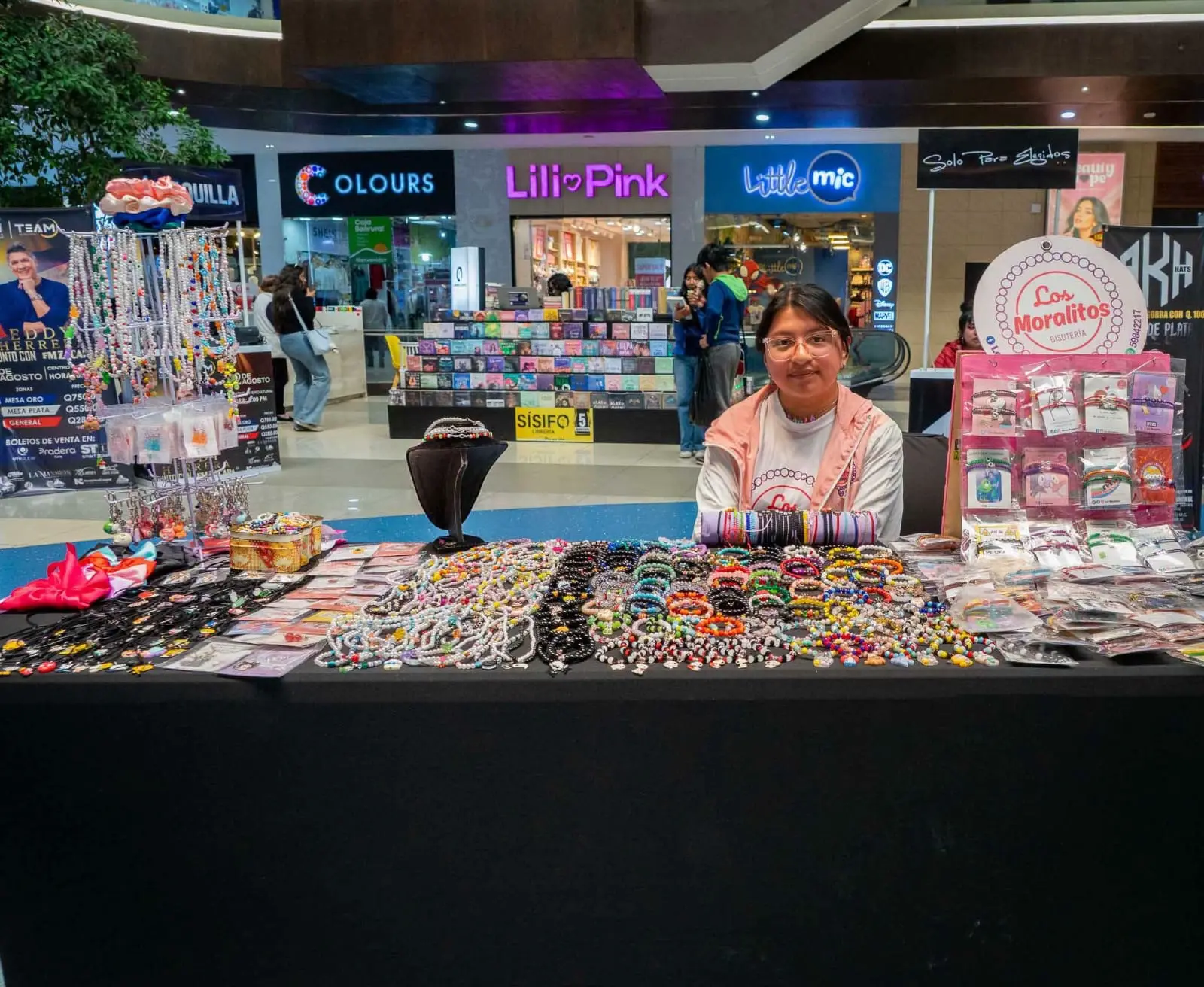
A young woman standing by a table of colorful jewelry she created.

Denisse Litzy Morales is the owner of Los Moralitos Costume Jewelry and a member of CARE's "Creating Opportunities for Youth" program. Photo: CARE

August 12 is International Youth Day, an opportunity to raise awareness about the issues facing young people around the world. Although young people may face different challenges, they share a common goal: to create a better future. 

Denisse Litzy Morales is a vibrant, artistic 21-year-old living in Guatemala. From her pastel-beaded necklace to her array of charm bracelets, colorful adornments surround her.

And she made them all herself.

As a designer, Denisse specializes in costume jewelry and fashion accessories. She crafts bright, multicolored necklaces, bracelets, rings, earrings, and more. All are handmade in a modern, trendy style that would have Taylor Swift fans lining up with cash in hand. She says she only has one simple goal for her work: “To create and sell a unique product.”

To that end, Denisse launched her own business, Los Moralitos Costume Jewelry. She had the vision, creativity, and talent to make the jewelry, but making money was a challenge. Because she wasn’t keeping track of her expenses or production costs, she didn’t know what to charge for each of her unique creations.

Without access to the business training and financial education she needed, “I didn’t have the necessary information to organize my venture,” she says.

Young people around the world, face similar struggles. They have vision and talent, and they are willing to work hard. But obstacles like poverty, conflict, and limited access to training and education limit their opportunities to succeed.

They want to work and provide for themselves and their families, but they lack opportunities for job training, mentoring, and networking.

Globally, an estimated 262 million young people ages 15-24 are not in employment, education, or training. According to the UN, by 2050, 69% of the world’s youth will be living in low and lower-middle-income countries.

These statistics are not just numbers. They represent millions of young people whose ambitions, skills, and potential remain disconnected from opportunity, and millions of communities missing out on what they could contribute. These barriers can limit lifetime earnings, put strain on families, and hold back economies that depend on young people’s ideas, skills, and leadership.

But there’s hope.

The International Labour Organization and the World Bank Group reviewed youth training and employment programs across 62 countries and found they consistently improved employment and earnings outcomes for participants. The findings were particularly strong in low and middle-income countries and for young women and disadvantaged youth.

Through programs like “Creating Opportunities for Youth” in Guatemala, CARE is working to help young people, like Denisse, access the education and gain the skills they need to thrive.

From rural Nepal to conflict-affected communities in Somalia to youth entrepreneurs in Central America, CARE works with governments, local partners, and communities to help young people turn education and training into opportunities to earn a living.
Breaking the cycle of poverty 

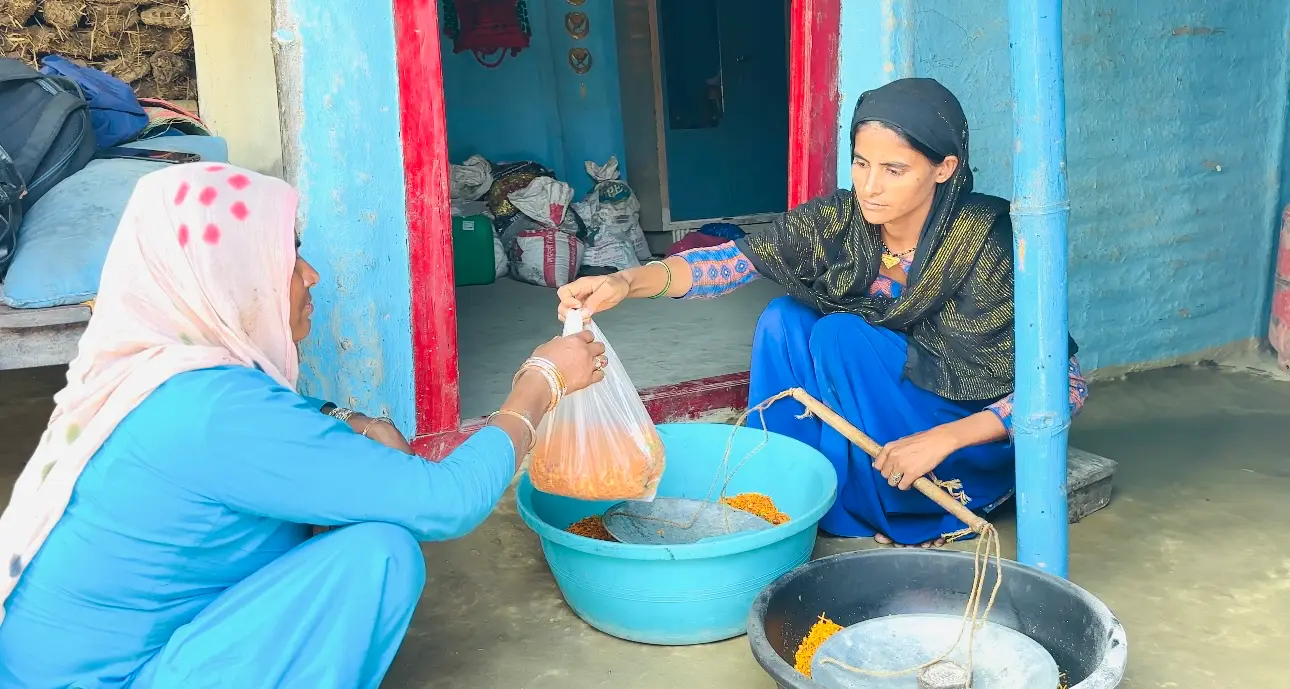
Two women sitting down next to a big bowl at an outdoor market. One woman is handing the other woman a bag of grains.
Sahena Khatun is a member of CARE's UDAAN program in Nepal. It provides accelerated education for out-of-school girls. Photo: CARE

Sahena Khatun was raised in a family facing financial hardship in rural Nepal.

The eldest of four siblings, she spent much of her childhood helping with household duties and working as a wage laborer to bring in extra income for her family. She left school early, got married at 18, and had her first child — a daughter — when she was 19.

Her husband has worked abroad for the past four years, while Sahena and her children live with her parents, who have no sons and rely on Sahena for support.

In Nepal, most children enroll in primary school, but many girls, like Sahena, are forced to leave during adolescence because of poverty, household responsibilities, or limited family support. Girls are often expected to care for younger siblings and other family members, and families with limited means often survive on daily wages. Sending children, particularly girls, to school rather than having them working means sacrificing immediate income. These responsibilities, combined with the increased probability of early marriage, can make it difficult for girls to return to school later.

Education opportunities were limited in Sahena’s family. Her mother never had the chance to attend school, and Sahena only studied until second grade. Although her parents wished for her to continue her education, prevailing social norms and family responsibilities kept her at home.

Sahena, however, found a new path through UDAAN, a CARE program providing accelerated education for out-of-school girls.

UDAAN, which means “flight” or “flying high,” gives participants access to entrepreneurship training, mentoring, and seed funding for small businesses. Sahena used her training and funding to sell dalmut bhujiya, a popular local snack made of a crunchy, spicy lentil mixture, at local fairs. What started as a small enterprise is now providing a good livelihood for Sahena and her family. Sahena’s husband has strongly supported her entrepreneurial journey, encouraging her both to join the program and to expand her business.

“The UDAAN program gave me the tools to change my life,” Sahena says. ”I am not only supporting my family but also building a future for my daughter.”

More than 3,700 girls have graduated from the UDAAN program, which CARE operates in collaboration with the Centre for Education and Human Resource Development under Nepal’s Ministry of Education.

Sahena is saving money for her daughter’s education, and takes pride in supporting her younger sister, who is now in ninth grade — receiving an educational opportunity Sahena herself was unable to access.

For Sahena, UDAAN is more than a training program. It’s helping her build a different future for the next generation of her family.

Connecting education to employment

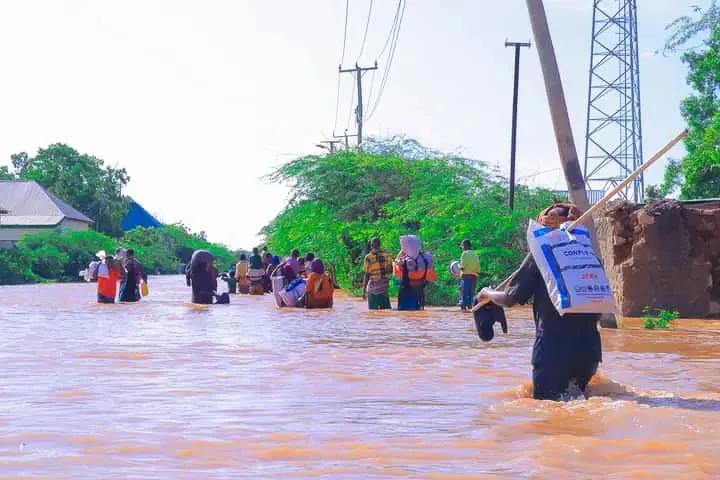
A wideshot of a group of people walking through floodwaters that come up to their knees.
People leave their homes in Somalia following El Niño–related flooding in 2023. Photo: CARE

In Somalia, years of conflict, displacement, drought, and recurrent flooding have forced millions of children out of school. El Niño–related flooding in 2023 affected around 876,000 children in Somalia damaging schools, forcing closures, and turning some classrooms into shelters for displaced families. These disruptions come amid a broader food security crisis, with millions in the country facing severe hunger.

Once children are out of school, returning can be difficult. In 2025, it was estimated that 3.4 million people — 58% of school-aged children in Somalia — were out of school, and that girls were only half as likely as boys to complete secondary school. Without access to education, young people can miss out on the literacy, skills, and opportunities they need to earn a living. For girls, the consequences can be even greater: being out of school can limit their economic independence and increase their risk of early marriage and exploitation.

In response to these challenges, CARE and local partners worked with Somalia’s education authorities to launch the Adolescent Girls’ Education in Somalia (AGES) program. Between 2021 and 2024, AGES enrolled more than 53,494 out-of-school girls and young women, helping them continue their education while building skills around money management, leadership, and workplace readiness. More than 82% completed the program.

AGES also connected participants with economic opportunities.

More than 6,000 young women joined CARE’s Village Savings and Loans Associations (VSLAs), which allowed them to pool resources, save, and invest in their futures and communities. The program also worked with local employers to help participants access apprenticeships, employment connections, and financial services.

The results showed how education can translate into greater economic opportunity. Within six months of completing the program, 29% of young women graduates were employed or self-employed, while average monthly income increased from $15 to $24 — a 60% increase.

For girls who have been excluded from school, education can mean more than learning to read or write. It can open pathways to employment, financial independence, and greater control over their futures. These benefits aren’t limited to the individual women themselves. Instead, they can extend to their families, their communities, and future generations.

“No matter the age, we are capable”

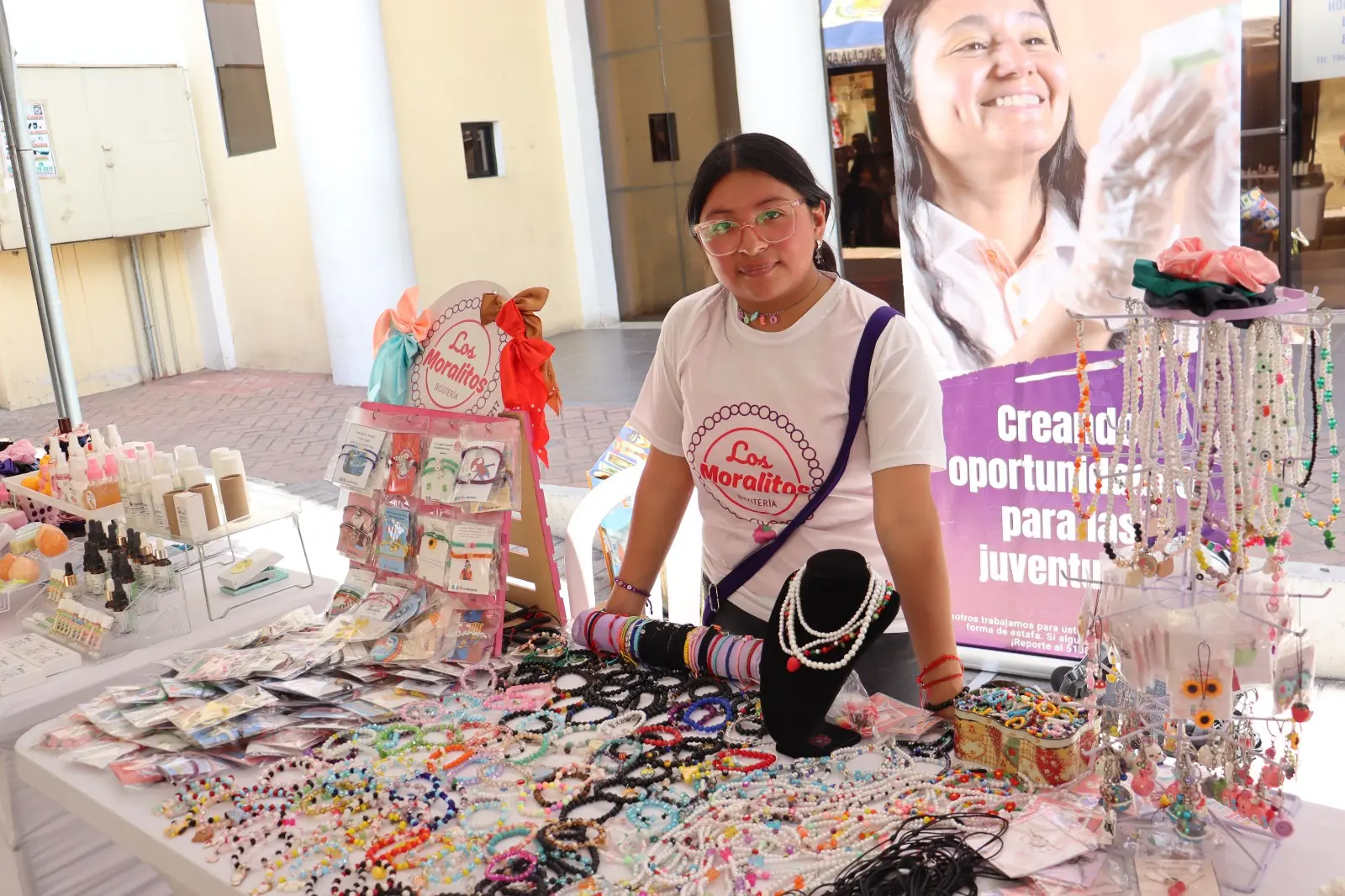
A young woman is sitting at a table covered in handcrafted jewelry.
Denisse is using her business training to expand sales for her jewelry company, Los Moralitos. Photo: CARE

Denisse is now putting the skills she learned through the “Creating Opportunities for Youth” program to work. She’s managing her finances, calculating costs, strengthening her marketing strategy, and expanding her customer base.

Los Moralitos now offers personalized and trending accessories, including pieces inspired by famous pop artists and more. Denisse is also selling her jewelry at entrepreneurship fairs and craft events, and advertising on social media.

“The program helped me see the bigger picture,” Denisse says. ”By analyzing my business, I was able to create a stronger vision for the future and identify the steps needed to grow my venture and achieve my goals.”

The “Creating Opportunities for Youth” program is still supporting entrepreneurs in Guatemala and El Salvador. Expected to reach 2,550 young people, it has already trained more than 1,000 youth in financial and digital skills.

This year’s International Youth Day, “Different Contexts, Common Aspirations,” shines through these stories of perseverance. Across countries and communities, young people are pursuing many of the same things: quality education, meaningful work, financial independence, and the chance to contribute to their families and communities.

But opportunity is about more than earning an income. It can mean having the confidence to turn a passion into a business, the financial independence to make decisions about one’s future, or the chance to stay in school and imagine a different future for the next generation. It can mean having a safe, supportive place to learn, build skills, find mentors, and discover what an individual can do.

These are the kinds of possibilities that access to education, training, financing, and supportive networks can create. When young people have the opportunity to develop their skills and pursue their ambitions, they can do more than find work: they can build businesses, support families, invest in the next generations, and shape the futures they want for themselves.

“No matter the age, we are capable,” Denisse said, “and learning together makes it possible.”

Opportunities can change a young person’s future.

Learn how CARE’s education and skills programs help young people gain the knowledge, confidence, and opportunities they need to create brighter futures.

Learn more now
Back to Top