A box with three padlocks: the story behind CARE’s global savings group model

By Maria Liu August 6, 2026

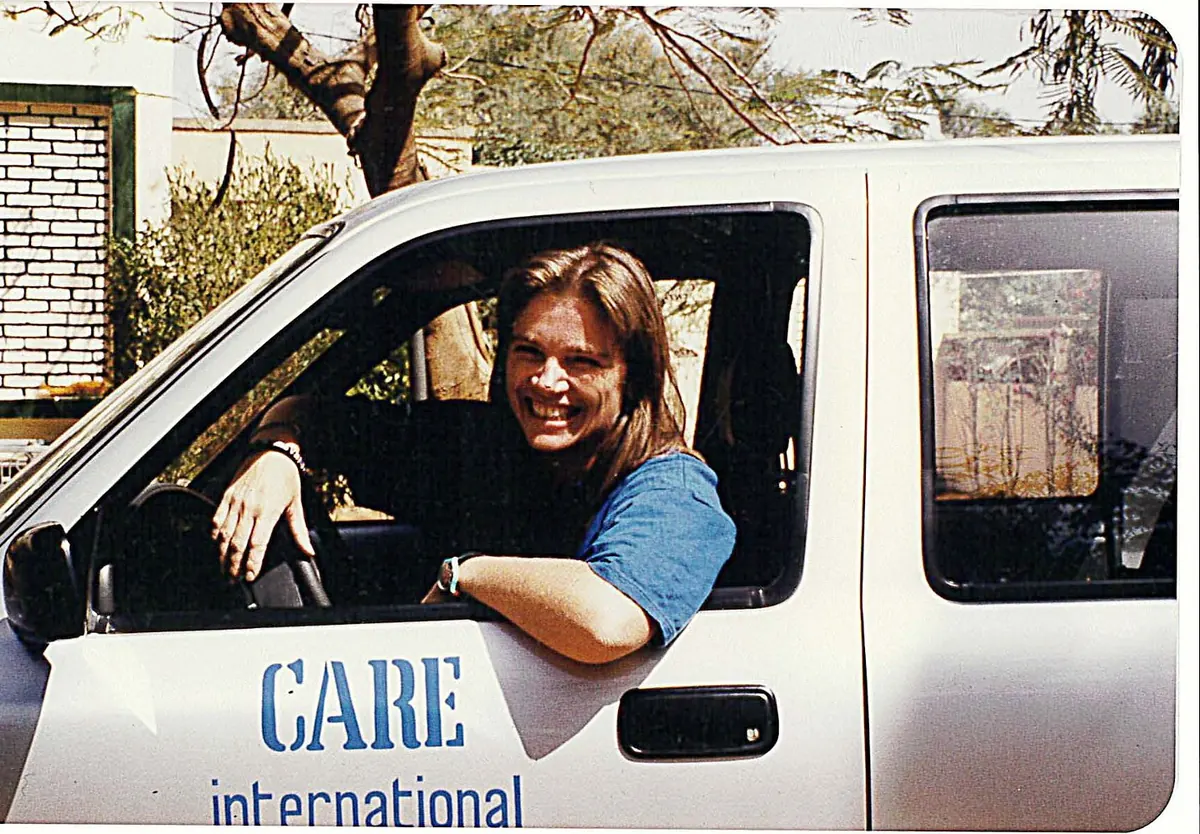
A young woman with brown hair leans out the window of a white pickup truck marked “CARE International.”

Moira Eknes at CARE's office in Niger, not long after joining the project that would become the VSLA model. Photo: Moira Eknes/CARE

In 1991, Moira Eknes was young CARE project manager in Niger tasked with adapting a successful tree-planting project for women in the community. On paper, it sounded straightforward.  But the women weren't interested in planting trees. It didn't take long for Moira to realize the plan needed to change.

“We did an initial survey to discuss with women,” Moira recalls. “And one main message from all the women we talked to became clear. ‘What we need is to make ends meet. We need capital.’

The women cultivated small plots of land their husbands had given them, growing just enough to feed their families until the next rainy season. The tree-planting program, built around eucalyptus and neem trees meant to improve agricultural production over time, held little appeal. The women weren’t interested in investing years of effort in land that could be taken from them so easily, and trees alone wouldn’t feed their families in the meantime.

What they needed was money for inputs and other income-generating activities, and a way to get it that didn’t mean borrowing from relatives or paying crushing interest to loan sharks.

“So, I asked them, what do you do when you need cash?” Moira remembers.

The women described what they already had: informal savings pools known locally as tontines (or ‘merry-go-rounds’ in English). Each member contributed a set amount and took turns receiving the full pot.

It worked, but only up to a point. Once the cycle ended, so did the fund. It didn’t grow. It didn’t last.

“How can we do this more sustainably, and make it grow?” Moira remembers asking herself. “That’s the initial idea. That’s how it started.”
Village Savings and Loan Associations

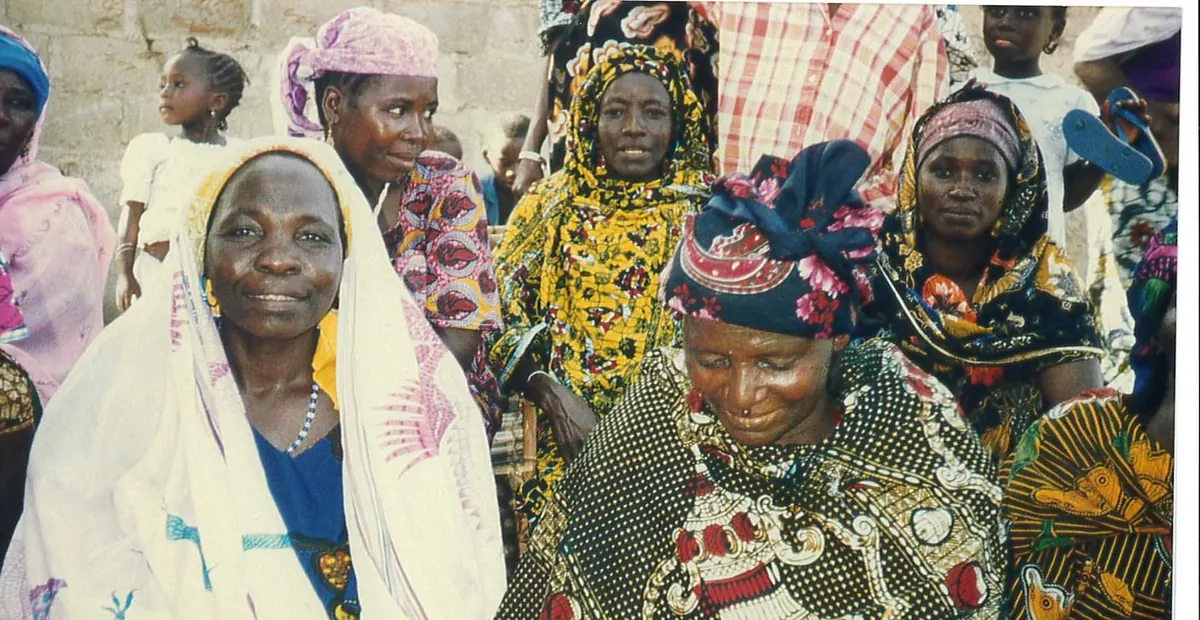
A group of women in colorful headscarves and wraps stand and sit together outside a stone building in a Niger village.
Tchima (front left) and women of Rafin Wada, one of the first villages where the savings model took root. Tchima and village agent Rahila Mamane, who lived in her home, were instrumental in getting the very first group started. Photo: Moira Eknes/CARE

That conversation became the foundation for what CARE now calls the Village Savings and Loan Association (VSLA) model.

VSLA members contribute savings to a shared fund, borrow from it when they need to, and repay with interest rates they set together. Because that interest stays inside the group, the fund grows instead of emptying out after a single cycle. At an agreed point, often once a year, members divide the accumulated savings and earnings among themselves, a moment known as a “share-out.”

There’s no bank managing the money, and no CARE staff deciding how it’s used. Members choose who joins, elect their own leaders, and set their own rules. The model builds directly on what women in Niger were already doing while adding a structure that lets the savings grow over time.

Although the donors who had originally sent Moira to Niger kept asking how many trees had been planted, once they saw the groups, they were amazed by the women and their level of organization. They soon stopped asking about the trees.

What began as one conversation in rural Niger spread like wildfire. But wildfires still need the right conditions, and getting there took constant adaptation, open-mindedness, and no shortage of trial and error.

Trial, error, and a box with three padlocks

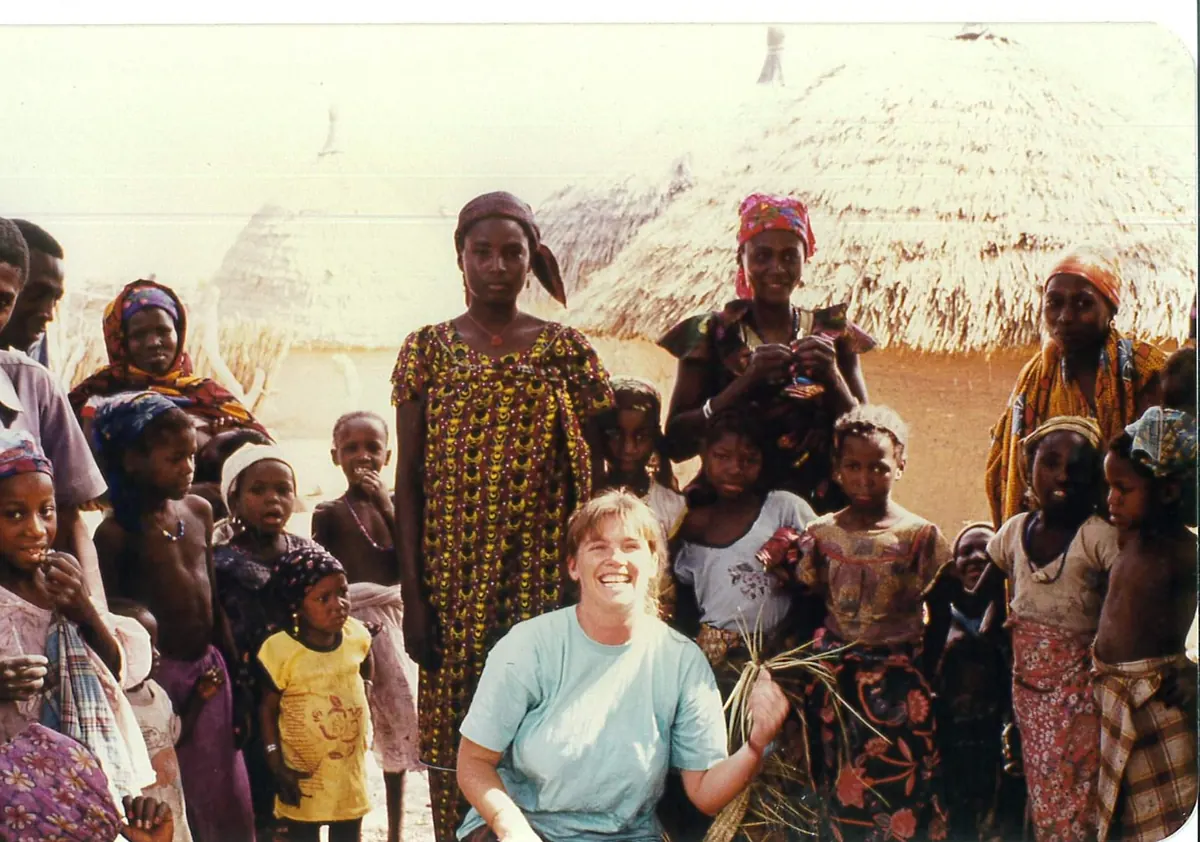
A young woman in a light t-shirt kneels among a group of women and children outside thatched-roof homes.
Moira in one of the early savings-group villages in Niger, in the model's first years. Photo: Moira Eknes/CARE

The tontine gave Moira and the women a starting point, not a finished model. What became the VSLA took shape one village, one conversation, one adjustment at a time. Women formed small groups, met regularly, and set rules themselves.

“Little by little, we came into a form that really worked,” Moira says.

Some of the model’s most enduring features weren’t planned at all. One of the group treasurers, responsible for holding the collected savings between meetings, told Moira that people kept showing up at her house at night, pressuring her to hand over money. Sometimes it was the village chief. Sometimes it was her own husband.

“I thought, oh gosh, of course!” Moira tells us. She asked the treasurer, “What if you had a box with three padlocks, and you didn’t have the key to any of them? Would that help?”

The treasurer thought it might. A local blacksmith was hired to make the boxes.

That simple fix, that no single person was able to reach the group’s savings alone, became one of the model’s signature safeguards. Savings groups around the world still use it today.

It’s a fitting symbol for the whole story. The answer wasn’t handed down. It came from a woman naming a problem, and another willing to listen, think it over, and ask, “Would this help?”

A model that travels

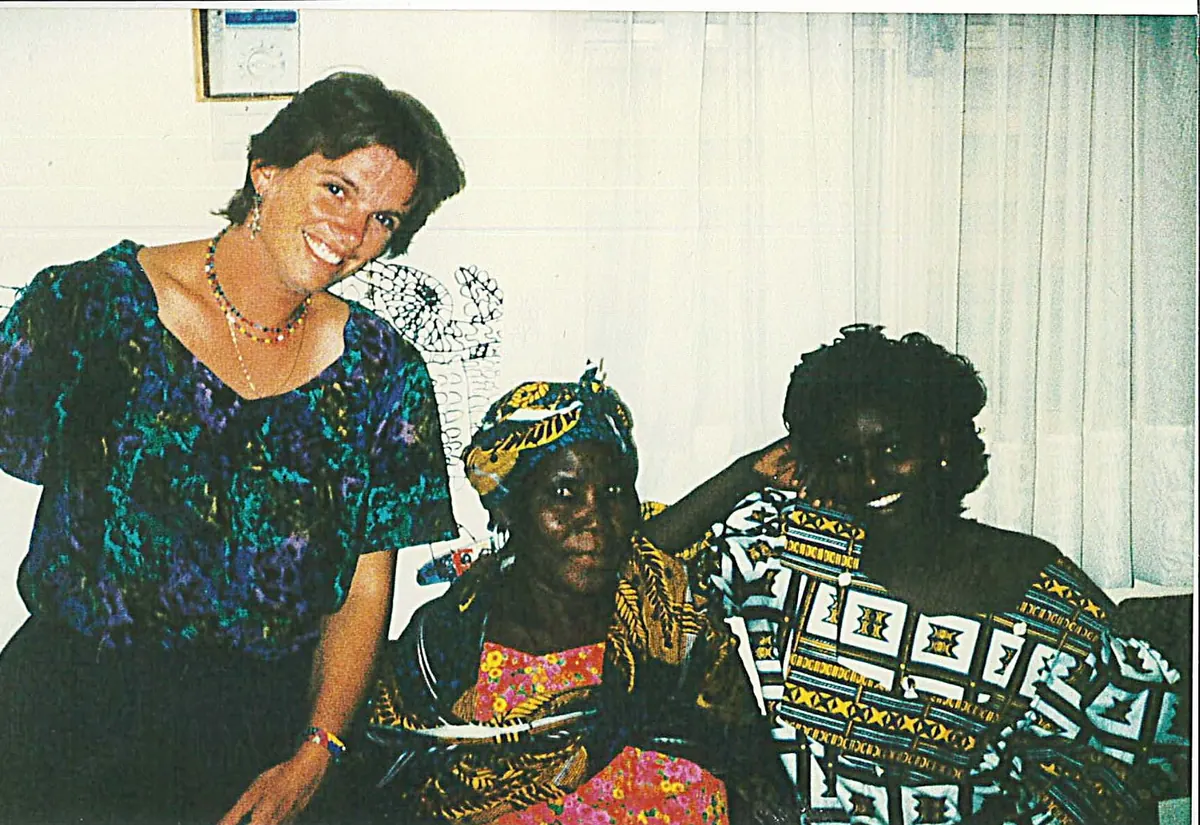
Three women sit together indoors; a woman in a patterned dress is in the middle, flanked by a younger woman and Moira, all smiling.
Moira, at her office in Maradi, with the woman who walked 15 kilometers to ask CARE to bring the savings-group model to her village, and Habsatou (right), one of the second group of village agents Moira recruited. Photo: Moira Eknes/CARE

The VSLA model didn’t spread because Moira or CARE decided to scale it. It spread because women who heard about it wanted in.

Moira remembers a village chief who passed by a meeting in a neighboring community, saw the women gathered, and told them to come start one in his village too. Another time, a woman walked 15 kilometers to CARE’s office to ask that the program come to hers.

“I didn’t really think it was going to be relevant for women elsewhere,” she says. “But they were very interested.”

Even after Moira had moved on from her work in Niger, the pattern held.

A teacher in the capital of Niamey had been trying, without success, to organize women in her neighborhood around shared concerns. Visiting a nearby village, she stumbled onto a savings-group meeting and asked what was happening. When they told her about the savings groups, she wanted to know more. Told that CARE had helped start the process, the teacher went to the CARE office, asked for a training guide, and then disappeared for several months.

When she came back, she had news.

“‘You better come and see them,’ Moira remembers the teacher saying, ‘because I can show you it works!'”

She had already started six savings groups on her own. CARE began supporting those groups, and others that followed in the capital.

Again and again, the model spread this way because communities made it their own. It required no outside capital, a principle Moira held to even when an early evaluation recommended adding an external credit line.

“The women were so clear: this is our money, this is our project,” she says. “I didn’t want to take that away.”

That sense of ownership, she believes, is why VSLAs outlast the individual CARE programs built around them. The model traveled because it never stopped belonging to the people who used it.

“It’s their project,” she says. “They’re self-selecting. They set the rules; they run the operations. That ownership doesn’t go away when [CARE] goes away.”

What the numbers don’t capture

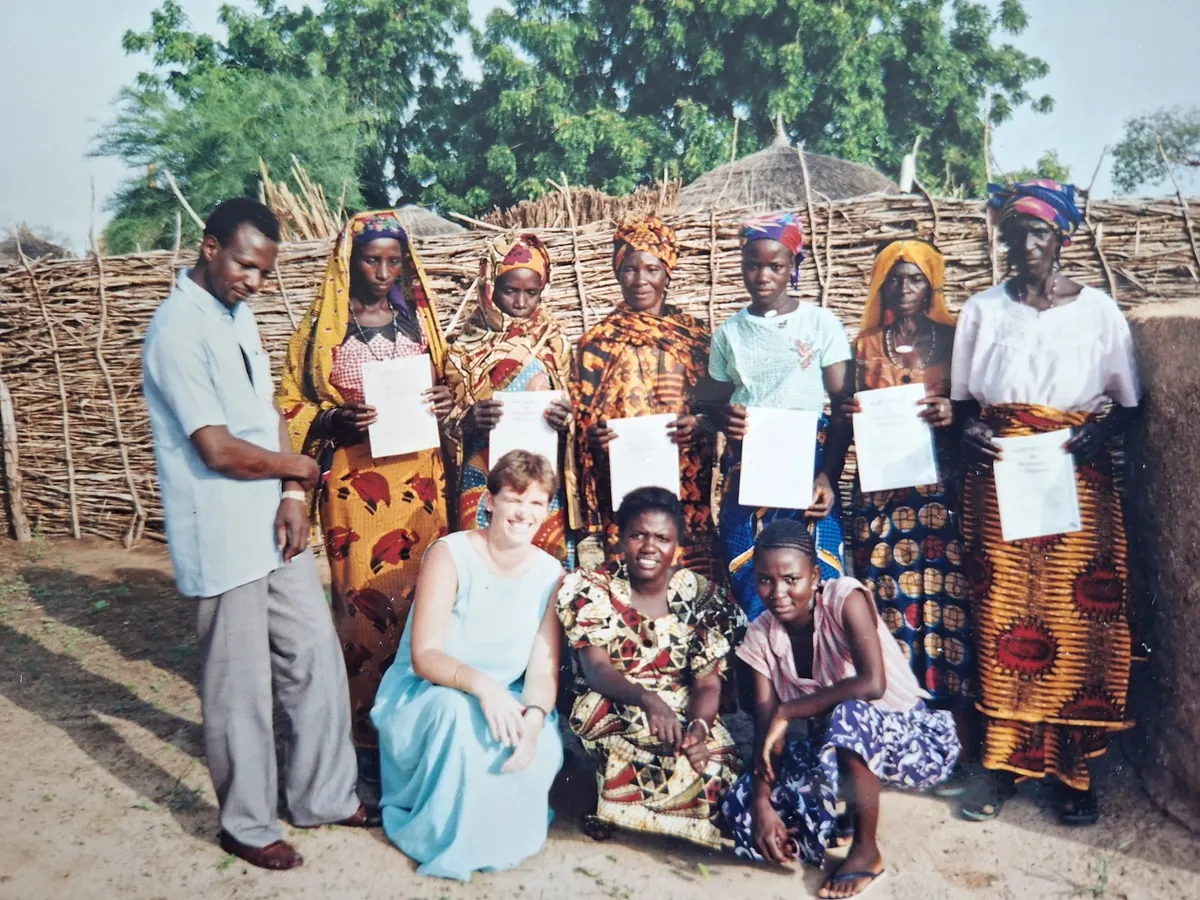
A group stands in front of a woven fence, several women holding certificates, with Moira and two colleagues kneeling in front.
Women from CARE's first six savings-group villages receive diplomas after completing training on managing basic emergency medical kits for their communities, taught by a local pharmacist in Maradi. Moira is joined by village agents Rahila Mamane and Saratou Djadi. Photo: courtesy of Moira Eknes/CARE

Ask Moira for a favorite memory, and she won’t reach for a report or a statistic. She’ll tell you about a woman whose husband fell from a tree and broke his arm, far from the nearest clinic. As a member of a local VSLA, the woman was able to draw an emergency loan from the group’s savings to pay for his transport and treatment.

“That really meant a lot to her,” Moira says. “And the man was grateful to his wife for having saved his arm.”

She’ll tell you about women who bought oxen, traditionally the property of men, for their own farm work. About others who, through the leadership experience VSLAs gave them, went on to serve on community councils, and eventually in parliament.

Moira is just as candid about the limits of what a project like this can fix.

On a return visit to Niger years later, a woman who’d built a thriving business through her savings group proudly showed Moira the dowry chest she’d prepared for her daughter’s wedding: pots, pans, household goods, all paid for with money she’d earned. Then the daughter appeared. She was fifteen.

“I was about to cry,” Moira says. “The work is not done. Social norms, girls’ education… it’s so important to address all that, too.”

It’s the kind of complexity that rarely survives in an impact report, and it’s exactly what Moira wishes could be captured more often, not just the income gains, but the full, complicated texture of what changes and what doesn’t.

“I would love if we could capture everything these women are able to solve, all the ideas they come up with,” she says. “Each project has a specific goal, so you’re only counting what contributes to that goal, but that makes it hard to see the unintended consequences. The positive ones, too.”

Listening, then and now

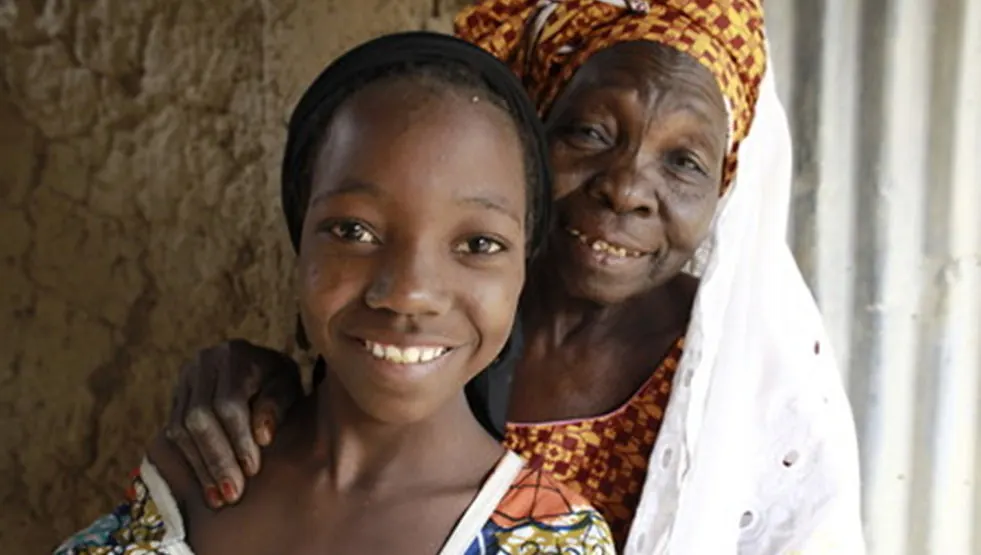
An older woman in a headscarf smiles with her arm around a teenage girl, standing against a mud wall.
Tchima, 25 years after the previous photo, was photographed again when CARE USA's CEO Michelle Nunn visited Niger for the country program's anniversary. Photo: Josh Estey/CARE

Moira is careful about how she places herself in this story.

The savings groups CARE now supports in nearly 67 countries trace back to a tradition women in Niger were already practicing. The innovations that followed, including the Community-Based Trainer model that let community members start new groups on their own and sped the whole approach’s growth, came after Moira had moved on to other assignments. Colleagues, partners, and the members themselves built what came next.

“They’ve taught me that it’s important to listen,” Moira says of the women she’s worked alongside for more than three decades. “It’s important to not think you have the solution for everything.”

That lesson still shapes CARE’s work today.

Through the Women Respond initiative, teams check in regularly with savings-group members living through crisis and conflict to understand what they actually need, rather than assume it.

The VSLA in Emergencies approach adapts the model for displaced and crisis-affected communities without losing the local ownership that makes it work. As members identify new opportunities, some groups choose to connect with formal financial institutions or digital tools that help them grow further and access more funding, and governments in Uganda, Niger, Rwanda, Vietnam, and elsewhere have begun recognizing savings groups in national policy, opening doors without asking groups to give up what makes them work.

For Moira, that lesson hasn’t changed. Listening came first. The model followed.

As she prepares to retire after more than three decades with CARE, she says what she’ll miss most isn’t the work itself, but the people.

“I’m extremely grateful for having been in that lucky position to experience this,” she says. “I like to sit in the shade of a tree and talk.”

It is, in its way, the whole model in miniature: sit down, listen, and see what grows.

VSLAs change lives.

Discover how CARE's savings-group model is helping millions of people build financial security, strengthen communities, and prepare for future challenges around the world.

Learn more.
Back to Top