Venezuela Refugee Crisis

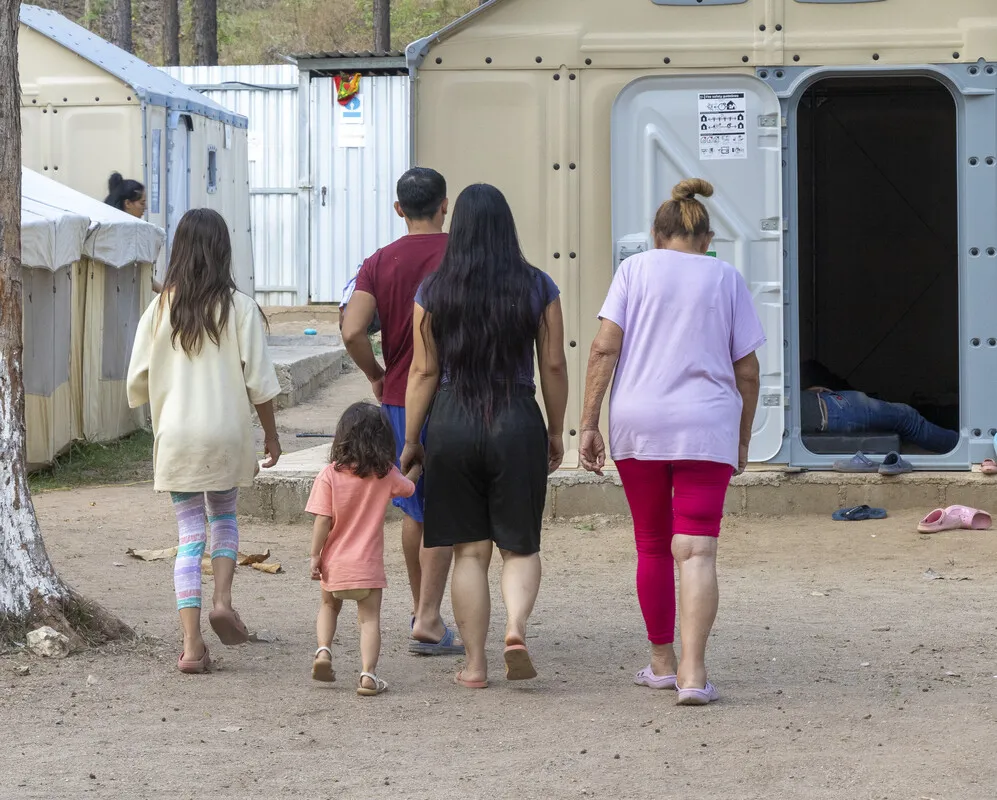
A family walks together through a makeshift shelter in Honduras.

Photo: Laura Noel/CARE

Current emergencies

Venezuela faces an unprecedented socioeconomic and political crisis lasting over 15 years, with hyperinflation, hunger, disease, crime, and rising mortality driving mass emigration.

About the Venezuela crisis

At least 7.7 million Venezuelans have fled, seeking refuge in Latin America and the Caribbean — the region’s largest exodus in a century. Another 7.6 million remain in-country, requiring humanitarian assistance.

Most refugees have relocated to nearby countries, with Colombia, Peru, and Ecuador hosting the most. Currently, over 2.8 million Venezuelans live in Colombia. The mass exodus overwhelms the country’s healthcare systems, education services, and more. It has also sparked rising xenophobia. Colombia already grapples with a prolonged armed conflict and ranks as one of the hemisphere’s most unequal nations. Refugee influx is projected to grow.

In contrast, Ecuador and Peru have sharply limited refugee entries, heightening Venezuelans’ vulnerability to abuse, violence, and trafficking. These policies also limit access to health care, education, food security, and protection. In 2019, Ecuador imposed a visa requirement for Venezuelans. Peru followed suit in 2024.
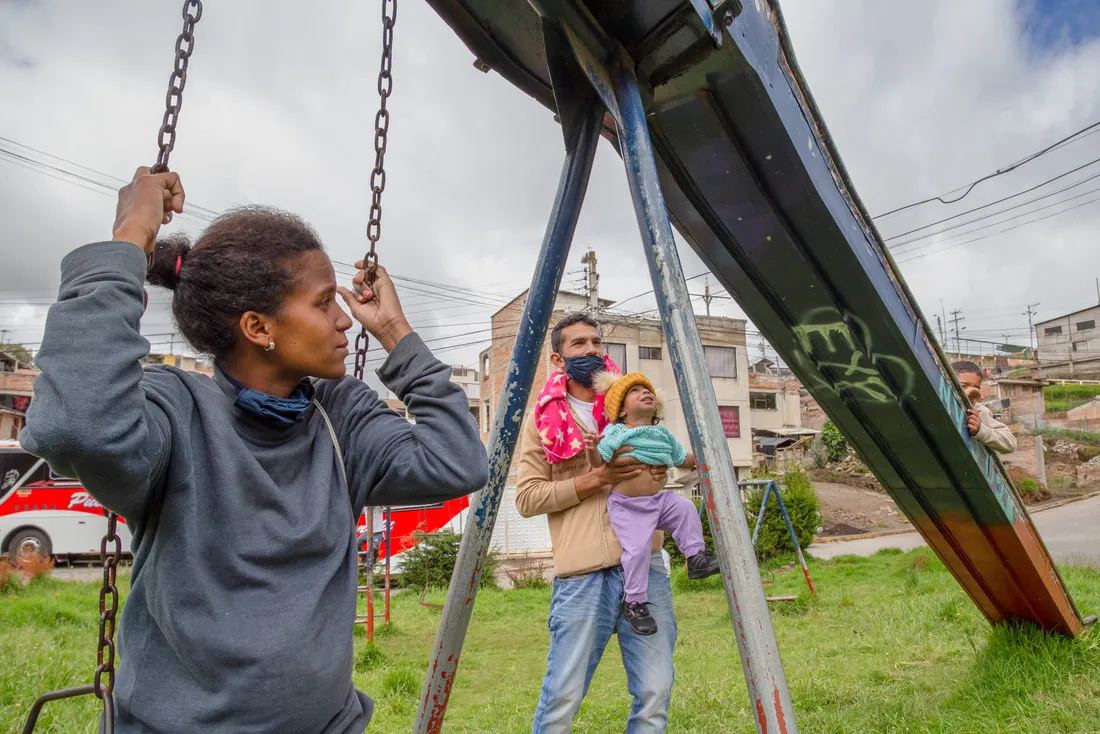
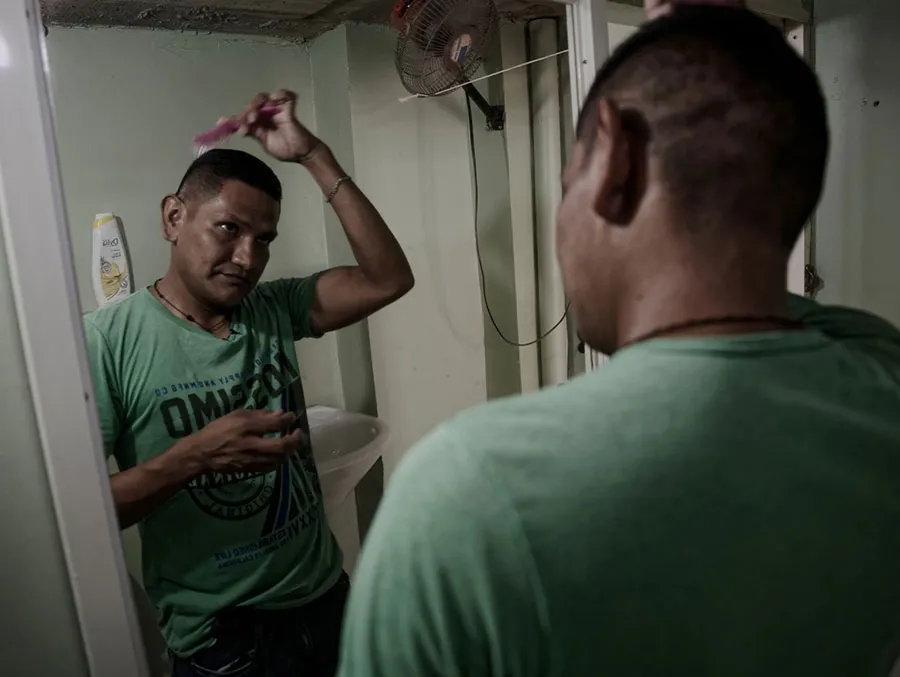
Yannete, 25, was several months pregnant when she fled violence in Venezuela after surviving multiple gunshot wounds. She now resides in Tulcán, Ecuador, with her husband and children. Photo: Leonardo Salas/CARE

Venezuelan women and children bear the brunt within and beyond borders

The crisis in Venezuela has forced thousands of children into a state of severe malnutrition, putting them at risk of dying, while many individuals are contracting diseases that were previously eradicated, such as measles. Moreover, teenage children seeking refuge in churches in the capital city of Caracas have recounted harrowing stories of being forced by their parents into sex work to support the family.

Spiraling poverty levels has affected Venezuelans, especially women and children, both inside and outside country. Many women have already turned to sex work in Venezuela and neighboring countries as a means of survival. The trafficking of women for sex and forced labor is on the rise across the region. Women’s often-illegal status in neighboring countries, along with the high number traveling alone, significantly heightens their risk for sexual violence, exploitation, and abuse.

What CARE is doing to help Venezuelan refugees

In 2018, CARE began scaling up operations across Latin America to address the growing needs in the region. In Ecuador, Colombia, and southern Venezuela, CARE provides at-risk populations with cash vouchers for food and accommodation. CARE also provides humanitarian transportation and mobile SIM cards. Additionally, CARE offers kits for women that include sanitary products, diapers, soap, toothbrushes, and other essential items. CARE also organizes awareness-raising activities around violence against women and girls.

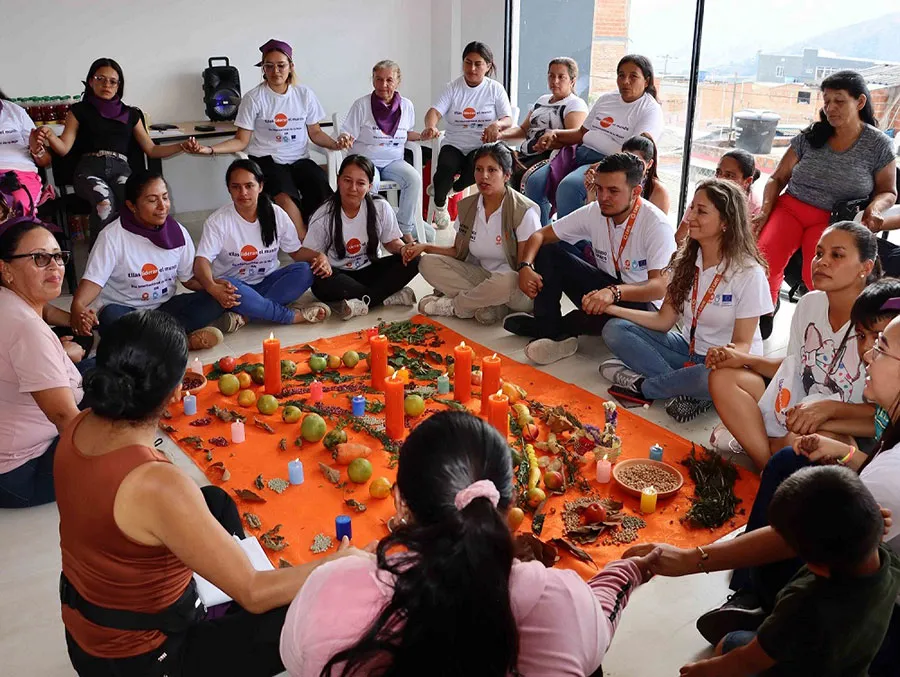
One of the safe spaces for women and girls where they can feel both physically and emotionally secure and access support services. Photo: Liliana Arevalo/CARE
Juan, 31, walked alone to Ecuador with just a backpack, seeking medicine for a terminal illness that was unavailable in Venezuela. He now lives in a rented apartment in Huaquillas with support from CARE. Photo: Luis Herrera/CARE

In Colombia, CARE focuses on protection, health, and early recovery. This includes providing cash for protection, humanitarian transportation, legal and psychosocial counseling, and strengthening institutional and community protection systems. CARE also offers reproductive health services, particularly for pregnant women who have never had access to prenatal support. Additionally, CARE supports women’s entrepreneurship to reinforce their livelihoods.

In Peru, where more than 1.54 million Venezuelans have sought refuge, CARE provides food and cash assistance and refurbishes shelters and health clinics.

In Venezuela, CARE collaborates with local partners to enhance the humanitarian response for women and girls.

CARE also aims to work with the governments of host countries for refugees on longer-term integration needs. These needs include education, health services, access to social protection, legal advice, and entrepreneurial opportunities for Venezuelans.

*Last updated November 2024