A Grandmother’s Mission to Provide: Case Study, Nigeria, July 2021
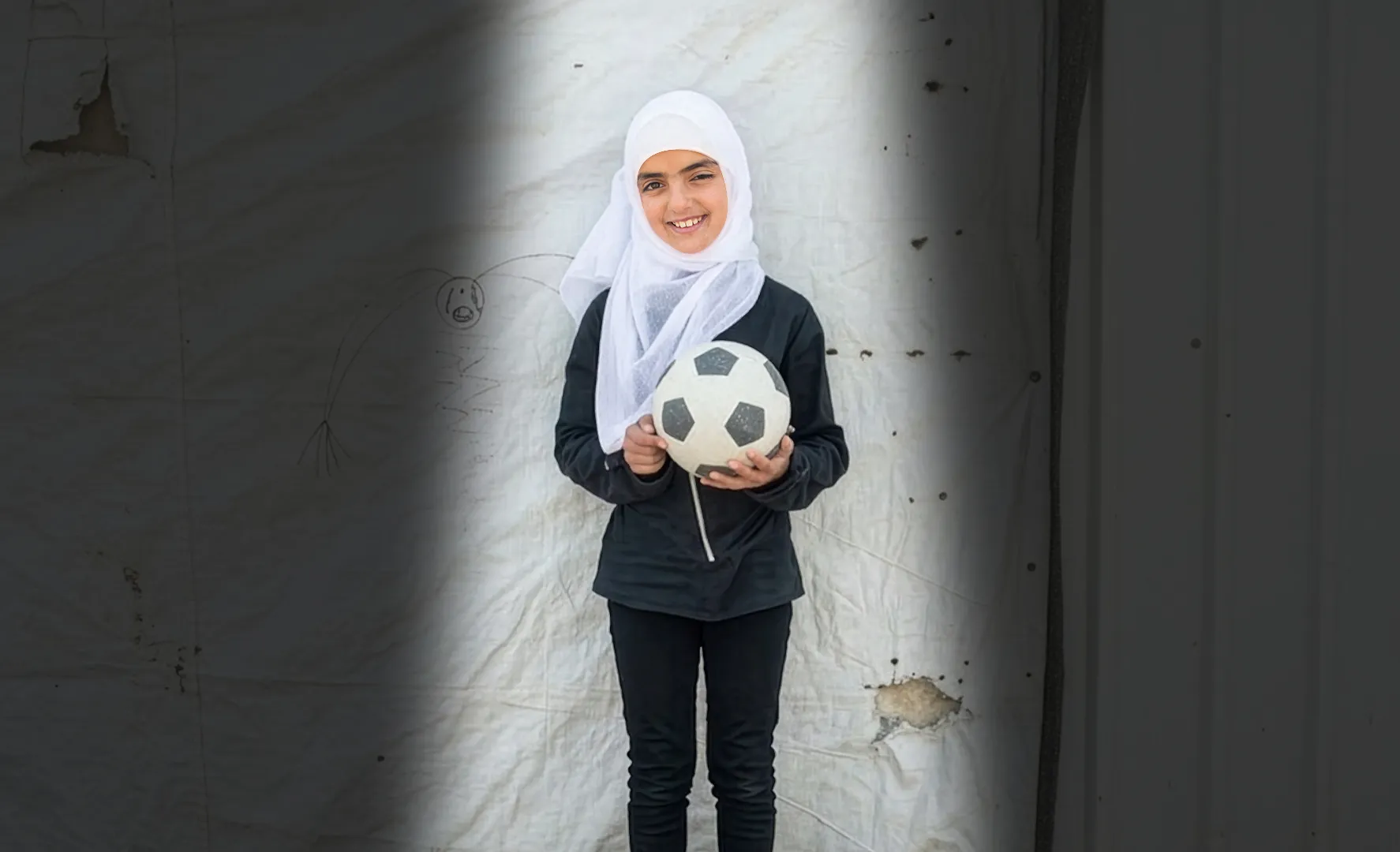
Since COVID-19, CARE has undertaken concerted efforts to listen to women and girls and learn the impacts of the pandemic on women's lives, their greatest needs, and how they are responding. A segment of women and girls CARE engaged in these conversations have been members of VSLAs. This case study features the story of 65-year-old VSLA treasurer Fati Musa from North-Eastern Nigeria. Fati was interviewed in April 2021 as part of CARE's Women Respond initiative.
Related Reports
Women (in VSLAs) Respond Report: What women told us in 2025
This report shares the voices of VSLA members in seven countries, who told us compounding crises are leaving them hungrier, poorer, and less resilient than before. Despite this, once again, women tell us they are stepping up, supporting each other, and leading the response in their families and communities.
Building Financial Resilience Against Digital Risk
Digital access without protection isn't inclusion. For a woman running a micro or small business, going digital is a growth strategy. A mobile wallet lets her track high volumes of transactions. Social media reaches customers her storefront never could. Digital access to her bank account keeps her money safe. But the same activity that drives her growth also expands her exposure. Every new channel is another way for a scam to reach her.
From Evaluation to Action: Locally Financed Water Funds in Ecuador
CARE, CARE France, and CARE Ecuador are excited to share the results of an ex-post evaluation of the Pedro Moncayo Water Fund, a conservation financing mechanism established in 2019 that protects, conserves, and restores freshwater ecosystems used by 200,000 people for drinking water and livelihoods in Ecuador.