Atlanta, Ga., October 30, 2025 — Hurricane Melissa, one of the most powerful Atlantic storms in recorded history, has left a trail of devastation across the Caribbean. It made landfall in Jamaica on Tuesday as a Category 5 storm, before tearing through Cuba (as a major hurricane) on Wednesday. Haiti also experienced severe impacts of the storm that, after moving across central and southeast Bahamas, is making its way towards Bermuda.
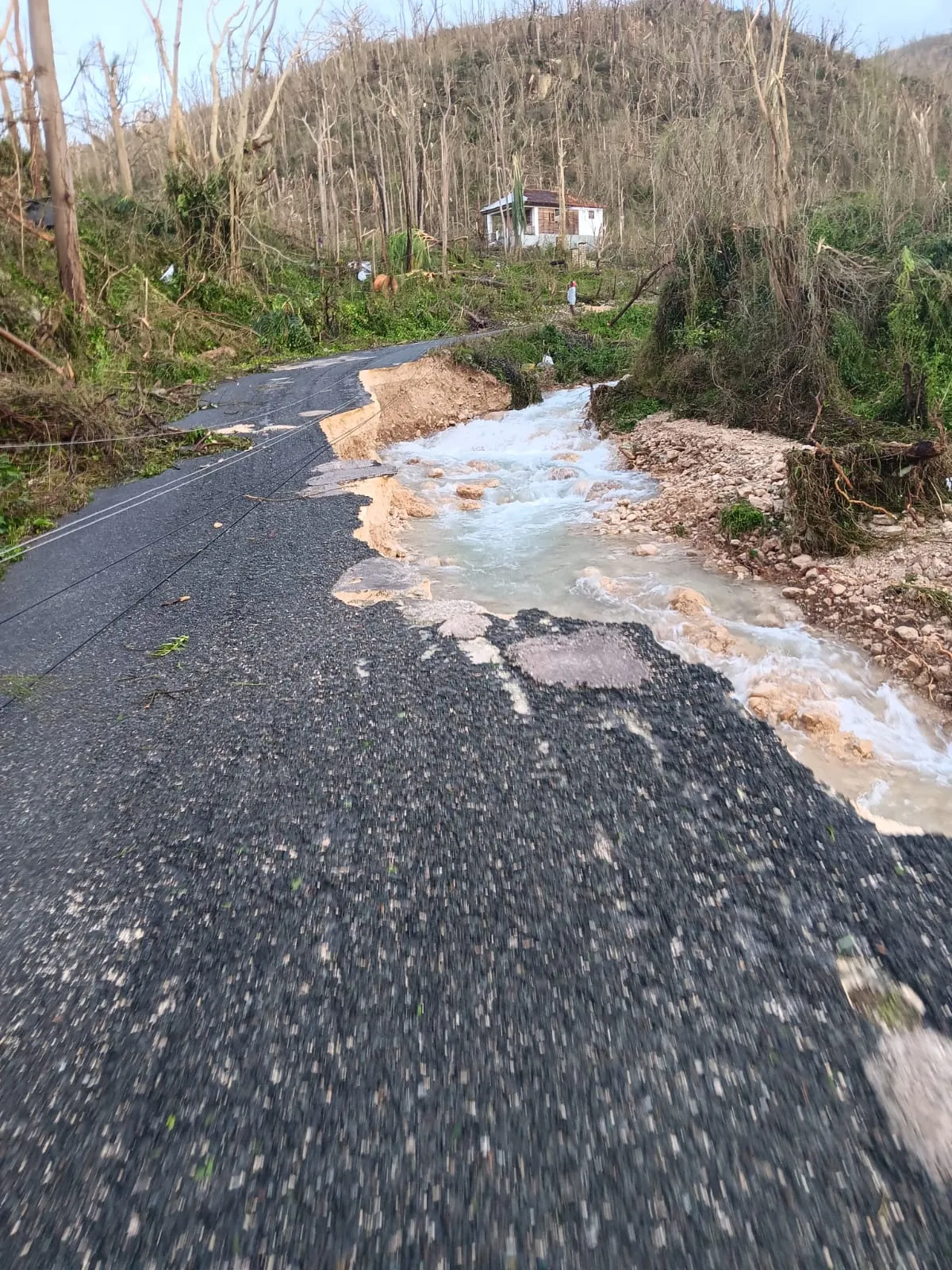
Melissa produced 185 mph (295 kph) maximum sustained winds at landfall, and rain measured in feet – triggering flash flooding and landslides. To date, dozens have lost their lives as a result of the storm, including at least 28 who died in southern Haiti on Wednesday due to severe flooding. The storm has impacted millions, though the full extent and scope of the storm damage remain unknown.
“We are starting to get a better sense of the devastation brought on by Hurricane Melissa,” says Michelle Nunn, President and CEO of CARE. “Our thoughts are with those in Jamaica, Haiti, Cuba, and other parts of the Caribbean who have lost loved ones, property and their livelihoods. In critical moments like these, CARE is there, working tirelessly alongside partners to provide support and comfort to the most vulnerable.
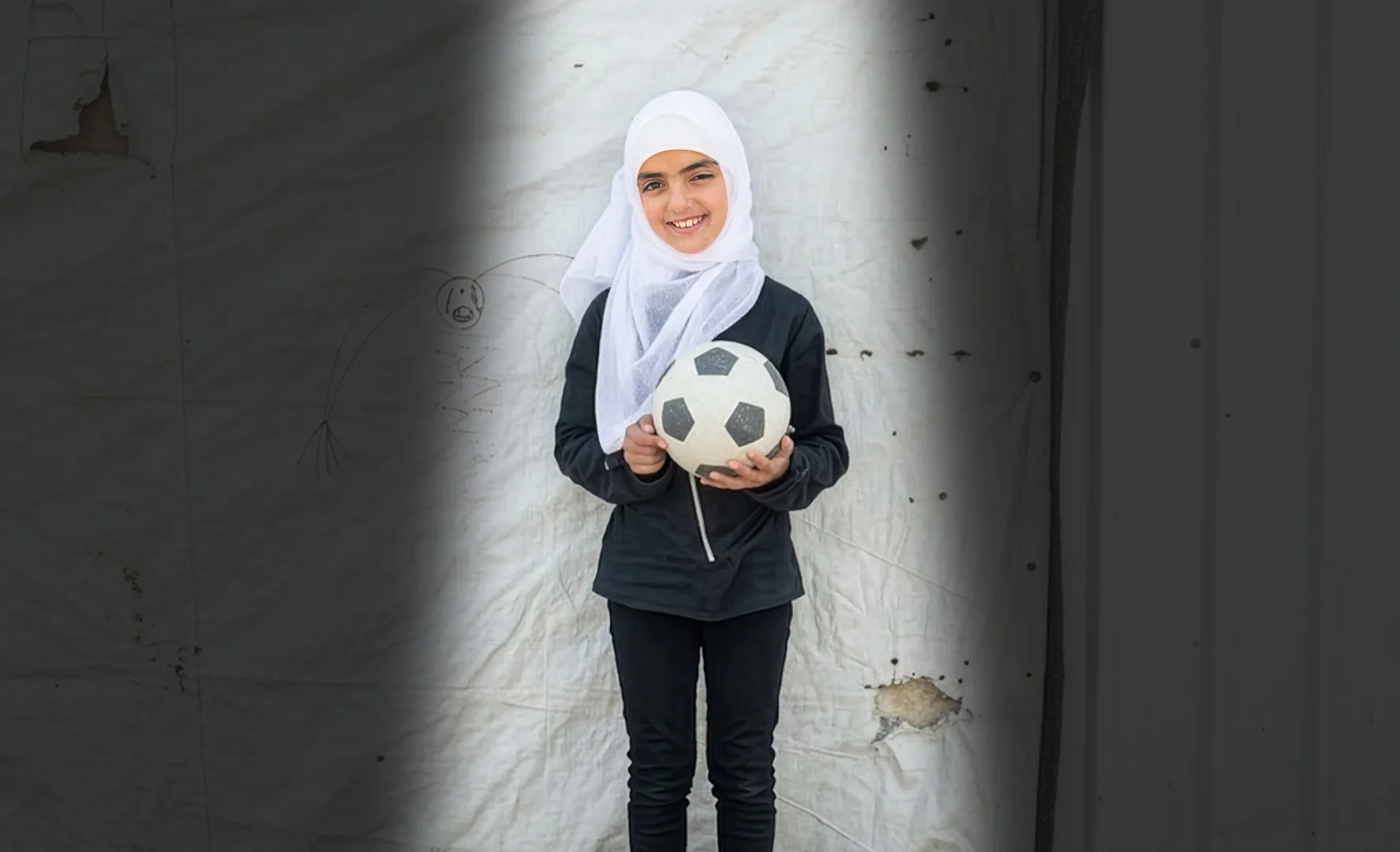
CARE’s response to the storm places a special focus on women and girls.
How has Hurricane Melissa affected Caribbean countries?
Jamaica
Hurricane Melissa made landfall on Jamaica’s southwest coast near the town of New Hope, leaving widespread destruction in its wake.
In Jamaica, CARE partners with the Jamaica Network of Rural Women Producers (JNRWP), a local non-governmental organization that advocates for and supports rural women working in agriculture and agro-business across the country.
“The devastation wrought by Hurricane Melissa is catastrophic for Jamaica’s rural women. Our urgent post-storm outreach reveals a grim reality: the majority of our connected members have lost their homes and their livelihoods. Our immediate priority is mobilizing critical resources and coordinating with local agencies to address the fundamental issues of shelter, food security, and clean water,” said Tamisha Lee, President of the JNRWP.
With CARE’s support, prior to landfall JNRWP distributed essential supplies — including tarps, chargers, flashlights, and first-aid kits — to families across the island. The organization is now assessing damage and urgent needs, and continuing supply distributions. Through their partnership with CARE, they will also provide cash assistance, to help their network of rural women meet basic needs and put in place livelihood recovery efforts to restore income sources.
CARE works in Jamaica through the Caribbean Humanitarian Partnership Platform (CHPP), a coalition of lifesaving, locally led, and women-centered organizations working across 13 countries. In 2024, CARE worked closely with JNRWP and the CHPP following Hurricane Beryl. As part of their response, JNRWP and CARE provided funding that allowed members to enroll in an insurance program designed to provide rapid financial support after disasters.
Speaking about this 2024 initiative that is now helping those hit hard by Melissa, Tamisha Lee said: “This foresight is now a lifeline. We are working to expedite the disbursement of these funds to provide immediate economic relief that will jumpstart recovery.” She added: “The JNRWP Network is committed to ensuring these women can not only recover but continue to serve as the economic backbone of their communities. We are not simply documenting loss; we are mobilizing to rebuild the essential infrastructure of women’s entrepreneurship and family stability. The strength of our network lies in our collective action, and we urge the international community to partner with us to ensure that this generation of rural Jamaican women is not left behind.”
Cuba
Hurricane Melissa made landfall in eastern Cuba early Wednesday morning in the municipality of Guamá, roughly 50 km from Santiago de Cuba, as a powerful Category 4 storm. The hurricane battered provinces that are still recovering from last year’s back-to-back hurricanes, bringing torrential rain and flash floods that damaged homes, farms, and infrastructure.
As the storm moved across the provinces of Santiago de Cuba, Granma, Holguín, and Guantánamo, it weakened to a Category 2 but continued to cause widespread damage. Cuban authorities evacuated more than 600,000 people as a precaution.
“The Cuban people have been living with hardship for a long time,” said Valerio Granello, CARE’s Country Director in Cuba. “They are resilient, but repeated climate catastrophes take a heavy toll. Homes, schools, and health facilities were still damaged from last year’s storms, and now, with ongoing power outages, rising cost of food, and outbreaks of dengue, Hurricane Melissa adds yet another layer of struggle.”
CARE Cuba is coordinating with national authorities and local partners to assess needs and determine how best to support affected communities. Building on its experience responding to natural disasters, CARE will deliver emergency relief tailored to the most urgent needs once conditions permit.
Haiti
In Haiti, heavy rains and flooding from Hurricane Melissa have devastated communities already grappling with hunger, displacement, and insecurity. The country’s Grande-Anse, Sud, and Ouest Departments were among the hardest hit. Many of these places are regions where families had previously fled to escape escalating violence in Port-au-Prince.
Preliminary reports indicate that more than 30 people have lost their lives, with homes, roads, and crops destroyed across multiple regions. The storm also threatens to deepen Haiti’s worsening hunger crisis: according to the Integrated Food Security Phase Classification (IPC), more than half the population is experiencing acute hunger.
CARE’s teams — based in Port-au-Prince, Grand’Anse, Artibonite, North, and Northwest Departments — are assessing the damage and coordinating with local authorities and partners to determine the most urgent needs and immediate response.
“Yesterday’s tragic news of at least 28 deaths in the town of Petit-Goâve is heartbreaking. Haiti is a very vulnerable country on many different levels, which has made the impacts of Melissa even worse. Beyond the tragic loss of life and property, crops have been wiped out in areas already facing severe food insecurity. We are also seeing high risks of contaminated water, which could trigger the spread of infectious diseases such as cholera,” said Martin Dickler, CARE’s Country Director in Haiti.
The Bahamas
In The Bahamas, where authorities evacuated residents from southeast Bahamas to New Providence in advance of landfall, CARE is also working through the Caribbean Humanitarian Partnership Platform to coordinate preparedness and response activities with local partners.
To support CARE’s relief efforts in the Caribbean, please visit care.org/melissa.
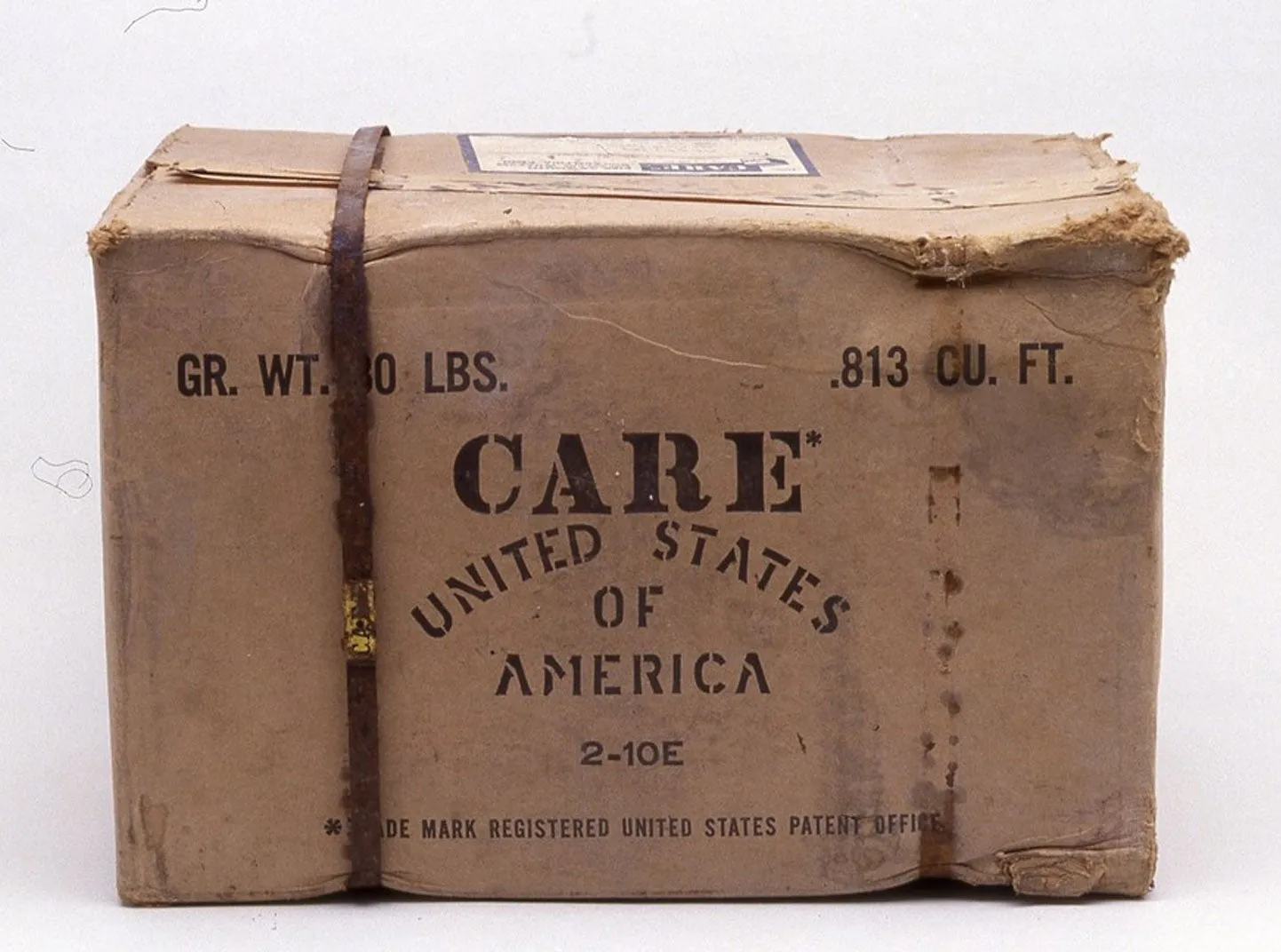
About CARE: Founded in 1945 with the creation of the CARE PACKAGE®, CARE is a leading humanitarian organization fighting global poverty. CARE places special focus on working alongside women and girls. Equipped with the proper resources, women and girls have the power to lift whole families and entire communities out of poverty. In 2024, CARE worked in 121 countries, reaching 53 million people through 1,450 projects.
For media inquiries, please email usa.media@care.org