
Manila, Philippines, 5 November, 2025 – CARE Philippines has activated its emergency teams in Cebu, Negros Occidental, and Eastern Samar to help communities affected by Typhoon Tino (Kalmaegi). This last storm has hit areas that were already coping with the aftermath of other recent emergencies.
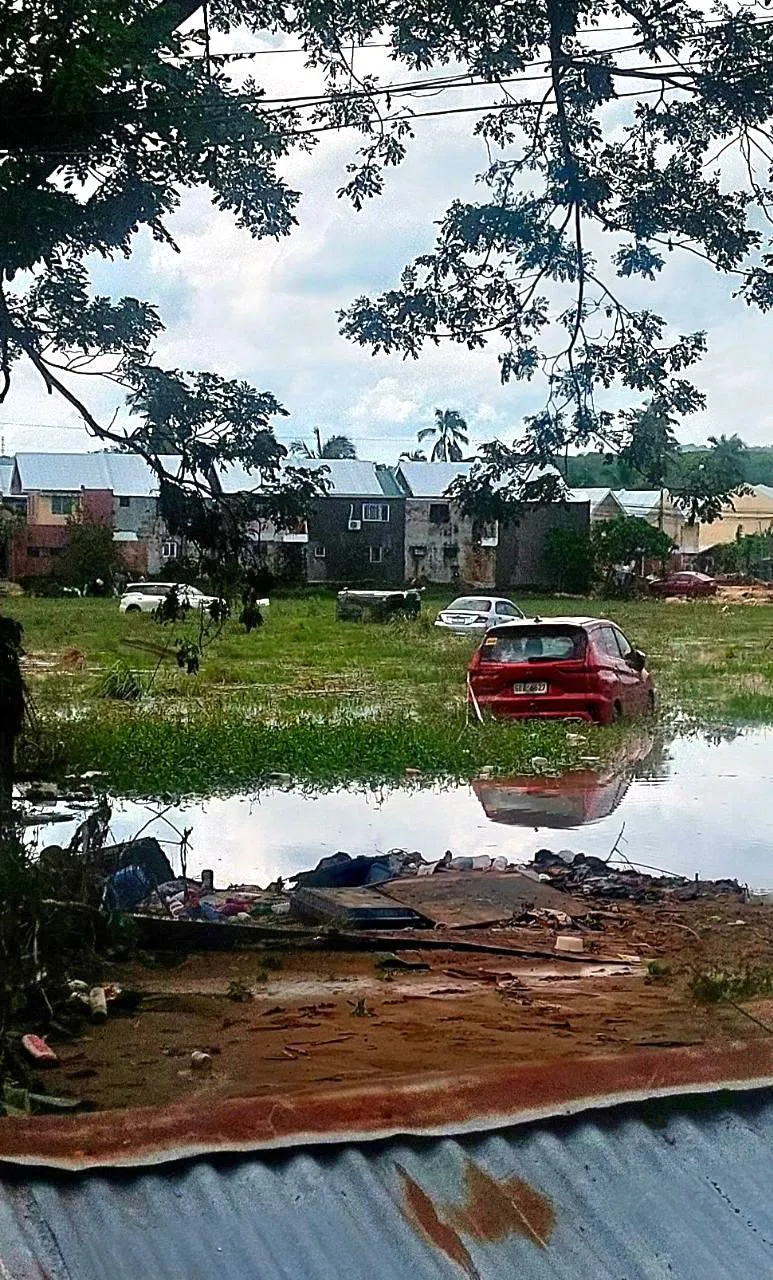
The typhoon, which made five landfalls across the Visayas, has affected more than 1.1 million people and displaced close to 600,000 as of November 5. The National Disaster Risk Reduction and Management Council (NDRRMC) has also reported 52 people dead and 13 missing. In response to the extensive damage, a state of emergency has been declared in 53 cities and municipalities in Cebu.
“Women and girls are once again carrying the weight of overlapping crises,” said Reiza S. Dejito, Country Director of CARE Philippines. “In Northern Cebu, families who lost their homes in the September earthquake are displaced again. Our recent assessment there showed that women were already under extreme stress, holding their families together while living outdoors in fear of aftershocks. This typhoon now adds a devastating new layer of hardship to their struggle. We are seeing similar compound crises in Eastern Samar, with recurring floods, and in Negros, with the threat of volcanic lahars. Our immediate priority is to find out what people urgently need for shelter, clean water, and food.”
Typhoon Tino passed through several areas already facing emergencies. In Northern Cebu, the storm hit communities still recovering from a 6.9 magnitude earthquake on September 30. In Eastern Samar, it is affecting communities that have already endured recurring floods from recent storms, monsoons, and clashing air masses. In Negros Occidental, heavy rainfall has triggered high-risk warnings from volcanic mudflows from the Kanlaon Volcano.
CARE can respond quickly because it has local offices and partners in these hard-hit areas. The CARE Start Ready project, which was activated before the storm, has also already prepositioned supplies into Eastern Samar. Rapid response teams were activated through the Humanitarian Partnership Platform and the European Union Humanitarian Aid-funded ACCESS Project, both mechanisms are led by CARE and implemented with a consortium of local and international organizations. The teams will conduct a rapid assessment mission to find out what people impacted by this latest storm need most.
Notes to the editors:
- CARE’s emergency response is complicated by multiple other active emergencies: A recent 6.9 magnitude earthquake in Northern Cebu, the eruption of Kanlaon Volcano in Negros Occidental, and the Davao earthquake.
- CARE’s initial response priorities include food, clean water, shelter support, and hygiene kits.
- CARE Philippines has a long history of responding to typhoons, including Super Typhoon Haiyan (Yolanda) in 2013, Super Typhoon Rai (Odette) in 2021 and Super Typhoon Nando (2025)
For media inquiries, please email usa.media@care.org or contact Mary Therese L. Norbe , CARE Philippines Communications Specialist at email: marytherese.norbe@care.org or cell number: +63919 911 7534.