New Ebola outbreak hits DRC and Uganda: What you need to know

By Becca Mountain May 20, 2026

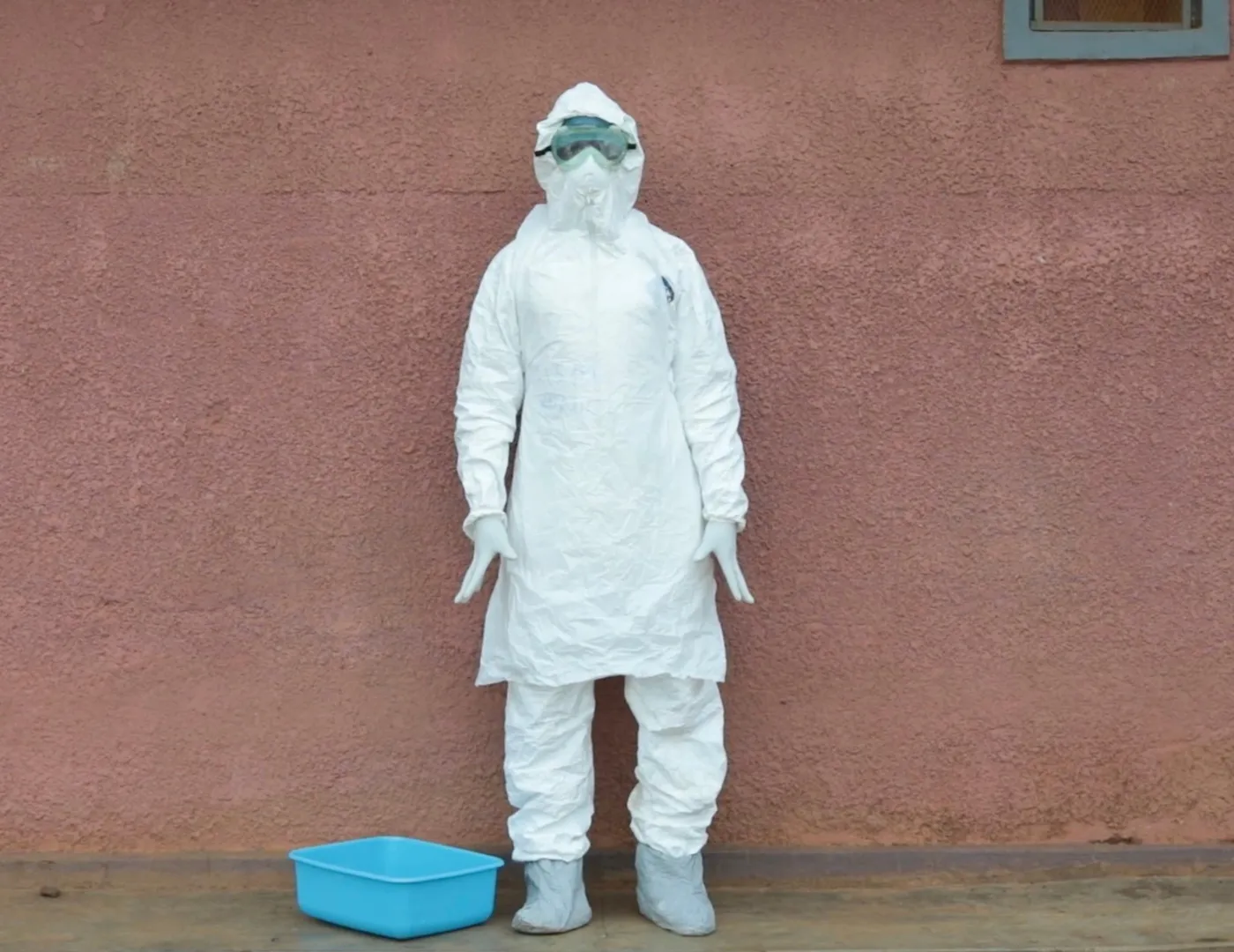
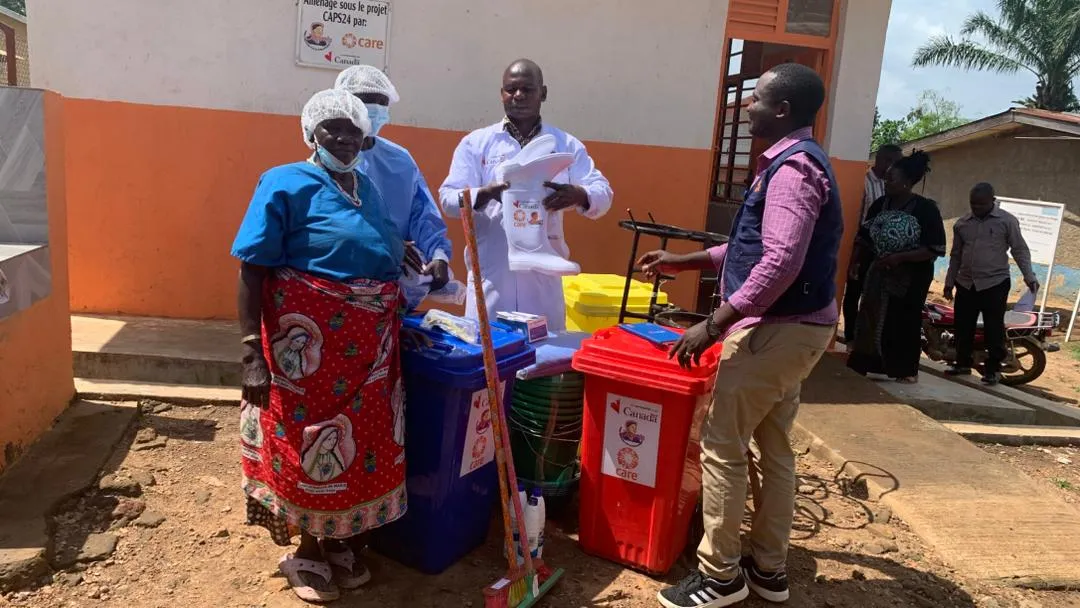
CARE staff dons and distributes Personal Protective Equipment (PPE) in Goma.

The CARE DRC team is distributing Personal Protective Equipment (PPE) and other supplies to support infection prevention measures and protect healthcare workers in the Komanda Health Zone. Photo: Mussa Kachunga Stanis/CARE

Families in the eastern DRC and Uganda are facing a new Ebola outbreak alongside conflict, displacement, hunger, and fragile health systems. CARE and local partners are supporting preparedness efforts, with a focus on sharing trusted information, supporting infection prevention, and addressing the heightened risks facing women and girls.

Be part of what CARE makes possible.

Get stories, updates, and actions you can take to support women and families worldwide.

Subscribe

The Democratic Republic of Congo (DRC) declared its 17th Ebola outbreak on May 15, 2026, after cases were confirmed in Ituri Province. The region is already heavily affected by conflict, displacement, hunger, and limited access to healthcare and other basic services, all of which make it harder to stop the spread of disease.

This outbreak involves the Bundibugyo strain, a type of Ebola for which there is currently no approved vaccine. As of May 19, authorities reported 536 suspected cases, 105 probable cases, 34 confirmed cases, and 134 deaths. However, health experts believe the virus may have been spreading undetected for two to three weeks before the outbreak was officially declared, raising concerns that transmission may be more widespread than current confirmed numbers reflect.

The World Health Organization has classified the outbreak as a Public Health Emergency of International Concern, highlighting the risk of regional spread. Suspected cases have already been reported in Goma, a major transit hub in the DRC, and in Uganda, which shares a busy border with the DRC. People regularly cross between nations for work, family visits, trade, health care, and religious gatherings. While this movement is essential to daily life, it can also increase the risk of diseases spreading across borders.

Humanitarian organizations are concerned that reduced funding across the region is straining already fragile health and water systems at a moment when rapid disease detection, community outreach, hygiene access, and public trust are especially critical.

“We have years of experience of preparing to contain the spread of this killer virus, working alongside local leaders, youth and women’s groups, and community action cells,” said Dr. Amadou Bocoum, CARE country director in the DRC. “But today we have to do it with a lot less funding, supporting a local health system that is close to collapse and trying to prevent the spread in communities whose access to basic services such as clean water has been decimated by donor aid cuts.”
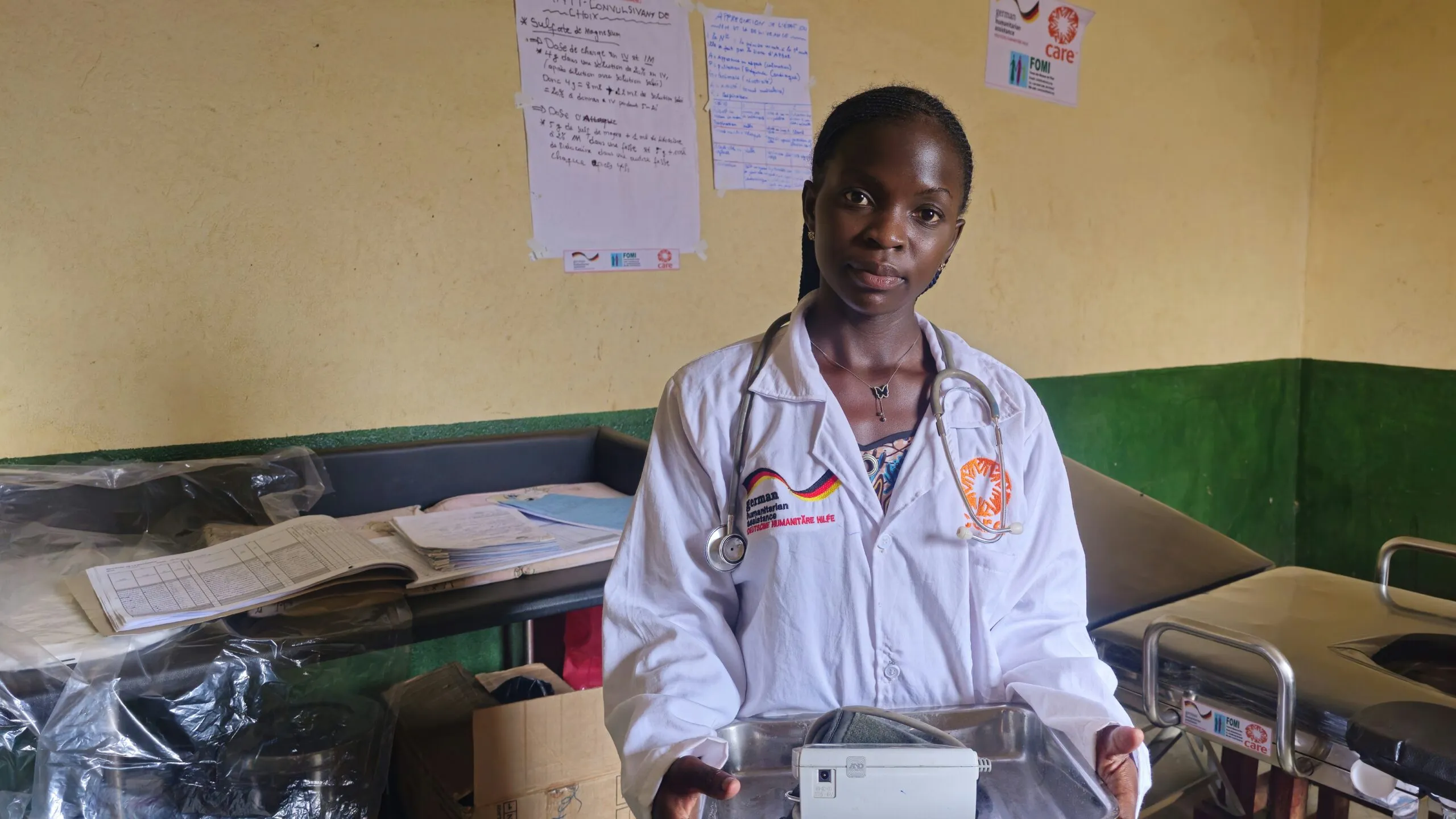
A healthcare professional holds a tray of tools at a clinic in the DRC.
Midwife Sifa usually tends to mothers and babies at the CARE supported clinic in Ituri, the DRC. Most healthcare facilities in the area are now pivoting to focus on preventing the spread of Ebola. Photo: Sarah Easter/CARE.

Ebola is a rare but severe viral illness. It spreads through direct contact with the blood or body fluids of someone who has fallen ill or died from the disease, or through contaminated surfaces and materials. Early symptoms can resemble more common illnesses like the flu, including fever, fatigue, muscle pain, headache, sore throat, abdominal pain, vomiting, and diarrhea — making fast testing and safe care especially important.

For families, Ebola can disrupt every part of daily life. People who become sick need immediate care, but caring for loved ones at home can increase the risk of infection. Survivors may also face fear or stigma when they return to their communities. That is why Ebola response depends not only on medical care, but also on trust: clear, accurate information from people communities know and rely on.

But trust, testing, and timely care all depend on systems that are already under pressure in Uganda and the DRC. Recent humanitarian and global health funding cuts have reduced support for outbreak preparedness, local health systems, medical supplies, sanitation, community outreach, violence prevention, and more. Infectious disease control professionals in East and Central Africa say those cuts have left health facilities with less protective equipment, weaker surveillance capacity, and fewer frontline resources. In crowded displacement settings, delays in testing, referrals, or public information can allow Ebola to spread before families have the support they need.

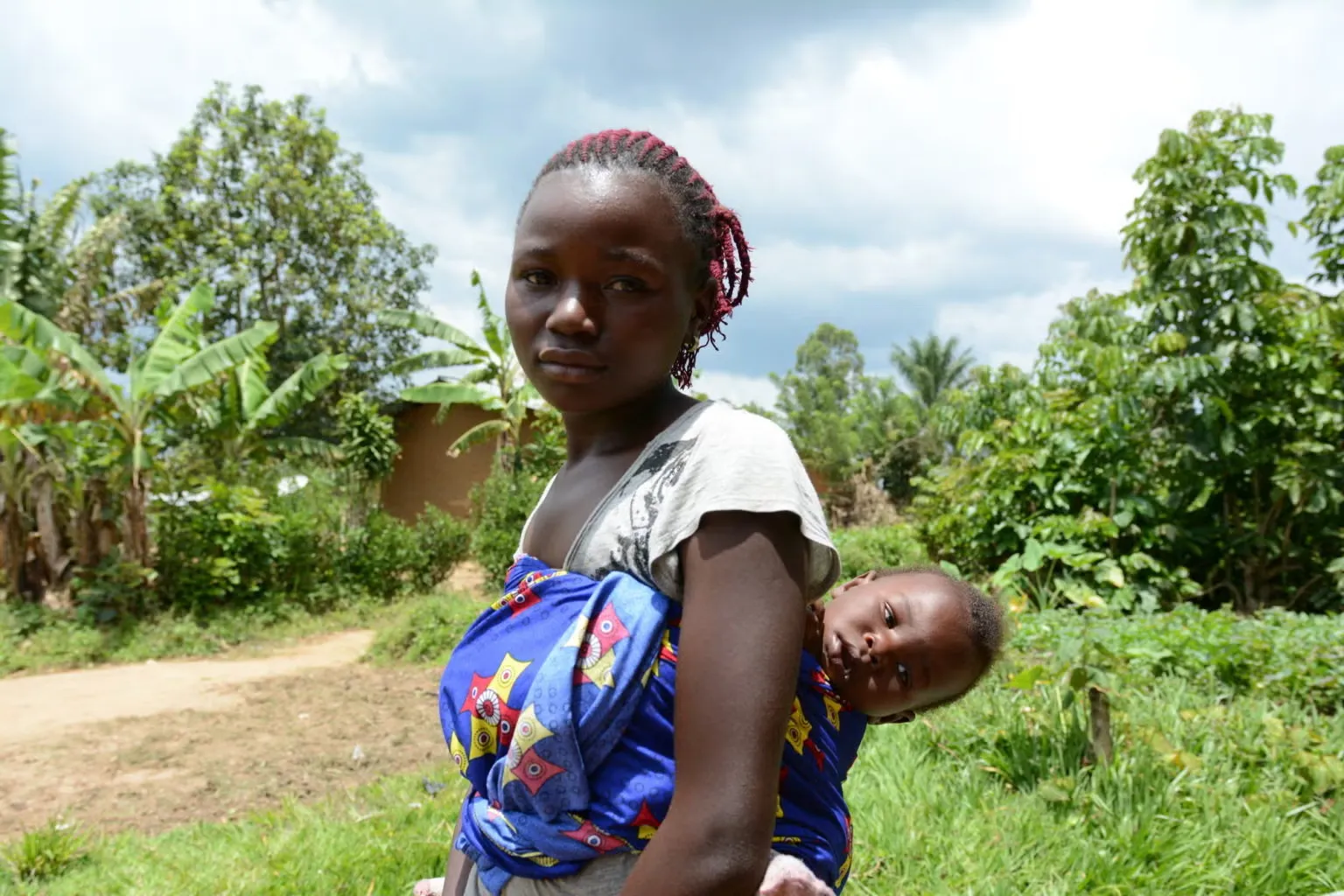
A mother holds a baby outside a home in the DRC during the 2018 Ebola outbreak.
Women like Nadej, a mother of two from the DRC who recovered from Ebola during the 2018 outbreak, are at particular risk during Ebola outbreaks. Photo: Mahmoud Shabeeb/CARE

Women and girls can face greater risks during an Ebola outbreak. During previous Ebola outbreaks in the DRC, women accounted for more than half of confirmed and probable cases. In many households, they are expected to be the primary caregivers for children, older relatives, and family members who are sick.

“As caregivers, women are at heightened risk of exposure to infection,” said Dr. Bocoum. “A combination of their immense needs already going unmet and the spread of this highly infectious virus could be devastating.”

Research in Uganda’s border districts found that women are also more likely to care for sick people at home and participate in burial practices that may increase exposure risk. Disease outbreaks can also disrupt health care, clean water, protection services, and livelihoods. For women and girls, that can mean reduced access to maternal health care, family planning, routine medical support, and services around preventing violence against women and girls — with consequences that can last long after an outbreak is contained. UNFPA has also warned that, in communities already affected by conflict and displacement, the economic effects of disease outbreaks can increase the risk of sexual exploitation and abuse for women and children.

“Thousands of women and their families already struggling to survive hunger, displacement, and violence in the eastern DRC now face, again, the terrifying threat of Ebola,” Dr. Bocoum concluded.

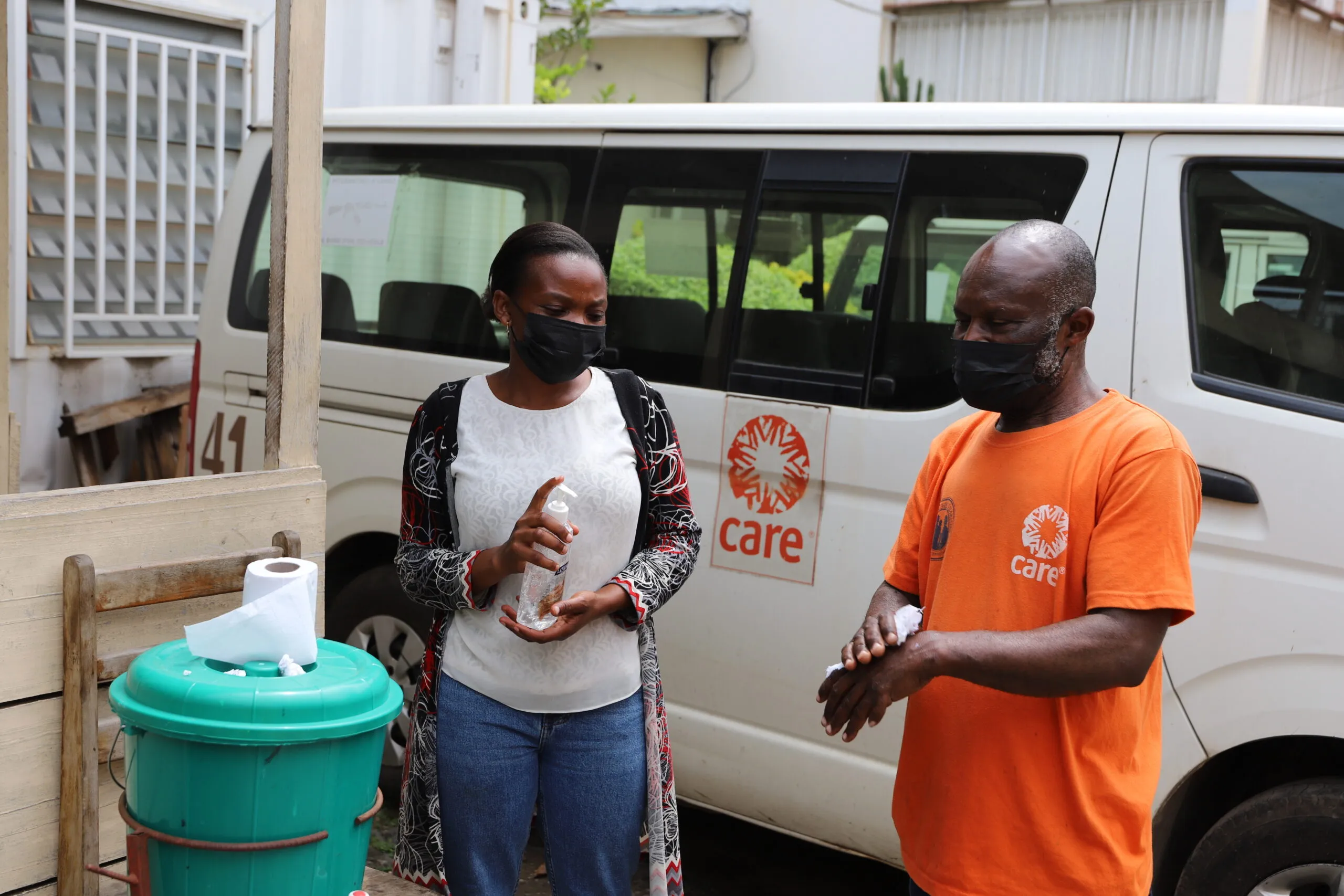
CARE DRC staff members wash their hands at an outdoor hygiene station in Goma.
CARE teams are focused on infection prevention and control, public health awareness, and providing support to national disease control efforts. Photo: Mussa Kachunga Stanis/CARE

CARE has supported previous Ebola responses in the DRC, including during the 2018 outbreak in North Kivu. That outbreak became one of the most complex Ebola responses in the country’s history because it unfolded in an active conflict zone. CARE’s work focused on filling critical gaps in water, sanitation, and hygiene; community engagement and public information campaigns; infection prevention training; and distribution of personal protective equipment for frontline workers. CARE also distributed dignity kits for women and girls containing supplies such as soap, hand sanitizer, sanitary pads, underwear, and other essential items.

Across communities at risk today, CARE’s preparedness work includes sharing accurate health information through trusted local channels, reinforcing good hygiene practices to reduce the spread of illness, supporting health referrals, and working with local partners to help people understand how to protect themselves and when to seek care. In Uganda, CARE is supporting the Ministry of Health’s Ebola preparedness measures, including screening and surveillance at points of entry, rapid response readiness in high-risk districts, isolation planning, infection prevention and control, and public risk communication.

CARE is also mobilizing emergency response efforts targeting between 500,000 and 1 million people in affected and high-risk areas, including Ituri Province, key health zones in North Kivu, and selected urban and cross-border locations. Priority will be given to communities in transmission hotspots, health workers, displaced and mobile populations, and high-risk groups, including women and girls. CARE Uganda will continue monitoring the outbreak, updating staff and partner safety guidance, and adapting field operations as needed. If requested by government authorities or partners, and if additional funding becomes available, CARE is prepared to scale up community-based support in high-risk areas.

Back to Top