The CARE PACKAGE® Reimagined

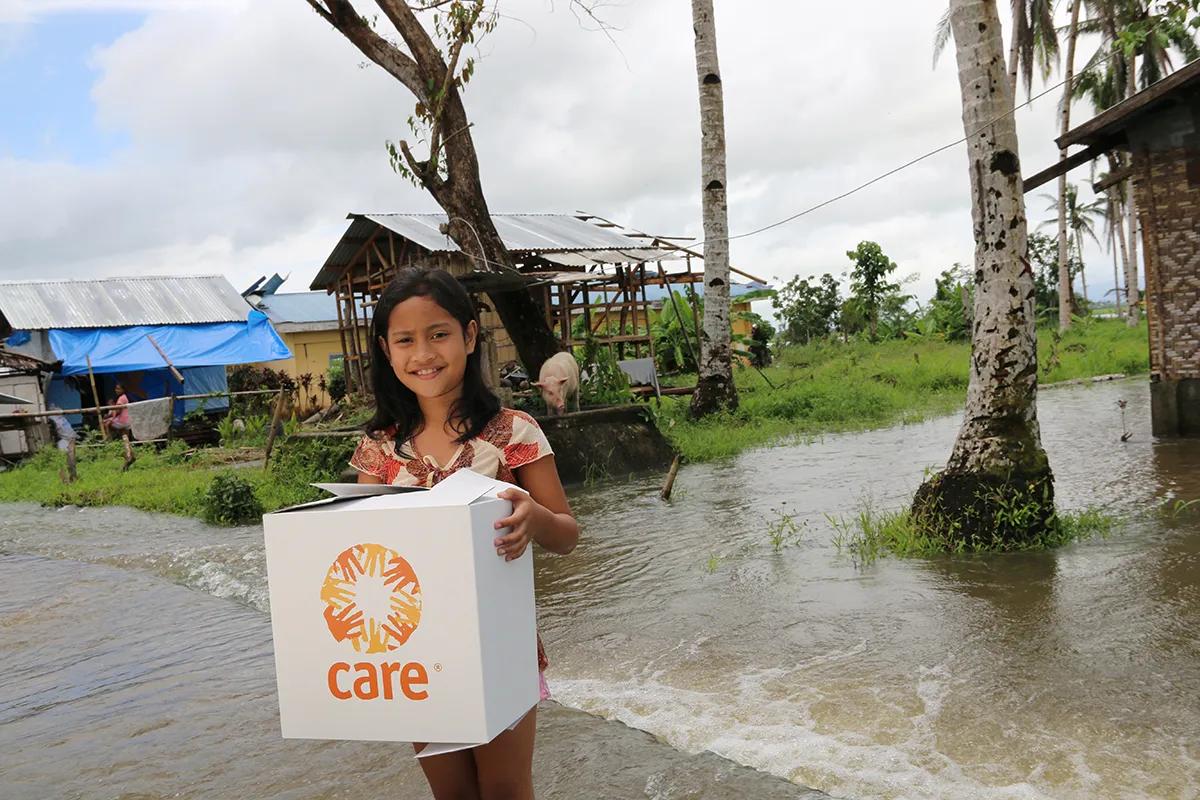
A young girl smiles while holding a CARE PACKAGE near a flooded road.

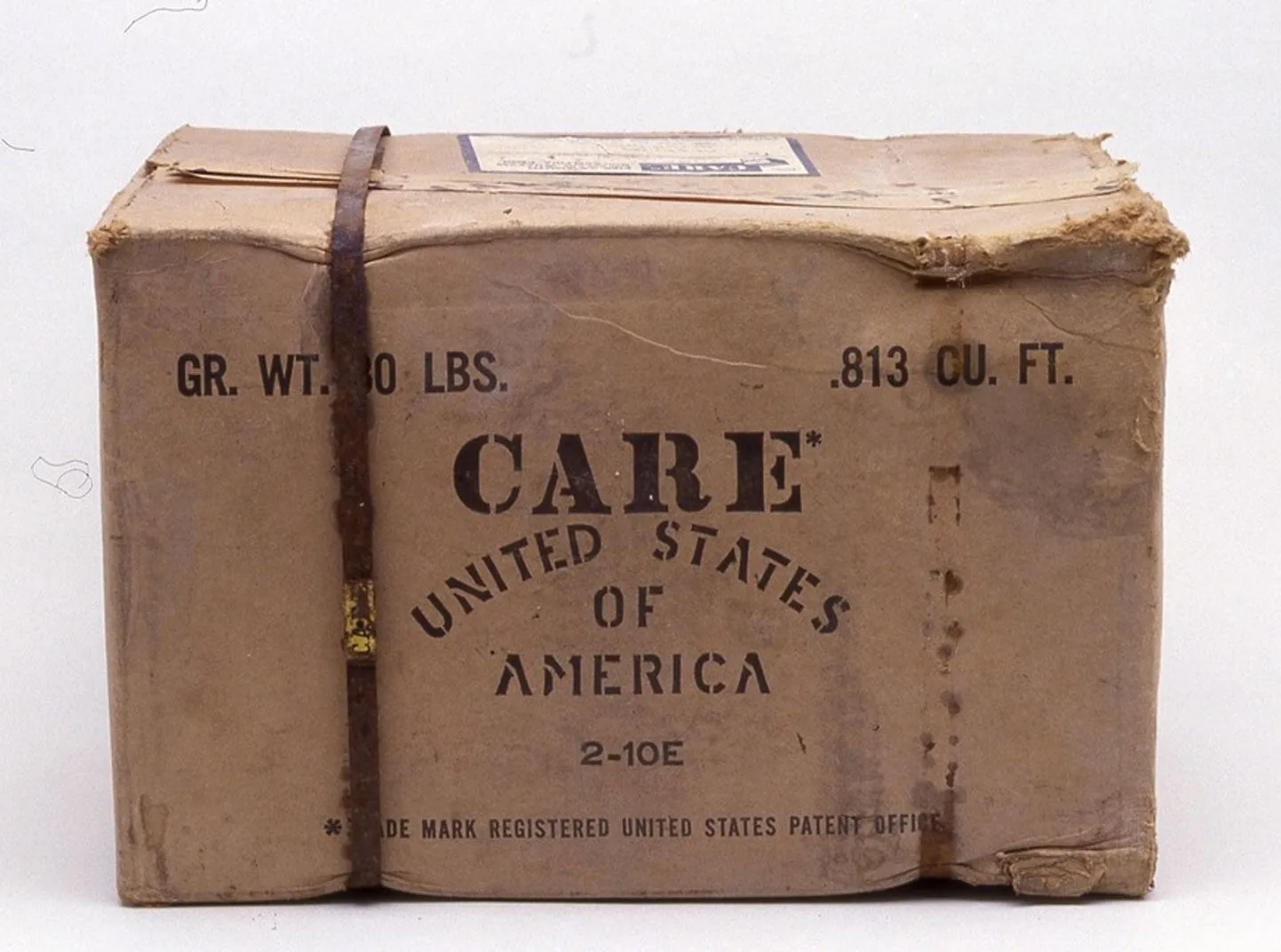
Eighty years ago, a handful of ordinary Americans looked across the Atlantic at a devastated, hungry Europe and decided they would not stand idly by. They came together around a revolutionary idea: we can do something.

What began as small gifts of kindness — a box of food, a bar of chocolate, a gesture of solidarity from a stranger — became an icon of generosity and connection. Within a few years, over 100 million CARE PACKAGE parcels were delivered to families who had nearly lost hope.

As CARE President and CEO Michelle Nunn recently noted on CNN’s Amanpour, that founding impulse carries a particular urgency today. “We face more people in conflict right now than since World War II,” Nunn said, noting that crises persist even as humanitarian aid diminishes. “So, this is truly a moment for CARE, for generosity, and for connection.” That generosity — ordinary people choosing connection over indifference — is precisely what CARE was
founded to do.

For many, the CARE PACKAGE is not just a symbol. It is a memory.

Joe Wernicke was born in Germany in 1947. After the war, his family settled near the Danish border. When Joe was eight, they began receiving CARE PACKAGE deliveries from an American woman named Clara. He still remembers the Hershey’s Kisses tucked inside every parcel — but more than the taste of the chocolate, he remembers what those boxes meant.

“We were standing in the hallway,” he recalled of the first delivery. “And I remember thinking, if I am ever in any sort of position in my life where I can, I am going to give back to CARE.”

Years later, after immigrating to the United States and building a career in medicine and pharmaceuticals, Joe kept that promise. He and his wife, Rose, have supported CARE for more than 40 years, recently pledging $100,000 over four years to sustain CARE’s lifesaving work.

I don't consider giving to CARE an obligation. I consider it an honor and a privilege.

Joe Wernicke

The CARE PACKAGE has evolved. Today’s CARE PACKAGE for Emergencies has been designed for speed, dignity, and scale. Pre-positioned in disaster-prone regions around the world, these advanced kits can help a family of four meet shelter, food, water, and hygiene needs for an entire month. They are lightweight, portable, and customizable, ensuring that assistance reaches those who need it when crisis strikes, not weeks later.

In the United States, CARE PACKAGE parcels provide disaster-affected families with essential supplies including soap, shampoo, toothbrushes, and hygiene items for mothers and young children. In the wake of hurricanes, floods, or wildfires, these kits deliver both immediate relief and an enduring message: you are not alone.

The boxes may look different, but the promise inside is the same.

The CARE PACKAGE has never been just about supplies. Marietta Bala, a longtime CARE supporter, understands that as well as anyone. As an elementary schooler in the late 1940s, she remembers taking home cardboard boxes and a list of items to collect. Families filled the boxes together — parents and children, side by side. When the boxes were sent overseas, other families just like hers opened these boxes to find hope, support, and connection from abroad.

That experience stayed with Marietta. As a college student in the 1950s, she continued sending regular $10 donations to CARE (a meaningful sum on a student’s budget!). It was a quiet continuation of something she had started as a child, something that was meaningful to her. She remains a dedicated CARE donor to this day. Her giving still carries the spirit of that elementary school project and the time spent with her family to care for someone else’s.

The CARE PACKAGE is being reimagined for a new era. It’s faster, smarter, and more responsive to the scale and complexity of today’s crises. But its core truth endures: when ordinary people act with generosity and determination, they can reshape what is possible.

Eighty years ago, a small group stood together and said, we can do something. Today, that invitation still stands.