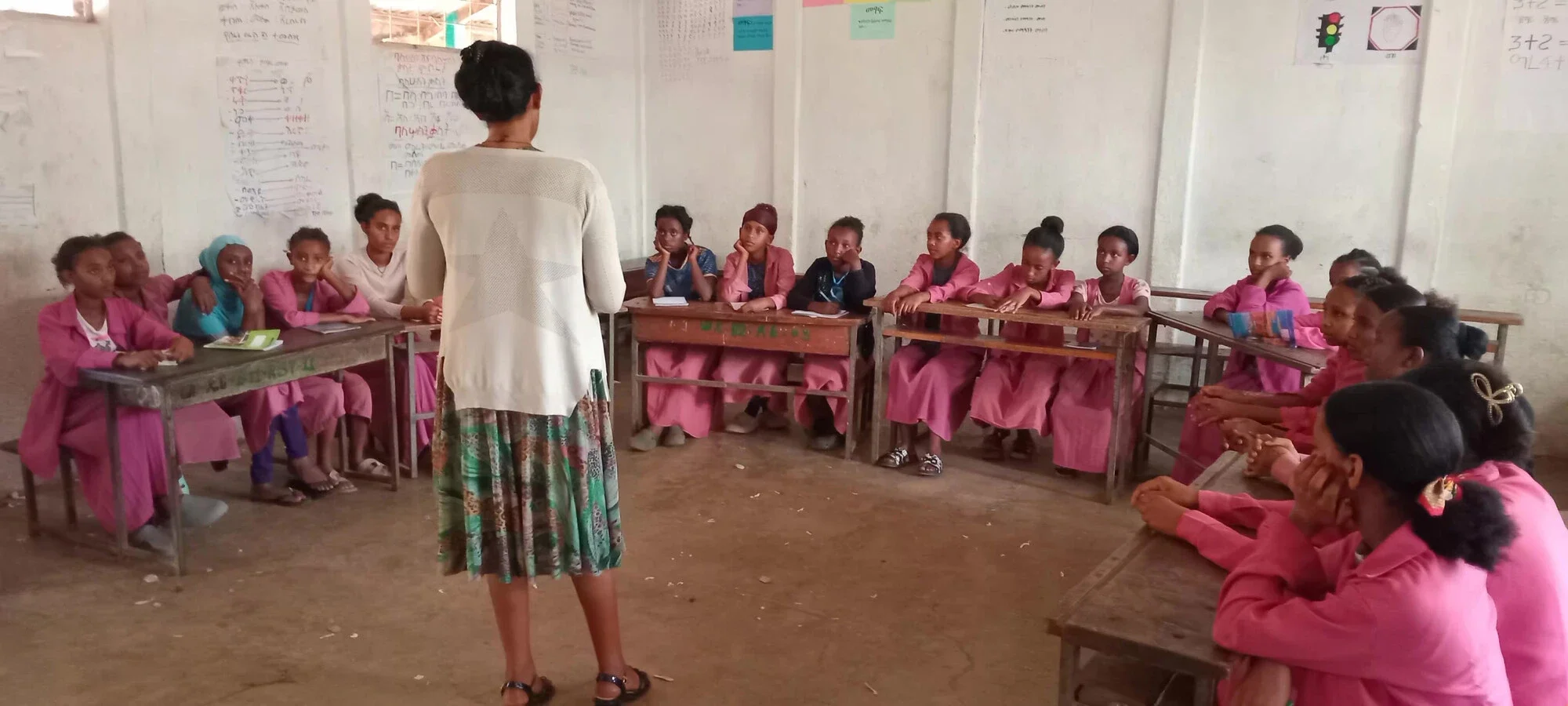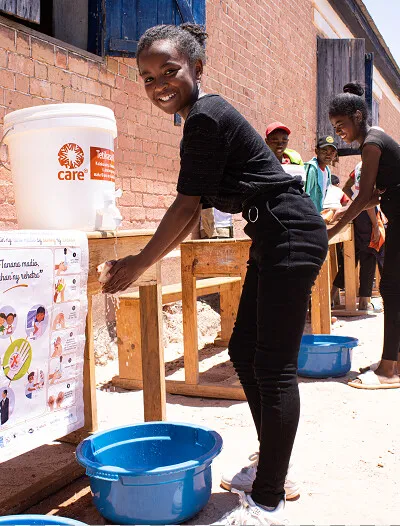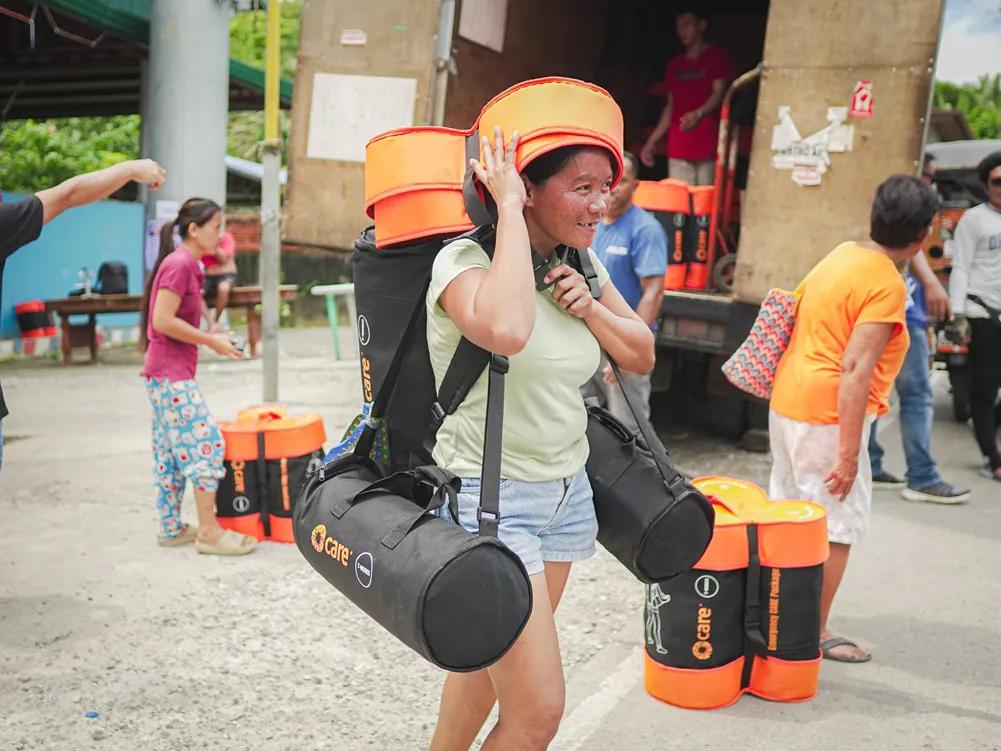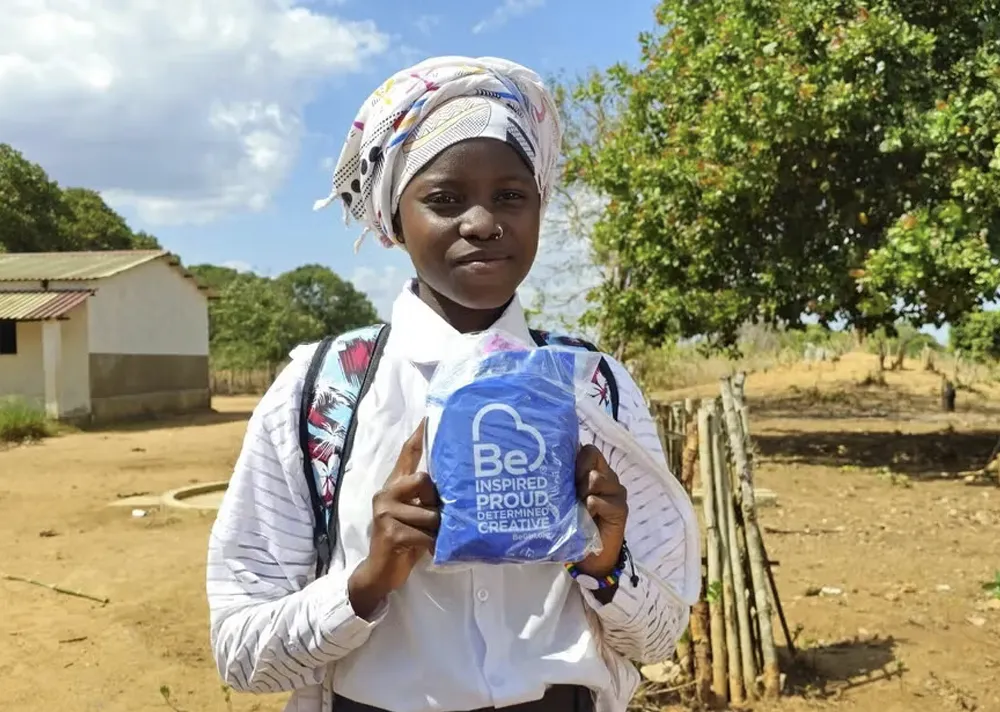
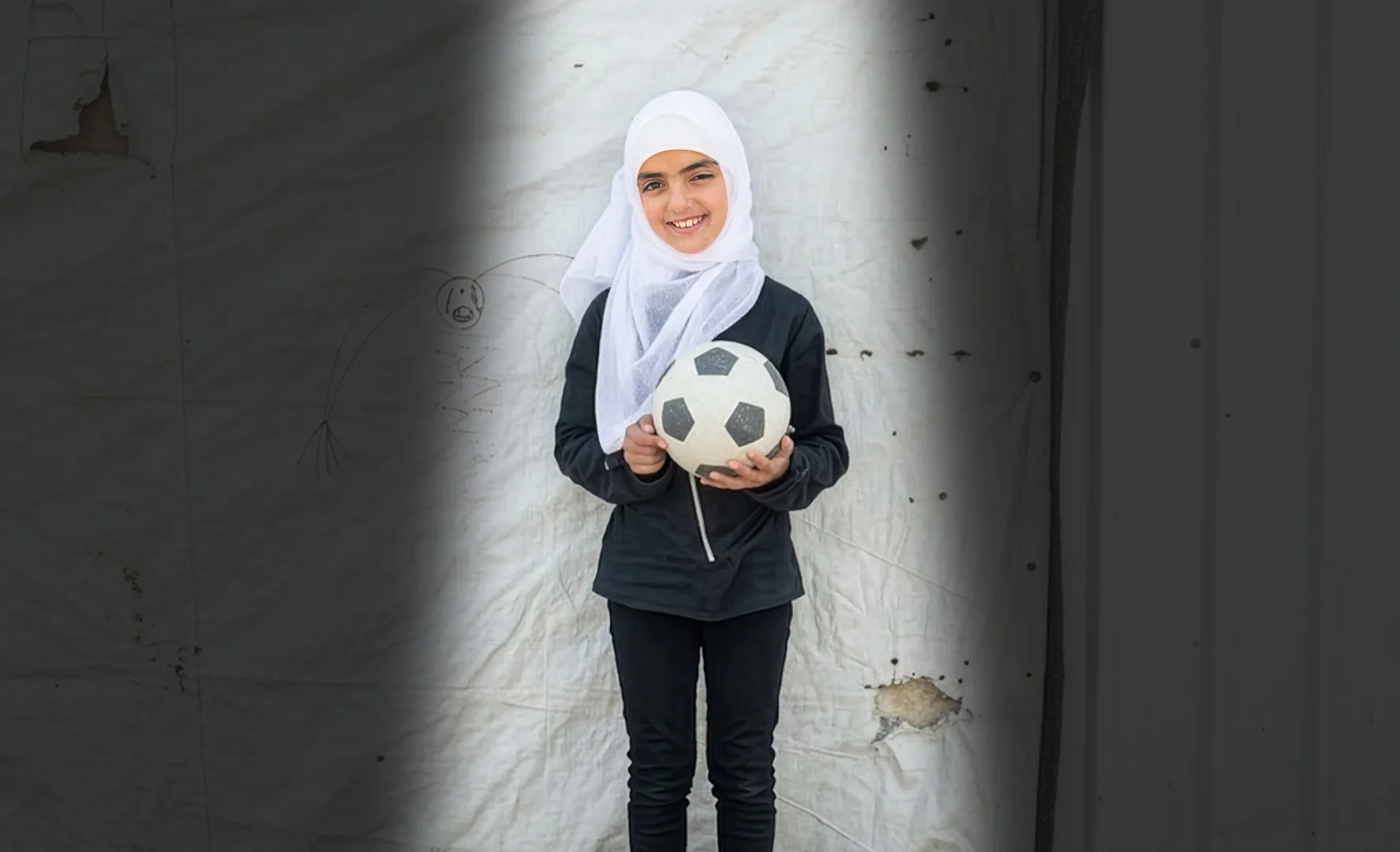
For girls, not being able to manage their periods safely can shape far more than a few days each month. Without reliable access to menstrual products, clean water, private bathrooms, and accurate information, girls may miss school, avoid social activities, or withdraw from daily life because they fear leaks, teasing, or harassment. Many grow up without clear information about their own bodies, learning instead that menstruation is something to hide or feel ashamed of.
Those issues can follow girls into adulthood. Missed classes can become lost learning and fewer opportunities. Shame can make it harder to ask questions, seek care, or advocate for basic needs. For adult women, this might mean missing work during their periods, using unsafe materials, managing pain and bleeding without privacy, or facing added risks during pregnancy, displacement, or crisis.
Menstrual health is not a secondary concern. It is an innate part of education, safety, opportunity, equality, and human dignity.
What is period poverty?
Period poverty is the lack of consistent access to the basic supplies, facilities, and information needed to manage menstruation safely and privately.
This can include not having access to:
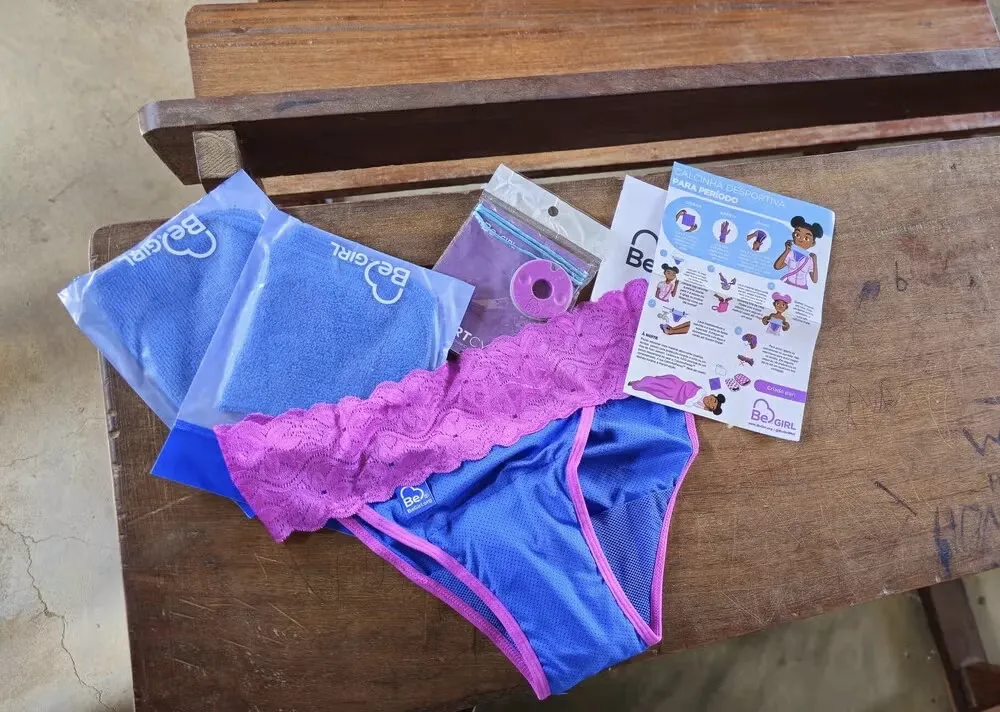
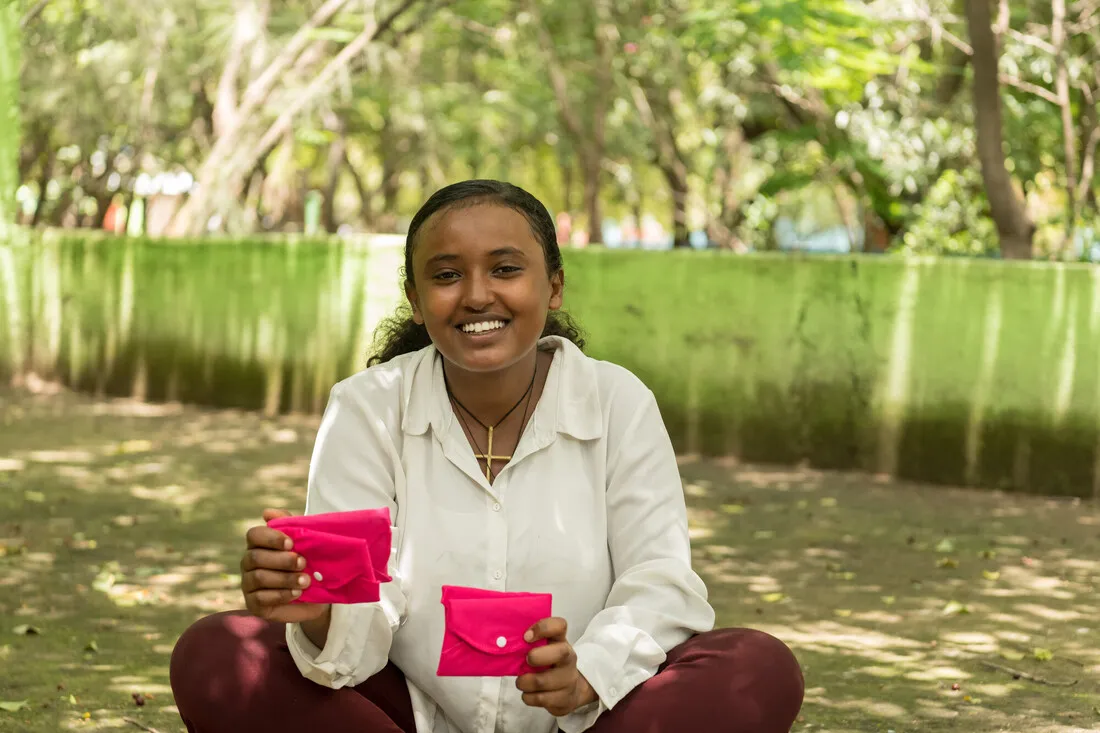
- Affordable menstrual products, such as pads, tampons, reusable pads, or menstrual cups
- Clean water and soap
- Safe, private toilets and washing facilities
- Disposal options for used menstrual products
- Accurate information about menstruation and menstrual health
Period poverty is also reinforced by the stigma and silence that can surround menstruation. Despite menstruation being a normal part of life, in many communities, periods are treated as shameful or inappropriate to discuss. That silence and shame can stop girls from asking questions, keep families from buying necessary menstrual supplies, and prevent communities from investing in the facilities women and girls need.