How vaccine access is protecting children in Somaliland

By Adam Ahmed and Pauline Hurungudo August 26, 2026

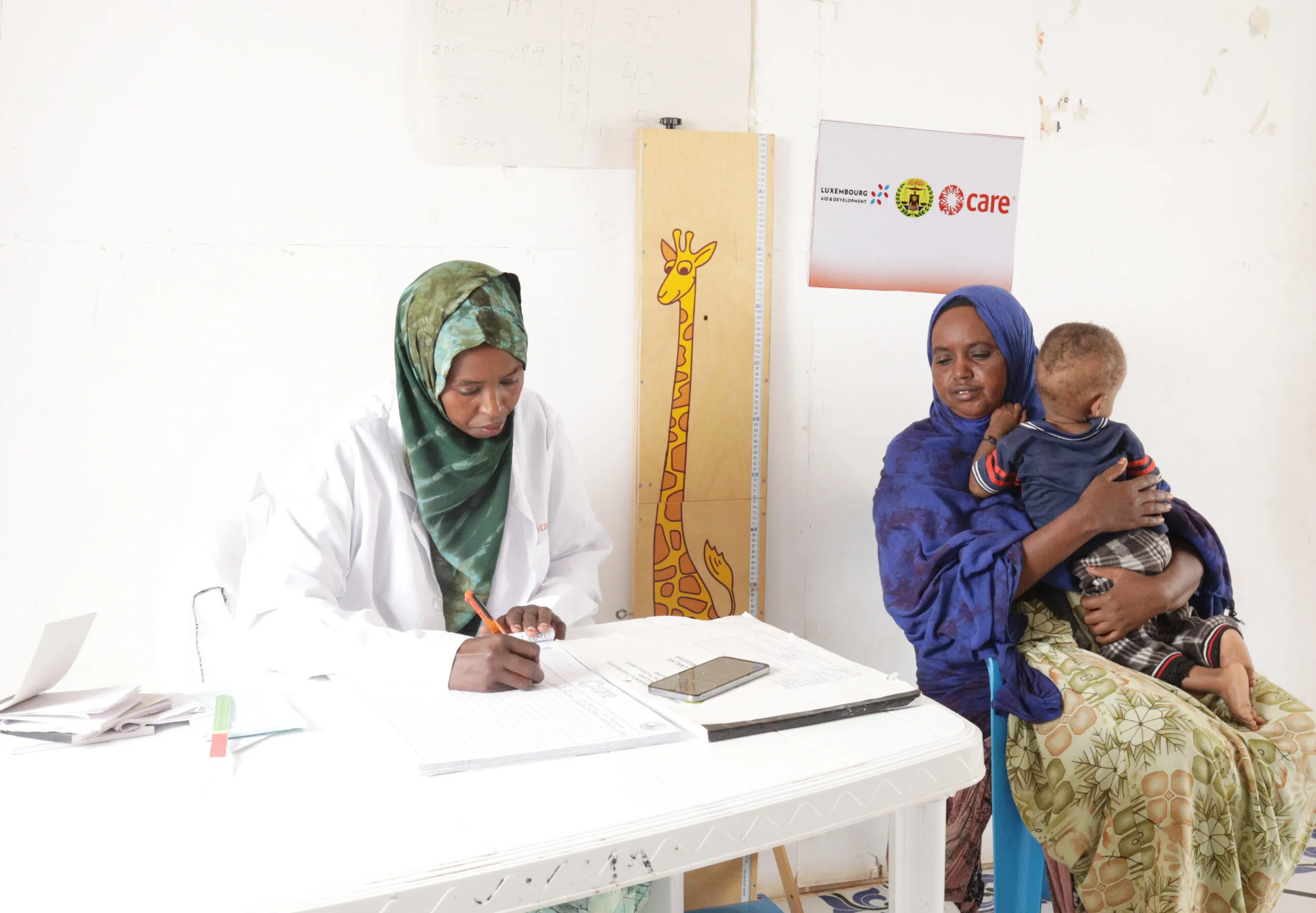
Xamda, one of the CARE-supported healthcare professionals working to improve vaccine access and disease prevention in rural Somaliland, meets with Fatima and her youngest child at the Ismael Hussein health clinic. All photos: Zir Ahmed/CARE

For families in rural Somaliland, getting children vaccinated once meant long journeys and difficult choices. Now, improved vaccine storage at a community health facility is bringing lifesaving immunizations closer to home, strengthening local healthcare, and helping communities respond when outbreaks occur.

For years, every time one of her children needed a vaccination, Fatima faced a difficult choice.

“I had to leave my livestock and spend most of the day traveling,” she says.

The local clinic in Ismael Hussein, a rural community in Somaliland’s Burao District, lacked reliable refrigeration. Most routine vaccines need to be kept between 36°F and 46°F. If they become too hot (or, for some vaccines, too cold), they can become less effective. Reliable refrigeration helps ensure children receive vaccines that have been stored safely.

This meant that Fatima and others like her were forced to travel to a facility with reliable refrigeration if they wanted to get their children vaccinated. The nearest facility was more than 20 miles away — a long, arduous journey taken on foot both ways.

Like many families in her community, Fatima depends on livestock to support her household. Time spent traveling meant less time caring for her animals and her three children. Long journeys, harsh weather, and uncertainty made every visit difficult, especially as ongoing conflict increased the risk of violence for women and girls.
Why vaccine access matters in Somaliland

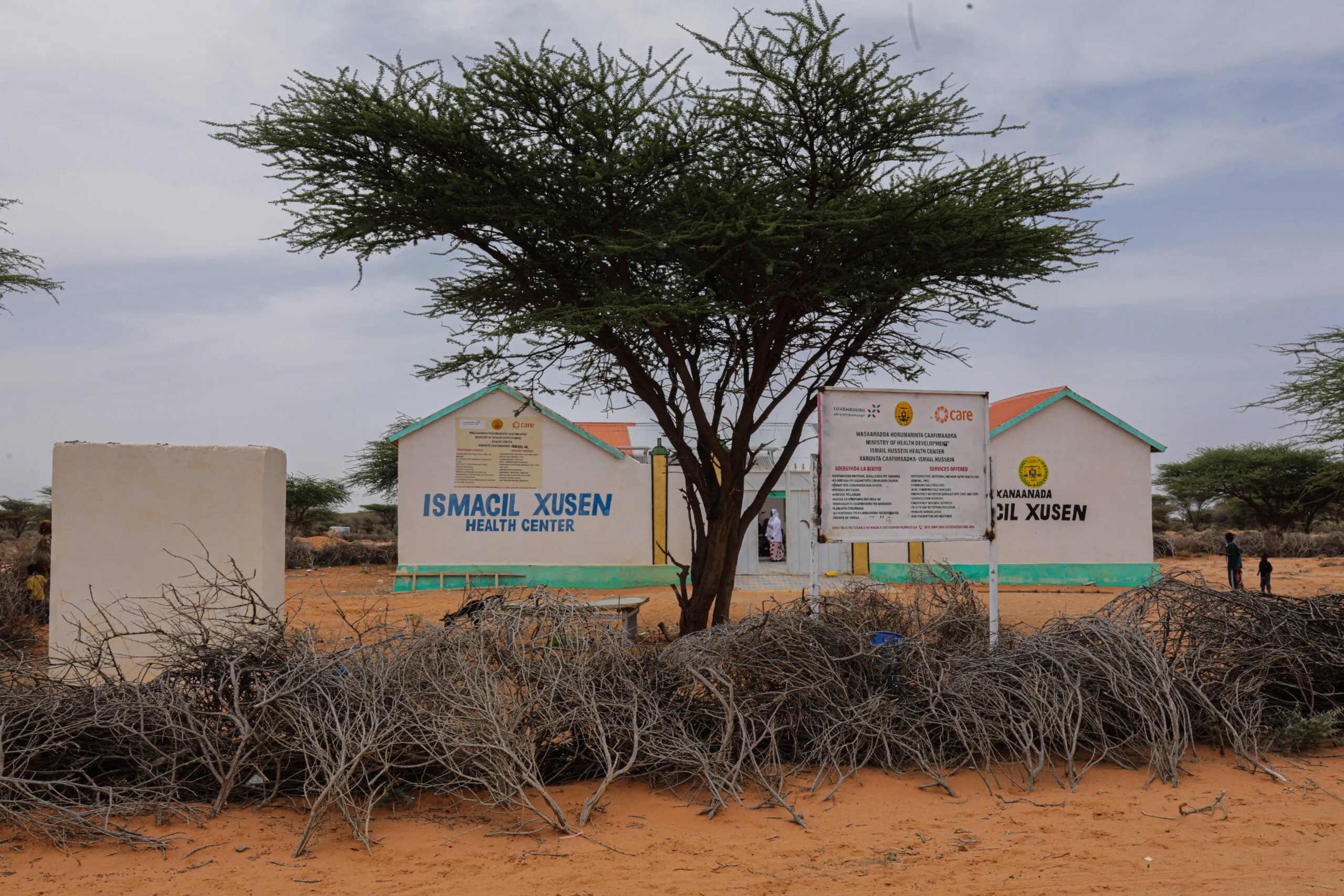
The health clinic in Ismael Hussein is a central hub for the community, but previously lacked the facilities needed to store and distribute vaccines safely.

Across Somaliland, many families in remote communities face similar barriers. Long distances, limited infrastructure, and shortages of essential medical supplies make healthcare difficult to access. Too often, children miss routine vaccinations, leaving them at risk of preventable diseases.

“When children miss routine vaccinations, diseases that can be prevented through vaccination spread more easily, putting lives and communities at risk,” says Dr. Abdikadir Ore, CARE Somalia’s senior health and nutrition advisor.

For decades, routine immunization coverage in Somalia was below 50 percent, meaning that fewer than half of Somalis were protected against a wide variety of preventable illnesses. Ongoing conflict, displacement, lack of access to vaccines, and disrupted healthcare infrastructure had led to Somalia having some of the lowest vaccination rates in the world. In 2019, more than 1.5 million Somali children under the age of five had never received any vaccination at all.

The consequences have been significant. By mid-June 2026, Somaliland’s Ministry of Health had recorded more than 1,600 cases of measles, a highly contagious, vaccine-preventable disease caused by a virus. At least eight people have died from the outbreak so far, underscoring the importance of timely access to routine immunization.

A major vaccination initiative called “the Big Catch-Up” was launched in 2022 by the Federal Ministry of Health and Human Services in collaboration with UNICEF and WHO. By July 2025, the initiative helped support a 28 percent increase in fully vaccinated Somali children.

A clinic ready to protect children

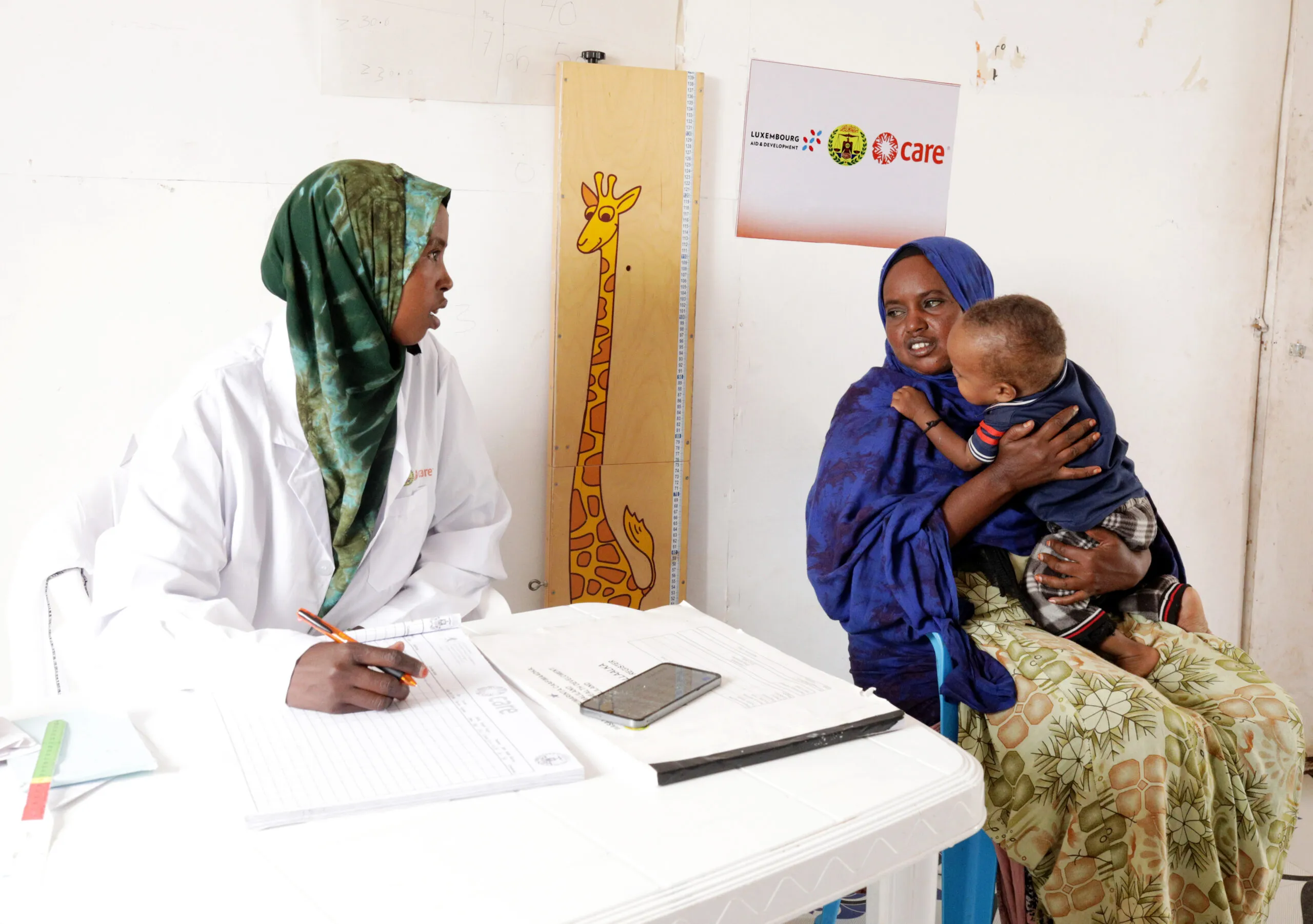
A healthcare professional in a green headscarf sits across a table from a mother and child in a health clinic in Somaliland.
While at the clinic, Fatima's children didn't just get vaccinated. They also received a nutrition assessment and basic checkups to make sure they're growing strong.

Today, Fatima only needs to walk about half a mile to vaccinate her child.

“Now the vaccine is here, the nurse is ready, and I can return home the same day,” she says with a smile.

That change became possible when CARE International, Luxembourg Aid & Development, and the Somaliland Ministry of Health came together to support the Ismael Hussein Health Facility with new refrigerators and cold-chain equipment.

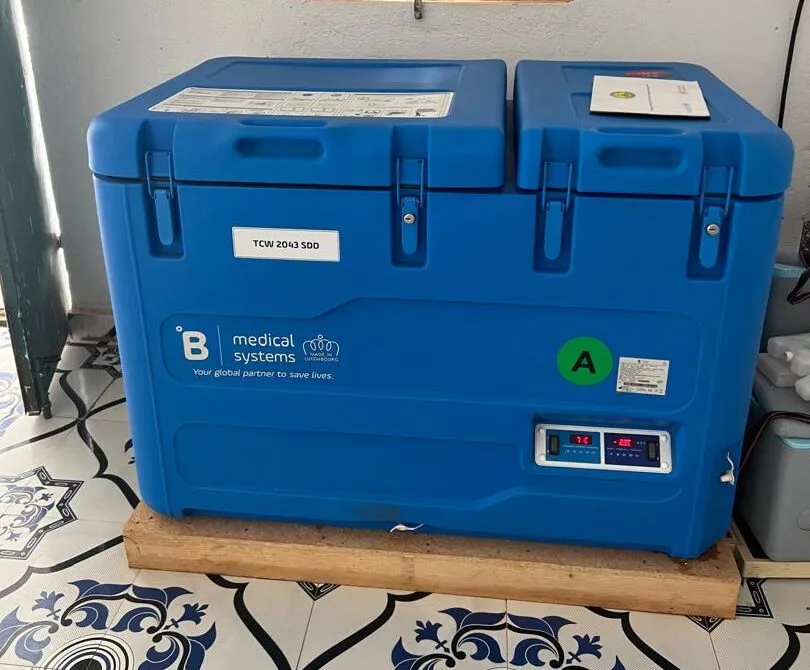
The robust blue refrigerator provide regular immunization services close to home for members of their community. Powered by solar energy, the specialized unit can hold about 70 liters of vaccines and has separate storage space for ice packs. An external digital display lets health workers monitor the system, ensuring everything stays safely preserved and ready for use.

Health workers at the clinic have also received training to strengthen vaccine management and improve their ability to respond quickly to disease outbreaks.

The improvements proved especially valuable during the recent measles outbreak in Burao.

“Before the vaccine storage system was restored, our ability to provide vaccination services was limited,” says Xamda, who oversees services at the Ismael Hussein Health Facility. “Having safe and effective vaccines available at the clinic meant we could protect children immediately and help stop the disease from spreading further. This investment has strengthened both our routine vaccination services and our ability to respond during emergencies.”

Stronger health services, healthier communities

A robust blue solar-powered vaccine refrigerator sits on a wooden platform in a healthcare clinic in Somaliland.
The solar-powered refrigerator is small enough to fit into a corner of the clinic, but it has made a huge difference to the community.

Between May and July 2026, the facility administered more than 2,600 vaccine doses, including 1,395 measles vaccinations. Other routine immunizations now available include vaccinations against

All of those vaccinations are made possible thanks to the blue box that now sits on a raised wooden platform inside the clinic.

“Families now trust that vaccines will be available when they come to the clinic,” Xamda says.

When families come in to get their children vaccinated, health workers make notes in the clinic’s vaccine register, which helps them monitor community vaccination status and compliance in line with the suggested immunization schedule in Somaliland. It also makes it easier for them to remind families when to come back for booster shots and other scheduled vaccines.

“As a result,” Xamda adds, “more parents are returning for follow-up vaccinations, ensuring their children receive full protection and helping keep the wider community safe.”

For Fatima, the impact is both practical and personal. Sitting inside the health facility beside the refrigerator that now stores lifesaving vaccines, she cradles her youngest child while other families arrive for their appointments. Seeing neighbors and friends accessing healthcare close to home brings her a sense of relief that once seemed out of reach

“When my children need vaccinations, I know I can get them nearby,” she says. “I no longer have to choose between caring for my children and caring for my animals. It has brought us peace of mind and a healthier future for our children.”

Looking beyond the next outbreak

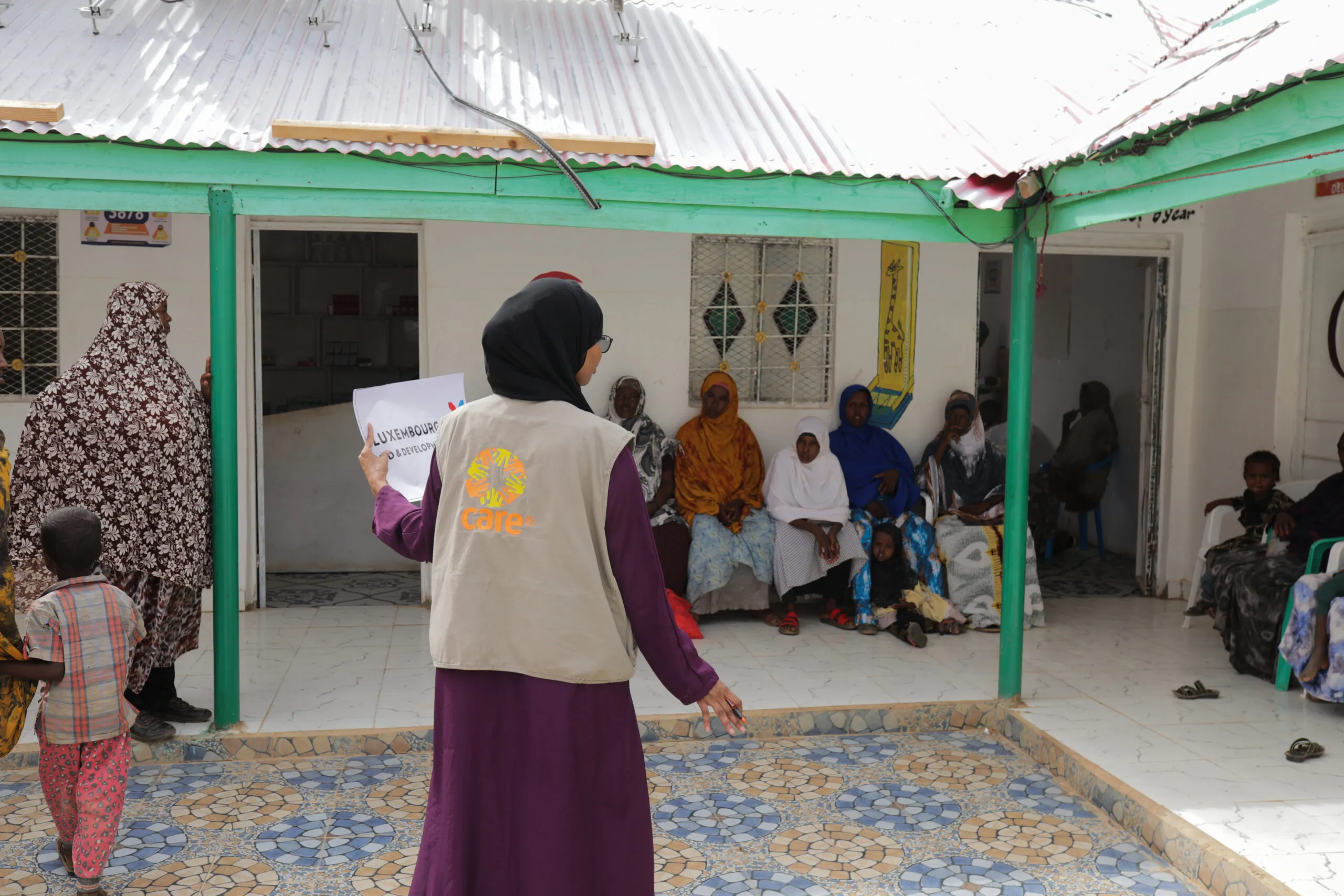
A healthcare worker in a CARE vest helps families at a health clinic in Somaliland.
Families line up at the health clinic for checkups, vaccinations, nutrition assessment and support, and other care.

The benefits extend beyond routine immunization. When measles cases appeared in Burao, the health facility was ready. Vaccine doses were available, trained health workers responded quickly, and outreach activities helped protect children before the outbreak spread further.

“The response showed what is possible when local health facilities have the resources they need,” says Nimco, a health worker at the facility. “Vaccines are now closer to the community, and families are better protected against future outbreaks.”

For families in Ismael Hussein, the restored vaccine storage system represents much more than new equipment. It means children can receive lifesaving vaccinations close to home, parents no longer have to choose between protecting their livelihoods and protecting their children’s health, and communities are better prepared to respond when disease outbreaks occur.

“This project is about much more than refrigerators and vaccines,” says Ummy Dubow, CARE Somalia Country Director. “It is about ensuring that children in remote communities have the same opportunity to grow up healthy as any other child. By strengthening local health services and bringing care closer to families, we are helping communities build a healthier and more resilient future.”


Since 1981, CARE has worked in Somalia to provide lifesaving humanitarian assistance and support communities facing conflict, displacement, drought, hunger, and other crises.

Today, CARE works with local partners and communities, including in Puntland and Somaliland, to improve access to health and nutrition services, clean water and sanitation, food and cash assistance, education, and economic opportunities. CARE also supports communities to strengthen livelihoods and prepare for and recover from emergencies, with a special focus on the needs of women and girls.

Help families access lifesaving healthcare,

CARE works with local communities to strengthen health systems, train frontline health workers, and ensure families can access the care they need before, during, and after emergencies.

Donate now.
Back to Top