Laying down roots
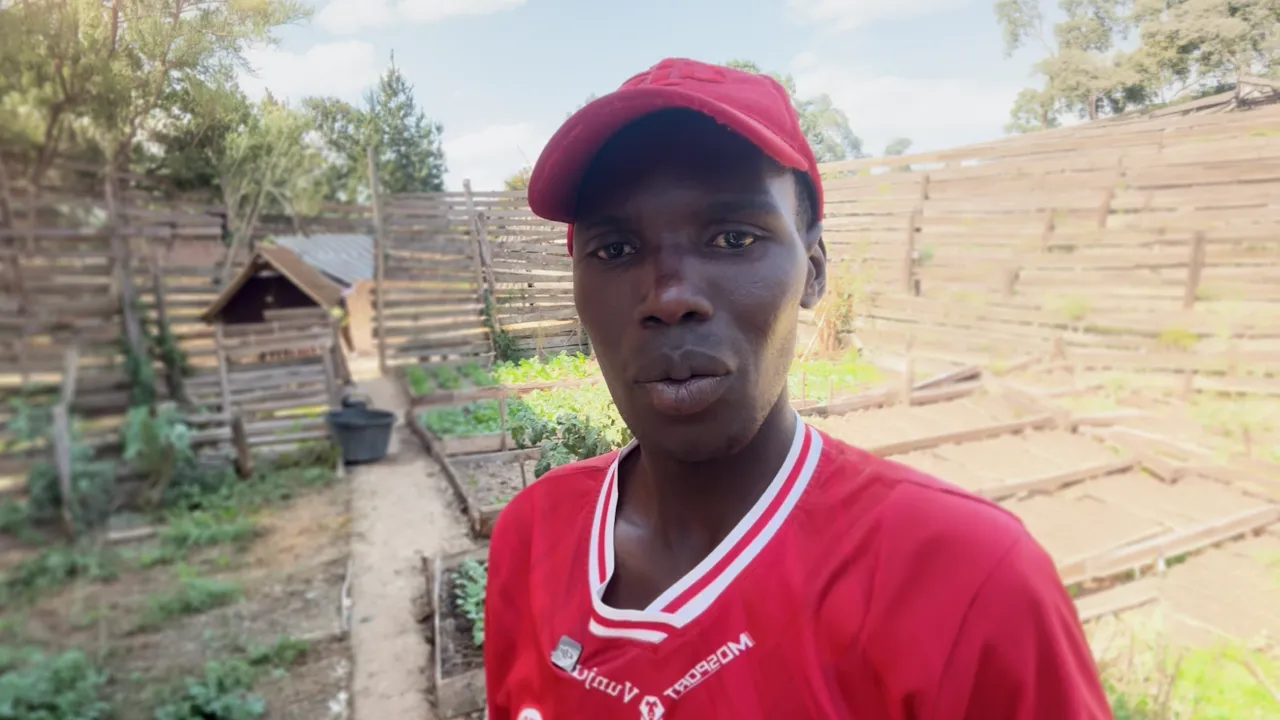
Boniface Mewata is an important member of the Udumka community because he has a passion for helping others. He trained in social welfare and worked as a para-social worker with a youth group in Udumka. This experience sparked his interest in strengthening his community and led him to his next role, a community-based trainer with CARE.
“The community voted for me to become a community-based trainer. I believe they had seen how I was able to mobilize a savings group of young people and work with them as their leader and mobilizer,” Boniface said.
The role is similar to a community advisor. Boniface is the person in the village people turn to when they have questions or need guidance about local activities and projects.
As a community trainer, he plays a big part in the village’s savings groups. He joins the groups to check in on their weekly progress, give advice, and help problem solve. The savings groups help members pool, save, and invest their resources together. The groups also use this money to provide members with loans and fund projects to improve the community.
In Udumka, they are investing in their land.
The Udumka Environmental Group is one of the teams Boniface supports. It’s a community-led ecological conservation collective. The group focuses on environmental restoration, protecting natural resources, and future-ready land management.
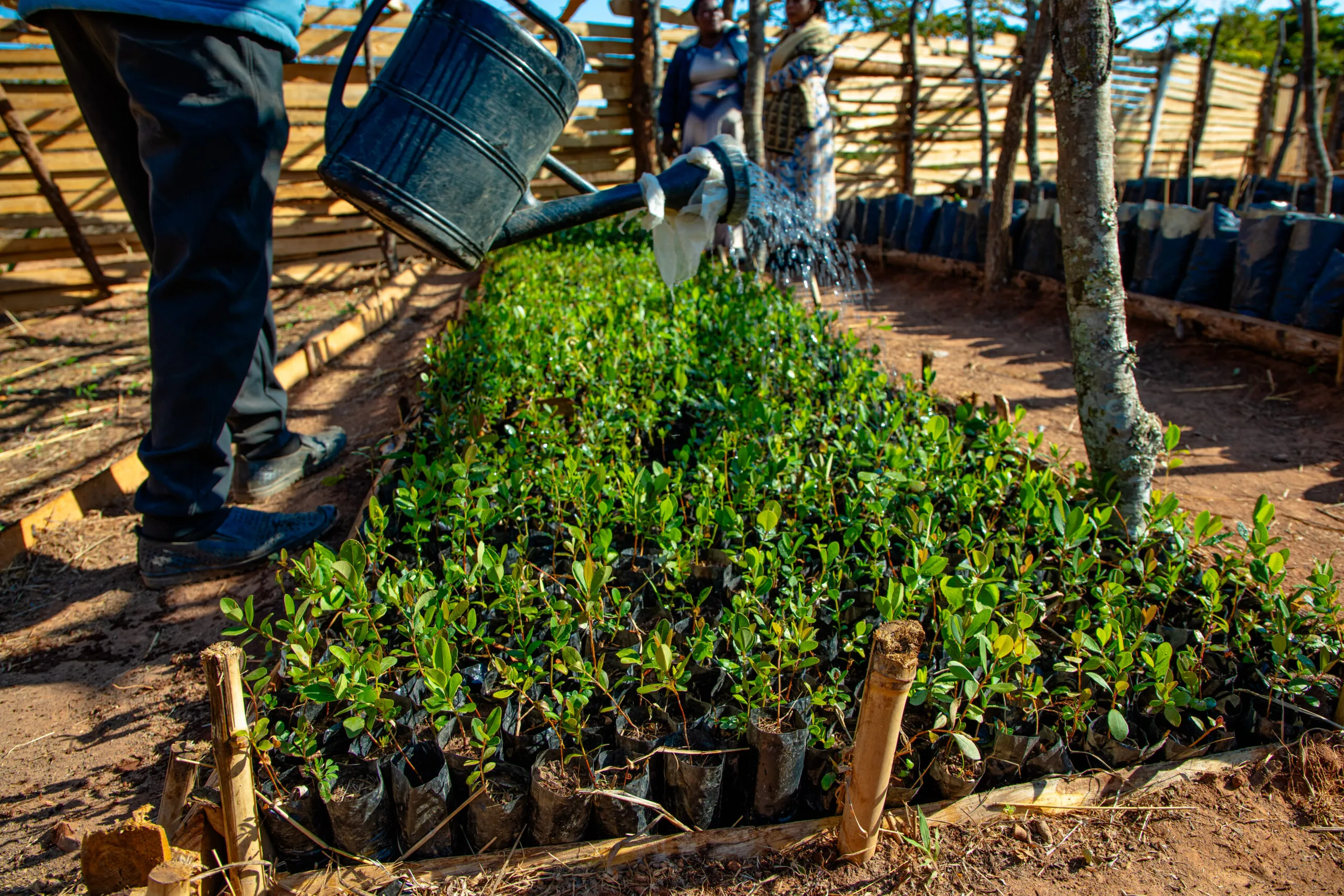
The group’s main project is its tree nursery.
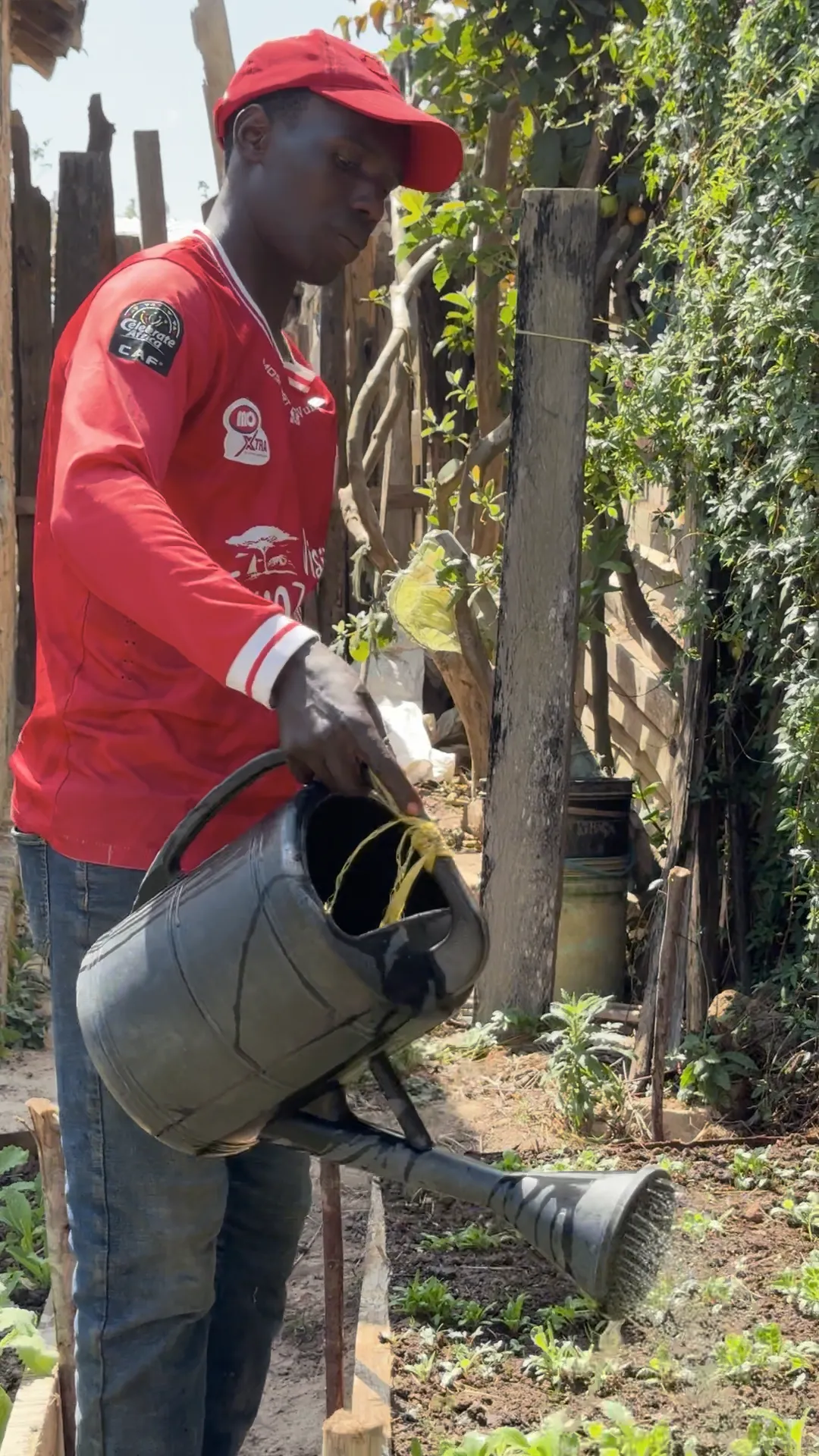
The nursery is spread out over a plot of land with rows of ankle-high plants. Green leaves cover much of the field, but the space between the rows provides enough room for Boniface and the other workers to walk through and water the growing plants. Nearby, a wooden shade house helps protect the younger seedlings from the heavy rains and heat.
“The nursery specializes in species of plants that conserve water and fix the nitrogen in the soil,” Boniface said.
Crops can deplete the soil on small-scale farms, and heavy rains can wash away its minerals and nutrients. The Udumka Environmental Group focuses on plants and trees that can mix with bacteria in the soil to make it more fertile. This helps the crops grow even when the rainfall is heavy.
The group plants and manages a diverse species of trees in the nursery, which is supported by CARE and the World Wildlife Fund (WWF) in Tanzania under the Her Resilience Our Planet project. The project teaches women, young people, and agricultural workers how to farm for tomorrow.