International Day of the Girl Child: Ending child marriage by investing in girls' rights

By Iffat Khan October 11, 2026

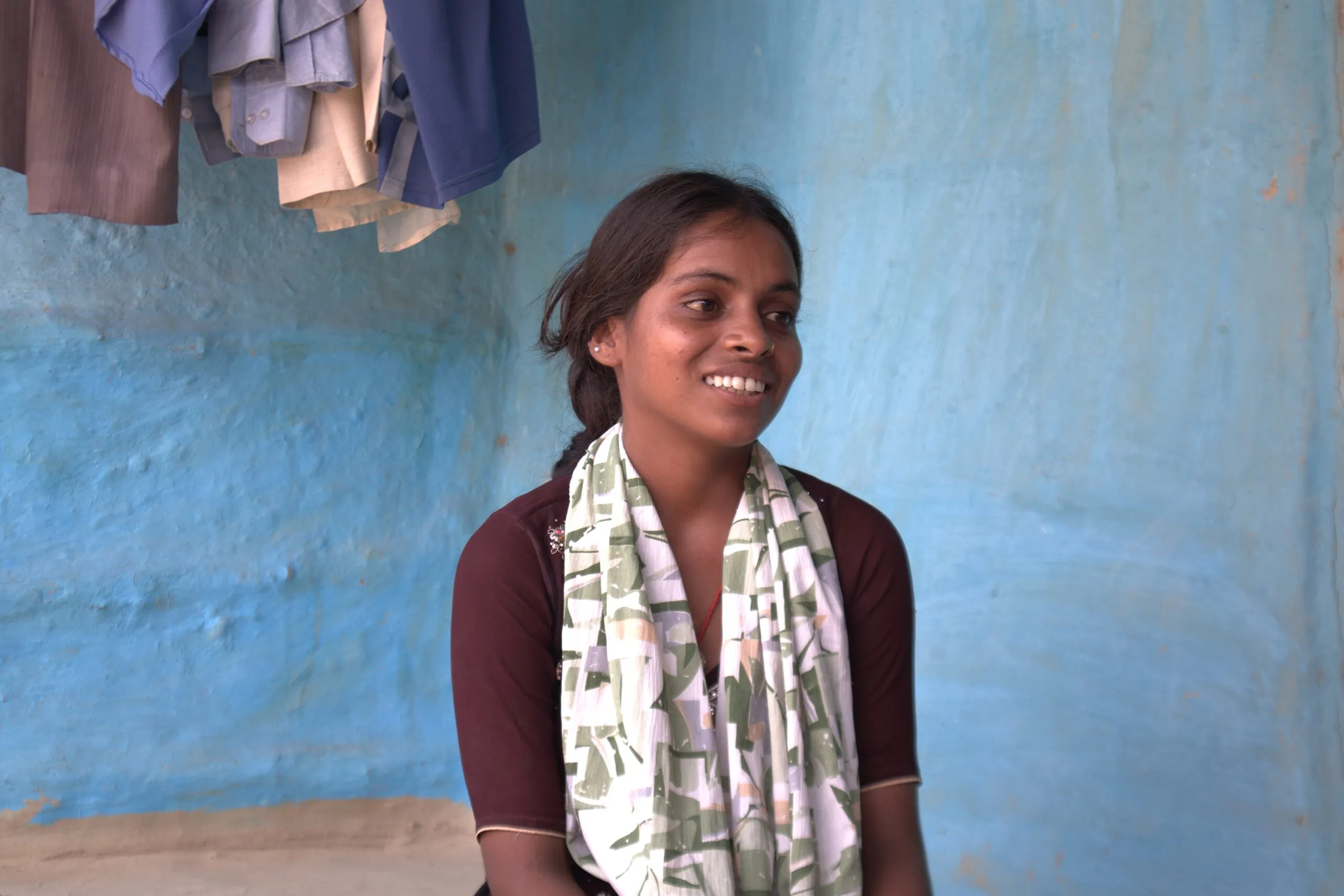
A young woman smiling with blue walls behind her.

Nitu in Nepal is a participant in CARE's Strengthening Opportunities for Adolescent Resilience (SOAR) program which helps out-of-school adolescents complete their education. Photo Kabita Kumari Chaudhary and Indira Thapa.

For Ayesha,* a fifth-grade student in the South West State of Somalia, the classroom she loved was about to be replaced by a life she had not chosen. At an age when she should have been focused on learning and playing with friends, Ayesha was told she would be leaving school to marry a much older man.

October 11 is International Day of the Girl Child, a day to remember the millions of girls whose dreams are cut short by poverty, child marriage, household responsibilities, and barriers to education. By investing in girls’ education, health, safety, and well-being, we can help every girl build the skills, confidence, and opportunities she needs to shape her own future.

When Ayesha’s friends from her school-based girls’ club learned about the planned marriage, they stepped in. Together, they met with Ayesha’s parents and spoke about the value of educating girls and the opportunities that education could unlock for their daughter. Their courage and persistence paid off. Ayesha’s parents called off the marriage, allowing her to stay in school and continue pursuing her dreams alongside her classmates. But not many girls are as lucky as Ayesha.

Marrying before the age of 18 continues to rob millions of girls of their potential. Every three seconds, a girl is married somewhere in the world, cutting their education short, limiting their opportunities, and threatening their health and futures. When a girl is married as a child, she is usually expected to take care of the household. Instead of being at school, she is cooking, cleaning, and doing chores. Girls who marry before 18 are also more likely to become pregnant as an adolescent, which can cause dangerous health risks for both the girl and the baby. These girls are also more likely to experience domestic violence.

Every year, an estimated 12 million adolescent girls get married. And worldwide, there are currently around 640 million women and girls who were married in their childhood.

On International Day of the Girl Child, we are reminded that every girl deserves the chance to learn, thrive, and build the future she chooses for herself. CARE and our partners around the world are working with girls, families, and communities to give every girl that chance.
For girls, building schools is not enough: It takes a village

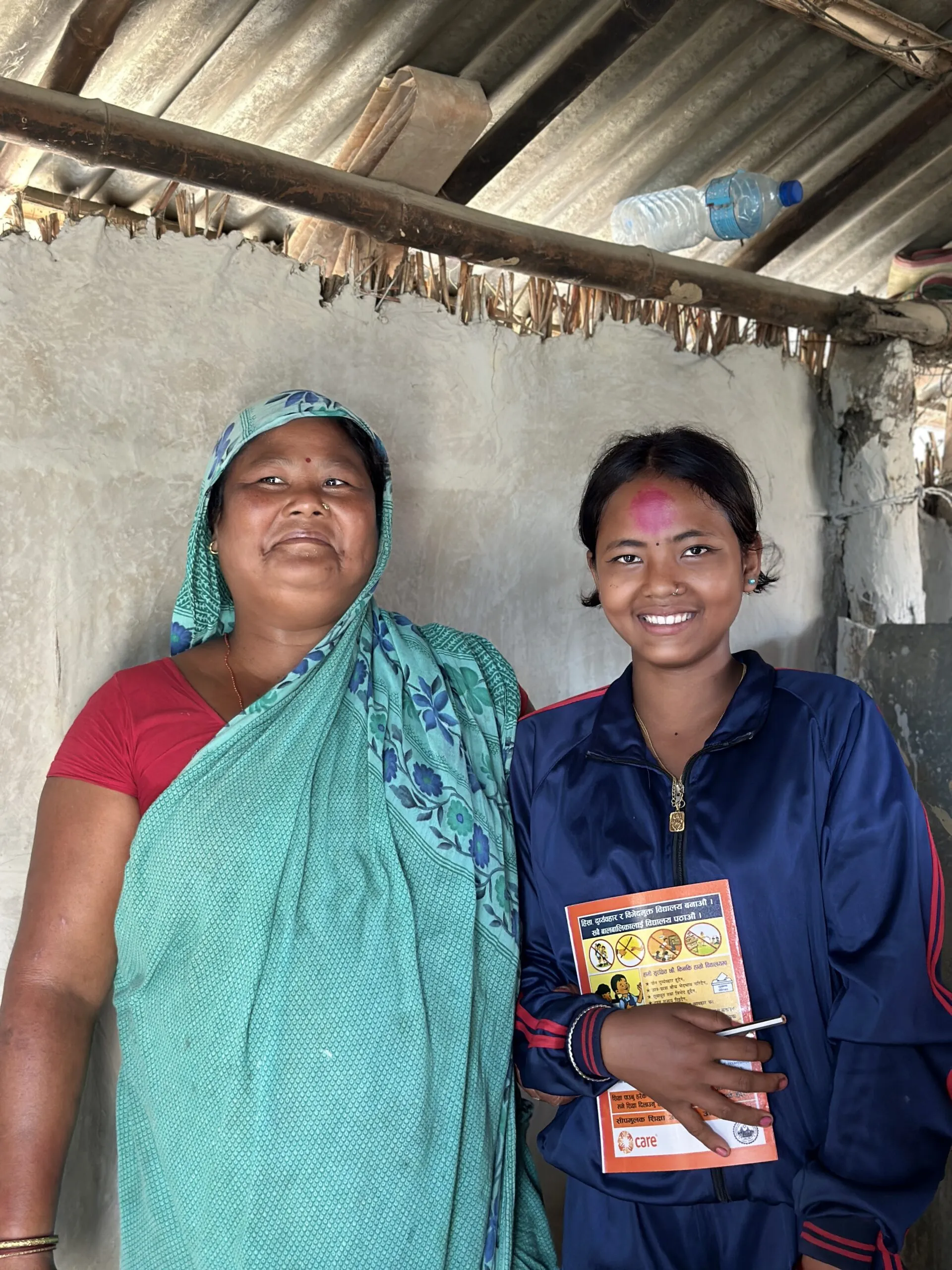
A mother and daughter standing next to each other and smiling.
Sanjita and her daughter, Asmita, live near the Nepal-India border. Asmita is part of CARE's Udaan program. Photo: Indira Thapa and Mr. Rabindra Kumal.

Globally, an estimated 119 million girls are out of school due to overlapping barriers like poverty, conflict, and discriminatory cultural norms. The higher the level of education, the fewer girls remain enrolled. Only 49% of countries have achieved parity in enrollment in primary school, and by upper secondary school, that figure falls to just 24%.

Keeping girls in school requires more than buildings and books. It takes communities to see girls as equals who deserve the same educational opportunities as their brothers and male peers.

Ayesha stayed in school because her community, especially her friends, refused to let her dreams of finishing school be cut short. Ayesha’s story is just one example of this, but global attitudes of girls’ education need to change.

In Somalia, studies show that as more families begin to believe in girls’ potential, more girls will stay in school. By the end of the UK’s Girls’ Education Challenge (GEC) funded Somali Girls’ Education Promotion Programme project, the proportion of parents supportive of girls’ education had increased from 76% to 88%, while in non-targeted communities, the increase was much smaller – from 80% to 86%.1 That support is evident in the graduation numbers. Six years after participating in the program, girls were significantly more likely to stay in school, with primary completion rates 23.5 percentage points higher and secondary completion rates 10.5 percentage points higher.

Those who participated in the GEC-funded Somali Girls’ Education Promotion Programme project were also less likely to marry as children and generally married later, opening the door to more education. On average, girls who took part in the program, tended to marry around 1.4 years later, at a typical age of 18.3 years, compared to 16.9 years among the non-participant group. Girls also developed stronger beliefs about their rights and dignity, with only 13.5% of married participants believing violence against women was acceptable in certain circumstances, compared with 30.7% of non-participants.

CARE’s Adolescent Girls’ Education in Somalia (AGES) project was designed to show girls they had more options than marriage. Before AGES, one in five girls enrolled in non-formal education saw marriage as their only option. By the end, almost none did, with that number falling from 20% to just 1%.2

The same shifts can be seen in India, where CARE is working to change long-held beliefs that girls should focus on household duties instead of education.

Sanjita, a mother of two daughters and one son from a small village on the Nepal-India border, once believed that daughters should primarily focus on household responsibilities rather than education. Facing financial hardship, her daughter, Asmita, left school in third grade to care for her younger brother and support the family through daily wage labor.

Asmita got her second chance at an education through CARE’s Udaan program, an accelerated education program for rural out-of-school girls. Sanjita watched her daughter’s enthusiasm for education grow and began to see things differently. She started thinking differently about topics such as the fair treatment of sons and daughters, child marriage, and girls’ rights. Sanjita realized that her daughters deserve the same opportunities as her son.

Today, Sanjita is one of her community’s strongest advocates for girls’ education and encourages other parents to invest in their daughters’ and sons’ futures, equally.

Earlier, I did not realize the importance of educating daughters. Now I understand that supporting even one girl to continue her education can bring positive changes to the family and community.

Sanjita

The national median age at first marriage for women in India is 19 years, and that number drops for women with no schooling, but a longitudinal study conducted among Udaan participants found their median age at first marriage to be 20 years.3

These numbers tell a powerful story: behind every statistic is a family, a parent, or a community member who chose to see a girl’s future differently.

Finding her voice and returning to school

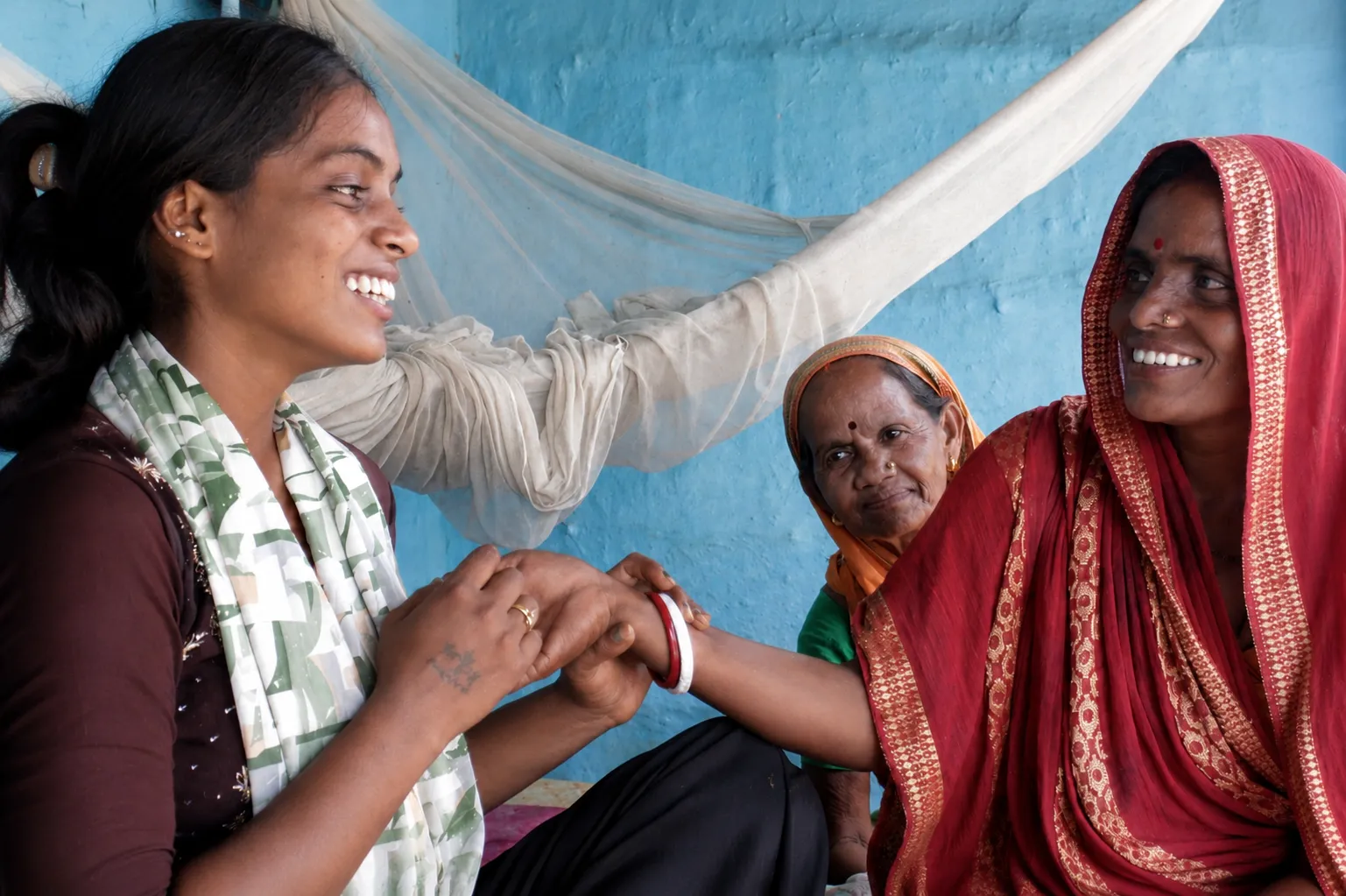
A young woman shares a laugh with two other women.
Nitu in Nepal is part of CARE's SOAR program. Photo: Kabita Kumari Chaudhary and Indira Thapa

For girls who have missed years of learning, one possible pathway is through accelerated, non-formal, and community-based education models.

CARE’s Strengthening Opportunities for Adolescent Resilience (SOAR) model, much like the Udaan program, helps out-of-school adolescents and youth complete several grades of education in a short period of time, usually 11 months. SOAR rapidly builds reading, writing, math, leadership, and life skills in learners. It also helps adolescents to return to formal education, enter a vocational training program, or acquire basic skills for employment.

Since its inception in India back in 1999, SOAR and related second-chance education programs, like Udaan, have impacted the lives of over 180,000 adolescents and youth across Africa and Asia. Giving them opportunities to learn, grow, and build brighter futures.

18-year-old Nitu from Nepal is one such girl.

Nitu grew up in a community where a few girls continue their education beyond primary school. Traditional expectations often prioritize household responsibilities ahead of girls’ education. After dropping out in second grade, her chances of returning to school seemed slim.

Through participation in the SOAR program, Nitu restarted her education and is now studying in the 10th grade where she is one of only four girls from her area to reach secondary school. Despite initial resistance from her father, she used the communication and negotiation skills she learned through Udaan to convince him to support her education.

Udaan didn't just teach me to study. It taught me to speak for my rights, lead others, and see my life with new hope. Today, I am not only raising my voice for myself but for the future of every girl.

Nitu

A second chance to catch up and keep learning

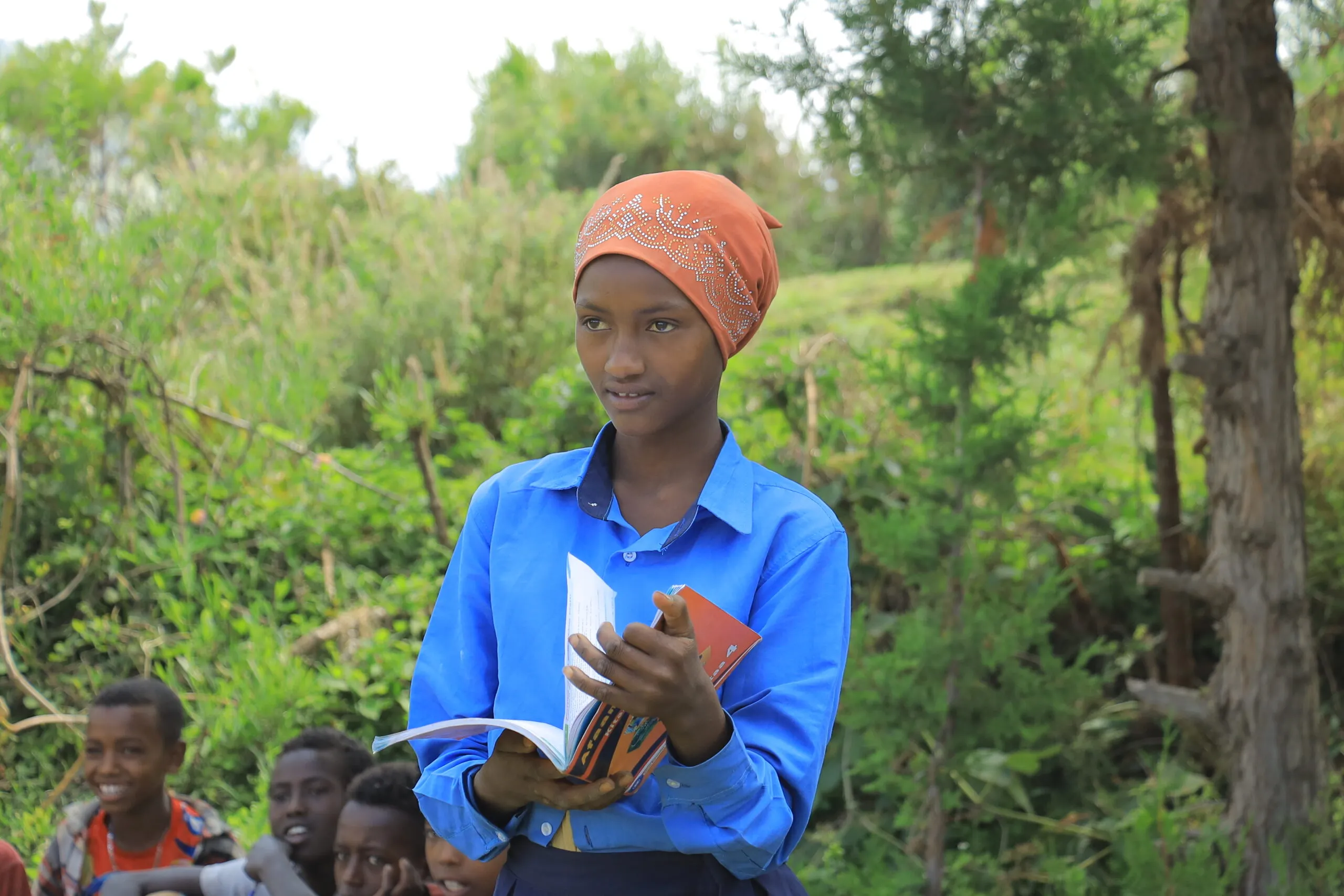
A young woman standing outside with a book.
Hamidi in Ethiopia is part of CARE's SOAR program which helped her catch up on her education. Photo: Henock Abayneh

Incredible journeys like Nitu’s exist all over the world.

In Ethiopia, Hamidi lost her father when she was 6 years old. Unable to afford school, Hamidi spent years helping her grandmother with household chores instead of going to school. SOAR gave her a way to catch up on her education.

My peers are now in seventh grade. By the will of Allah, I will be in fourth grade next year. This program is truly life-changing for girls and boys who are in situations like mine.

Hamidi

SOAR has helped thousands of out-of-school girls return to learning across multiple countries. In India, 94% of girls who participated in CARE’s SOAR accelerated learning program enrolled in primary school at the fifth-grade level. In Nepal, a recent cohort of Udaan girls saw 95% completing the accelerated education program, and 98% of them transitioned into formal school. In Ethiopia, nearly all learners enrolled in the program completed their studies and moved on to formal education. Of the 500 children enrolled, 484 (97%) successfully transitioned into fourth grade.4

Opening doors for employment

Deeply rooted social norms can lead families to see girls’ education as a poor investment. One of the key reasons families overlook investing in girls is the perception that they won’t bring in any money for the family.

Keeping this reality in mind, SOAR goes beyond helping out-of-school adolescents catch up academically. Many girls want to receive vocational training as well so they can earn money.

In Tanzania, Asia learned how to make soap as part of a SOAR project and started selling it in her community. This allowed her to create her own source of income while carefully managing her business records.

The skills she gained have not only improved her ability to earn a living but have also given her greater independence and confidence in her future.

Now, I can earn my own income by producing and selling soap and I can manage my records. This program has helped many of us move beyond poverty and gain the skills we need to build better lives.

Asia

Giving girls their own space

As these stories show, when girls have a safe space to connect with peers facing similar challenges, they find encouragement and support. School or community-based groups provide safe spaces where girls can learn, lead, and grow together.

A review of 44 school- and community-based girls’ club programs found that nearly half helped girls build the confidence and self-esteem needed to speak up at home, in school, and in their communities. In Ayesha’s case, it saved her from an early marriage and allowed her to continue her education.

Similar examples are found from CARE’s programming across the world.

Under the AGES project, CARE helped create school-based clubs called Girls’ Empowerment Forums (GEFs) in Somalia. These clubs, guided by female mentors, help girls develop leadership skills, lead local actions, and connect with opportunities in their communities.

The results were striking. Club members were 12.5 times more likely to remain in school, compared to their peers. Girls who participated in GEFs also performed better in school – with a 15 percentage-point increase in literacy scores, a 16 percentage-point increase in numeracy scores.5

Through 911 GEFs reaching more than 9,100 girls, participants under AGES not only strengthened their learning but also acted on issues affecting their communities, including promoting girls’ education, preventing early marriage, and supporting children at risk of dropping out of school.

For girls like Ayesha, it helps them continue their childhood and dream about their future.

The evidence is clear: when girls are supported by their families, communities, schools, and peers, they stay in school longer, marry later, earn more, and gain greater control over their futures. In communities where girls were once expected to become wives and mothers, more girls are now staying in school, leading their peers, and pursuing their ambitions. This International Day of the Girl Child, let us renew our commitment to investing in girls’ education, rights, and opportunities so that every girl can thrive.

Giving girls a chance

Explore how CARE’s programs help delay early and child marriage, return to schools, gain confidence and life skills, and build the futures they choose for themselves.


*Name changed for security reasons.
Citations:
1. Consilient (2022) Somali Girls’ Education Promotion Project – Transition: Endline Evaluation Report, pg.240
2. CARE (2024) AGES Quarterly Monitoring Survey, May 2024, pg.26
3. Infosutra (2026).  Udaan Longitudinal Study
4. CARE. (2026). Final Report AEP Ethiopia. P. no. 1
5. Consilient (2023), AGES Second Midline Evaluation, pg.140

Back to Top