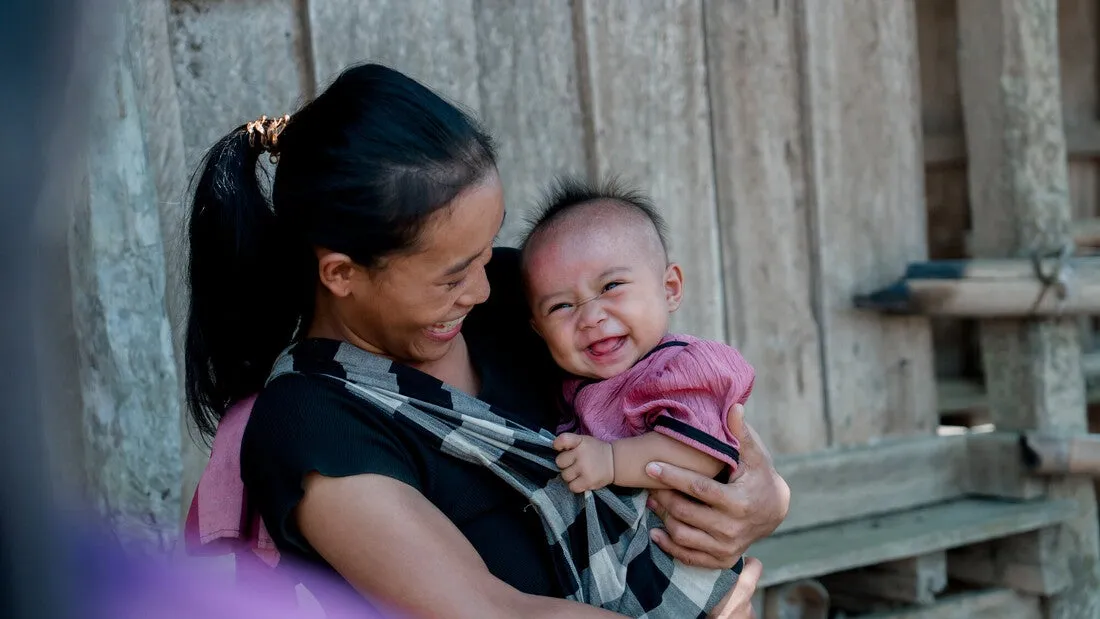
One health worker. More than 50 households. No backup.

By CARE Nigeria Communications Team

November 2, 2026
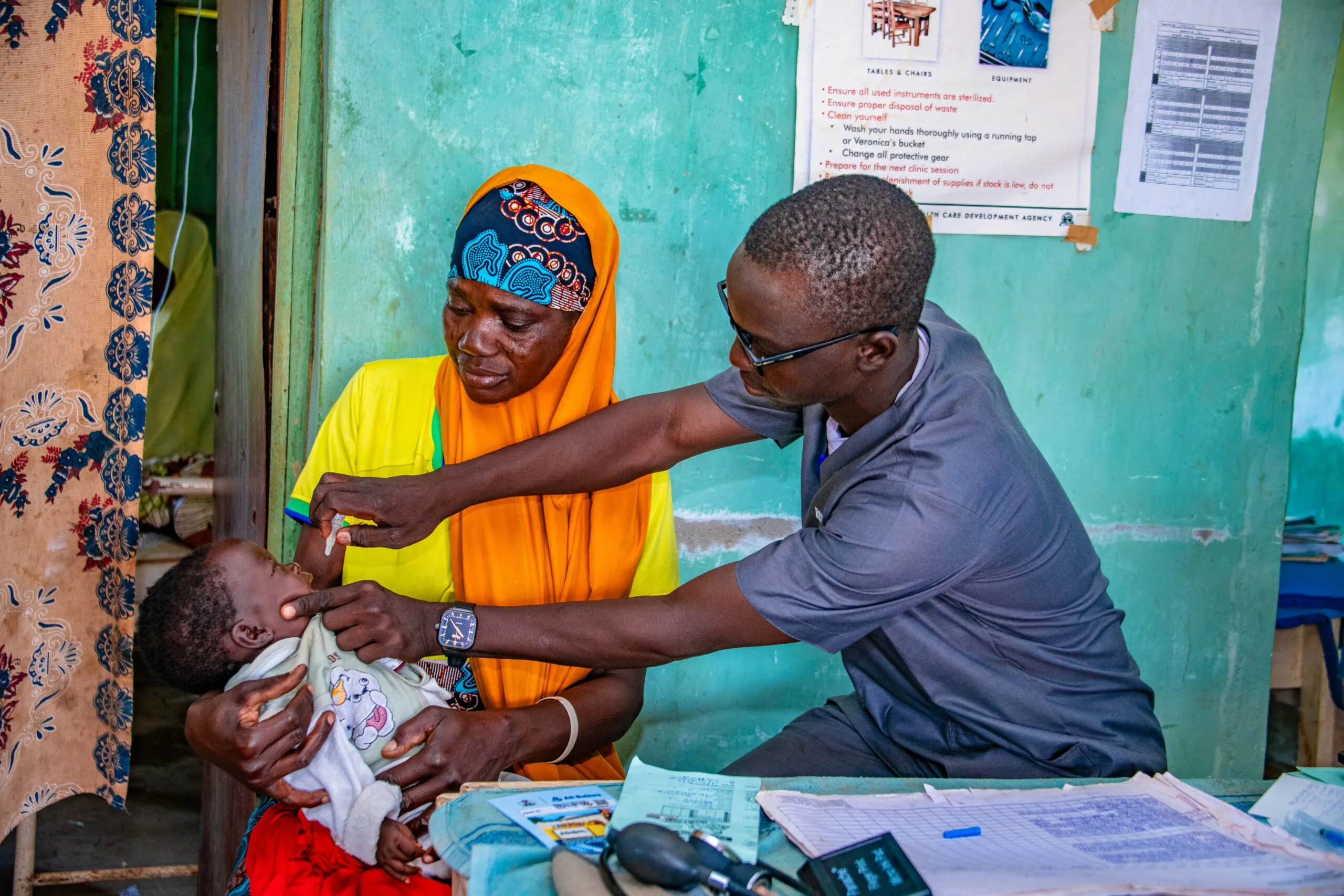
A health clinic worker attends an infant that mother is holding.

Jamilu Sani, the sole health worker at Tiki Health Clinic in Katsina State, attends to dozens of patients daily. All photos: Moses Oyesola/CARE

In rural Katsina State, Nigeria, Jamilu Sani sees more than 30 patients a day, often making difficult healthcare decisions alone. A CARE-supported digital learning platform is helping him do more with less, but training alone can’t fill the gaps in staffing and equipment.

“I am overwhelmed.”

In Tiki, a quiet rural settlement in Charanchi Local Government Area of Katsina State, Nigeria, Jamilu Sani is one man doing the work of many.

Jamilu is the only frontline community health worker (FCHW) at the Tiki Health Clinic, where he sees dozens of patients every day. Some are pregnant women seeking prenatal support. Others are parents with sick children. Whatever issues come through the door, Jamilu is the only health worker there to see them.

For nine years, Jamilu, 34, has served as a FCHW in Tiki, where more than 50 households depend on the clinic — and on him. He provides routine immunizations, maternal and child healthcare, and basic diagnostic services, often making difficult decisions without other professionals to consult.

Even on days when he feels under the weather, Jamilu says he goes to work because he knows people are counting on him.

“If I don’t stand strong to fill the gap for my people, who else will?” he says.

Across rural northern Nigeria, other frontline health workers face similar pressures. They’re often the first, and sometimes the only, source of healthcare in their communities.

For Jamilu, a new digital learning platform is providing training and information that he can use on the job. But while technology is helping FCHWs provide better care, it can’t fill all the gaps in staffing, equipment, and support.
New training, new possibilities

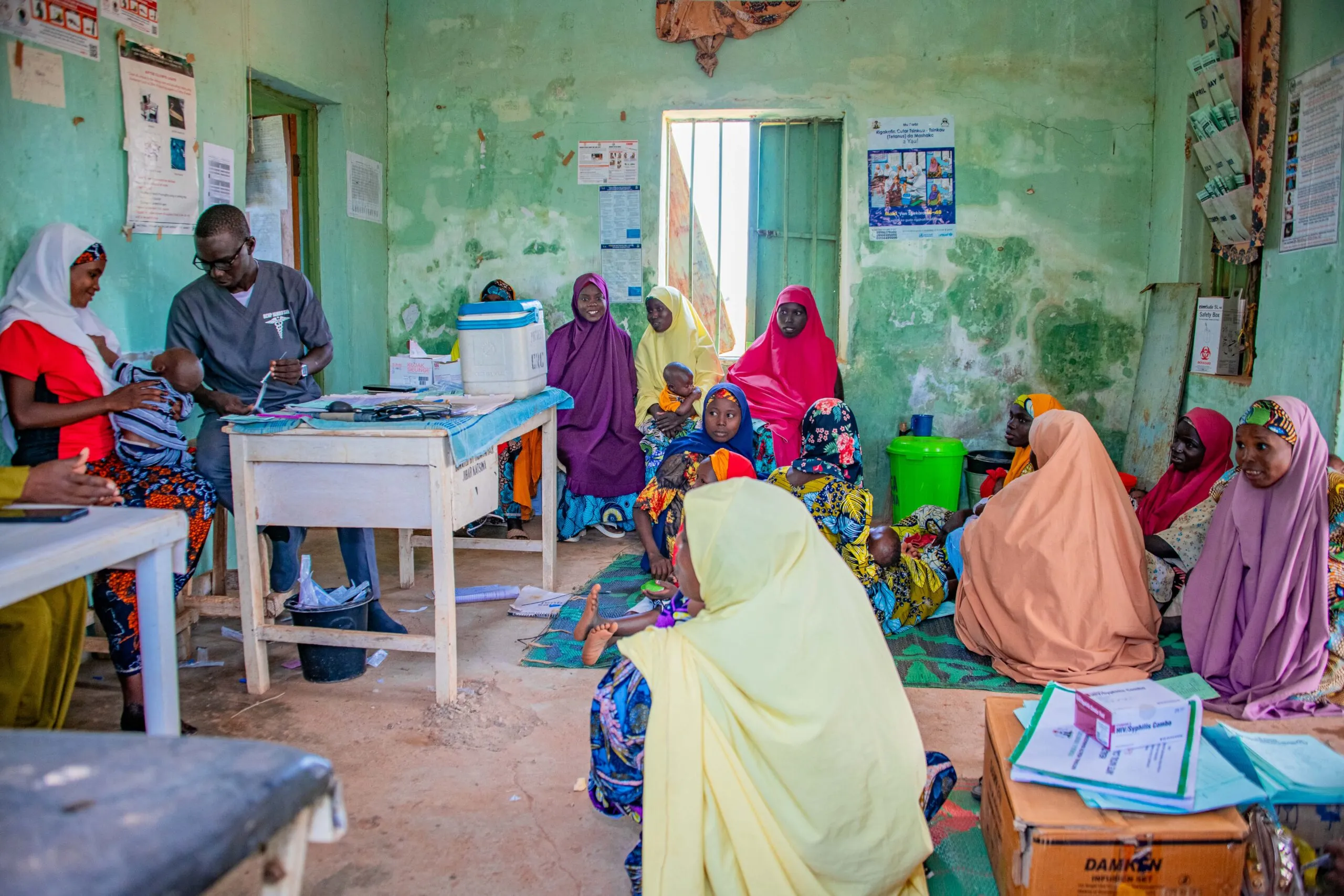
Health worker attends to a patient in a small health clinic as a group of other patients sit and wait nearby.
Patients wait inside the Tiki Health Clinic as Jamilu attends to a small child.

For years, Jamilu relied mostly on his experience and existing knowledge to make difficult decisions about caring for his patients. Now, he has another resource to turn to.

Through CARE Nigeria’s Enhancing Resilience in Frontline Community Health Care (EnRiCH) project, Jamilu can access health training courses, a library of health information, and digital support – even in areas with limited internet connectivity.

Implemented in partnership with the Life Helpers Initiative and the Katsina State Ministry of Health, the platform allows health workers to learn at their own pace and access medical information while working.

Jamilu has completed five courses so far, covering child health, maternal health, and communications and advocacy between health workers and patients.

“It has changed how I attend to people, especially when they come in large numbers,” he says. “I feel like I have updated, like a software, and I can respond better to their needs.”

For health workers managing dozens of patients without additional staff support, access to ongoing training and resource materials is important. But knowledge is only one part of providing quality healthcare.

What training can’t replace

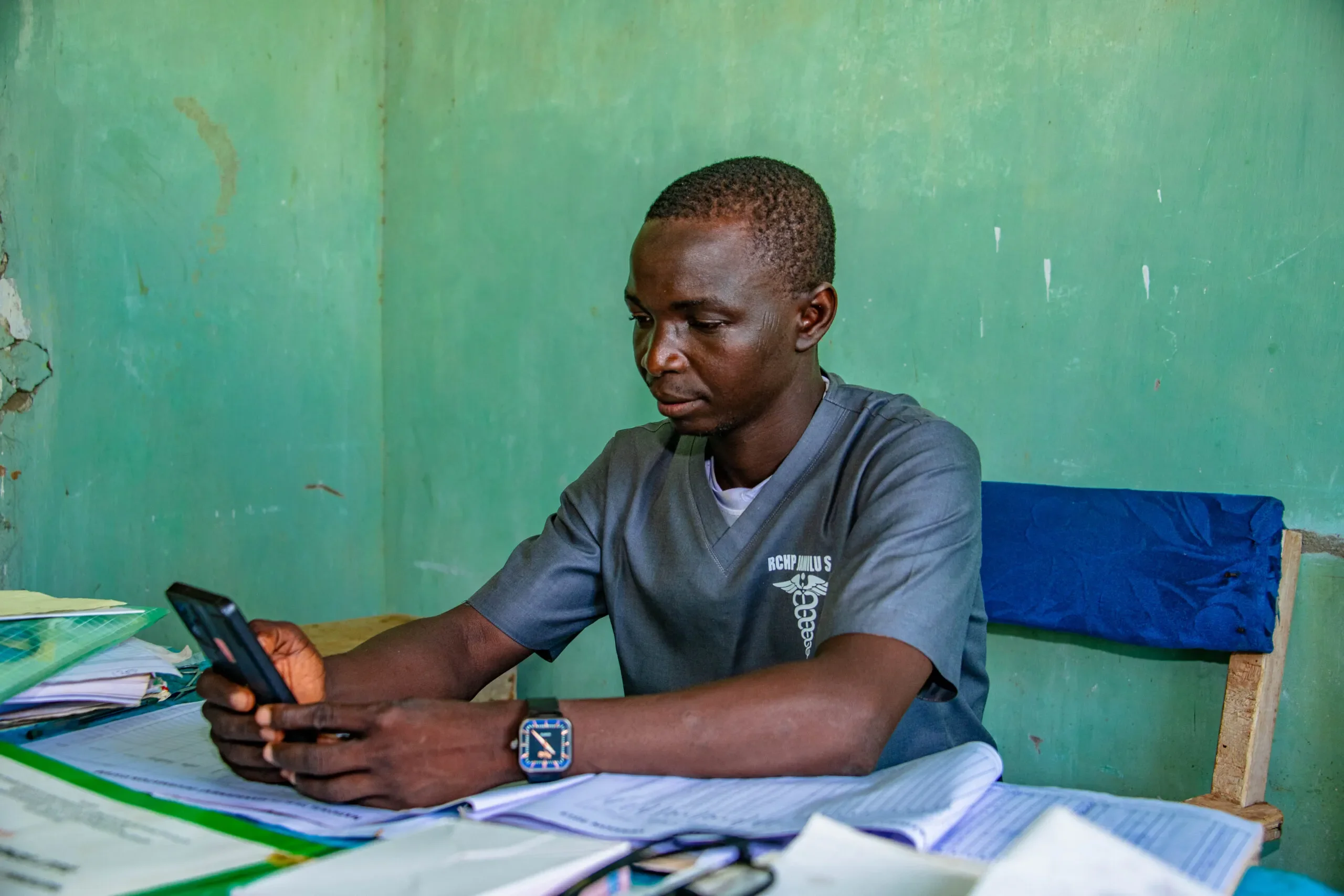
Health worker sitting at a desk and looking at his phone inside a small health clinic.
Jamilu has already completed five courses through the EnRiCH platform.

“I need more hands, especially for laboratory support and routine immunization services,” Jamilu says.

Despite the new training, he still manages multiple responsibilities alone. That means he works long hours and makes difficult decisions about which patients need attention first, all without being able to consult or rely on peers and colleagues.

The clinic needs broad upgrades to its facility, and lacks consistent access to essential equipment like rapid diagnostic test kits, weighing scales, thermometers, and privacy screens. Without these supplies, even well-trained health workers can struggle to provide quality care. The need is particularly urgent for pregnant women and young children.

Digital training can help health workers build their skills, but it can’t replace essential supplies, adequate facilities, or additional staff. Just as importantly, it can’t give Jamilu colleagues to exchange ideas with, share difficult decisions, or simply lean on during a demanding day.

For communities like Tiki, improving healthcare requires investment in both the people providing it and the facilities where they work.

Investing in the people providing the care

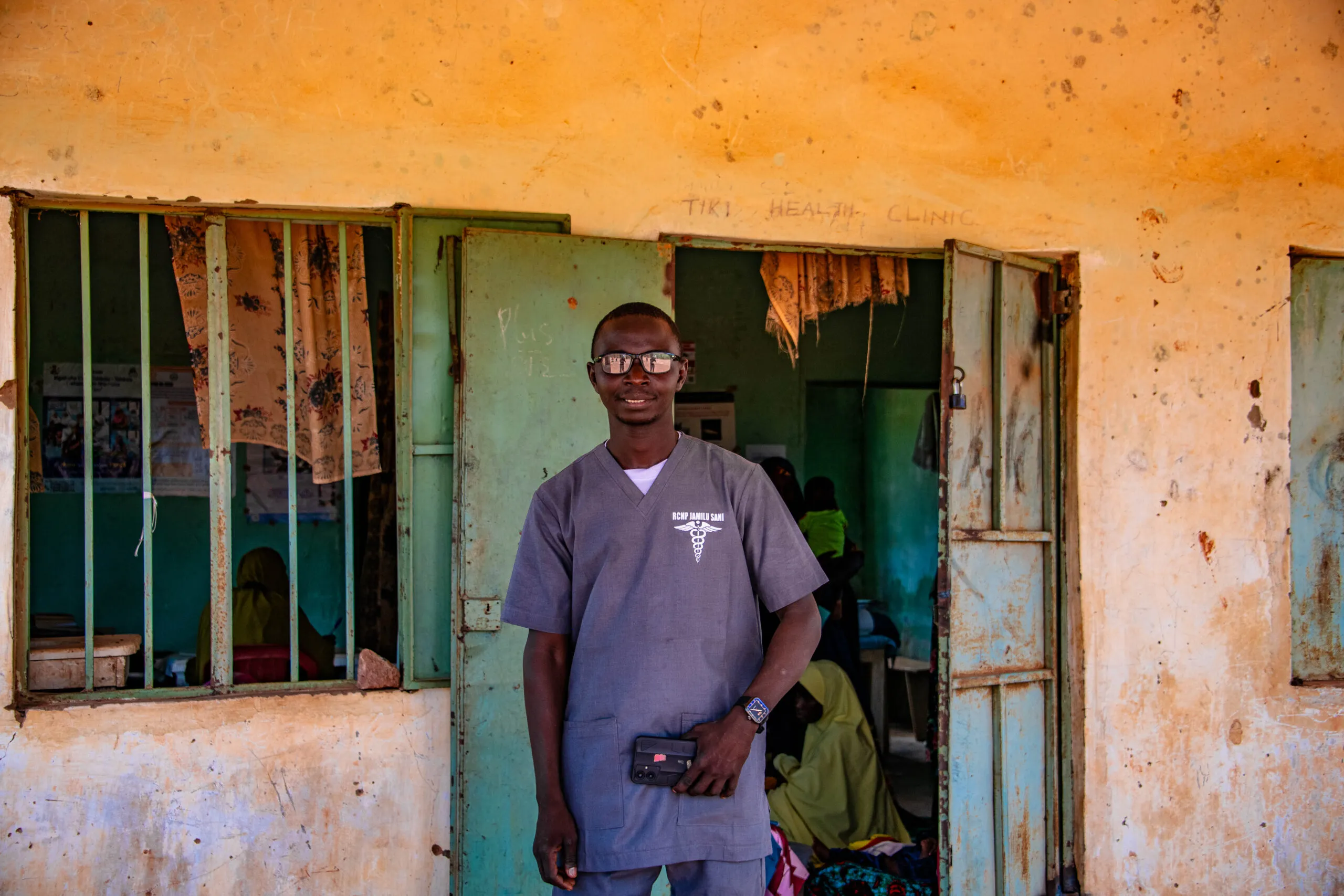
The exterior of a small rural health post building in Nigeria.
Jamilu stands outside Tiki Health Clinic, where investments in facility renovation and equipment could strengthen care.

According to CARE Nigeria, approximately 1,500 FCHWs are currently using EnRiCH across 343 health facilities in Katsina State. The project plans to reach 2,000 workers who could collectively serve up to 1 million people across 200,000 households. And the goals don’t stop at additional training. It aims to support FCHWs’ professional development and certification, expand economic opportunities through community savings and loan groups, and advocate for their formal recognition and fair compensation within Nigeria’s healthcare system.

These efforts recognize that improving healthcare isn’t just about teaching workers new skills. It prioritizes ensuring they have the resources, opportunities, and support to continue providing care to their communities.

Aminu Rimaye, EnRiCH project coordinator with CARE Nigeria, notes that patients at Tiki Health Clinic have reported shorter waiting times, fewer referrals to other facilities, and improvements in the care they’re receiving.

“Jamilu’s contributions to quality healthcare delivery have helped strengthen community members’ confidence in the health system,” he says.

The next step is to expand EnRiCH. “Our hope is to sustain and scale up the EnRiCH project to reach more FCHWs across additional states in Nigeria,” Aminu adds.

For Jamilu, the training has already made a difference. “The support has helped me improve how I work and serve my community.”

But his experience also shows the limits of training alone. For more than 50 households relying on Tiki Health Clinic, Jamilu’s new skills matter. So does ensuring he has the staff, equipment, and resources to make the most of them.


CARE began work in Nigeria in 2017. CARE’s key programs in Nigeria are in nutrition, security and livelihoods, reproductive health, prevention of violence against women and girls, and women’s economic empowerment.

Support humanitarian workers around the world

Around the world, CARE staff continue serving families through conflict, disasters, and crises. Your help makes that work possible.

Donate now
Back to Top